
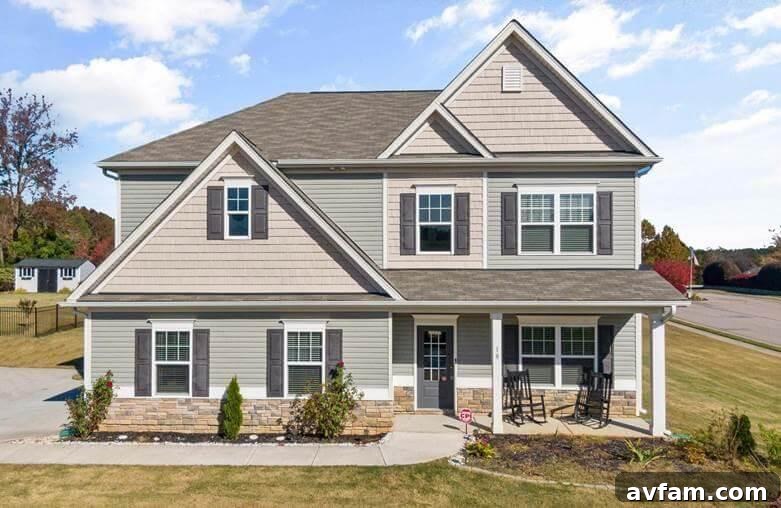
It’s easy to take the exterior of your home for granted. Day in and day out, we pass by it, often without truly seeing the subtle shifts and signs of age. A fresh coat of paint here, a fading shingle there – these changes accumulate slowly, almost imperceptibly, until one day, the overall impression is one of being dated or simply ‘tired’. Life moves at a rapid pace, and the front of your house, your personal statement to the world, can easily fade into the background. Yet, investing in its curb appeal is one of the most impactful ways to enhance both your property’s value and your daily enjoyment.
Transformations often unfold organically, not as part of a grand, sweeping plan, but through a series of incremental decisions. You might start by fixing a broken shingle, only to realize the entire roof looks worn and aged. A newly repainted front door can suddenly highlight how dull and chipped the surrounding trim has become. These small observations spark a chain reaction, leading to a thoughtful approach to upgrading and revitalizing your home’s exterior, piece by piece, creating a cohesive and appealing aesthetic.
Elevating Your Home: The Impact of a Modern Roof
The roof, often considered merely a functional element, is actually one of the most prominent features of any home. It silently performs its duty until an issue, however minor, brings it into sharp focus. Perhaps a small leak emerges after a storm, or you notice an uneven section from the street, or maybe its color has simply faded, making the entire house appear older. These are often the moments when homeowners decide to seek professional help from a reputable roofing company. To find reliable experts, a quick search for roofers near me will connect you with trusted local professionals who can guide you through necessary repairs, maintenance, or a full-scale roof replacement.
What’s frequently underestimated is the profound aesthetic impact a new roof can have. Even if no other changes are made to the property, a modern, well-installed roof can instantly elevate the home’s perceived value and curb appeal. It provides a crisp, clean finish that ties the entire structure together, offering a subtle yet powerful transformation. Contemporary roofing materials come in a vast array of colors, textures, and styles—from sleek metal and durable asphalt shingles to elegant clay tiles or eco-friendly synthetic options. This variety allows homeowners to select a material that not only offers superior protection and energy efficiency but also complements the architectural style of their home, ensuring a sophisticated and updated look that makes a statement without overwhelming the existing design. A carefully chosen roof can truly anchor the home’s aesthetic, providing a foundation for future exterior upgrades and significantly boosting its overall charm and marketability.
Embracing Simplicity: Clean Lines and Thoughtful Design
Many modern homes are intentionally shedding superfluous architectural details that once dominated residential design. The era of excessive trim, intricate layered molding, and purely decorative features that demand constant scraping, painting, and repair is gradually fading. Homeowners are increasingly recognizing that the ongoing maintenance burden of these ornate elements often outweighs their visual contribution. The trend now leans towards a streamlined aesthetic, where less is often more.
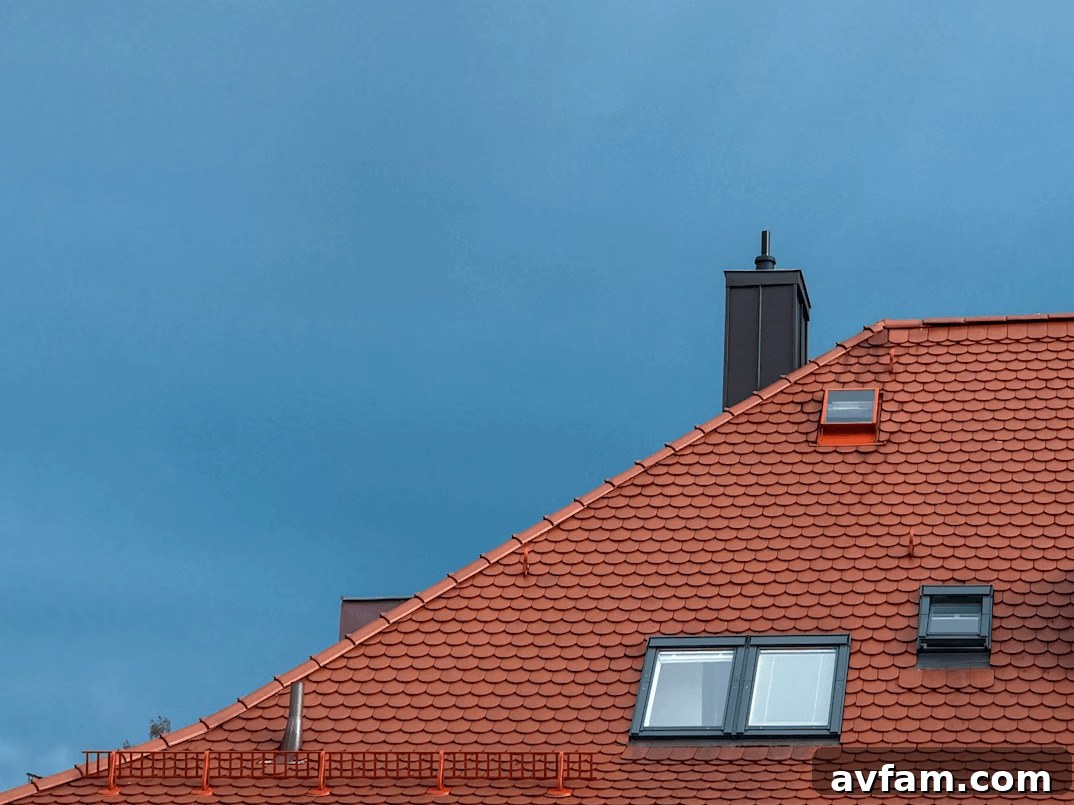
What remains after removing these unnecessary embellishments often looks strikingly cleaner, more elegant, and more integrated with the home’s core design. Straight lines, smooth finishes, and uncluttered surfaces draw the eye without distraction, creating a sense of calm and sophistication. This shift isn’t about rigidly adhering to a specific style like minimalism; rather, it’s about a pragmatic approach to design. It involves discerning which elements genuinely enhance the home’s architecture and which have simply become decorative relics that no longer serve a meaningful purpose. By stripping away visual clutter, homes can achieve a timeless appeal that emphasizes quality craftsmanship and thoughtful proportions, making them feel both contemporary and enduringly stylish.
Illuminating Your Home: Outdoor Lighting That Feels Natural
Outdoor lighting is a crucial yet frequently mishandled aspect of home exterior design. It’s common to see homes with either an overabundance of harsh, poorly placed lights or a scarcity of illumination in vital areas. Think of the glaring floodlight over a garage that creates strong shadows, the dimly lit pathway that becomes a trip hazard after dusk, or a front door that seems to vanish once the sun sets. Effective outdoor lighting, however, is an art form that transforms the home’s presence after dark, enhancing safety, security, and aesthetic appeal without drawing undue attention to the fixtures themselves.
When executed with intention and finesse, outdoor lighting becomes an integral part of the home’s ambiance, rather than a series of conspicuous spotlights. The goal is to create a layered lighting scheme that guides, highlights, and sets a mood. This might involve soft, welcoming sconces near the entry that provide just enough light for visibility without glare, subtle path lights that gently illuminate walkways, or discreet accent lights positioned to highlight architectural features or beautiful landscaping under the roofline. Strategic placement ensures that the lighting serves its purpose—whether it’s inviting guests, enhancing security, or showcasing your home’s best features—while seamlessly blending into the background. A well-lit home feels more secure, more inviting, and more complete, adding depth and character to its exterior long after daylight fades. It’s a relatively small investment that yields disproportionately large returns in terms of both functionality and visual impact, subtly changing the entire dynamic of your property.
Harmonious Blends: Mixing Materials for Depth and Character
Some of the most captivating home exteriors owe their unique charm to an artful, almost accidental, blend of materials. These are often homes that have evolved over time, perhaps with a section repaired in natural stone, an addition clad in warm wood, or a wall rendered in stucco while the rest retains its original brickwork. Such combinations often arise from necessity or incremental updates rather than a pre-conceived grand design statement. Yet, over years, these varied textures and tones coalesce to give the house an unparalleled sense of depth, history, and individuality.
This organic approach to material mixing often yields the most authentic and aesthetically pleasing results. A deliberate attempt to mix materials can sometimes appear forced or overly designed if it tries too hard to be unique. The secret lies in achieving a harmonious balance – introducing a small, intentional change in material, like adding a stone veneer accent or a cedar shake gable, without overpowering the existing structure. The aim is to create enough visual contrast to add interest and character, but not so much that the different materials clash or become the sole focus. When done thoughtfully, mixing materials can define different architectural zones, highlight unique features, and infuse a home with a rich, layered aesthetic that reflects its personality and story, making it truly stand out on the street for all the right reasons.
Beyond Utility: Garage Doors as a Key Design Element
For many homes, especially those with front-facing garages, the garage door commands a significant portion of the front elevation, often making it the largest single element visible from the street. Despite its prominent position, it’s frequently the last component considered during renovations and the least updated. An outdated garage door with a faded finish or a generic design can drastically detract from the home’s overall curb appeal, diminishing the look of even a meticulously maintained property. Its visual impact is undeniable, acting as a canvas that can either enhance or detract from the entire facade.
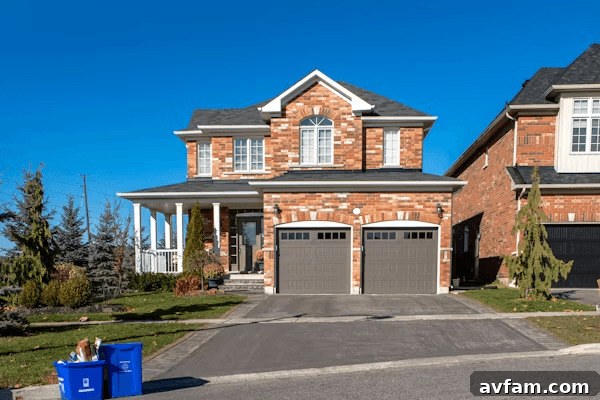
Thankfully, contemporary garage door designs offer a wealth of options that allow this expansive feature to become an integral and stylish part of the home’s architecture. Modern styles boast cleaner profiles, superior finishes, and a vast spectrum of colors that can be specifically chosen to complement the existing color palette of the house, rather than merely defaulting to a standard white or beige. From sleek, minimalist full-view glass panels that bring a contemporary edge, to classic carriage house designs that evoke traditional charm, or robust steel doors with wood-grain finishes, there’s a design to suit every architectural style. Beyond aesthetics, modern garage doors often include enhanced insulation, improving energy efficiency and comfort within the garage and adjacent living spaces. While replacing a garage door might seem like a straightforward upgrade, its ability to dramatically transform the visual appeal of a home’s exterior is profound, making it one of the most visible and impactful improvements you can make.
Evolving Beauty: Landscaping That Grows with Your Home
Front gardens and yard designs rarely undergo a complete, single-event overhaul. Instead, they typically evolve through a series of subtle, ongoing adjustments. A dying plant is replaced, a flower bed is tidied, or an overgrown shrub is finally removed to make way for something more suitable. These seemingly small, incremental changes, when accumulated over several years, collectively shape the entire aesthetic of the property as perceived from the street. Landscaping is a living, breathing component of your home’s exterior, offering dynamic beauty that matures and changes with the seasons and over time.
There’s also been a significant and welcome shift away from high-maintenance landscaping schemes that demand constant attention to look good. The trend now favors simpler planting designs, utilizing tougher, more resilient, and often native species that require less frequent watering, pruning, and overall care. This includes incorporating drought-tolerant plants, focusing on perennial beds, and integrating hardscaping elements like elegant pathways, raised planters, or decorative stone accents that provide structure year-round. The result is a garden that maintains its neatness, beauty, and charm throughout the year without becoming an overwhelming project by midsummer. This sustainable approach to landscaping not only conserves resources and reduces effort but also ensures that your home’s exterior remains a vibrant and welcoming feature, enhancing its curb appeal and providing a tranquil retreat with minimal upkeep.
Seamless Integration: Energy-Efficient Features That Blend In
The decision to upgrade to energy-efficient features often stems from practical considerations rather than purely aesthetic ones. Soaring utility bills, an aging HVAC system nearing the end of its life, or a major renovation project can all present opportune moments to invest in energy-saving solutions. These upgrades typically include the installation of solar panels, enhanced insulation in walls and attics, and improved glazing for windows and doors. While the primary drivers are often cost savings and environmental responsibility, what’s truly transformative is how these modern features now integrate seamlessly into a home’s exterior design.
The days when energy-efficient installations looked like clunky additions are long gone. Modern solar panels, for instance, are designed with lower profiles and sleek, dark finishes, sitting closer to the roofline to minimize their visual impact. High-performance windows come in a variety of frame materials and colors that can be perfectly matched to existing architectural styles, featuring advanced low-emissivity (Low-E) glass and multi-pane construction that drastically improves thermal performance without sacrificing visual appeal. Similarly, enhanced insulation, while unseen, contributes to a more comfortable and efficient home, reducing heating and cooling costs year-round. The beauty of these contemporary energy upgrades is their ability to deliver significant benefits without making the house look like it’s been awkwardly retrofitted. Instead, the home simply appears updated, more polished, and responsibly modern, enhancing its overall value and appeal while significantly reducing its environmental footprint and operating expenses.
Invisible Guardians: Smart Features That Remain in the Background
In our increasingly connected world, smart home features have rapidly evolved from futuristic gadgets to ubiquitous necessities, effortlessly blending into the residential landscape. Devices such as outdoor security cameras, smart locks, and video doorbells have become so commonplace that they often go unnoticed, which is precisely by design. Early iterations of these technologies were frequently bulky, conspicuous, and sometimes disruptive to a home’s aesthetic. However, contemporary versions boast vastly improved designs, offering smaller footprints, sleeker finishes, and more versatile mounting options.
The emphasis now is on discreet integration, ensuring that these smart features enhance a home’s security and convenience without dominating its architectural character. When strategically placed, a compact security camera tucks neatly under an eave, a smart lock complements the existing door hardware, and a video doorbell integrates cleanly into the door frame or adjacent wall. They are designed to perform their functions flawlessly—providing peace of mind, remote access, and enhanced monitoring—without drawing unnecessary attention to themselves. This seamless incorporation means that homeowners can enjoy the benefits of cutting-edge technology without compromising the visual harmony and curb appeal of their exterior. These “invisible guardians” simply exist in the background, making life safer and more convenient, reflecting a sophisticated balance of form and function in modern home design.
The evolution of a home’s exterior is much like any other enduring change—a gradual accumulation of small, often seemingly minor, decisions. A necessary repair can spark an opportunity for an upgrade. That upgrade, in turn, might make an adjacent element appear dated or out of place. Addressing that new discrepancy then leads to another thoughtful update, and slowly but surely, the house begins to reflect a more cohesive, intentional, and well-considered vision. It’s an ongoing process of refinement, where each improvement contributes to a greater whole, enhancing both beauty and functionality.
No singular trend dictates this transformation. Instead, it’s shaped by an organic accumulation of choices that honor the home’s inherent character and architectural style, working with its existing charm rather than against it. These deliberate, step-by-step enhancements ultimately culminate in an exterior that is not only visually appealing and functional but also a true reflection of meticulous care and timeless design, significantly boosting its curb appeal and long-term value.