
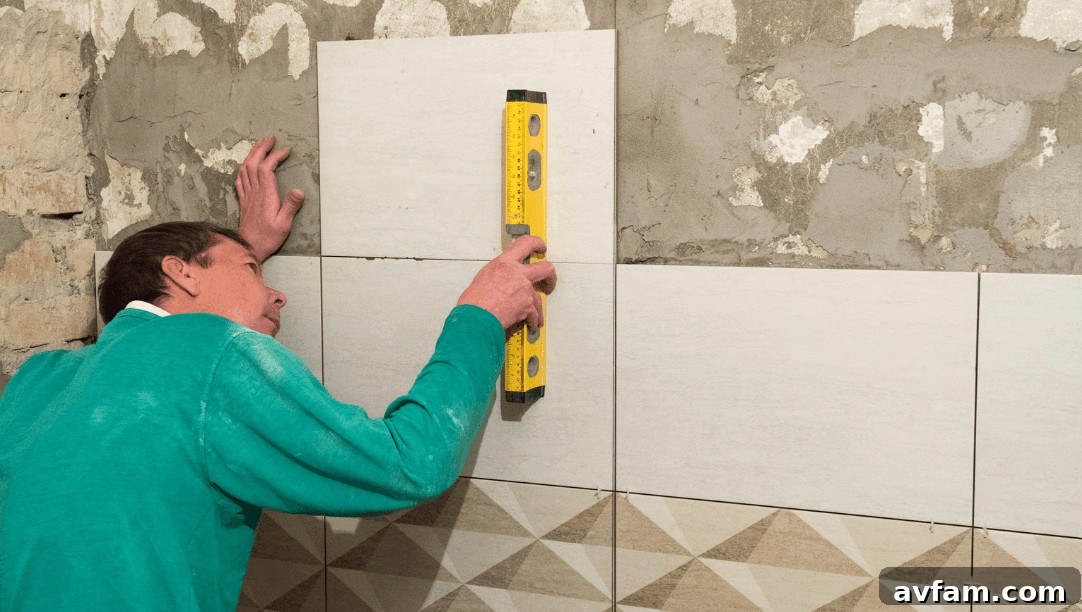
A tile can look identical in a showroom and on a pallet, yet a few years after installation you may notice cracks at the joints or a hollow sound when walking on the floor. More often than not, these problems are caused by the installation, not the tile itself. Before you hire a tile installer, consider the following points to protect your investment and ensure a lasting result.
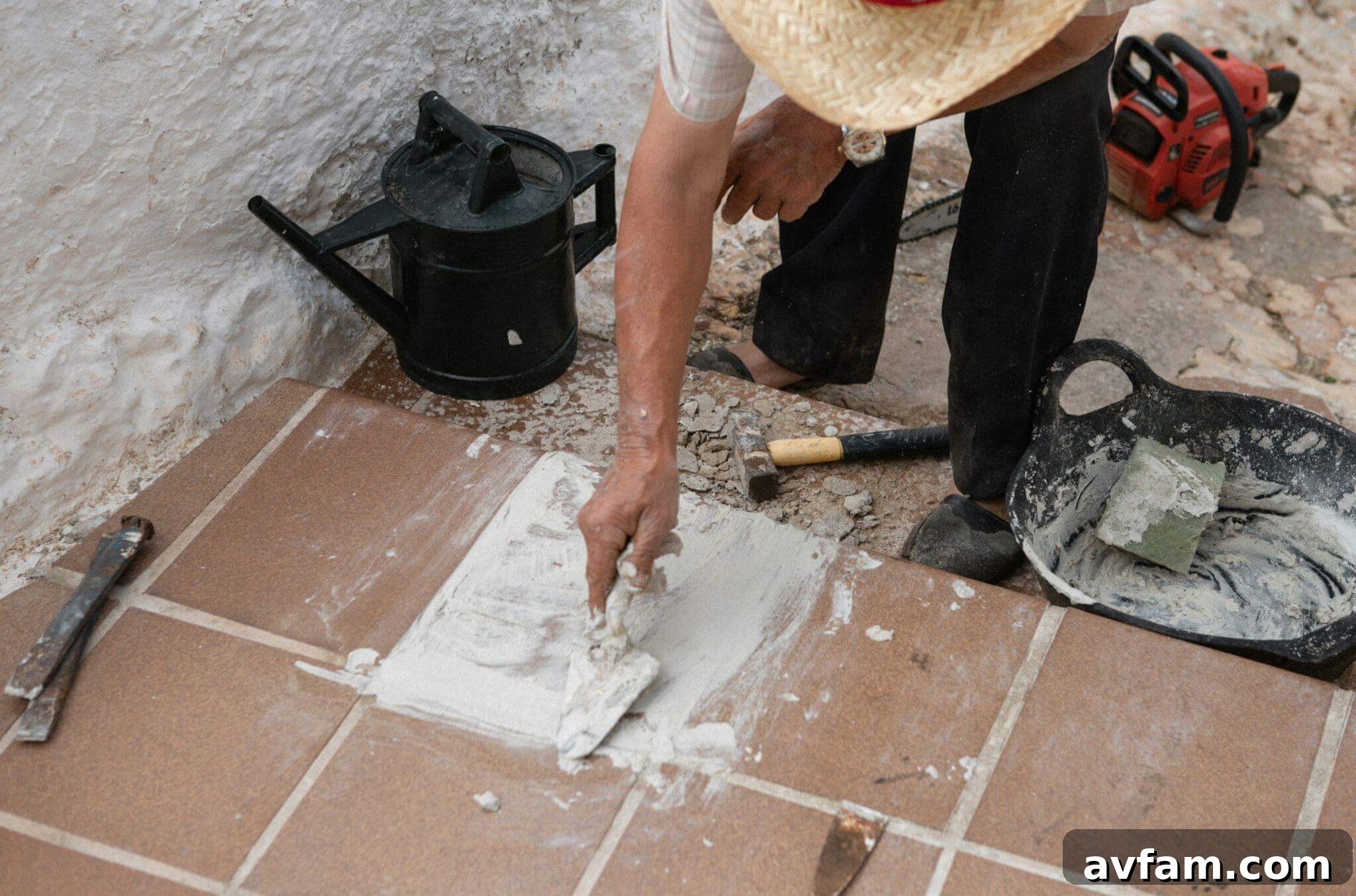
Key Qualifications and Certifications to Look For in a Tile Contractor
In the United States, tile installation is not regulated by a single federal license, so virtually anyone can offer the service. That makes industry certifications an important way to distinguish competent installers. The Ceramic Tile Education Foundation’s Certified Tile Installer (CTI) program, running since 2008, tests real skills against current industry standards rather than relying on years of experience alone.
The CTI exam includes a written test and a hands-on practical evaluation overseen by certified evaluators; candidates must score at least 85% to pass. Advanced certifications for tile installers are available to CTI holders or graduates of certain union apprenticeship programs, and these advanced modules cover large-format tile, mud beds, and shower pans.
Also check for company membership in the National Tile Contractors Association and a Five-Star Contractor rating. Credentials don’t guarantee perfection, but they do indicate that a contractor follows current practices rather than relying on outdated methods.
Essential Questions to Ask Before Signing an Installation Agreement
Asking clear, specific questions forces the installer to explain how they plan to approach your project, not just how well they can sell it. Before signing a contract, clarify these items:
- Which TCNA Handbook installation method will be used for your particular substrate;
- How shower waterproofing will be handled and which waterproofing system will be used;
- Who will perform the work on-site — the contractor or subcontracted crew;
- How the price will change if a sagging or damaged subfloor is uncovered beneath the existing covering.
The first question is particularly revealing: a knowledgeable installer will reference the TCNA method number without hesitation. Material choices also matter: tiles for a bathroom, a heated floor, or an outdoor patio have different requirements. Reviewing guidance on selecting outdoor tiles, for example, can prevent costly redo work after a single season.
Understanding Project Estimates, Cost Factors, and Material Standards
Tile project estimates rarely translate to a single price per square foot. According to Angi data, labor typically ranges from about $3 to $15 per square foot, with hourly rates around $60–$120. The final cost depends on many factors beyond simple area calculations.
Industry standards provide measurable benchmarks for evaluating workmanship. For example, ANSI A108 defines acceptable lippage between adjacent tiles: for joints between 1/16 and 1/4 inch wide, maximum lippage is 1/32 inch, roughly the thickness of a credit card.
| Line item | Why it appears | Effect on the bid |
| Substrate flattening | Old slabs rarely meet tolerance | May require an extra prep day before setting |
| Adhesive removal | Carpet and vinyl leave old glue behind | Grinding or scraping billed separately |
| Waste allowance | Cuts and breakage during setting | Typically 10% waste on straight lay; more for patterns like herringbone |
| Movement joints | Large floors expand and contract | Requires sealant work and careful layout planning |
| Debris disposal | Demolition generates a lot of waste | Haul-away or dumpster fee on the final invoice |
These line items often appear only after demolition. A contractor who discusses them up front helps avoid surprises. Choosing the lowest bid can be tempting, but small savings per square foot often mean omitted waterproofing, inadequate leveling, or other shortcuts that reduce the longevity of the installation.
Sourcing Experienced Craftspeople and Connecting with Professionals Seeking Tile Jobs
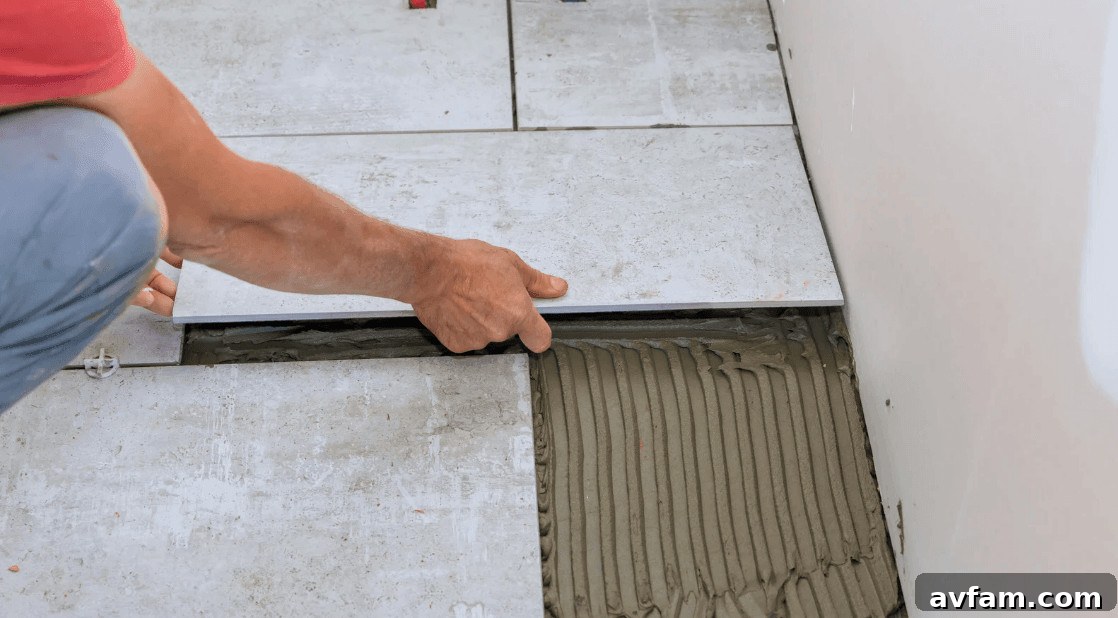
Finding an available installer can be harder than choosing tile, especially in peak season. Job boards reveal local market conditions: many listings for “tile jobs” signal a tight labor market and can explain longer lead times and higher prices. National statistics also help set expectations for availability and wages.
Tools on hiring platforms can help contractors recruit and scale their crews, while providing homeowners insight into local labor supply. Many services aggregate job postings, offer resume and salary data, and provide seasonal hiring trends that influence project timelines.
Red Flags to Avoid During the Hiring Process to Protect Your Remodeling Investment
Certain warning signs appear long before work begins. Demanding full payment in cash up front, refusing to provide a written contract, and avoiding disclosure of the waterproofing system are classic red flags. So is a willingness to install tile directly over an old covering without inspecting the substrate, or promising to complete a bathroom in an unrealistically short time.
Ask for time to take measurements and check screed moisture; an installer who insists on these steps is protecting your renovation. Also verify insurance and any state licensing required in your area — lack of coverage can leave you financially responsible if a leak causes damage to others. Finally, request addresses of completed projects and inspect the work in person, paying special attention to joints and internal corners.
What Actually Protects Your Floor
The best protection for your floor comes from focusing on standards, substrate preparation, and proper waterproofing rather than relying solely on reviews or price. Certifications, a detailed estimate, and the ability to view finished projects are stronger indicators of quality than star ratings alone. Well-installed tile can outlast the room it sits in, so invest time in vetting the installer and confirming they follow current industry practices.