

When I embarked on the journey to make my home more energy-efficient, I was genuinely amazed by the transformative impact technology has had on how we heat our living spaces. Not so long ago, a thermostat capable of scheduling heating cycles was considered cutting-edge. Today, however, innovation has propelled us far beyond that simple convenience, presenting a myriad of sophisticated options for modern home heating. This rapid evolution means that homeowners now have an unprecedented array of choices, each promising enhanced comfort, significant savings, and a reduced environmental footprint.
The Paradigm Shift from Conventional Home Heating Systems
For generations, traditional heating systems, predominantly reliant on natural gas or oil furnaces and boilers, were the standard in most households. I, like many, grew up in a home warmed by a gas furnace. While it certainly kept us cozy during colder months, its efficiency was far from optimal, and its environmental implications were largely overlooked. It wasn’t until I began considering heating solutions for my own property that I truly grasped the expansive landscape of alternatives now readily available.
Beyond the undeniable drive for greater energy efficiency, pressing environmental concerns have emerged as a significant catalyst for this transition. A growing awareness of climate change and the urgent need to reduce carbon emissions are leading more families to actively seek out and adopt heating systems that align with sustainable living principles. This societal shift towards eco-consciousness has been powerfully supported by governmental incentives. Programs offering rebates, tax credits, and grants for the adoption of eco-friendly heating solutions have played a crucial role in making these advanced, often initially more expensive, systems financially accessible to the average homeowner, thereby accelerating the move away from fossil fuel dependency.
Navigating the complexities of these new heating technologies can be daunting. Therefore, consulting with experienced local HVAC contractors, such as King Heating in Chicago, is invaluable. These experts possess deep knowledge of the latest heating innovations and can offer personalized guidance. They can meticulously assess your home’s unique thermal needs, structural characteristics, and budget, ensuring a tailored recommendation that makes the transition to a modern, energy-efficient heating system as smooth and beneficial as possible. Their expertise ensures that homeowners make informed decisions that optimize comfort and long-term savings.

Heat Pumps: Unlocking Peak Energy Efficiency and Dual Comfort
Among the most compelling advancements in home heating, heat pumps have captivated my interest due to their remarkable efficiency. Unlike traditional systems that generate heat by burning fuel, heat pumps simply move existing thermal energy from one location to another. In winter, for instance, an air-source heat pump efficiently extracts warmth from the ambient outside air—even when temperatures dip considerably below freezing—and transfers it into your home. This process is significantly more energy-efficient than converting fuel directly into heat. The same system can reverse its operation in summer, pulling heat from inside your home and releasing it outdoors, effectively providing highly efficient cooling. This dual heating and cooling capability makes heat pumps a versatile, year-round climate control solution for many homeowners.
Heat pumps come in various configurations, including air-source, geothermal, and water-source models, each suited to different environments and needs. Air-source heat pumps are the most common and widely applicable, offering a cost-effective way to transition to cleaner energy. Their ability to deliver both heating and cooling from a single unit not only simplifies HVAC infrastructure but also leads to substantial energy bill reductions, often by 30-70% compared to conventional systems. Furthermore, their operation contributes to a significant reduction in carbon emissions, making them a cornerstone of sustainable home heating strategies. Many governmental and local utility incentives are available for heat pump installations, further enhancing their financial appeal and accelerating their adoption across residential sectors.
Underfloor Heating: The Epitome of Radiant Comfort
One of the first and most impactful changes I made to my own home was installing underfloor heating. This proved to be an absolute game-changer, particularly during the colder months. Imagine stepping out of bed on a chilly winter morning, not onto an icy floor, but onto a surface that is perfectly warm and inviting. This consistent, gentle warmth eliminates cold spots and drafts, creating an unparalleled level of comfort throughout the entire room. Unlike forced-air systems that blast hot air from vents, underfloor heating, or radiant floor heating, distributes warmth evenly from the ground up, enveloping occupants in a soothing, comfortable environment.
Underfloor heating systems typically come in two main types: hydronic (water-based) and electric. Hydronic systems circulate warm water through a network of pipes laid beneath the floor, often heated by a boiler or a heat pump, making them ideal for whole-house installations and larger areas due to their exceptional energy efficiency. Electric systems, conversely, use electric heating cables or mats and are often preferred for smaller spaces like bathrooms or for renovation projects where ease of installation is a priority. Beyond the luxurious comfort, radiant floor heating offers several other advantages: it is completely silent, operates without blowing dust or allergens around, contributing to better indoor air quality, and frees up wall space by eliminating the need for radiators or vents. While the initial installation can be more involved than traditional systems, the long-term benefits in terms of comfort, aesthetics, and potential energy savings make it a highly desirable modern heating solution.
Geothermal Heating: Tapping into Earth’s Consistent Energy Reservoir
Another fascinating and incredibly efficient heating option is geothermal heating. This sophisticated system leverages the Earth’s remarkably consistent underground temperatures to regulate indoor climates. Below a certain depth, the ground maintains a stable temperature year-round, regardless of surface air conditions. Geothermal systems capitalize on this natural phenomenon by circulating a fluid through a closed loop of pipes buried in the ground. This fluid absorbs heat from the Earth in winter and carries it into your home, and in summer, it reverses the process, extracting heat from your home and dissipating it into the cooler ground. Although I haven’t personally installed one, a close friend who made the investment has consistently praised its cost-effectiveness and significant environmental benefits.
While the upfront installation cost for a geothermal system can be considerably higher due to the excavation required for the ground loops, the long-term savings on energy bills are substantial and, for many, well worth the initial outlay. Geothermal heat pumps are among the most energy-efficient heating and cooling systems available, often achieving efficiencies of 300-500%. This translates to significantly reduced operating costs and a rapid return on investment over the system’s lifespan. Moreover, geothermal systems are renowned for their exceptional durability and remarkably low maintenance requirements once installed. The underground components can last for 50 years or more, while the indoor components typically last 20-25 years, often outperforming and outlasting conventional HVAC systems. This inherent reliability offers homeowners unparalleled peace of mind, minimizing the time and expense associated with repairs and replacements and firmly establishing geothermal as a leading choice for sustainable, long-term home heating and cooling.
Smart Thermostats: The Intelligent Command Center for Home Comfort
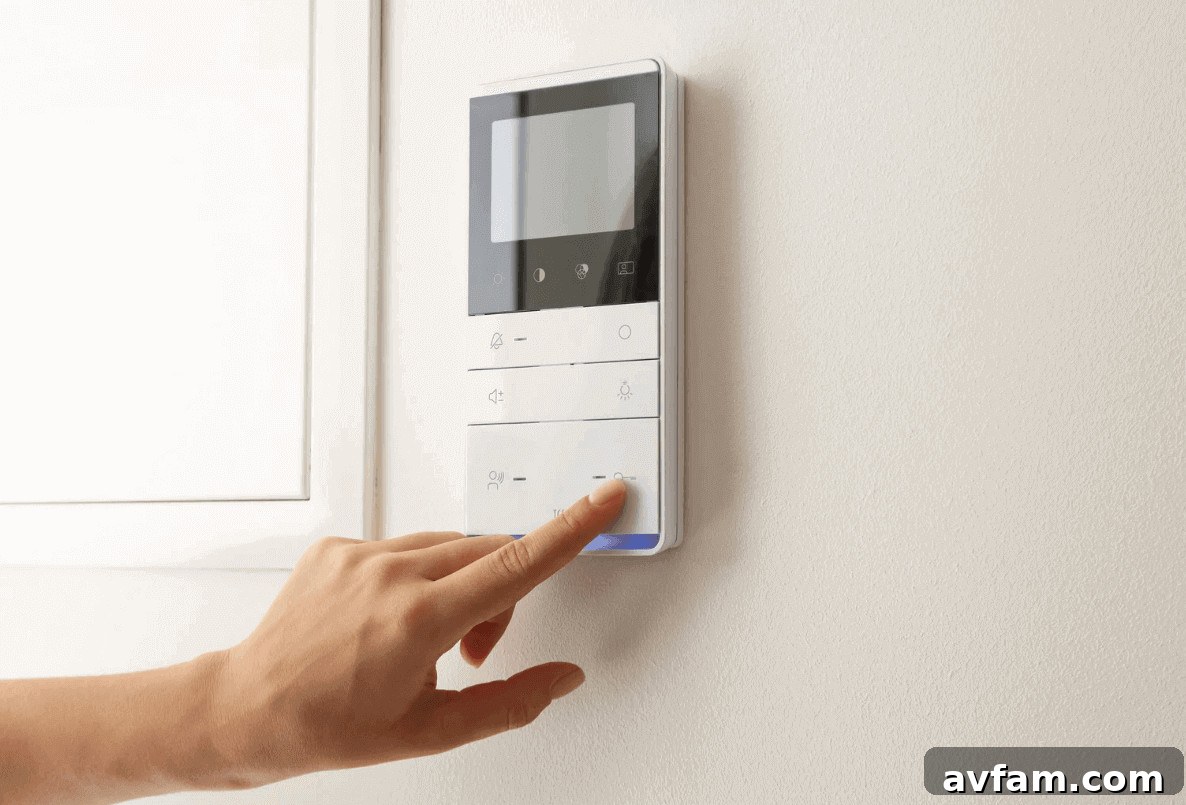
A smart thermostat has long been a coveted item on my home improvement wishlist. While I have yet to install one, the impressive suite of features and benefits they offer makes them an essential component of any modern, energy-efficient home heating strategy. These intelligent devices go far beyond simple temperature control; they are designed to learn your household’s heating and cooling preferences, adapt to your daily routines, and optimize energy consumption autonomously. Many models can even detect when occupants are home or away, automatically adjusting temperatures to save energy without sacrificing comfort. My friend, who recently upgraded to a smart thermostat, raves about its convenience, particularly her ability to remotely adjust the heating or cooling from her smartphone before she even arrives home, ensuring a perfectly comfortable environment upon entry.
Beyond remote access and learning capabilities, smart thermostats frequently incorporate advanced features that significantly enhance their appeal and functionality. These often include seamless integration with popular voice assistants like Amazon Alexa or Google Home, allowing for hands-free temperature adjustments. Crucially, many smart thermostats provide detailed energy usage reports and insights, empowering homeowners to meticulously monitor their consumption patterns. This data-driven approach not only helps identify areas for further optimization but also fosters a deeper understanding of energy efficiency. Some advanced models can even integrate with local weather forecasts to pre-heat or pre-cool your home more efficiently, or connect to utility company demand-response programs, saving you money during peak energy periods. By offering unparalleled control, convenience, and actionable data, smart thermostats are indispensable tools for managing home comfort and maximizing energy savings in the 21st century.
Exploring Solar Power for Home Heating: Harnessing the Sun’s Abundant Energy
My fascination with solar energy has always been strong, and utilizing it for home heating is no longer a futuristic concept but a tangible, increasingly popular reality. Solar thermal systems specifically harness the sun’s radiant energy to directly heat water or air, which can then be used to warm your home and provide domestic hot water. Unlike photovoltaic (PV) solar panels that convert sunlight into electricity, solar thermal collectors are designed to absorb solar radiation and convert it into thermal energy, making them exceptionally efficient for heating applications.
These systems typically consist of solar collectors, which are often mounted on rooftops, a storage tank for the heated fluid, and a heat exchanger. As sunlight strikes the collectors, a heat-transfer fluid (usually water or a water-glycol mixture) inside the collectors heats up. This hot fluid then flows through a heat exchanger, transferring its thermal energy to your home’s water supply or heating system. This method is particularly advantageous for homeowners residing in sunny regions, offering a robust pathway to significantly reduce reliance on conventional fossil fuels for heating. By generating heat directly from an inexhaustible, zero-emission source, solar thermal systems not only contribute to substantial long-term energy savings but also dramatically shrink a household’s carbon footprint. While initial installation costs can be a consideration, numerous government incentives and the long-term benefit of free energy make solar thermal an attractive and increasingly viable option for achieving greater energy independence and sustainability.
The Future is Now: Integrating Advanced Heating Solutions for Ultimate Efficiency
The journey towards an energy-efficient home is increasingly defined by the intelligent integration of these advanced heating technologies. Imagine a home where a high-efficiency heat pump provides both heating and cooling, powered partially by a rooftop solar thermal system, with every aspect precisely managed by an AI-driven smart thermostat that learns your preferences and optimizes energy use based on occupancy and real-time weather data. This holistic approach represents the pinnacle of modern home heating, offering unparalleled comfort, drastically reduced energy bills, and a near-zero environmental impact.
The synergy between these systems allows for a level of efficiency and control that was unimaginable just a decade ago. For example, a smart thermostat can communicate with your heat pump to pre-heat your home during off-peak electricity hours or utilize excess solar energy generated during the day. This integrated ecosystem not only maximizes energy savings but also provides homeowners with detailed insights into their energy consumption, empowering them to make even smarter decisions. As technology continues to advance, we can anticipate even greater levels of automation, predictive intelligence, and grid interactivity, paving the way for truly net-zero energy homes that are both highly comfortable and environmentally responsible. Investing in these interconnected systems is not just an upgrade; it’s a strategic move towards a sustainable and financially prudent future.
Concluding Thoughts on Modernizing Home Heating
The rapid evolution of home heating technology has ushered in an era of exciting and impactful changes, offering sustainable, efficient, and intelligent options that were merely conceptual a few years prior. My personal exploration and experiences with these new heating solutions serve as a powerful testament to their profound role in shaping a greener, more efficient, and ultimately more comfortable future for our homes. While the initial investment for some of these cutting-edge systems might appear substantial, the long-term energy savings, enhanced comfort, and positive environmental impact they deliver are unequivocally undeniable and typically result in a favourable return on investment.
Whether it’s the transformative comfort of underfloor heating, the year-round efficiency of a heat pump, the deep-earth reliability of geothermal technology, the intelligent control offered by a smart thermostat, or the sun-powered sustainability of solar thermal systems, exploring these options is a truly transformative step for any homeowner. As we continue to face the challenges of energy costs and climate change, embracing these next-generation heating solutions is not just a smart choice for personal comfort and finances, but a vital contribution to a more sustainable planet. I am eagerly anticipating how these innovative technologies will continue to evolve, making our homes even more efficient, responsive, and environmentally friendly in the years to come.