
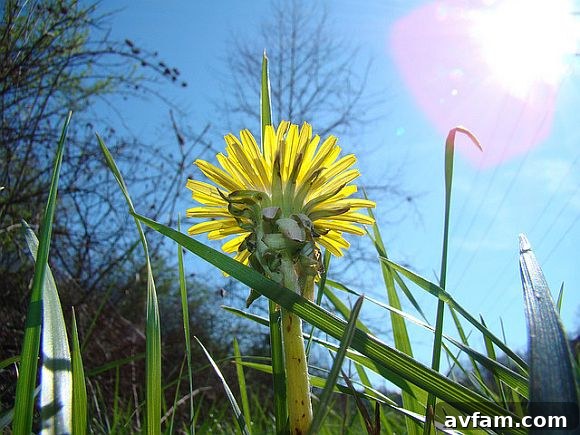
The bright, cheerful dandelions that adorn countless lawns and fields often hold a special place in childhood memories. Their sunny disposition belies their true nature, which, to many gardeners, is nothing short of a persistent nuisance. It’s a universal truth for anyone who tends a garden or a lawn: weeds are the uninvited guests that disrupt carefully curated landscapes, stealing nutrients, water, and sunlight from beloved plants. The battle against these tenacious invaders can feel endless, leading many to reach for chemical solutions. However, for those seeking more eco-conscious, sustainable, or simply alternative methods, a wealth of effective strategies exists. This guide explores a range of innovative and proven techniques to help you reclaim your garden and maintain its pristine beauty without always resorting to harsh chemicals.
The Perennial Battle Against Weeds: Sustainable Solutions for a Beautiful Garden
While the immediate gratification of a potent weed killer might be tempting, exploring natural and DIY alternatives offers numerous benefits. These methods often pose less risk to your family, pets, and the beneficial insects and microorganisms crucial for a healthy ecosystem. Moreover, many of these solutions utilize common household items, making them cost-effective and readily accessible. Drawing inspiration from tried-and-true gardening wisdom and resourceful tips, we delve into practical approaches to weed control, ensuring your garden remains a sanctuary, not a battleground.
1. Baking Soda: The Pavement Protector
Baking soda, a staple in kitchens worldwide, offers a surprising yet effective solution for weed control, particularly in those pesky cracks and crevices of driveways, sidewalks, and patios. Weeds thriving in these tight spaces can be incredibly stubborn, often breaking through concrete and asphalt. The magic of baking soda lies in its sodium content, which can alter the soil’s pH levels and create an inhospitable environment for young weeds. To apply this method, simply sprinkle a generous amount of baking soda directly onto the weeds and into the cracks. For best results, sweep it thoroughly into the gaps, ensuring it settles deep where weed roots reside. A light watering afterward can help dissolve it slightly and allow it to penetrate further. This method is most effective on young, tender weeds and works by dehydrating them and disrupting their growth cycle. It’s an ideal choice for targeting weeds in hardscape areas where soil health for other plants isn’t a concern, offering a non-toxic alternative to chemical herbicides for keeping your paved surfaces pristine.
2. Bleach: A Niche Solution for Concrete Cracks with Caution
Similar to baking soda, household bleach can be a surprisingly effective, albeit cautious, solution for eradicating weeds that sprout in sidewalk and driveway cracks. Its potent chemical composition makes it a formidable foe for unwanted plant growth. When considering bleach, it’s crucial to understand its limitations and potential risks. This method is strictly recommended for hardscape areas where there’s no risk of runoff into garden beds or exposure to desirable plants, as bleach can be harmful to soil and plant life. To use, carefully pour a small amount of undiluted bleach directly onto the targeted weeds, ensuring minimal contact with surrounding areas. The bleach acts quickly, often causing the weeds to wilt and die within a day. The residual effect of the bleach can also help deter new weed growth in those specific spots for a period. After the weeds have withered, they can be easily pulled out, leaving the cracks cleaner. Always wear gloves and eye protection when handling bleach, and ensure good ventilation. This is a targeted solution for tough crack weeds, not a general garden weed killer.
3. Physical Barriers: Shower Curtains and Beyond for Long-Term Weed Prevention
One of the most effective long-term strategies for weed control, especially when embarking on new landscaping projects, involves the use of physical barriers. These barriers prevent weed seeds from germinating and growing through your chosen landscaping materials like gravel, bark chips, or decorative stones. While specialized landscape fabric is readily available, resourceful gardeners can repurpose household items. An old shower curtain, for instance, can serve as an excellent, impermeable layer. Before spreading your mulch or aggregate, cover the prepared surface with the shower curtain, overlapping edges to prevent gaps. Cut X-shaped holes for any plants you wish to install. The curtain blocks sunlight from reaching weed seeds and physically obstructs their growth. Beyond shower curtains, other materials like thick layers of newspaper or cardboard can also be effective, offering the added benefit of eventually biodegrading and enriching the soil beneath. Implementing such a barrier not only saves countless hours of future weeding but also maintains the pristine appearance of your landscaped areas, making it a foundational step for any new garden bed or pathway construction.
4. Vodka: The Sun-Powered Weed Killer
Raise a glass, not just for yourself, but for your garden – particularly the weeds! A surprising ingredient in a DIY weed killer concoction is vodka. This method relies on the alcohol’s ability to strip away the protective waxy cuticle layer of plant leaves, leading to dehydration. For this sunny solution, Reader’s Digest suggests mixing one ounce of inexpensive vodka with a few drops of liquid dish soap and two cups of water in a spray bottle. The dish soap acts as a surfactant, helping the solution stick to the weed leaves, ensuring better absorption. Apply this mixture directly to the weeds on a hot, sunny day. The effectiveness of vodka as a weed killer is heavily dependent on direct sunlight; it essentially supercharges the dehydration process, causing the weeds to shrivel and die. It will not be effective on weeds growing in shady areas, as the sun’s intensity is crucial for its mechanism of action. This method is best suited for broadleaf weeds and small annuals that are fully exposed to the sun, offering a creative and chemical-free approach to targeting specific weeds in open, sunny garden patches.
5. WD-40: Targeting Tough Invaders with Precision
Known as a DIYer’s best friend for its lubricating and penetrating properties, WD-40 also possesses an unexpected talent: a swift, decisive blow against certain weeds. While not an organic solution, its targeted application can be highly effective for particularly stubborn or prickly weeds that are difficult to remove by hand, such as Russian thistle or other tenacious, woody invaders. The mechanism behind WD-40’s weed-killing ability is thought to be its petroleum-based solvents and oils, which can smother the plant, coating its leaves and stems and preventing it from breathing and photosynthesizing. To use this method, spray a thin, even coat of WD-40 directly onto the foliage of the targeted weed. Be extremely precise with your application, as WD-40 can harm desired plants. The weed should begin to wither and die rapidly, often within a day or two. This is an ideal solution for spot-treating individual, resilient weeds in areas where overspray isn’t an issue, offering a quick and efficient way to eliminate those truly challenging botanical adversaries without resorting to broadcast spraying of conventional herbicides.
Additional Eco-Friendly and Practical Weed Control Strategies
Beyond these innovative methods, a gardener’s arsenal for weed control includes several other time-tested and environmentally sound techniques:
Boiling Water: The Instant Annihilator
Perhaps the simplest and most readily available weed killer is boiling water. This method is incredibly effective for weeds growing in cracks, pathways, or isolated patches. The extreme heat instantly damages the plant cells, causing them to wilt and die. Simply boil a kettle of water and carefully pour it directly onto the unwanted weeds. This is particularly useful for weeds in paved areas, as it leaves no chemical residue. However, extreme caution must be exercised to avoid splashing and to ensure no desired plants or turf are inadvertently targeted, as boiling water is indiscriminate in its destructive power.
Horticultural Vinegar: Acidic Attack
While household white vinegar (5% acetic acid) can be used for young, tender weeds, horticultural vinegar (10-20% acetic acid) is a much more potent option for established weeds. The higher concentration of acetic acid quickly breaks down plant tissues, essentially burning the foliage. Mix horticultural vinegar with a small amount of dish soap (to help it stick to leaves) in a spray bottle. Apply on a sunny day for best results. Be very careful with application, as horticultural vinegar can harm any plant it touches and can alter soil pH. It’s best used for spot treatments and should not be used near desired plants or in areas where soil health is critical for future plantings.
Salt: The Soil Sterilizer (Use with Extreme Caution)
Like baking soda and bleach, salt is highly effective for weeds in non-garden areas like driveways and pathways. A strong salt solution (e.g., one cup of salt per two cups of hot water) can be sprayed onto weeds, or salt can be sprinkled directly into cracks. Salt works by dehydrating the plants and creating a soil environment that is toxic to most vegetation. However, salt has a long-lasting effect on soil fertility, making it difficult for anything to grow in the treated area for years. Therefore, its use should be limited to areas where you absolutely want no plant growth, and never near desirable garden plants or where runoff could affect them.
Manual Weeding and Effective Tools
Sometimes, the old-fashioned way is still the best. Hand-pulling weeds, especially when they are young and the soil is moist, is an incredibly effective and chemical-free method. Root weeds entirely to prevent regrowth. Investing in quality weeding tools, such as a sturdy hand weeder, a hoe, or a dandelion fork, can make the task much easier and more efficient. Regular patrols of your garden and prompt removal of weeds before they go to seed are crucial for long-term control.
Mulching for Prevention and Soil Health
A thick layer of organic mulch (like wood chips, straw, or compost) is a gardener’s best friend for weed prevention. Applied at a depth of 2-4 inches, mulch smothers weed seeds by blocking sunlight and inhibiting germination. It also helps retain soil moisture, regulate soil temperature, and, as it decomposes, enriches the soil. Mulch creates a beautiful, tidy appearance and significantly reduces the need for manual weeding. Common types include wood bark, shredded leaves, grass clippings, and compost. Ensure mulch is not piled directly against plant stems or tree trunks to prevent rot and pest issues.
Cultivating a Weed-Resistant Garden: Beyond Spot Treatments
While targeted solutions are excellent for existing weeds, the most effective long-term strategy involves cultivating a healthy, weed-resistant garden. This includes understanding your soil type, ensuring proper drainage, and choosing plants that are well-suited to your climate and conditions. A healthy lawn, for instance, with dense grass cover, is naturally more resistant to weed invasion. Regular monitoring, early intervention, and a consistent application of these diverse strategies will not only reduce your weed burden but also contribute to a more vibrant, sustainable, and enjoyable gardening experience. The goal isn’t just to kill weeds, but to create an environment where desirable plants thrive, making it difficult for invaders to take hold.
We hope these tips provide you with a comprehensive arsenal to wage a triumphant battle against your lawn and garden weeds. By adopting a multi-pronged approach that blends traditional wisdom with innovative hacks, you can achieve a beautiful, weed-free outdoor space without compromising on safety or sustainability. And if you have any additional tried-and-true weed-killing tips, we’d love to hear them and continue sharing the knowledge!
Photo: Flickr.com/jefgodesky