
The Resurgence of Meadows: Cultivating Sustainable Beauty Beyond the Lawn
The landscape of modern gardening and yard design is undergoing a significant transformation. For decades, the manicured lawn has been the quintessential symbol of suburban beauty, a verdant carpet demanding constant attention and resources. However, a recent Wall Street Journal article highlighted a burgeoning movement: the resurgence of meadows as a preferred landscape feature. This isn’t merely a fleeting trend; it represents a profound shift towards more sustainable, biodiverse, and ecologically harmonious outdoor spaces.
The allure of meadows is multifaceted, addressing critical environmental concerns while offering a unique aesthetic. Proponents enthusiastically cite numerous benefits, including significantly reduced water consumption, a more natural and authentic visual appeal, and a gentler footprint on the environment due to the drastic reduction or elimination of chemical fertilizers and pesticides. Beyond these practical advantages, meadows foster vibrant ecosystems, turning ordinary yards into thriving havens for local wildlife.
While the concept of replacing a lawn with a meadow might seem daunting, the process is straightforward, albeit requiring patience. Experts suggest that a newly planted meadow can take up to three years to become fully established and truly flourish. However, the long-term rewards—in terms of beauty, biodiversity, and reduced maintenance—far outweigh the initial investment of time and effort. This comprehensive guide will walk you through the essential steps to transform your lawn into a magnificent, sustainable meadow, enhancing both your property and the local ecosystem.
Why Choose a Meadow? Unpacking the Abundant Benefits
The decision to swap a traditional lawn for a sustainable meadow is often driven by a desire for a more environmentally responsible and less demanding landscape. Let’s delve deeper into the compelling reasons behind this growing popularity:
Environmental Advantages: Nurturing Our Planet
- Unprecedented Water Conservation: Traditional lawns are notoriously thirsty. They demand copious amounts of water, especially in dry climates or during summer months, contributing significantly to household water consumption and placing a strain on local water resources. Meadows, particularly those planted with native species, are inherently drought-tolerant once established. Their deep root systems allow them to access water far below the surface, dramatically reducing or even eliminating the need for supplemental irrigation, thus conserving precious water resources.
- Reduced Chemical Dependency: The quest for a pristine, weed-free lawn often leads to a reliance on synthetic fertilizers, herbicides, and pesticides. These chemicals can have detrimental effects, leaching into groundwater, harming beneficial insects and pollinators, and posing risks to pets and children. Meadows, by their very nature, thrive without such interventions. A healthy meadow ecosystem naturally suppresses weeds and resists pests, creating a chemical-free zone that is safe for all living things.
- Biodiversity Support and Pollinator Havens: Perhaps one of the most significant ecological contributions of meadows is their role in supporting biodiversity. Monoculture lawns offer little in the way of habitat or food for wildlife. In contrast, a diverse meadow provides a rich tapestry of native grasses and wildflowers, offering nectar, pollen, seeds, and shelter for a wide array of creatures. Bees, butterflies, moths, and other pollinators, critical to our food supply, thrive in meadow environments. Birds find food and nesting sites, and beneficial insects help maintain a natural balance, reducing the need for artificial pest control.
- Improved Soil Health and Carbon Sequestration: The dense root systems of meadow plants, especially native grasses, contribute to healthier soil. They break up compacted earth, improve drainage, and add organic matter, fostering a robust microbial community. Furthermore, these extensive root networks are highly effective at sequestering carbon from the atmosphere, helping to mitigate climate change—a vital ecological service rarely provided by shallow-rooted turfgrass.
- Reduced Noise and Air Pollution: The frequent mowing required by traditional lawns often involves gas-powered machinery, contributing to noise pollution and emitting greenhouse gases and other air pollutants. Meadows require significantly less mowing—typically just once a year after establishment—leading to a quieter, cleaner environment.
Aesthetic Appeal: Embracing Natural Beauty and Dynamic Landscapes
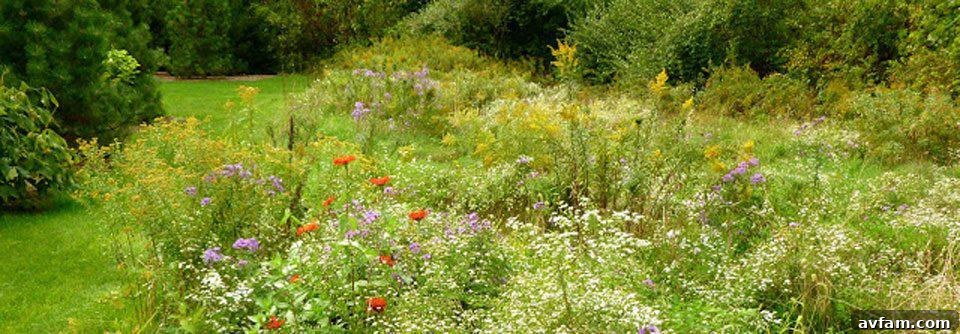
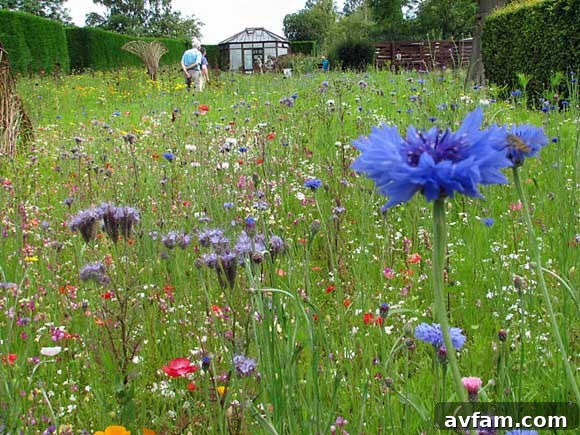
- Dynamic and Ever-Changing Landscape: Unlike the static appearance of a lawn, a meadow offers a vibrant, ever-evolving spectacle throughout the seasons. From the delicate greens of spring seedlings to the riot of summer wildflowers, the subtle hues of autumn grasses, and the sculptural forms of winter seed heads, a meadow provides continuous visual interest and a deeper connection to natural cycles. Its beauty shifts with the light and the seasons, offering an endlessly engaging view.
- Unique Sense of Place: By utilizing native plants, a meadow can beautifully reflect the natural ecology of your region. It creates a landscape that truly belongs, harmonizing with the surrounding environment and offering a distinct sense of place that a generic lawn cannot. It connects your property to the broader natural world.
- Softening Hardscapes: Meadows can effectively soften the edges of buildings, patios, and pathways, integrating built structures more seamlessly into the natural landscape and creating a harmonious blend of the wild and the cultivated.
Economic and Lifestyle Benefits: Smart and Simple Living
- Significantly Lower Maintenance Costs: Over time, the cost savings of a meadow are substantial. Reduced water bills, no need for expensive chemical fertilizers or pesticides, and minimal mowing translate directly into less money spent on yard upkeep. This frees up financial resources for other priorities.
- More Time for Enjoyment: The most precious commodity, time, is often consumed by endless lawn care tasks. Converting to a meadow frees up countless hours previously spent mowing, watering, weeding, and fertilizing, allowing you more time to simply relax, entertain, and enjoy your outdoor space.
- Increased Property Value (in many markets): As sustainability becomes a more sought-after feature and homeowners prioritize eco-conscious living, a well-designed and established meadow can actually enhance property value, appealing to a growing segment of environmentally aware buyers.
The Journey to a Thriving Meadow: A Step-by-Step Guide
Creating a meadow is a process that unfolds over several seasons, but with careful planning and consistent effort in the initial stages, you can establish a stunning and resilient landscape. Here’s how to do it, based on expert advice:
Understanding the Timeline: Patience is Key
As Neil Diboll, president of Prairie Nursery, and other experts emphasize, a meadow takes time to mature. Do not expect instant results. The “up to three years” for full establishment is a crucial piece of information that helps manage expectations and guides maintenance strategies:
- Year One: The Establishment Phase: This is primarily about getting seeds to germinate, young plants to root, and controlling aggressive annual weeds. The meadow will look sparse, and you will likely need to mow or “whack” frequently to suppress weeds. This initial care is vital for the long-term success of your meadow.
- Year Two: The Transition Phase: Perennial grasses and wildflowers begin to establish deeper root systems and grow more vigorously. You’ll see more bloom, but perennial weeds might still be a challenge. Growth will be denser, and the meadow will start to take on its intended character.
- Year Three and Beyond: The Flourishing Phase: The meadow should be largely established, requiring minimal maintenance. Native plants will dominate, providing a robust, beautiful, and ecologically rich environment that thrives with minimal intervention.
Step 1: Preparing Your Site – Removing the Old Lawn
The first and arguably most critical step is to eliminate existing turfgrass and any persistent weeds. A clean slate is essential for meadow seeds or plugs to thrive without intense competition for light, water, and nutrients.
Method A: Chemical Eradication (Fast but with Environmental Considerations)
If time is of the essence and you are comfortable with chemical applications, this method can clear the site relatively quickly. Apply a non-selective herbicide, such as glyphosate, once in the fall and again in the spring. This two-stage application is effective because it targets both actively growing grass in the fall and any new growth or dormant seeds that emerge in the spring. Always follow product instructions meticulously for safety and effectiveness, and be aware of the potential environmental impact of herbicides on surrounding areas and non-target organisms. Consider this option carefully.
Method B: Non-Chemical Smothering (Organic and Eco-Friendly)
For an organic and environmentally friendly approach, the “smothering” or “sheet mulching” method is highly effective, though it requires more patience. As Neil Diboll advises, you can smother your existing lawn by laying down overlapping layers of cardboard directly over the turf. Ensure all seams overlap by at least 6-8 inches to prevent light from reaching the grass below. Then, cover the cardboard with several inches of organic mulch (e.g., wood chips, leaves, straw). This deprives the existing grass and weeds of light and oxygen, causing them to decompose over time, enriching the soil in the process. The primary drawback is the waiting period, typically a full year, to allow the lawn to fully decompose and create a viable planting bed. Other organic methods include solarization (covering with clear plastic in hot sun) for several weeks, or repeated hand-digging for smaller areas.
Crucial Warning: Do Not Till or Rake Deeply
Regardless of the removal method chosen, it is paramount not to till or aggressively rake the soil. Tilling brings dormant weed seeds from deeper in the soil profile to the surface, where they can readily germinate when exposed to light and moisture. This will create a far greater weed problem than you started with, making meadow establishment significantly more challenging and labor-intensive. Lightly disturbing the very top layer (e.g., with a hand rake) after smothering or herbicide application is acceptable if needed to prepare for seeding, but avoid deep soil disturbance at all costs.
Step 2: Understanding Your Soil and Local Climate
Before selecting any plants, you must understand your site’s specific conditions. This foundational knowledge is key to choosing the right species that will thrive naturally and require minimal ongoing intervention.
- Soil Analysis: Conduct a soil test to determine its pH, nutrient levels, and composition (e.g., sandy, loamy, clay). This will inform your plant choices and help identify if any minor amendments are needed (though meadows generally prefer leaner soils, as rich soils can encourage weeds).
- Sunlight Exposure: Observe how much direct sunlight your site receives throughout the day. Most meadow plants require full sun (at least 6 hours daily) to flourish and bloom abundantly. Map out sunny and shady areas.
- Drainage: Assess the drainage characteristics of your soil. Some plants prefer moist conditions, while others require well-drained soil to prevent root rot. Standing water or excessively dry patches will influence your plant palette.
- Local Expertise: Crucially, consult a local native plant nursery or extension office. They can provide invaluable advice on what native grasses and wildflowers grow best in your specific climate zone and soil type, considering factors like average rainfall, frost dates, and common pest pressures. They can also recommend species that are truly local, enhancing the ecological benefit and authenticity of your meadow.
Step 3: Selecting Your Meadow Mix – The Right Plants for the Job
The success and beauty of your meadow hinge on thoughtful plant selection. A diverse mix ensures a resilient, ecologically rich, and visually appealing landscape that will evolve gracefully through the seasons.
- Aim for a 50-50 Grass-to-Flower Mix: This ratio, often recommended by experts, provides the best balance. Native grasses offer structural integrity, soil stabilization, and year-round interest, especially in winter when seed heads provide texture and food for birds. Wildflowers, on the other hand, provide vibrant color, attract a wide array of pollinators, and contribute to the meadow’s dynamic beauty. Some examples of beneficial native grasses include Little Bluestem, Indian Grass, and Switchgrass, while wildflowers like Purple Coneflower, Black-Eyed Susan, various Milkweed species, and native asters are excellent choices for their beauty and ecological value.
- Prioritize Native Species: Always choose plants native to your region. Native plants are perfectly adapted to local climate and soil conditions, require less care, and are essential for supporting local wildlife populations that have co-evolved with them. They form the backbone of a truly sustainable meadow.
- Consider Diversity in Bloom Times: Select a variety of wildflowers that bloom at different times throughout the growing season (spring, summer, fall). This ensures continuous visual appeal and, more importantly, provides a consistent food source for pollinators from early spring to late autumn, maximizing your meadow’s ecological impact.
- Include Structural Plants: Consider including a few taller, robust species that will provide architectural interest and vertical layers within your meadow, adding depth and complexity to the overall design.
- Reputable Seed/Plant Sources: Purchase seeds or plugs from reputable suppliers specializing in native plants and ecologically sourced materials. Quality seeds from trusted sources ensure better germination rates and species accuracy.
Step 4: The Planting Process – Seeds vs. Plugs
You have two primary options for planting your meadow, each with its own advantages and considerations regarding cost, labor, and establishment time:
Planting with Seeds
Seeds are generally the most cost-effective option, especially for larger areas, and they tend to produce a more natural, informal meadow look. However, they take longer to establish and require careful weed management in the initial stages.
- Timing: The best time to sow meadow seeds is typically in late fall (after the first hard frost but before heavy snow) or very early spring (as soon as the soil can be worked). Fall planting allows for natural cold stratification, which helps many native seeds germinate reliably in the spring, mimicking natural dispersal.
- Preparation: Lightly rake the prepared soil surface to create a fine seedbed and ensure good seed-to-soil contact. For larger areas, a seed spreader or even mixing seeds with sand or fine vermiculite can ensure more even distribution.
- Quantity: A general guideline is to use 10 to 20 pounds of seed per acre. For smaller residential areas, this translates to approximately 4 to 8 ounces per 1,000 square feet. It’s often better to err on the side of slightly more seed than too little, as some seeds may not germinate.
- Sowing: Broadcast the seeds evenly over the prepared area. After sowing, lightly rake the seeds into the top 1/8 to 1/4 inch of soil and then firm the soil with a roller or by walking over it. Good seed-to-soil contact is crucial for successful germination and root development.
- Initial Watering: Keep the seedbed consistently moist until germination occurs and seedlings are established, especially if planting in spring or during dry periods. This might require daily light watering for the first few weeks.
Planting with Plugs (Tiny Plants)
Plugs are small, young plants that can offer a faster establishment time and greater control over plant placement, making them ideal for smaller areas, specific design elements, or for introducing particular species that are difficult to grow from seed.
- Advantages: Plugs have a higher survival rate than seeds and can outcompete weeds more effectively in their initial stages, providing a quicker visual impact. They allow for precise placement for design purposes.
- Disadvantages: Plugs are more expensive and labor-intensive to plant, especially for large areas, making them less practical for expansive meadow projects.
- Technique: Plant plugs according to their recommended spacing (typically 6-12 inches apart, depending on species and desired density). Dig a small hole, place the plug with its root ball intact, and gently firm the soil around it to remove air pockets.
- Initial Care: Water plugs thoroughly immediately after planting and continue to provide supplemental water until their root systems are well-established and they show signs of new growth.
Step 5: Nurturing Your Meadow – Maintenance for Success
While meadows are celebrated for their low-maintenance nature, they are not “no-maintenance,” especially in their formative years. Proper early care is vital for long-term success and to ensure the desired meadow plants can outcompete aggressive weeds.
Year One Maintenance: Critical Weed Suppression
The first year is the most labor-intensive, primarily focused on managing weeds and encouraging the desired meadow plants. Consistent effort here pays dividends in subsequent years.
- Mowing or “Whacking”: This is crucial. In Year One, mow or whack your meadow to a height of 6 to 12 inches several times throughout the growing season (e.g., every 4-6 weeks). The goal is to suppress aggressive annual weeds that grow quickly and could outcompete your slower-growing perennial meadow plants. This practice allows light to reach the developing meadow seedlings, encourages stronger root growth, and prevents dominant weeds from going to seed. Use a string trimmer or a mower set to its highest setting.
- Spot Weeding: For particularly aggressive or stubborn perennial weeds that escape mowing, hand-pulling or spot-treating (if using herbicides in a targeted manner) can be beneficial, especially around your desired seedlings. Early identification and removal are key.
- Watering: If planted in spring, young seedlings and plugs will need supplemental watering during dry spells to ensure they don’t dry out. While established native meadows are very drought-tolerant, young plants need consistent moisture to establish robust root systems.
After Establishment (Year Two Onwards): Minimal Annual Care
Once your meadow is well-established (typically by the end of Year Two or Year Three), maintenance dramatically decreases, shifting to a more routine, annual approach.
- Annual Mowing: The primary maintenance task will be mowing just once a year. This should be done in late fall after plants have gone to seed, or in very early spring before new growth emerges. Mowing helps to:
- Disperse seeds, encouraging new growth and filling in gaps naturally.
- Clear out thatch and dead plant material, which can suppress new growth and harbor diseases.
- Stimulate healthy new growth and maintain the open, sunny conditions many meadow plants prefer.
- Control woody plant encroachment, preventing your meadow from turning into a shrubland or forest.
Set your mower to cut at 6-8 inches high to avoid damaging perennial crowns and to leave some plant material for winter interest and wildlife.
- Spot Weeding: Continue to monitor for any particularly aggressive or unwanted perennial weeds that may emerge and remove them as needed. This usually becomes a less frequent task as the meadow matures.
- No Fertilization: Established meadows, especially those with native plants, do not require fertilization. In fact, adding nutrients can encourage aggressive weeds and alter the delicate ecological balance. Leaner soils are often preferred by native meadow species.
- Observation: Enjoy your meadow! Observe its evolution, the wildlife it attracts, and learn about the plants that thrive there. This ongoing observation will help you fine-tune your approach over the years and deepen your connection to nature.
Beyond the How-To: Embracing the Meadow Lifestyle
Converting a lawn to a meadow is more than just a landscaping project; it’s an embrace of a different philosophy for interacting with your outdoor space. It’s a commitment to ecological stewardship and a celebration of natural beauty that offers profound personal and environmental rewards.
- A Thriving Biodiversity Hotspot: Your meadow will become a living, breathing ecosystem, a sanctuary for countless species that contribute to the health of our planet. It’s a direct, tangible way to combat habitat loss and support threatened pollinator populations, bringing life and vitality directly to your doorstep.
- Educational Opportunities: For families, a meadow offers an incredible outdoor classroom. Children and adults alike can learn about plant life cycles, insect identification, bird behavior, and the intricate web of nature right in their own backyard, fostering a deeper appreciation for the environment.
- Resilience and Sustainability: Once established, meadows are incredibly resilient. They are drought-tolerant, naturally resistant to many pests and diseases, and require minimal inputs. This makes them a truly sustainable landscaping choice for the future, adapting well to changing climate conditions.
- Connecting with Nature: In our increasingly urbanized and digital world, a meadow provides a powerful, tangible connection to the wild. It’s a space for quiet contemplation, observation, and appreciation of the natural world, offering a peaceful retreat and a sense of belonging.
- Addressing Aesthetics and Community Acceptance: While some may initially perceive a meadow as “messy” or untamed, a well-designed meadow can be incredibly beautiful and intentional. Strategies like creating mown paths through the meadow, planting a neat border of shorter, tidier plants around the edge, or incorporating attractive signage to explain the ecological benefits can help integrate your meadow into existing neighborhoods and address potential concerns from homeowners’ associations, fostering understanding and appreciation.
Conclusion
The shift from traditional lawns to vibrant, ecologically rich meadows represents a positive and impactful change in how we manage our landscapes. Inspired by publications like the Wall Street Journal, more homeowners are recognizing the profound value of these sustainable alternatives, moving towards greener, more responsible choices.
By following the outlined steps—from meticulous site preparation and thoughtful plant selection to patient establishment and minimal annual care—you can transform your outdoor space into a breathtaking meadow. It’s a journey that culminates in a self-sustaining ecosystem, a haven for wildlife, and a stunning natural feature that enhances your property’s beauty and ecological value.
Embrace the journey of cultivating a meadow. It’s an investment in environmental health, a reduction in personal effort, and a continuous source of natural beauty that will reward you, your community, and the local ecosystem for years to come. Begin your meadow transformation today and join the growing movement towards a more sustainable and vibrant future.
photo: Ferncreek Design