
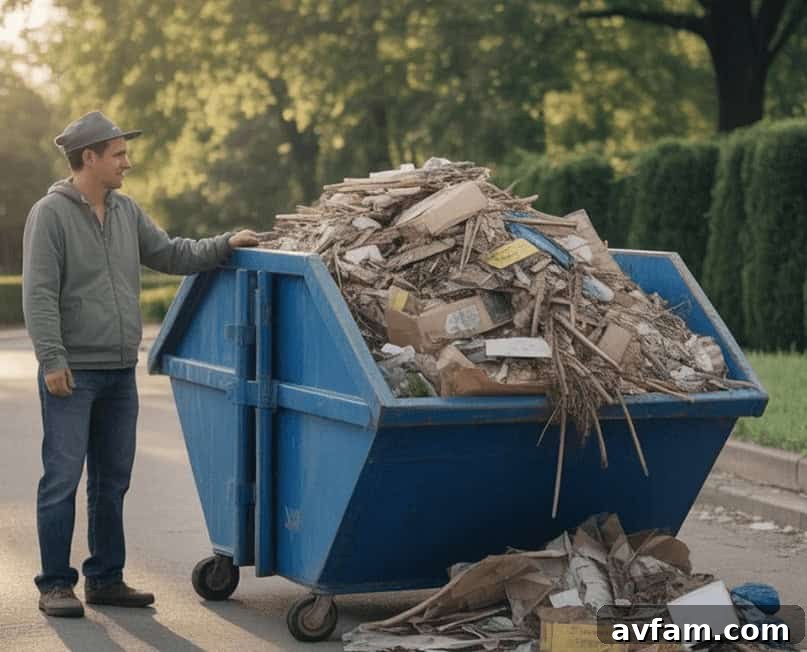
Home improvement projects in Chicago are exciting undertakings, transforming living spaces and adding value to properties. However, a common challenge often catches homeowners off guard: the sheer volume of debris generated. Whether you’re embarking on a minor basement cleanout, a significant kitchen remodel, or a complete home renovation, managing the waste can quickly become one of the most demanding aspects of the job. Standard curbside trash services in Chicago often fall short of accommodating the substantial waste produced, especially when dealing with the heavier, denser materials typical of the city’s older, charming homes.
For many residents, seeking a practical and efficient solution for waste management has become essential. When you find yourself searching for “dumpster rentals near me” in Chicago, you’re not merely looking for a container; you’re seeking a streamlined process to keep your project organized, efficient, and running smoothly from inception to completion. A professional dumpster rental service offers more than just waste disposal; it provides peace of mind and allows you to focus on the creative and constructive aspects of your home improvement journey.
Understanding Roll-Off Dumpster Rentals: Your Comprehensive Guide for Chicago Projects
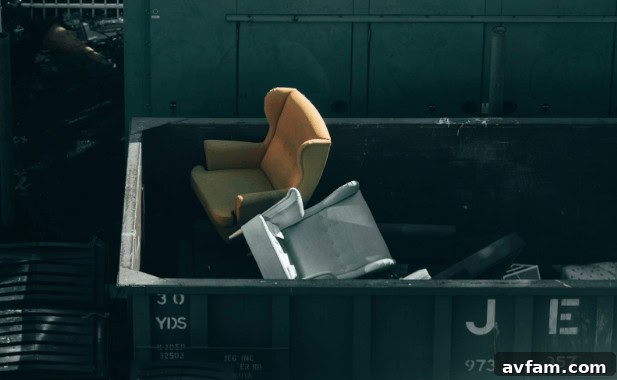
A roll-off dumpster is a robust, open-top steel container specifically engineered to handle large quantities of waste that ordinary trash collection services simply cannot manage. These versatile containers are an indispensable tool for residential and commercial projects alike, providing a dedicated and spacious receptacle for diverse types of debris.
The term “roll-off” precisely describes their unique delivery method. A specialized truck, equipped with a hydraulic system, gently rolls the container off its back and positions it securely onto your property. This efficient delivery system ensures minimal disruption and precise placement. A typical roll-off dumpster rental package includes the convenience of delivery to your site, a defined rental period allowing ample time for your project, and prompt pickup once your work is complete and the container is full.
Roll-off dumpsters are available in a broad spectrum of sizes, commonly ranging from a compact 10 cubic yards to a massive 40 cubic yards. This extensive range makes them exceptionally versatile, suitable for projects as varied as a single-room decluttering effort, a comprehensive estate cleanout, or even a full-scale residential demolition. Their capacity and durability are unmatched when it comes to handling significant volumes of waste.
Chicago homeowners utilize roll-off dumpsters for an extensive array of residential undertakings. These include, but are not limited to, extensive kitchen and bathroom remodels, roof tear-offs and replacements, ambitious landscaping overhauls, and the challenging task of estate cleanouts. Essentially, if your project is expected to generate more waste than a few standard trash bags or bins can hold, then considering a dumpster rental in Chicago is not just advisable, but often a necessity.
Beyond traditional renovations, Chicago residents also find roll-off dumpsters invaluable for tasks such as efficient storm damage cleanup, streamlining the moving preparation process, and tackling large-scale yard projects involving heavy brush or soil removal. Any project that is projected to produce bulky, heavy, or substantial amounts of debris is an ideal candidate for the convenience and capacity offered by a roll-off dumpster rental.
Unlocking the Benefits of Roll-Off Dumpsters for Chicago Homeowners
Navigating waste disposal in a bustling metropolis like Chicago presents its own set of challenges. The city’s curbside pickup program, while convenient for everyday household trash, often imposes strict limitations on bulk waste, large items, construction debris, and heavy materials. This is where renting a roll-off dumpster shines as a superior, single-solution alternative, effectively handling what traditional curbside services cannot.
Enhanced Convenience and Project Efficiency
Imagine the constant hassle of bagging and hauling debris to the curb, only to find that city limits restrict pickup. Or worse, making multiple, exhausting trips to distant city drop-off sites. A roll-off dumpster eliminates these headaches. By having a dedicated, large-capacity container right on your property, you can dispose of waste as it’s generated, keeping your worksite clean and organized. This uninterrupted workflow prevents project slowdowns and allows you and your contractors to maintain focus on the actual renovation or cleanup tasks, dramatically improving overall project efficiency.
Significant Cost-Effectiveness
While the initial thought of renting a dumpster might seem like an added expense, it often proves to be more cost-effective than attempting to haul debris yourself. Consider the hidden costs: the fuel consumed for multiple trips to a transfer station, the wear and tear on your personal vehicle, potential rental fees for a truck or trailer, and most importantly, the invaluable time you spend on disposal instead of progressing your project or enjoying your personal life. When you factor in these elements, a flat-rate dumpster rental often emerges as the more economical and practical choice.
Superior Safety and Site Organization
Chicago boasts a rich architectural heritage, with many homes being bungalows, greystones, and vintage two-flats. Renovating these older structures frequently generates dense and heavy debris such as plaster, lath, and old lumber. An on-site roll-off dumpster keeps all this material contained and centralized, significantly reducing trip hazards, minimizing the spread of dust and debris, and making the entire job site safer for everyone involved. This organized approach is particularly beneficial in tight urban spaces, where narrow driveways, shared alleys, and limited storage options leave little room for loose or scattered waste materials.
Environmental Responsibility and Sustainable Disposal
Choosing a reputable dumpster rental provider is also a step towards more environmentally responsible waste management. Leading companies don’t just haul away your trash; they are committed to sorting and diverting recyclable materials from landfills. This often includes separating metals, wood, concrete, and certain plastics for processing. For homeowners who are conscious about their environmental footprint and wish for their project waste to be handled responsibly and sustainably, partnering with a provider dedicated to recycling and proper disposal is undoubtedly the better, more ethical approach.
Streamlined Project Management
Ultimately, a roll-off dumpster simplifies the entire project management process. It consolidates waste concerns into a single, manageable aspect. You don’t have to worry about where to put piles of demolition debris, how to get large items to a disposal site, or whether your waste meets curbside collection rules. This singular solution allows for clearer planning, smoother execution, and a less stressful experience overall, freeing you to concentrate on achieving your desired home transformation.
The Straightforward Dumpster Rental Process: What to Expect
Many homeowners initially hesitate to rent a dumpster, often assuming the process is complicated or confusing. In reality, securing a roll-off dumpster is designed to be one of the simplest and most hassle-free components of any home improvement project.
1. Getting a Quote and Booking Your Rental
The process typically begins with a quick call or online inquiry to a dumpster rental provider. You’ll be asked a few key questions about your project: the type of work you’re undertaking (e.g., bathroom remodel, garage cleanout, roof replacement), your estimated volume of debris, and your preferred placement location for the dumpster (e.g., driveway, street, yard). Providing as much detail upfront as possible, including the specific materials you anticipate disposing of, will help your provider recommend the most appropriate dumpster size and ensure a smooth delivery.
2. Preparing for Delivery Day
Once your rental is booked, your provider will confirm the delivery date. Before the dumpster arrives, it’s crucial to prepare the designated placement area. Ensure it’s clear of any vehicles, equipment, landscaping materials, or anything else that might obstruct the truck’s access or the dumpster’s placement. If you’re concerned about protecting your driveway or lawn, discuss this with your provider. Many companies can offer advice or provide boards to place under the dumpster to prevent surface damage. A brief conversation ahead of time can prevent any potential issues and ensure everything goes smoothly.
3. Delivery and Placement
On the scheduled delivery day, a specialized roll-off truck will arrive at your property. The experienced driver will carefully maneuver the truck and use its hydraulic system to gently roll the dumpster off its bed and into your designated spot. The placement is precise, ensuring it’s in the most convenient and safe location for your project. In most cases, you do not even need to be home for the delivery, as long as the area is clear and accessible.
4. Filling the Dumpster
With the dumpster conveniently on-site, you can begin loading your debris as your project progresses. It’s generally recommended to distribute the weight evenly within the container to prevent it from becoming lopsided and to maximize its capacity. Always adhere to the fill line indicated on the dumpster, ensuring that no materials extend above the top edge for safe transport.
5. Pickup and Disposal
When your rental period concludes, or when the dumpster is full and you’re ready for pickup, the process works in reverse. The same specialized truck will return to your property, carefully load the filled container back onto its bed, and haul it away for proper disposal. Similar to delivery, you typically do not need to be present for the pickup, allowing you to carry on with your day uninterrupted. Your provider will handle all aspects of transporting the waste to approved disposal or recycling facilities, completing the cycle of efficient waste management.
What You Can and Can’t Throw Away: Essential Guidelines for Chicago Homeowners
Understanding what materials are accepted and prohibited in your rented roll-off dumpster is crucial for a safe, compliant, and cost-effective disposal experience. Most household and renovation debris is perfectly suitable for your container, but certain items require special handling due to environmental regulations or safety concerns.
Generally Accepted Materials:
Roll-off dumpsters are designed to accommodate a wide variety of waste generated from common home projects, including:
- Construction and Renovation Debris: This is the primary use for many rentals. You can typically dispose of drywall, lumber (including treated wood), flooring materials (hardwood, laminate, tile), old cabinets, plumbing fixtures (sinks, toilets), non-refrigerant appliances (stoves, washing machines), and roofing materials (shingles, felt, flashing).
- Yard and Landscaping Waste: For garden overhauls, dumpsters are ideal. This includes branches, leaves, sod, dirt, concrete (broken up), fencing materials, deck lumber, and shrubs. (Note: some providers may have specific requirements or separate dumpsters for ‘clean fill’ like concrete or dirt, always confirm).
- Household Junk and Furniture: When decluttering or moving, furniture (sofas, chairs, tables, mattresses), boxes, general accumulated junk, old toys, and non-hazardous household items are all fair game.
Prohibited Materials:
It’s vital to be aware that several categories of materials are strictly prohibited from standard dumpster rentals due to their hazardous nature, the potential for environmental contamination, or specific local disposal regulations in Chicago. Loading these items into your dumpster can lead to your pickup being refused, incurring additional fees, and potentially severe fines under Chicago waste disposal regulations.
- Hazardous Materials: This broad category includes paints (especially liquid forms), solvents, chemicals (e.g., pesticides, fertilizers, cleaning fluids), motor oil, asbestos, propane tanks, and fuel containers. These items require specialized disposal facilities.
- Electronics (E-Waste): TVs, computer monitors, laptops, printers, and other electronic devices often contain harmful chemicals and metals that necessitate certified recycling.
- Appliances with Refrigerants: Refrigerators, freezers, air conditioning units, and dehumidifiers contain refrigerants that must be professionally removed before disposal.
- Tires and Batteries: Car batteries (lead-acid) and tires are prohibited from standard landfills and require designated recycling centers.
- Medical Waste: Syringes, controlled substances, and other biohazardous materials must be disposed of through specialized medical waste services.
When in doubt, always check with your dumpster rental provider before tossing. A quick phone call or email can save you from a costly headache, potential delays, and compliance issues down the road. Reputable providers are always happy to clarify their policies and guide you towards appropriate disposal alternatives for prohibited items.
Choosing the Best Residential Dumpster Rental in Chicago: Key Considerations
Selecting the ideal dumpster for your Chicago home project involves more than just picking the first option you see. Making an informed decision based on a few key factors will ensure efficiency, compliance, and potentially lower the total costs of your home project.
1. Assess Material Type and Weight:
The nature of your debris significantly impacts the dumpster size needed. Heavy materials like concrete, brick, asphalt, dirt, or large amounts of roofing shingles are dense and can quickly exceed weight limits even in a seemingly large container. For such materials, a smaller, robust container, typically a 10-yard or 15-yard unit, is often recommended. This prevents overloading the truck and avoids costly overage fees. If your project primarily involves lighter, bulkier items like furniture, wood, or general household junk, then volume becomes the primary concern.
2. Estimate Total Debris Volume:
This is perhaps the most crucial factor. Visualize the amount of waste you expect to generate. Here’s a general guide:
- 10-Yard Dumpster: Ideal for small-scale projects like a single-room cleanout, small bathroom remodel, dirt/sod removal, or clearing out a compact garage.
- 15-Yard Dumpster: Suitable for slightly larger projects such as a small kitchen remodel, two-room cleanout, or deck demolition (up to 300 sq ft).
- 20-Yard Dumpster: A popular choice for full-scale kitchen remodels, major basement cleanouts, roof replacements (up to 30 squares of single-layer shingles), or larger landscaping projects. This size often strikes a balance between capacity and footprint.
- 30-40 Yard Dumpsters: Generally reserved for large construction jobs, commercial projects, or full home demolitions. While available, these are often too large for most residential properties in Chicago due to space constraints.
When in doubt, it’s often better to go slightly larger than you think you’ll need. Underestimating your waste can lead to needing a second dumpster or incurring overage fees.
3. Consider On-Site Space Limitations:
Chicago homes often come with unique spatial challenges, including narrow driveways, shared alleys, and tight lot lines. This makes the physical footprint of the dumpster an important consideration. For most residential properties, a 20-yard container is often the practical upper limit in terms of size, as larger units (30 or 40-yard) frequently do not fit comfortably or safely within typical city property lines or driveway dimensions. Always measure your available space and discuss it with your provider to ensure the dumpster can be placed securely and without obstructing access.
4. Choose a Reputable Provider:
Beyond size, the quality of your dumpster rental experience depends heavily on your chosen provider. Look for companies with:
- Transparent Pricing: Clear, upfront costs with no hidden fees for delivery, pickup, or standard weight limits.
- Excellent Customer Service: A company that is responsive, helpful, and knowledgeable about local regulations.
- Reliable Delivery and Pickup: Timely service is crucial to keeping your project on schedule.
- Commitment to Responsible Disposal: Providers who emphasize recycling and environmentally sound practices.
Discussing your specific project details with your chosen provider is the best way to ensure you select the right size and type of dumpster. Their expertise can help you avoid common pitfalls and make the most cost-effective decision upfront.

Dumpster Permits in Chicago: What Homeowners Need to Know
Navigating the permit requirements for dumpster placement is a critical step for many Chicago homeowners. Failing to secure the necessary permits can lead to significant fines, project delays, and the inconvenience of having your dumpster removed.
When is a Permit Required?
If you plan to place your rented dumpster on any public property, such as a city street, alley, or even partially on a sidewalk, a permit from the City of Chicago is almost certainly required. This is a non-negotiable regulation designed to ensure public safety, maintain traffic flow, and prevent obstruction. Permits are typically issued through the City of Chicago’s Inspections, Permitting and Licensing (IPL) web portal and are available for various terms, commonly three-day or 30-day durations, depending on the length of your project.
Private Property Placement:
Conversely, if you are able to place your dumpster rental entirely on private property, such as your driveway, private parking pad, or within your own yard, a city permit is generally not required. This distinction is precisely why many homeowners, whenever feasible for residential projects, prioritize driveway placement over other options. It simplifies the process, eliminates permit fees, and removes the need to coordinate with city offices.
Key Considerations for Street Placement:
For homeowners whose only option is street placement, factoring in the permit application timeline well before booking your dumpster rental is extremely important. Processing times for permits can vary significantly depending on the time of year and city workload. Delays in securing a permit can directly impact your dumpster delivery date, pushing back your project schedule. It’s always advisable to apply for your permit weeks in advance of your anticipated delivery date to account for any potential processing delays.
How Your Rental Company Can Help:
While the responsibility for obtaining a permit typically rests with the homeowner, reputable dumpster rental companies are often invaluable resources. They can help you:
- Determine Permit Necessity: Based on your proposed placement, they can confirm whether a permit is indeed required.
- Guide Through Application: They can provide guidance on the application process, necessary documentation, and point you directly to the correct city portal.
- Coordinate Delivery: Once your permit is secured, they can coordinate your dumpster delivery to align perfectly with your permit dates.
A quick conversation with your rental company early in the planning process can clarify permit requirements, streamline the application, and help ensure your dumpster rental experience remains simple, compliant, and hassle-free, keeping your project on track and avoiding unexpected fines.
The Right Tool for a Seamless Project: Maximizing Efficiency and Minimizing Stress
Every successful home project, regardless of its scale, hinges on meticulous planning and effective execution. While the focus often remains on the aesthetic and structural aspects, managing the inevitable cleanup and debris disposal is a far bigger part of that process than most people initially anticipate. Having the right system in place for waste management can be the pivotal difference between a project that feels manageable and one that quickly devolves into overwhelming chaos.
For Chicago homeowners, a roll-off dumpster is far more than just a convenience; it is an indispensable, practical tool designed to enhance every stage of your home improvement journey. By providing a centralized, efficient, and capacious solution for all your waste, it helps keep job sites meticulously organized, dramatically reduces downtime associated with debris removal, and allows renovation or cleanup work to progress smoothly without unnecessary interruptions or logistical headaches.
Before you embark on your next exciting home project, take a proactive moment to thoughtfully consider how you will efficiently handle the debris it is sure to generate. Choosing the correct waste disposal approach early in your planning phase can save you invaluable time, significantly reduce stress, and, most importantly, enable you to channel your energy and focus on the parts of the project that truly matter: improving your home, enhancing its functionality, and realizing your vision for a more beautiful and comfortable living space.