Embrace a Healthier Home: The Essential Guide to Zero VOC Paint
Welcome to our illuminating Summer Paint Series, where we delve into the transformative power of paint – not just for aesthetics, but for the very air you breathe. As homeowners become increasingly aware of the impact their choices have on indoor environments, the selection of interior paint has evolved from a simple color decision into a crucial health consideration. For us, and for anyone prioritizing the well-being of their household, zero VOC paint isn’t just an option; it’s the only responsible choice when selecting an interior paint product. Our mission is to empower you with the knowledge to create a truly healthy home, and the journey begins by rethinking what goes onto your walls.
Every decision we make, from the food we eat to the products we use, influences our health. The surfaces within our homes, particularly walls and ceilings, encompass a significant portion of our living space. These surfaces constantly interact with the air we breathe, making the type of paint applied to them profoundly impactful on our indoor air quality. By choosing zero VOC paint, we actively remove a major source of harmful chemical emissions, paving the way for a fresher, safer, and more vibrant living environment for you and your loved ones. This series will explore why zero VOC paint is superior, what makes it different, and how it contributes to a sustainable future.
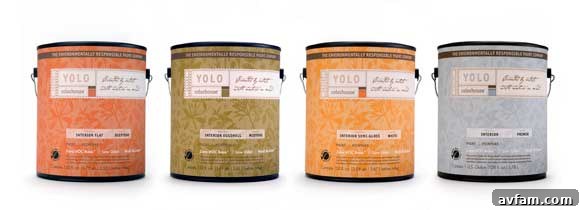
 We are thrilled to inaugurate this vital discussion with the announcement of YOLO Colorhouse as our esteemed sponsor for this paint series. YOLO Colorhouse stands as a beacon of innovation and environmental stewardship, having pioneered the production of zero VOC paints since 2005. Their dedication to creating a healthier planet, one wall at a time, is truly inspiring. At the core of YOLO Colorhouse’s philosophy is a remarkably simple yet powerful mission: to craft premium, environmentally responsible paint products that not only perform exceptionally but also feature beautifully simplified color palettes. This commitment ensures that homeowners don’t have to compromise between vibrant aesthetics and superior indoor air quality, making healthy choices easier and more appealing than ever before.
Why Zero VOC Paint is the Indispensable Choice for Your Home and Our Planet
The question isn’t just “Why choose zero VOC paint?” but rather, “Why choose anything less?” The answer is unequivocally clear: it’s profoundly better for both people and the environment. The widespread adoption of zero VOC paints represents a monumental opportunity for collective positive change. Consider this staggering fact: if every household in the United States were to transition from ‘low VOC’ or traditional paints to genuinely zero VOC options, we could collectively prevent the release of anywhere between 150 million to a staggering 1 billion pounds of chemical solvents from entering our atmosphere. This immense reduction would significantly lessen urban smog, mitigate air pollution, and reduce the burden of harmful chemicals on our ecosystems and our respiratory systems.
Beyond the macro-environmental impact, the micro-environment of your home is where zero VOC paint truly shines. Traditional paints release these harmful chemicals for months, and sometimes even years, after application, contributing to what is commonly known as “new paint smell.” This scent, far from being benign, is often a clear indicator of VOCs off-gassing into your living space. Opting for zero VOC paint eliminates this concern, allowing you and your family to enjoy newly painted rooms without the health risks associated with chemical exposure.
Unmasking VOCs: Understanding Volatile Organic Compounds and Their Dangers
To fully appreciate the benefits of zero VOC paint, it’s essential to understand what VOCs are and why they pose such a significant threat. VOC is an acronym for Volatile Organic Compound. In straightforward terms, these are a broad class of chemical liquids that possess a high vapor pressure at ordinary room temperature, meaning they readily evaporate into the air as gases. While some VOCs occur naturally, many are synthetic and used in a vast array of products, including paints. Common examples of VOCs found in ‘low VOC’ or traditional paints include chemical solvents like ethylene glycol, paint thinner, and turpentine – substances known for their strong odors and potential toxicity.
The Environmental Protection Agency (EPA) has long identified paints as a major contributor to VOCs found within our homes and in the broader environment. This is largely due to the sheer surface area that paint covers. Walls and ceilings alone constitute approximately 70% of our interior surfaces. This extensive coverage means that when traditional paints are applied, they act as continuous, large-scale emitters of VOCs, permeating indoor air for extended periods. This prolonged exposure can have measurable and detrimental effects on human health, affecting individuals of all ages, but posing particular risks to vulnerable populations.
The health consequences of VOC exposure are diverse, ranging from immediate discomfort to severe long-term damage. Short-term effects often include irritation of the eyes and respiratory tract, frequent headaches, bouts of dizziness, and even memory impairment. These symptoms can make living in a freshly painted home with traditional paints an unpleasant and unhealthy experience. However, the dangers escalate significantly with long-term exposure. Continuous inhalation of VOCs can lead to more serious health issues, including damage to vital organs such as the liver and kidneys, as well as adverse effects on the central nervous system. Children, whose bodies are still rapidly developing and whose respiratory systems are more sensitive, are especially susceptible to the harmful effects of VOCs. Their higher respiration rates relative to their body size and tendency to spend more time indoors further amplify their risk. Therefore, protecting children from VOC exposure through conscious paint choices is a paramount concern for any responsible homeowner. For comprehensive information on indoor air quality and how to protect your family, we highly recommend visiting the official EPA website.
The Gold Standard: Green Seal Certification and YOLO Colorhouse’s Unwavering Commitment
When selecting paint, discerning consumers need a reliable benchmark for environmental and health safety. This is where certifications like Green Seal become invaluable. YOLO Colorhouse paint proudly carries the Green Seal certification, which represents the most comprehensive and stringent third-party certification available in the industry. What sets Green Seal apart is its rigorous criteria and extensive prohibition list, which meticulously screens out over 1000 chemical compounds that are commonly found in other paints, even those labeled “low VOC.” This certification goes far beyond merely limiting VOCs, addressing the complete lifecycle of a product and ensuring minimal environmental impact from manufacturing to disposal. It’s a testament to YOLO Colorhouse’s dedication to truly healthy and sustainable products, providing peace of mind to consumers who seek transparency and verifiable claims.
YOLO Colorhouse’s commitment to creating the healthiest possible paint extends far beyond merely being “zero VOC.” They are incredibly proud of what is conspicuously *absent* from their paint formulations, reflecting a profound dedication to consumer safety and environmental integrity. Their paints are meticulously crafted without:
- No Carcinogens: These are substances known to cause cancer. Eliminating them removes a significant long-term health risk.
- No Reproductive Toxins: Chemicals that can harm reproductive health, ensuring a safer environment for families planning to grow.
- No Mutagens: Substances that can cause genetic mutations, protecting cellular health at its most fundamental level.
- No Hazardous Air Pollutants (HAPs): A category of pollutants that are known or suspected to cause serious health problems.
- No Ozone Depleting Compounds: Chemicals that harm the Earth’s protective ozone layer, showcasing their commitment to global environmental health.
- No Formaldehyde: A common indoor air pollutant and known human carcinogen often found in building materials and paints, its absence is critical for healthy indoor air.
- No Phthalates: These endocrine-disrupting chemicals are often used to make plastics more flexible but can have adverse effects on hormone systems.
This comprehensive list underscores YOLO Colorhouse’s dedication to producing a truly pure and healthy paint, setting a new standard for what consumers should expect from their interior coatings. Choosing YOLO Colorhouse means choosing a paint that is not only beautiful but also genuinely safe for your home and the planet.
Make the Healthy Switch: Exclusive Savings on YOLO Colorhouse Paint
Now is the perfect opportunity to make the significant and beneficial switch to zero VOC painting, safeguarding your home’s air quality and contributing to a healthier planet. Transform your living spaces with the peace of mind that comes from using premium, non-toxic paint. This weekend, from July 20-22, you have an exclusive chance to take advantage of an incredible offer: purchase three gallons of superior YOLO Colorhouse paint and receive one gallon FREE with a convenient mail-in rebate! This limited-time promotion makes it easier and more affordable than ever to upgrade your home with paint that is both environmentally conscious and safe for your family.
Don’t miss out on this fantastic opportunity to experience the YOLO Colorhouse difference. It’s an investment in your health, your home, and the future of our environment. Take the first step towards a healthier, more vibrant living space this summer by choosing the paint that truly cares about what’s inside and outside the can.