
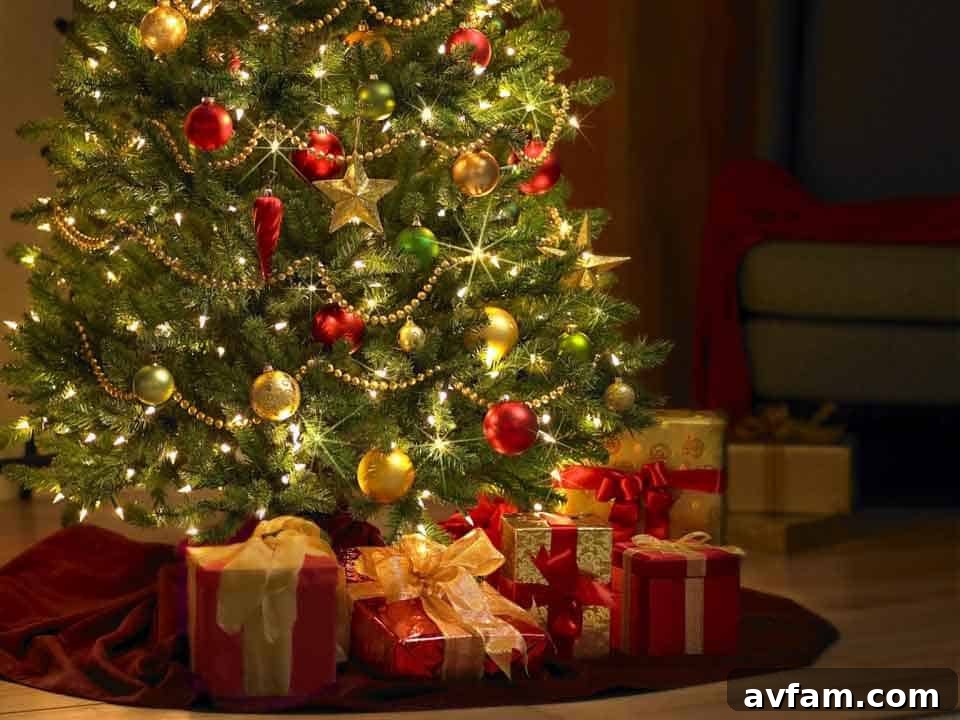
Keeping Your Real Christmas Tree Fresh, Vibrant, and Safe This Holiday Season
The holiday season ushers in a magical time of year, filled with warmth, joy, and cherished traditions. For many, the centerpiece of these festivities is a magnificent Christmas tree, standing proudly in the living room, adorned with twinkling lights and cherished ornaments. While artificial trees offer convenience, there’s an undeniable allure to a real Christmas tree – its natural beauty, unique charm, and, perhaps most notably, its captivating fresh pine scent that instantly transforms a house into a festive home. This sensory experience is a significant reason why countless families choose a live evergreen year after year, embracing a tradition that connects them deeply with nature and the spirit of the holidays.
However, along with their unparalleled fragrance and lush appearance, real Christmas trees come with a responsibility: they require proper care to maintain their freshness, prevent them from drying out prematurely, and crucially, mitigate any potential fire hazards. A well-cared-for tree not only looks better throughout the season but also remains safer. This comprehensive guide will walk you through essential tips and best practices to ensure your real Christmas tree stays hydrated, healthy, and a radiant focal point of your holiday celebrations from the moment you bring it home until it’s time to bid farewell.
The Timeless Appeal of a Real Christmas Tree
What is it about a real Christmas tree that captures our hearts and imaginations each year? Beyond their aesthetic beauty, real trees offer a multisensory experience that artificial alternatives simply cannot replicate. The crisp, clean scent of pine, fir, or spruce permeating your home is arguably the most defining characteristic, instantly evoking memories and fostering a cozy, festive atmosphere. Each tree is unique, a testament to nature’s artistry, with subtle variations in shape, needle texture, and color that add to its individual charm. Choosing a real tree also often involves a cherished family outing to a local tree farm or lot, creating new holiday memories and supporting local agriculture.
Furthermore, many real Christmas trees are grown on farms specifically for this purpose, making them a renewable resource. These farms often plant more trees than they harvest, contributing to healthy ecosystems, providing habitats for wildlife, and helping to absorb carbon dioxide from the atmosphere. When disposed of properly, real trees are biodegradable and can be recycled into mulch, compost, or used for other environmental benefits, completing a sustainable cycle. This ecological aspect adds another layer of appeal for those seeking to celebrate the holidays in an environmentally conscious way.
Choosing Your Perfect Evergreen Companion
The journey to a fresh, vibrant Christmas tree begins even before it enters your home. When selecting your tree, look for indicators of freshness: needles should be pliable and green, not brittle or discolored. Gently tap the tree on the ground; if excessive needles fall off, it might already be too dry. Different species offer various attributes, from the soft needles of a Fraser Fir to the strong branches of a Noble Fir, or the classic scent of a Balsam Fir. Consider your preferences for needle retention, fragrance, and branch strength when making your choice.
Essential Steps for Long-Lasting Freshness and Safety
Once you’ve chosen your magnificent evergreen, the real work of preservation begins. Proper care is paramount to keeping your tree lush and hydrated throughout the entire holiday season. Follow these detailed steps to ensure your tree remains a healthy, safe, and beautiful focal point for weeks to come.
1. The Crucial First Cut: A Thirsty Tree’s Lifeline
This step is perhaps the most critical for ensuring your tree can properly absorb water. When a tree is cut, sap quickly forms a seal over the cut end, preventing water uptake. Therefore, before placing your tree in its stand, you must make a fresh cut across the base of the trunk. Using a sharp saw, cut a half-inch to one-inch thick disk of wood from the bottom of the trunk. This re-opens the tree’s capillaries, allowing it to drink water effectively. Do not cut the trunk at a V-angle or drill holes into it; this reduces the surface area for water absorption and makes it more difficult to secure the tree in its stand. A straight, clean cut is best for maximum water uptake and stability.
It’s important to make this fresh cut as close to the time of placing the tree in water as possible. If more than a few hours pass between the cut and placing it in water, the sap may re-seal, and you might need to make another fresh cut. Think of your tree like a giant cut flower; it needs a constant supply of water through its newly opened channels to stay alive and fresh.
2. Investing in the Right Stand: More Than Just Support
A high-quality Christmas tree stand is an indispensable tool for tree longevity and safety. Opt for a reservoir-type stand designed to hold a substantial amount of water. Many older or cheaper stands have inadequate water capacity, leading to rapid drying. The National Christmas Tree Association recommends a stand that can hold at least one quart of water per inch of the tree’s stem diameter. For example, a tree with a six-inch trunk diameter would require a stand capable of holding at least six quarts (or 1.5 gallons) of water. Ensure the stand is sturdy and wide enough at the base to prevent tipping, especially if you have pets or small children.
The stand should also accommodate the tree’s trunk size without requiring you to whittle down the bark. Removing bark can damage the tree’s outermost water-conducting layers (the xylem), hindering its ability to absorb water and causing it to dry out more quickly. A stand that fits properly will ensure both stability and optimal hydration.
3. Consistent Hydration: The Heart of Tree Care
Once your tree is in its stand, surrounded by fresh water, the most important task is to keep that water reservoir full. Christmas trees are incredibly thirsty, especially in the first few days after being cut and placed indoors. They can absorb several quarts, or even gallons, of water daily. Check the water level at least once, and preferably twice, a day. Never let the water level drop below the base of the tree. If the water level drops and the fresh cut dries out, sap will re-seal the cut, and the tree will stop absorbing water, leading to rapid deterioration. Even if you refill the stand, the tree may no longer be able to drink properly, making another fresh cut necessary – which is often impractical once the tree is decorated.
Use plain tap water; there’s no need for additives, sugar, or aspirin, as these have not been proven effective and can sometimes even harm the tree. Room temperature water is ideal. Regular and diligent watering is the single most effective way to ensure your tree remains fresh, vibrant, and fire-resistant throughout the entire holiday season.
4. Strategic Placement: Keeping Your Tree Cool
The placement of your Christmas tree significantly impacts its rate of drying. To slow down moisture loss, keep your tree away from direct heat sources. This includes fireplaces, heat vents, radiators, wood stoves, and even direct sunlight from windows. Heat accelerates the drying process, making your tree more susceptible to shedding needles and becoming a fire hazard.
If possible, consider lowering the room temperature in the area where your tree is located, especially when you’re away from home or at night. A cooler environment helps the tree retain its moisture longer. While a humidifier can help increase ambient humidity, consistent watering of the tree itself remains the primary defense against dryness. Proper placement is not just about aesthetics; it’s a critical safety measure.
5. Monitoring Your Tree’s Vitality and Knowing When to Let Go
Throughout the season, regularly monitor your tree’s freshness. Periodically check the needles: are they still pliable, or are they becoming brittle? Are they holding their color, or are they starting to dull or brown? An increase in needle shedding is a clear sign that your tree is drying out. While some shedding is normal, excessive shedding, especially when you gently tug at a branch, indicates a problem.
A dry Christmas tree is an extreme fire hazard. Once a tree becomes noticeably dry and brittle, it can ignite in seconds and burn with terrifying intensity. Even with vigilant watering, all trees eventually reach the end of their freshness. When your tree is dry, it’s time to remove it from your home promptly. Prioritizing safety over sentiment is essential. Don’t risk keeping a dry tree in your home.
Ensuring Holiday Safety: Beyond Tree Care
While proper tree hydration is crucial for fire prevention, other safety considerations are equally important. Always use lights that are certified for indoor use and check them for frayed wires or broken sockets before placing them on the tree. Avoid overloading electrical outlets, and consider using a timer to turn off lights when you leave the house or go to bed. Never leave burning candles unattended near your tree or decorations. By combining diligent tree care with general electrical and fire safety practices, you can create a truly safe and joyous holiday environment for everyone.
Environmentally Conscious Disposal: Giving Back to Nature
When the festive season concludes and it’s time to take down your decorations, remember that your real Christmas tree can continue to contribute to the environment. Do not under any circumstances burn any part of your Christmas tree in a fireplace or wood stove. Dry Christmas tree branches burn very quickly and intensely, producing creosote build-up and potentially causing dangerous chimney fires. The resin in evergreen trees also makes them unsuitable for burning indoors.
Instead, embrace environmentally friendly disposal methods. Many communities offer tree recycling programs, where trees are collected and chipped into mulch for parks, landscaping, or erosion control. This not only keeps trees out of landfills but also provides valuable resources for local ecosystems. Some programs even use trees to create habitats for fish in ponds or provide shelter for wildlife. To find a nearby tree recycling program, visit www.realchristmastrees.org and type in your zip code. Your tree’s final journey can be one that benefits nature and your community.
The Great Debate: Real vs. Artificial Christmas Trees
The choice between a real and an artificial Christmas tree is a personal one, often sparking lively debate among holiday enthusiasts. Each option presents its own set of advantages and disadvantages, catering to different priorities and lifestyles.
The Case for Real Trees:
- Authentic Aroma: The unparalleled fresh pine scent is a major draw, creating an immediate festive atmosphere.
- Traditional Experience: The annual trip to choose a tree is a beloved tradition for many families.
- Environmental Benefits: Grown on farms, they are a renewable resource. They absorb CO2 during growth and are biodegradable/recyclable.
- Unique Beauty: Each tree has its own distinct shape and character.
The Case Against Real Trees (or for Artificial):
- Maintenance: Requires daily watering and careful placement.
- Mess: Shedding needles can be an inconvenience, especially as the tree dries out.
- Fire Hazard: A dry tree poses a significant fire risk if not properly cared for.
- Cost: Can be more expensive year after year compared to a one-time artificial tree purchase.
The Case for Artificial Trees:
- Convenience: Easy to set up, no watering required, and no needle mess.
- Durability: Can last for many years, making them a one-time investment.
- Variety: Available in a vast array of sizes, colors, and pre-lit options.
- Allergy Friendly: A good option for those with allergies to real tree pollen or sap.
The Case Against Artificial Trees (or for Real):
- Environmental Impact: Primarily made from petroleum-based plastics and metals, they are not biodegradable and often end up in landfills after their lifespan (typically 6-9 years). Their production and transport have a carbon footprint.
- Lack of Scent: Cannot replicate the natural fragrance of a real tree.
- Less Authentic Feel: Some find them less charming or traditional.
Ultimately, the “best” choice depends on your family’s values, lifestyle, and preferences. If you cherish tradition, the sensory experience, and sustainability, a real tree might be your ideal. If convenience, reusability over many years, and minimal maintenance are your priorities, an artificial tree could be a better fit. Regardless of your choice, the spirit of the holidays remains the most important element.
Embrace the Magic of the Season Safely
A real Christmas tree can be a breathtaking and fragrant addition to your holiday decorations, bringing unparalleled joy and a sense of tradition to your home. By following these essential care tips – from the crucial fresh cut to consistent watering and strategic placement – you can ensure your evergreen remains vibrant, healthy, and safe throughout the festive season. Remember, a little effort in tree care goes a long way in preserving the magic and preventing hazards. May your home be filled with the festive spirit, warmth, and the enchanting beauty of your real Christmas tree this holiday season!