
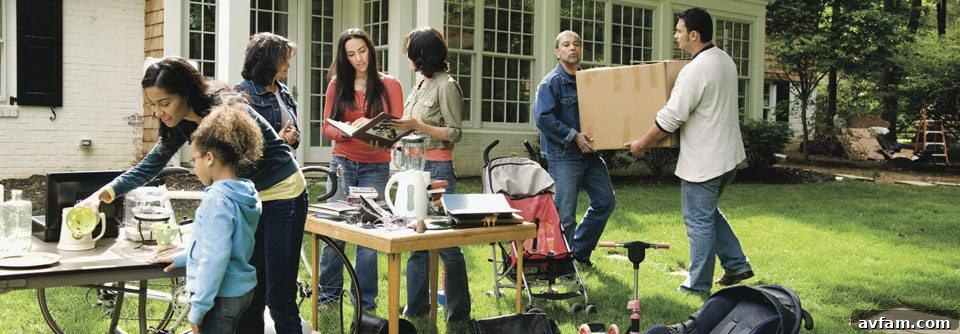
Mastering the Art of Decluttering: Your Ultimate Guide to a Successful Garage Sale and a Serene Home
The thought alone can be daunting: clearing out years of accumulated possessions, sifting through forgotten treasures, and confronting the sheer volume of “stuff” that has taken residence in every nook and cranny of our homes. For many, the idea of a comprehensive home decluttering project, especially one culminating in a garage sale, can evoke a mix of dread and anticipation. I recently embarked on this very journey myself, and I can tell you, the months leading up to the big clean-out were filled with internal negotiations. From an overflowing T-shirt drawer to a medicine cabinet stocked with expired remedies, every untidy corner seemed to silently nag at me. Does that feeling resonate with you?
The truth is, while the initiation might be challenging, I’ve discovered a genuine satisfaction in the act of purging. Once I commit, a profound sense of lightness and clarity washes over me. My home feels more spacious, my mind feels less cluttered, and moving through daily life becomes significantly easier. It’s an invigorating transformation that goes beyond just tidiness; it’s about reclaiming your space and, in many ways, your peace of mind. If you’re ready to experience this liberation, let me share a proven, step-by-step strategy for tackling household clutter and turning it into an opportunity for renewal and even a little profit.
Embracing the Decluttering Mindset: Why Less is More
Before diving into the physical act of cleaning, it’s essential to cultivate the right mindset. Decluttering isn’t merely about throwing things away; it’s about making conscious choices about what truly serves you and what doesn’t. Our homes often become repositories for memories, aspirations, and even anxieties, making the process emotionally charged. However, by adopting a strategic and intentional approach, you can transform this potentially overwhelming task into an empowering experience.
A clutter-free home isn’t just aesthetically pleasing; it offers tangible psychological benefits. Reduced visual noise can lead to lower stress levels, improved focus, and a greater sense of calm. When every item has its place, and unnecessary items are removed, you spend less time searching for things and more time enjoying your living space. This journey is about creating an environment that supports your well-being, allowing you to move through your home and your life with greater ease and intention.
Phase 1: Planning Your Purge – The Foundation for Success
Every successful project begins with a solid plan. Approaching your decluttering endeavor with a clear strategy will prevent overwhelm and keep you motivated. This initial phase sets the stage for an efficient and effective clean-out.
Setting Clear Goals and Timelines
First, define your “why.” Are you preparing for a garage sale, downsizing, or simply seeking a more organized living space? Clearly articulating your goals will guide your decisions throughout the process. Next, grab a calendar. This will be your most valuable tool. Break down your home into manageable zones and assign specific days or blocks of time for each. For instance:
- Monday: Master Bedroom & Ensuite Bathroom
- Tuesday: Kids’ Bedrooms & Guest Bathroom
- Wednesday: Kitchen & Pantry
- Thursday: Living Room & Dining Area
- Friday: Home Office & Guest Room
- Saturday: Garage, Basement & Attic (if applicable)
- Sunday: Review & Prepare for Sale
Be realistic with your schedule. Don’t try to clear out an entire garage in an hour. Allocate sufficient time, perhaps 2-4 hours per room, or dedicate a full day to larger, more challenging areas like the kitchen or storage spaces. Starting with less emotionally charged or smaller rooms can help build momentum and confidence for bigger tasks.
Gathering Your Essential Supplies
Before you even open a drawer, gather everything you’ll need. This preparation saves time and prevents interruptions. Stock up on:
- Large boxes or sturdy bins (labeled “Keep,” “Sell,” “Donate,” “Recycle,” “Trash”)
- Heavy-duty trash bags
- Cleaning supplies (rags, all-purpose cleaner) to wipe down surfaces as you go
- Markers and labels
- Notebook and pen for lists or notes
- Gloves (especially for attics, basements, or garages)
- A portable speaker for some motivating music!
Phase 2: The Purging Process – Making Tough Decisions
This is where the real work happens. Move through your designated areas systematically, leaving no space untouched. Even those infamous “junk drawers” that accumulate rubber bands, expired coupons, and forgotten trinkets deserve your full attention.
Tackling Emotional Attachments: The Heart of Decluttering
I’ll be the first to admit, I get attached to seemingly random things. There’s the shirt I imagine wearing on a future mountain retreat (even though such a trip isn’t currently planned), the modern rocking chair that would look perfect in a nursery (despite my children being well past that stage), or the stacks of old travel and design magazines I keep for “reference” (though I rarely find the time to actually read them). Sound familiar?
This is often the most challenging part of decluttering: detaching emotionally from items. We cling to things for various reasons: sentimental value, the “what if I need it someday?” fallacy, or guilt over money spent. To overcome this, try to reason with yourself: an item only truly holds value if it is used, enjoyed, or serves a practical purpose in your current life. Consider the “use it or lose it” philosophy. Do you ever unearth an item during a clean-out and exclaim, “Hey, I forgot I had this! I’m going to start using/wearing this now!” But honestly, if you truly loved it that much, would it have been buried in the back of a closet or forgotten in a drawer for five years? Probably not. It’s time to graciously say goodbye.
Here are some strategies to help navigate emotional hurdles:
- The “Spark Joy” Test: Hold the item. Does it truly bring you joy or serve a meaningful purpose right now? If not, thank it for its service and let it go.
- The “One-Year Rule”: If you haven’t used an item in the past year (excluding seasonal items or true heirlooms), it’s likely safe to part with it.
- Photographic Memories: For highly sentimental items you can’t part with but don’t actively use, take a picture of it. Create a digital album of these memories, allowing you to keep the sentiment without the physical clutter.
- Give it a Second Life: Instead of viewing it as “getting rid of,” reframe it as giving the item a second chance to be useful to someone else through selling or donating.
The Three-Pile System (and Beyond)
As you meticulously go through each item, categorize it into distinct piles. My system typically involves these main groups:
- Keep: These are items you actively use, genuinely love, or are truly essential for your daily life. Be ruthless here; only the best and most needed items make the cut. Organize these back into their designated homes immediately, ensuring your newly decluttered space remains tidy.
- Sell: This category is for items in good condition that you no longer need but still hold value. This is where your garage sale items will primarily come from.
- Donate/Recycle/Trash:
- Donate: Items that are still perfectly functional and in good shape but may not fetch a good price at a sale (or you simply want to give them away). Think clothing, books, household goods, small appliances. Donating helps those in need and keeps items out of landfills.
- Recycle: Paper, cardboard, glass, plastics, and electronics that can be responsibly recycled. Check your local recycling guidelines for specifics.
- Trash: Items that are broken, stained, unusable, or unsafe. Don’t hold onto literal garbage.
For items in the “Sell” pile, consider a further subdivision:
- Premium Items for Online Sale: This group includes higher-value items that warrant a broader audience and potentially better pricing than a garage sale. Recent examples from my own purge included a sturdy Ikea bed frame, a pair of designer sunglasses, and high-quality headphones. These are perfect candidates for platforms like Craigslist, eBay, Facebook Marketplace, or local consignment shops. List them with clear photos and accurate descriptions.
- Garage Sale Items: Everything else that is sellable but might not command top dollar online. This typically includes clothing, toys, kitchenware, decorative items, books, and smaller electronics.
- Handpicked for Friends & Family: Sometimes, specific items might be perfect for a friend or family member. Create a small collection for them to review before you decide to sell or donate.
Phase 3: Organizing for the Sale – Maximizing Appeal and Profit
Once you’ve sorted through everything, the next crucial step is to organize the items designated for your garage sale. This isn’t just about making your life easier; it significantly enhances the shopping experience for potential customers and can directly impact your sales.
Categorization and Presentation
Group similar items together. Create distinct sections for clothing, electronics, toys, books, kitchenware, tools, and decorative items. This allows shoppers to easily browse categories of interest. For example, hang clothes neatly on a rack, arrange books by genre or author, and display kitchen items together. Clean every item that goes into the sale. A clean, well-presented item is far more appealing and likely to sell than a dusty, disheveled one.
Pricing Strategy and Display
While the goal of this article is primarily on the decluttering process, a brief mention of sale preparation is vital. Price everything clearly. Use stickers or tags that are easy to read. Consider competitive pricing; remember, your primary goal is to get rid of items, and a fair price encourages sales. Arrange your items attractively on tables or blankets, ensuring there’s enough space for customers to move around. Good presentation can turn a casual browser into a buyer.
Now that you’ve meticulously sorted through everything and organized your goods, you’re well on your way to a successful event. The art of maximizing your yard sale profit involves a few more strategic steps, which we’ll delve into in part two of this series. In the meantime, remember the profound benefits of a clutter-free home: increased peace of mind, a more functional living space, and the satisfaction of knowing your unwanted items are finding new life.
Beyond the Sale: Sustaining a Clutter-Free Life
The garage sale is not just an endpoint; it’s a powerful catalyst for a sustained change in how you manage your possessions. After the sale, you’ll be left with a home that feels lighter, more organized, and truly yours. To maintain this newfound serenity, consider adopting daily or weekly mini-decluttering habits. Practice the “one-in, one-out” rule: when a new item enters your home, one similar item must leave. Regularly reassess your belongings and challenge yourself to live with less. The financial gains from your sale are a bonus, but the true treasure is the lasting peace and clarity that a decluttered home brings.
Your journey to a more organized and serene home has begun. Feel free to share your own tips for purging and managing household clutter in the comments below, and stay tuned for our next installment on maximizing your garage sale earnings!