
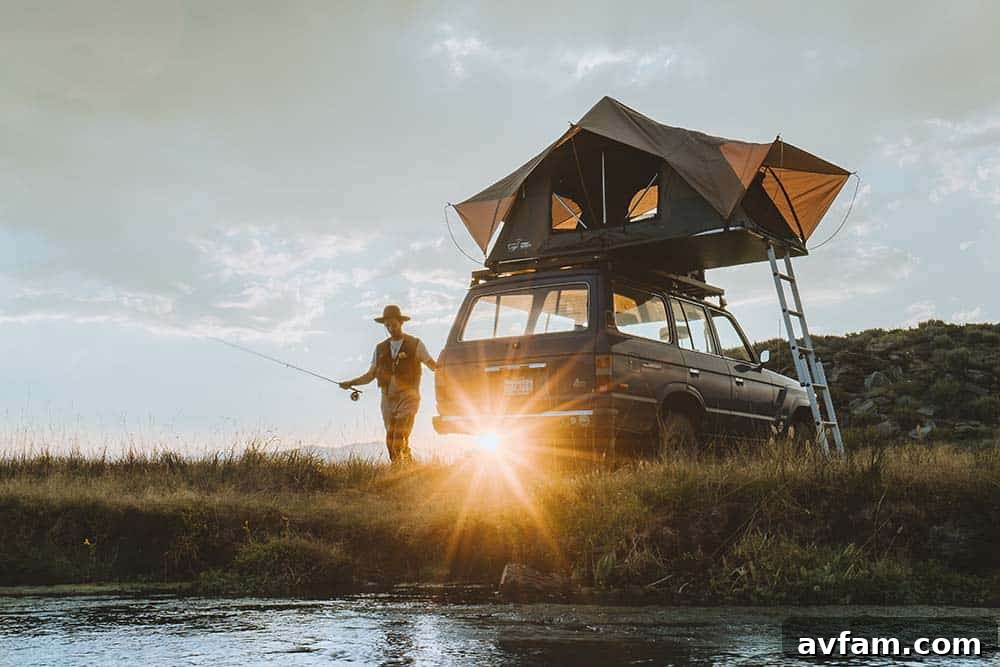
Embarking on an outdoor adventure often involves making crucial decisions about your gear, and perhaps no choice sparks more debate among enthusiasts than the type of shelter you’ll call home. In an era where vehicle-based travel and overlanding are soaring in popularity, rooftop tents have emerged as a significant trendsetter, offering a unique blend of convenience and elevated experience. Yet, the timeless ground tent continues to be the bedrock of camping, beloved for its versatility and accessibility.
For many, the allure of a rooftop tent instantly elevates their outdoor aspirations, promising unparalleled views and a distinct sense of adventure. But does this modern marvel truly outshine the traditional ground tent for every camper? Is investing in a rooftop tent a must for serious outdoor enthusiasts, or does the classic ground tent still hold its own? This comprehensive guide delves deep into the pros and cons of both rooftop tents and ground tents, providing a balanced perspective to help you make the best, most informed decision for your next camping expedition, ensuring your chosen shelter perfectly complements your adventure style.
Rooftop Tents: The Elevated Camping Experience
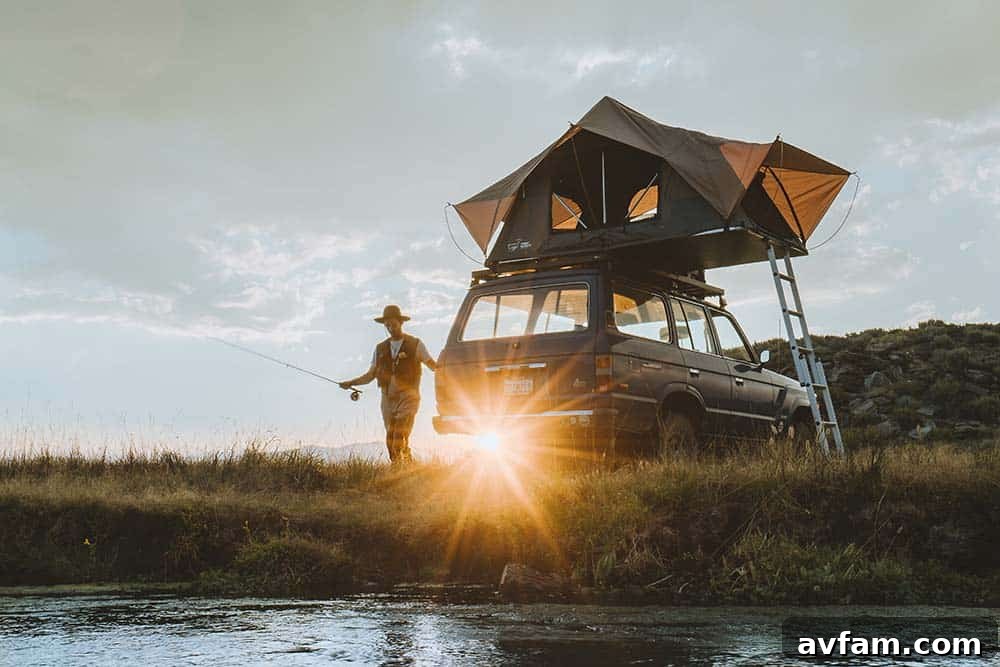
Once considered a niche product for serious overlanders, rooftop tents (RTTs) have exploded into the mainstream, transforming the landscape of vehicle-based camping. Major outdoor brands like Yakima and Thule have joined dedicated RTT manufacturers such as iKamper, Front Runner, and CVT, signaling their widespread adoption. This surge in popularity isn’t just a fleeting trend; it reflects a growing desire among campers for a more streamlined, comfortable, and often more Instagram-worthy outdoor experience. Essentially, a rooftop tent converts your vehicle into a mobile treehouse, tapping into that childhood wonder of an elevated hideaway and offering a fresh perspective on the wilderness.
Unrivaled Comfort and Protection Above Ground
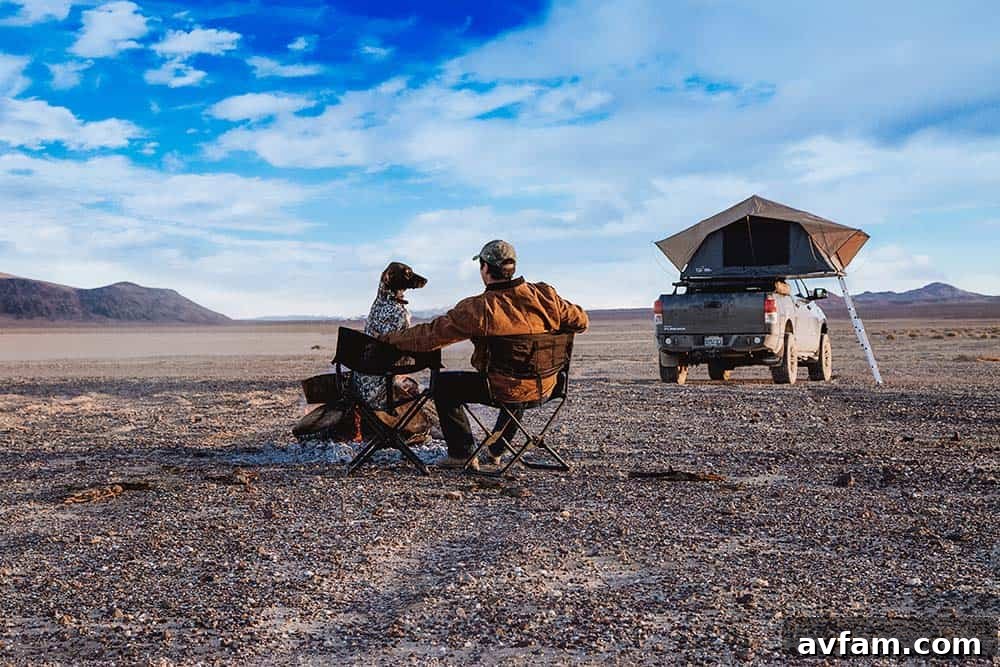
One of the most compelling advantages of a rooftop tent is the superior comfort and protection it offers by lifting you off the ground. As Andrew Pasquella of Front Runner Outfitters aptly puts it, “Rooftop tents provide a super comfortable and quick set up sleeping situation without worrying what type of terrain you’ll be sleeping on, because you’ll be off the cold or wet ground, avoiding rocks, and away from any bugs or animals.” This elevation means no more scouting for a perfectly level patch of earth, struggling with rocks, or waking up to damp sleeping bags after an unexpected rain shower. The integrated, often high-density foam mattress found in most RTTs provides a far more comfortable sleep surface than typical sleeping pads used in ground tents, making a significant difference in overall rest and recovery after a day of adventuring.
Beyond comfort, being elevated offers a natural defense against ground-dwelling pests like ants, spiders, and even larger critters. While not entirely critter-proof, the barrier from the ground significantly reduces unwanted encounters. Furthermore, the elevated position can provide breathtaking panoramic views of your campsite and surrounding landscape, turning a simple night under the stars into a truly immersive and memorable experience.
Effortless Setup and Pack Down
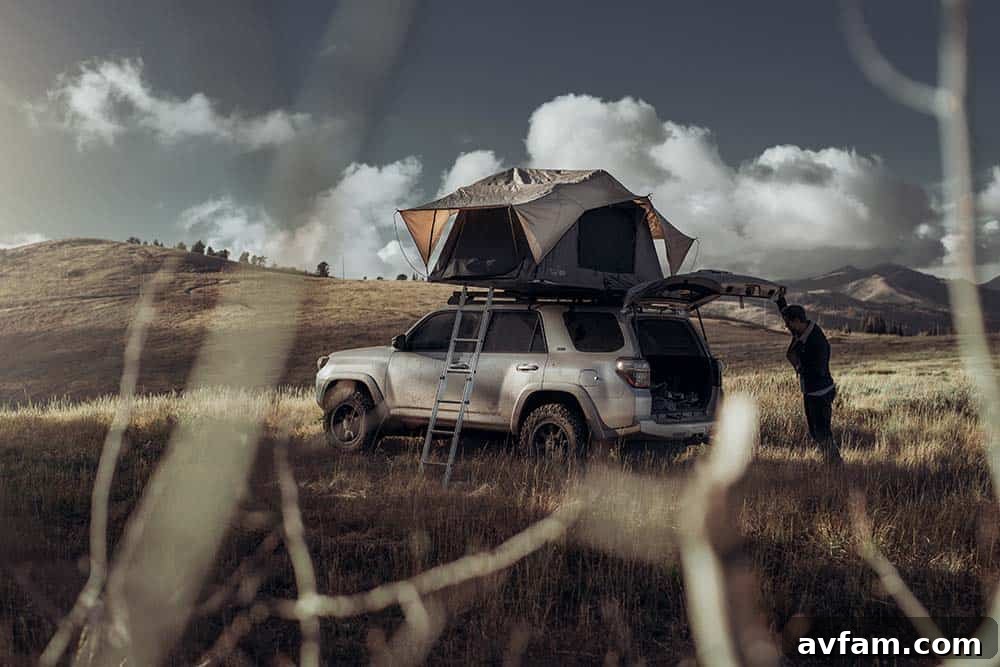
The speed and simplicity of setting up a rooftop tent are major draws, especially for those who move between campsites frequently or arrive after dark. Many soft-shell RTTs can be deployed in a matter of minutes: simply remove the travel cover, release a few straps, and unfold the tent. Hard-shell rooftop tents take this convenience even further. These innovative designs, available as clam-shell openings or straight pop-ups, often set up in mere seconds with minimal effort. There’s no need to wrestle with tent poles or complicated rainfly systems. A significant benefit across both types is the ability to store bedding—like blankets and pillows—inside the folded tent, meaning you can literally hit the rack almost instantly upon arrival, saving precious time and effort.
This quick deployment is invaluable on multi-stop road trips or during inclement weather, allowing campers to get shelter rapidly. Hard-shell RTTs also offer advantages such as better aerodynamics for improved fuel efficiency and quieter highway travel, as well as the potential to mount additional gear like bikes or kayaks directly onto their rigid tops, expanding your adventure capabilities.
Considerations for Rooftop Tent Ownership
While the benefits are numerous, rooftop tents do come with their own set of considerations. The initial investment is typically higher than a comparable ground tent, often ranging from $1,000 to $5,000 or more. They also add significant weight to your vehicle, affecting its center of gravity, handling, and potentially fuel economy. Perhaps the most notable trade-off is the loss of vehicle mobility once camp is set. If you wish to explore nearby attractions, gather supplies, or embark on a day trip, the tent must be fully packed down before you can drive off. This “tie-down” to your vehicle can be a deal-breaker for some campers who prioritize campsite mobility.
Ground Tents: The Versatility of Traditional Camping
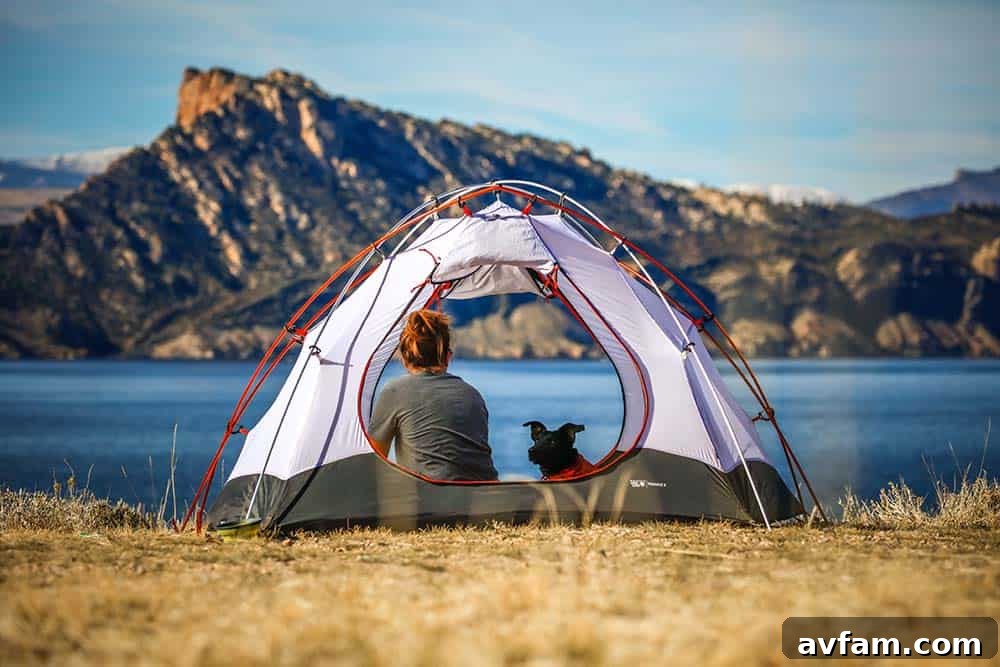
Ground tents represent the venerable foundation of camping, continually evolving over the years to offer incredible diversity, advanced materials, and increasingly user-friendly designs. From ultralight shelters for solo backpackers to cavernous multi-room palaces for large families, there is a ground tent meticulously engineered for every conceivable camping scenario, budget, and preference. The best modern ground tents have transformed setup from a frustrating chore into a quick and simple process, thanks to innovations like color-coded poles, clip attachments, and even integrated, pre-bent pole systems that allow tents to practically spring open.
Unmatched Flexibility and Accessibility

The most compelling advantage of a ground tent is the unparalleled freedom it offers. Unlike rooftop tents, a ground tent can be pitched almost anywhere you can walk, bike, or carry it. This opens up vast possibilities for backcountry exploration, backpacking trips into remote areas inaccessible by vehicle, or setting up camp in dense forests where vehicle access is restricted. Crucially, once your ground tent is established at the campsite, your vehicle remains entirely independent. You can drive off for day trips, resupply runs, or impromptu sightseeing without having to pack up your entire sleeping setup, offering a level of mobility and spontaneity that rooftop tents simply cannot match.
Ground tents also excel in terms of accessibility. There’s no ladder to climb, making them ideal for families with young children, campers with pets, or individuals with mobility challenges. This ease of entry and exit contributes to a more traditional and often more social camping experience, where the tent blends seamlessly with the ground-level activities of your campsite.
Variety, Affordability, and Space
The sheer variety of ground tents on the market is astounding. You can find everything from minimalist bivy sacks and ultralight backpacking tents designed to shave every ounce, to robust four-season tents built for extreme weather, and luxurious “cabin” style tents with standing room, multiple rooms, and ample space for queen-sized air mattresses, cots, and all your gear for four or more people. This diversity ensures that campers can find a tent perfectly tailored to their specific needs, whether it’s for solo wilderness treks or large group gatherings. Furthermore, ground tents are generally far more budget-friendly than rooftop tents, making them an accessible entry point for new campers and a practical choice for those who camp less frequently or prefer to allocate their outdoor budget to other gear.
Challenges and Considerations for Ground Tents

Despite their many advantages, ground tents do present specific challenges. They are inherently more susceptible to the whims of the terrain and weather. An uneven campsite can lead to uncomfortable sleeping, while rocky ground or protruding roots can damage the tent floor or make for a restless night. Heavy rain can cause pooling water or even flooding, especially if the tent is not properly pitched or if drainage is poor. Being at ground level also means being more exposed to cold, damp conditions and, inevitably, closer proximity to insects, crawling critters, and potentially larger animals. While modern ground cloths and advanced tent materials mitigate some of these issues, they remain factors to consider.
Additionally, while modern designs have significantly improved setup times, ground tents generally require more effort and time to pitch and pack away compared to the near-instant deployment of many rooftop tents. This can be particularly noticeable during multi-day trips with frequent camp moves or when setting up in the dark or adverse weather conditions.
Making Your Decision: Rooftop Tent vs. Ground Tent
Choosing between a rooftop tent and a ground tent ultimately boils down to your personal camping style, priorities, vehicle, and budget. Neither option is inherently superior; rather, each excels in different scenarios and caters to distinct preferences.
Who Should Choose a Rooftop Tent?
- Overlanders and Frequent Road Trippers: If your adventures involve extensive vehicle travel, multiple campsite changes, and a desire for quick, comfortable setups, an RTT is an excellent choice.
- Comfort Seekers: Campers who prioritize a consistently comfortable, off-the-ground sleeping surface and protection from ground-level elements will appreciate the built-in mattress and elevated position.
- Scenic View Enthusiasts: Those who value panoramic views from their sleeping quarters will find the RTT experience highly rewarding.
- Convenience-Oriented Campers: If ease and speed of setup are paramount, especially when arriving late or in less-than-ideal conditions, RTTs offer unparalleled efficiency.
Who Should Choose a Ground Tent?
- Backpackers and Remote Explorers: For wilderness treks and reaching destinations inaccessible by vehicle, a lightweight, portable ground tent is indispensable.
- Budget-Conscious Campers: Ground tents offer a significantly lower entry cost, making them more accessible and economical.
- Families and Large Groups: The vast array of sizes and multi-room options in ground tents can accommodate larger groups and provide more versatile living spaces.
- Campers Valuing Vehicle Mobility: If you frequently drive away from your campsite for day trips, exploration, or errands, the ability to leave your tent pitched and drive freely is a major advantage.
- Campers with Pets or Mobility Concerns: The ease of entry and exit without a ladder makes ground tents more practical for everyone.
The Best of Both Worlds: A Hybrid Approach
For some, the ideal solution might be to leverage the strengths of both. If you primarily use a rooftop tent for vehicle-based adventures but occasionally venture into the backcountry, owning a small, lightweight ground tent provides the flexibility to explore beyond your vehicle. Alternatively, many retailers like Front Runner Outfitters and CVT Tents offer display models of rooftop tents, allowing you to climb in and get a firsthand feel for the experience before making a significant investment. This “try before you buy” approach can be incredibly helpful in solidifying your decision.
Ultimately, your choice should align with your specific needs, how you prefer to camp, and the types of adventures you envision. By weighing the unique benefits and considerations of both rooftop tents and ground tents, you can confidently select the shelter that will best serve as your reliable home away from home on countless future outdoor excursions.