
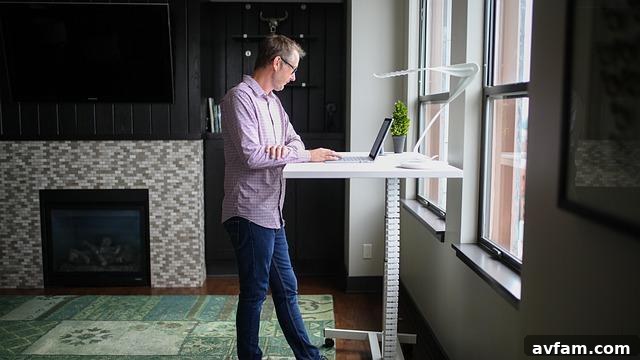
No matter whether you work from an office or from home, you already know how important it is to move more and reach your daily step goal. The challenge is finding time when your workday is full. One practical solution is pairing a height-adjustable desk with a walking pad. It won’t suit everyone, but for many people it makes staying active throughout the day much easier.

Movement That Fits the Workday
If you ignore sit-stand reminders because of constant alerts, or skip lunch walks because meetings run late, it’s no surprise your step count drops by mid-afternoon. Moving often feels like one more thing to fit into an already busy schedule, so it keeps being postponed.
For many people, a walking pad under the desk makes movement effortless. Walking becomes a natural part of the work routine instead of another task on the list. You’ll likely notice improved circulation, less afternoon fatigue, and a more energized feeling throughout the day. For many, those benefits are enough to sustain the habit.
Why the Desk Matters As Much As the Pad
Using a walking pad under a standard fixed desk is uncomfortable for most people: the screen sits too low, shoulders round forward, and the setup feels awkward. A motorized standing desk solves that by adjusting to a comfortable walking height, maintaining better posture and allowing you to focus on work without strain.
A typical routine looks like this:
- Sit in the morning for focused, deep work.
- Stand and walk on the pad during calls or lighter tasks mid-morning.
- Return to sitting after lunch for tasks that need intense concentration.
Two or three short walking sessions during the day are manageable for most people and rarely disrupt work. Because the walking pace is slow and steady, it’s easy to stay productive while moving.
The Numbers Speak for Themselves
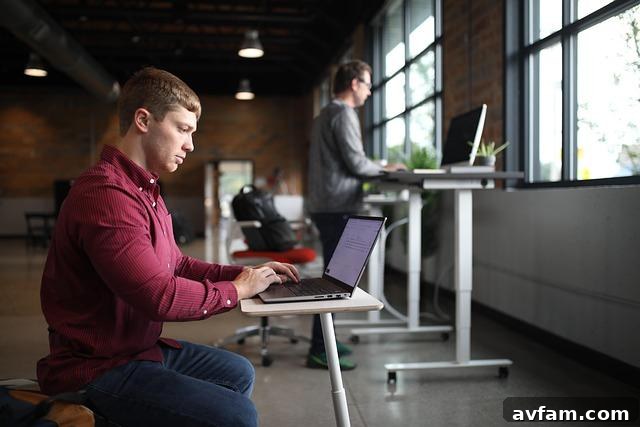
Walking slowly while working—at a pace comfortable enough for calls or quick inbox checks—burns roughly 200 to 300 calories per hour. Two short sessions during a workday could add up to 400–500 calories burned. Over a full week, those numbers become significant.
That said, slow desk walking isn’t a substitute for a dedicated workout. Your heart rate and breathing remain low, so it won’t replace outdoor walks, strength training, or cardio sessions. Still, it’s an effective way to break up long periods of sitting and to add consistent, low-impact activity to your day—an important step toward better overall health.