
It’s been less than a year since you stained your deck, and now the finish is already flaking. It looked good for a few weeks, but then it started to fail—often the first assumption is that the job was done poorly. Maybe you didn’t sand enough, or perhaps the stain wasn’t ideal.
But sometimes the issue isn’t the technique or the product. Even a careful job can fail if you choose the wrong day to work. Weather conditions—temperature, humidity, wind, and recent precipitation—play a major role in the success of many outdoor projects. If you stained on a humid day, it’s not surprising the finish lasted only six weeks.
When Timing Makes All the Difference
Spending an entire weekend on a DIY project only to see it deteriorate in a matter of months is frustrating. Skill matters, and the right products help, but weather often determines whether a job lasts. Below are common projects that depend heavily on timing and weather, and what to watch for so your work holds up.
Painting Your Home’s Exterior
Clear skies don’t always mean ideal painting conditions. If it’s too cold, paint may not form a proper film and can peel within months. If it’s too hot, paint can dry unevenly and leave lap marks. Direct sunlight is especially harmful because it bakes paint before it can bond, increasing the risk of cracking later on.
Always check the manufacturer’s recommended temperature and humidity range on the paint label and follow it. Those specifications exist to help the coating cure properly and resist premature failure.
Pouring Concrete
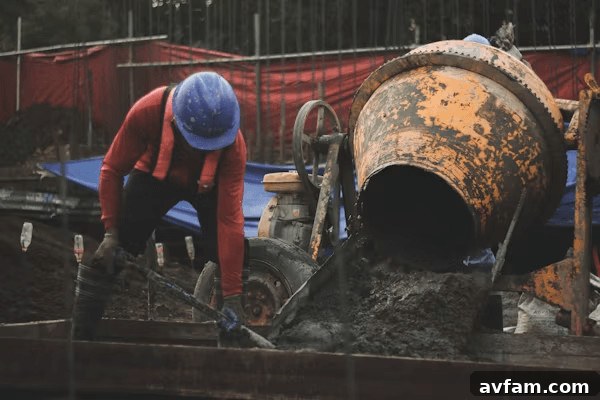
Mixing and pouring concrete is straightforward, but curing is where many projects fail. Proper curing is essential for strength and durability, and the process is extremely sensitive to weather. High heat accelerates moisture loss, causing shrinkage and cracking while the concrete is still gaining strength. Freezing or near-freezing conditions can prevent the chemical reactions that harden concrete, leading to a weak surface that flakes.
Heavy rain during or immediately after a pour can wash out cement and leave behind weak, sandy concrete. If cold weather is expected, use insulating blankets to maintain cure temperature. In hot, dry conditions, apply curing compounds or keep the surface moist to slow evaporation. Monitor weather forecasts and be prepared to protect curing concrete if conditions change.
Roof Repairs
Roof work presents safety challenges and material concerns. Never attempt repairs on a wet roof—slips are dangerous and wet surfaces make proper adhesion difficult. Strong winds complicate shingle alignment and can prevent nails and adhesives from seating properly, increasing the chance of future blow-off. Excessive heat softens shingle adhesive strips and can cause them to stick prematurely and warp.
For emergency repairs you might have no choice but to act immediately, but if the situation allows, wait for calm, dry conditions so materials perform as intended and the temporary fix doesn’t become a recurring problem.
Staining a Deck Before the Wood Has Dried
Pressure-washing a deck before staining is common, but staining too soon is a frequent mistake. Pressure washing saturates wood, and if the boards haven’t fully dried, stains won’t penetrate evenly, producing blotches and accelerated peeling. Even if the surface feels dry after rain, moisture can remain deeper in the boards for days.
Use a wood moisture meter to confirm readiness, or perform a simple water test: sprinkle a little water on the wood and see whether it soaks in or beads up. If it beads, the wood likely still retains moisture and should dry longer. Avoid staining during heatwaves as well, since overly rapid drying can create a surface film that prevents proper absorption.
Conclusion
Skill and quality materials are essential, but weather is a crucial factor that can determine whether your work endures. Plan projects around favorable conditions—temperature, humidity, wind, and recent precipitation—and consult product labels for recommended ranges. If this weekend looks too hot, humid, windy, or wet, delay the job rather than risk having to spend time scraping and redoing the work later.
Integrating weather into your project plan will save time and expense and significantly extend the life of exterior paints, stains, concrete, and roofing repairs.