
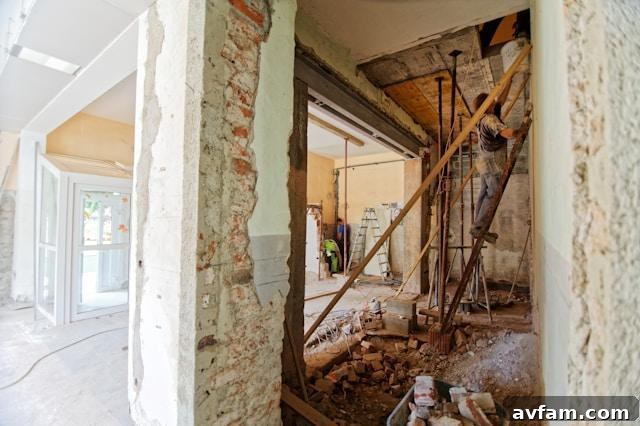
Home renovations can transform your living space, but costs add up fast. Whether you’re planning a modest update or a full-scale remodel, choosing the right financing strategy can make the difference between a smooth project and financial strain.
Traditional methods like savings or home equity loans remain common, but several alternative financing options can provide more flexibility, lower rates, or other advantages. These approaches can help you tackle projects sooner and more strategically while protecting long-term finances.

Cash-Out Refinancing: Tap Your Home’s Equity
Cash-out refinancing lets you replace your existing mortgage with a larger loan, taking the difference in cash to fund renovations. This option often carries lower interest rates than many unsecured loans, especially when your property value has increased. It’s a practical choice for homeowners with substantial equity who want a single loan and potentially lower monthly interest.
Still, consider the trade-offs. Increasing your mortgage balance can raise monthly payments and extend the period you’re in debt. Refinancing also involves closing costs and fees, so compare total costs and long-term effects before proceeding.
Home Equity Line of Credit (HELOC) for Flexible Spending
A Home Equity Line of Credit (HELOC) functions like a revolving credit account secured by your home’s equity. You borrow what you need, when you need it, and pay interest only on drawn amounts. This flexibility makes HELOCs well suited for phased or unpredictable renovation projects—start small and draw more funds as plans evolve.
Many HELOCs offer competitive rates and long draw periods, but be mindful of variable rates and the responsibility of using your home as collateral. Proper budgeting and a repayment plan are important to prevent a manageable line of credit from turning into mounting debt.
Contractor Financing and In-House Plans
Some contractors provide in-house financing or partner with lenders to offer project loans. These plans often include low- or zero-interest promotional periods that allow you to spread payments without immediate interest charges. For projects where you’d rather avoid a separate lender, contractor financing can simplify the process.
Carefully review terms and know what happens when promotional periods end. Interest rates can jump and unpaid balances may become costly, so ensure you can meet payment schedules or pay off balances before higher rates apply.
Credit Cards for Small, Short-Term Projects
Credit cards can be practical for small or short-term renovation expenses—materials, fixtures, or contractor deposits—especially if you have cards with low promotional rates or rewards. Using rewards or cash-back benefits can offset some costs for minor updates.
Because card interest rates are often high, limit card use to amounts you can repay quickly. Avoid financing large projects on cards unless you have a clear plan to settle the balance within a low-rate window.

Personal Loans: Simple and Predictable
Unsecured personal loans provide a straightforward way to fund smaller renovations. They typically have fixed rates and fixed monthly payments, making budgeting easier. Because they don’t require collateral, personal loans are quicker to arrange than secured options and useful for projects like bathroom updates, new flooring, or interior paint.
Keep in mind personal loan rates can be higher than home-secured credit, so confirm that the total borrowing cost fits your budget. For large renovations, secured financing may offer better value.
Peer-to-Peer Lending as an Alternative Source
Peer-to-peer lending connects borrowers with individual investors via online platforms. These services can be competitive on price and often have a simpler approval process than banks, which may appeal to borrowers with nontraditional credit histories.
Terms vary by platform, and some charge origination fees or higher rates for riskier profiles. Review offers carefully and compare total costs and repayment terms before choosing this route.
Conclusion
Financing a renovation doesn’t have to be overwhelming. By exploring cash-out refinancing, HELOCs, contractor financing, credit cards for small tasks, personal loans, or peer-to-peer options, you can match funding to your project size, timeline, and financial comfort. Evaluate fees, interest rates, repayment terms, and long-term impacts before deciding. With the right approach, you can complete the upgrades you want while maintaining financial stability.