
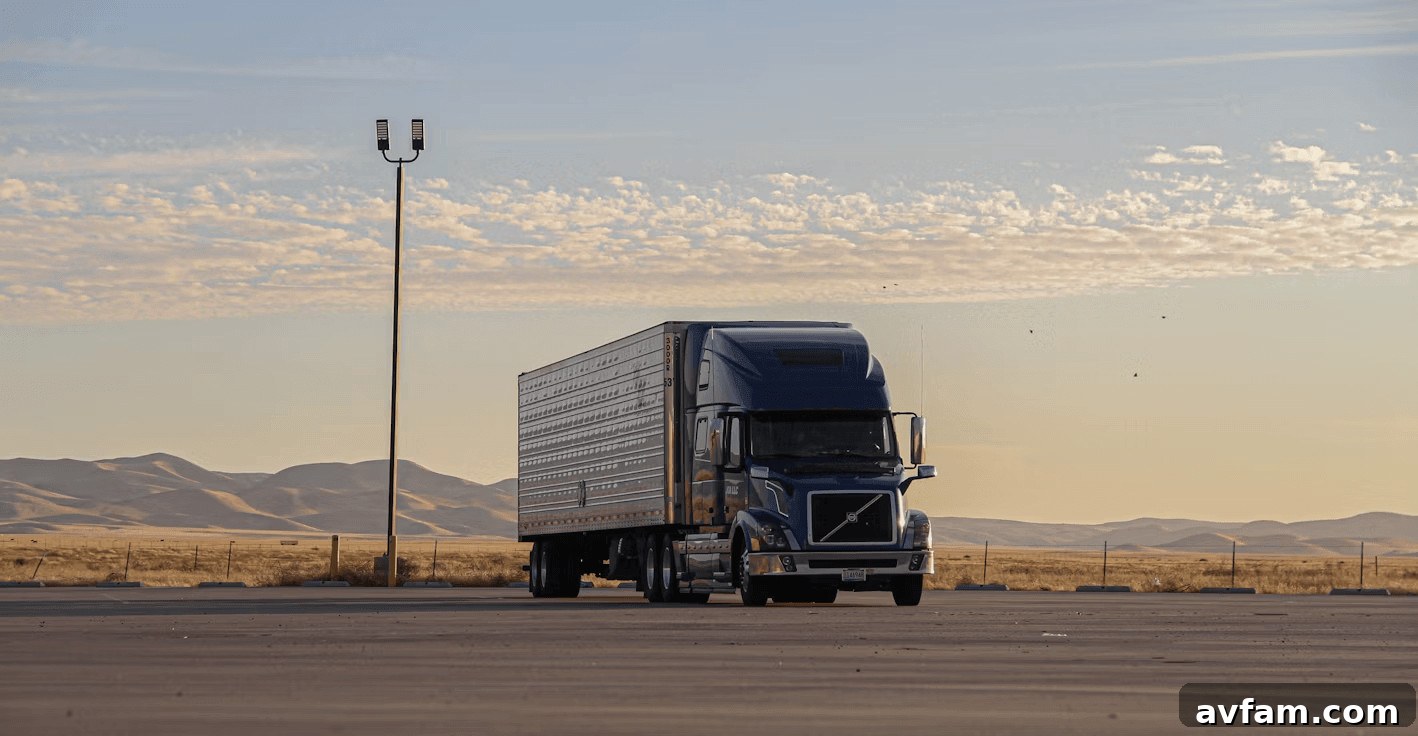
Federal Motor Carrier Safety Administration (FMCSA) data shows that large trucks are involved in roughly 494,000 crashes each year in the United States. Commercial truck collisions present unique challenges for injury claims because multiple parties may share responsibility and because federal rules tightly regulate the industry. Navigating liability requires careful review of the facts, records and regulatory compliance.
If you are injured in a truck crash, consulting an attorney experienced in commercial vehicle cases can be critical. A lawyer will investigate the collision, collect evidence, and build a strategy to pursue compensation from the responsible parties. Legal help is particularly useful when claims must address federal trucking regulations, complex ownership or leasing arrangements, and technical vehicle evidence.
Liability in truck accidents can extend beyond the truck driver to include the motor carrier that owns or operates the vehicle, parties that hired the carrier or arranged the freight, and manufacturers of the truck or its components. The following sections explain common avenues of responsibility and how each party’s conduct or omissions can lead to legal exposure.
The Truck Driver: Direct Negligence
Investigators often begin by examining the truck driver’s conduct. Drivers can be directly negligent for violating traffic laws, driving while fatigued, or ignoring Hours-of-Service rules. FMCSA regulations limit property-carrying drivers to 11 hours of driving within a 14-hour window, followed by a mandatory 10-hour off-duty period. Electronic Logging Devices (ELDs) provide court-admissible records of driving time and can be powerful evidence of violations.
Distracted behaviors such as texting, dialing, or otherwise diverting attention from the road, along with speeding, unsafe lane changes, failure to check blind spots, and tailgating, commonly contribute to catastrophic truck collisions. Securing cargo properly is another driver responsibility for certain operations; unsecured loads can shift and cause loss of control. Driving under the influence is also a factor—commercial drivers face a lower legal blood alcohol limit (0.04 percent in many jurisdictions) and positive drug or alcohol tests after a crash can be decisive evidence.
The Motor Carrier: Vicarious and Direct Liability
The motor carrier—the company that operates the truck and hires or contracts drivers—can be responsible in two ways: vicariously for its driver’s negligence and directly for failures in hiring, supervision or maintenance. When a driver is an employee performing work for the carrier, respondeat superior can make the carrier vicariously liable for on-the-job negligence. Even where drivers are labeled independent contractors, federal law and court decisions often hold carriers accountable under USDOT jurisdiction, limiting protection from liability through contractor status.
Carriers also face direct liability when they fail to follow safety hiring practices, such as checking a driver’s prior three-year license history across states or using the FMCSA Pre-Employment Screening Program to review crash and violation records. Hiring drivers with a history of serious violations or crashes without adequate investigation can support claims of negligent hiring. Similarly, inadequate vehicle inspection and maintenance—violations of FMCSA maintenance and reporting rules—can establish carrier negligence when defects contribute to a wreck.
The Shipper, Freight Broker, and Cargo Owner
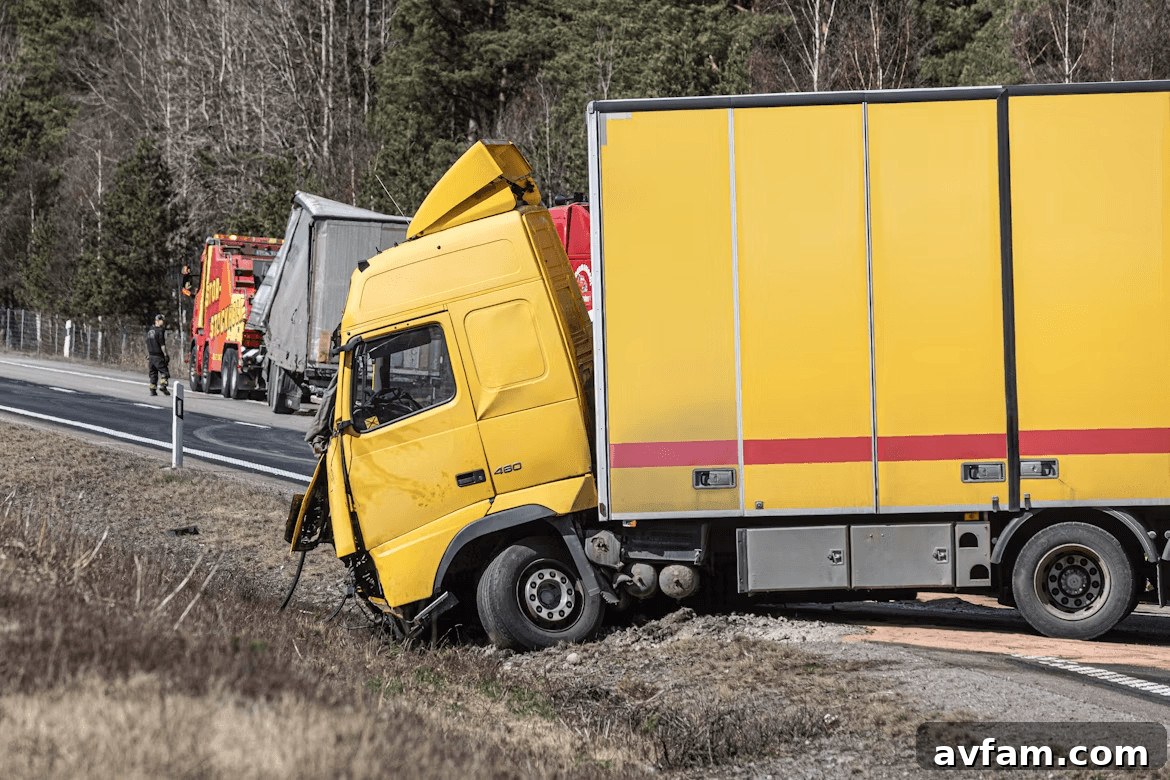
Shippers and cargo owners that load or supply freight can be liable when cargo is improperly packed or secured. Federal cargo securement standards in 49 C.F.R. Part 393 dictate how different cargo types must be restrained for road transport. If those standards are ignored and shifting or falling cargo causes a crash, the shipper may be independently negligent.
Freight brokers—who arrange transportation without taking physical possession of goods—can face negligent selection or supervision claims if they hire carriers with known safety problems. FMCSA’s Safety Measurement System (SMS) publicly reports carriers’ safety performance across several categories. Brokers that contract with carriers who have adverse SMS records, and who fail to investigate or disclose known safety risks, may share liability if an accident follows.
The Vehicle or Component Manufacturer
When mechanical defects or component failures contribute to a crash, manufacturers or parts suppliers can be responsible under product liability theories. Common defect categories in truck collisions include brake system failures, tire defects, steering or suspension failures, and problems in electronic stability or control systems. Product liability claims may involve strict liability for defective design or manufacture, or claims that a manufacturer failed to warn about known risks.
Preserving mechanical evidence is essential for product defect claims. The vehicle or the suspected defective component should be preserved for expert examination before repairs or scrapping. Event data recorders (so-called “black boxes”) can provide data about vehicle speed, braking, deceleration and driver inputs in the seconds before a crash, and are often central to reconstructing what happened.

Because evidence can be altered or lost, attorneys commonly send preservation notices to all potentially responsible parties soon after a serious collision to prevent spoliation of critical records and components.
Federal Regulations as the Framework for Liability Analysis
FMCSA’s Federal Motor Carrier Safety Regulations establish the standards of care for carriers, drivers and vehicles that operate in interstate commerce. Violations of these rules are admissible in civil litigation as evidence of negligence and provide a clear framework for demonstrating breach. Key documentary evidence often includes driver logs and ELD data, personnel records, drug and alcohol testing results, vehicle inspection and repair logs, and accident reports.
FMCSA’s Safety Measurement System evaluates carriers across seven Behavior Analysis and Safety Improvement Categories (BASICs): Unsafe Driving, Hours-of-Service Compliance, Driver Fitness, Controlled Substances/Alcohol, Vehicle Maintenance, Hazardous Materials Compliance, and Crash Indicator. Elevated BASIC scores near the time of a crash can support claims that a carrier had a documented safety problem that contributed to the collision.
In complex truck accident cases, combining a factual investigation with regulatory analysis and preserved technical evidence is essential to identify liable parties and pursue appropriate recovery for injuries, property damage and related losses.