

A roof deck can appear solid from the outside while hidden problems quietly worsen, eventually requiring costly repairs. Minor issues such as trapped moisture, loose or warped boards, and failing coatings rarely stay small. Knowing what to watch for and how professionals address these problems helps prevent escalation and manage repair costs.
This article outlines common roof deck issues and practical solutions professionals use to protect the structure and extend the deck’s lifespan.
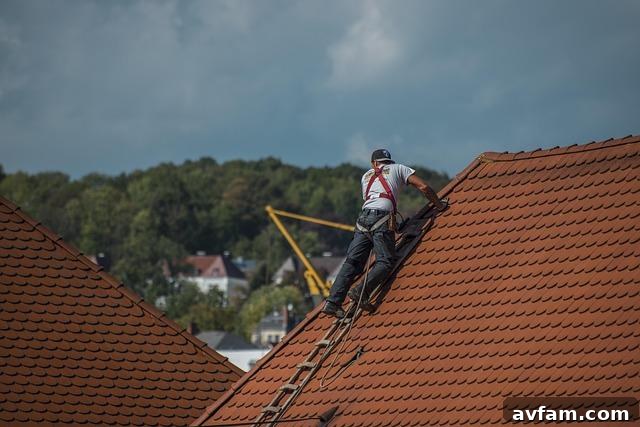
Water Damage and Moisture Buildup
Water is the primary cause of roof deck deterioration. Poor drainage, blocked outlets, or low spots allow moisture to sit on the surface and work its way into the structure, causing rot and weakened supports. Early signs include soft spots when walked on, dark or discolored areas, and a persistent musty odor.
Professionals first locate all points of water entry, then remove and replace any compromised materials. Thorough drying and the use of treated wood or reinforced layers restore structural integrity. Often, technicians also reconfigure or improve drainage paths—adding or clearing drains and adjusting slopes—to stop water from pooling and reduce the chance of recurrence.
Cracks and Surface Deterioration
Cracks and surface wear result from long-term sun exposure, temperature changes, and general aging. Even hairline cracks let water penetrate the deck, accelerating internal damage. Signs of surface deterioration include peeling, flaking, blistering, or uneven patches across the deck.
Repair methods depend on the severity. Small cracks are commonly filled with compatible sealants or patch systems designed for the deck material. Larger damaged zones may require removal and replacement of sections. After repair, a protective finish or coating is applied to seal the surface and slow future deterioration.
Loose or Warped Boards
Boards loosen or warp over time due to moisture cycling, thermal expansion, and mechanical stress. Warped boards create uneven walking surfaces and can compromise the deck’s structural performance. While these problems may seem cosmetic at first, they can quickly worsen if not addressed.
Experts typically follow a systematic process:
- Assess the extent of movement and identify affected areas
- Secure loose boards or replace those beyond repair
- Use proper fasteners and fastening patterns to reinforce connections
- Inspect surrounding framing and sheathing for hidden weaknesses
This process restores stability, improves safety, and prolongs the deck’s service life.
Poor Drainage System Issues
Inadequate drainage produces standing water that increases load and accelerates material breakdown. Blocked drains, insufficient scuppers, or improper deck slope allow water to collect in low spots, which weakens membranes and underlying structures.
Technicians evaluate slope and flow, then implement targeted fixes: clearing or enlarging drains, adding scuppers or overflow outlets, and subtly re-sloping the deck where needed. These adjustments reduce prolonged water exposure, lowering ongoing maintenance needs and limiting structural damage.
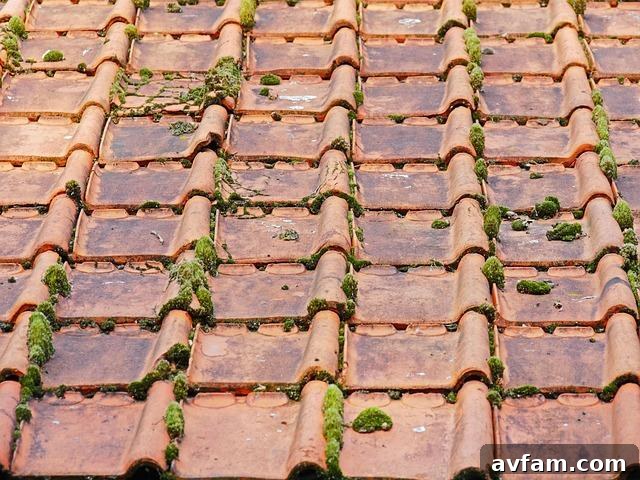
Coating and Sealant Failure
Protective coatings and sealants break down with time under ultraviolet light, temperature swings, and weather cycles. When coatings fail, the deck surface becomes vulnerable to moisture and heat, leading to cracks, leaks, and accelerated wear.
Proper repair begins with removing all failed or loose coating material and thoroughly preparing the substrate. Professionals focus on seams, flashing, edges, and other high-stress spots before applying a new, compatible coating system. When properly selected and applied, coatings provide a durable barrier that significantly extends the deck’s life.
Professional Expertise Makes a Difference
Many roof deck problems remain hidden until a trained technician inspects the structure. Skilled professionals recognize subtle warning signs that homeowners may miss and use specialized tools and methods to diagnose issues accurately without causing extra damage.
Experienced teams select appropriate materials, follow industry best practices, and ensure repairs meet safety and performance standards. That careful approach reduces repeat work, preserves structural integrity, and delivers longer-lasting results. Routine inspections, early moisture control, and timely surface maintenance are key to avoiding major repairs and keeping long-term costs down.
Handling roof deck issues early and correctly preserves safety, prevents extensive damage, and minimizes repair frequency. Professional assessment and timely intervention—whether improving drainage, replacing boards, repairing cracks, or renewing coatings—keep roof decks reliable and help protect the building investment for years to come.