
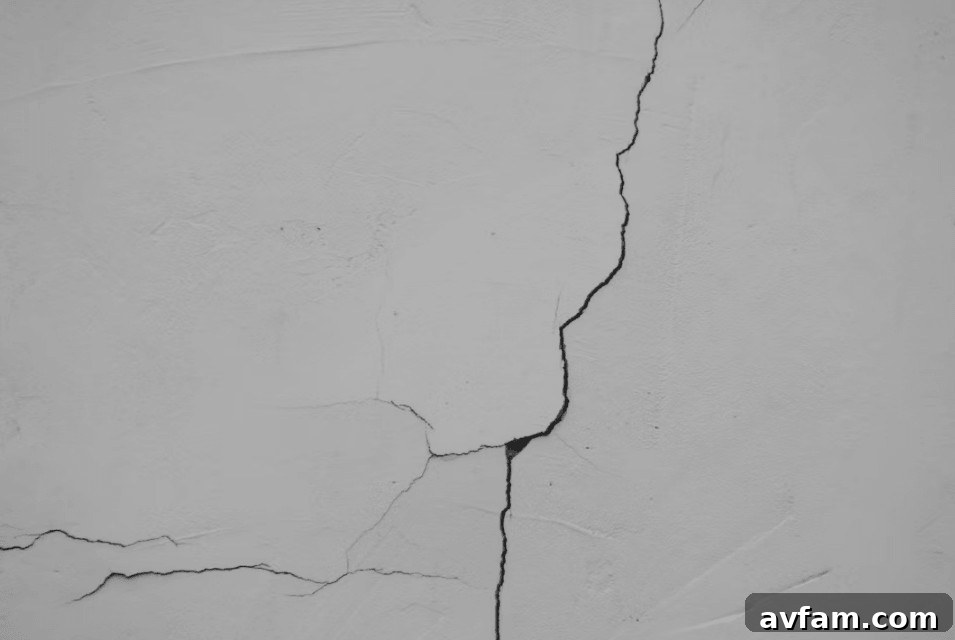
If you live in Tucson long enough, you’ll notice stucco cracks on many houses in the neighborhood, including your own. That doesn’t necessarily mean poor construction. Instead, it reflects the hard, persistent stresses that exterior finishes endure in a desert environment.
The more useful question isn’t whether stucco will crack, but which cracks are merely cosmetic and which are early signals of a deeper problem that needs attention.
Why Tucson’s Climate Makes Cracking Inevitable
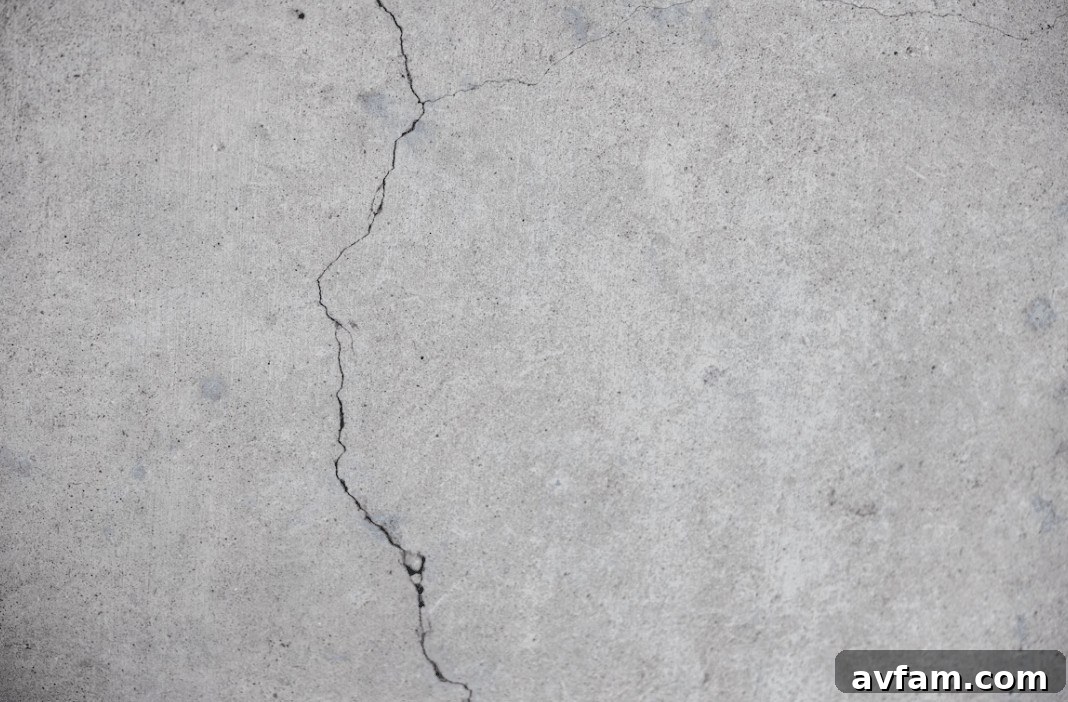
Image credit: Matt Bango, Unsplash
Tucson experiences large temperature swings throughout the year. It’s common to see 30–40°F differences between the morning low and the afternoon high on many days. Stucco expands when it heats and contracts as it cools; repeated thermal cycling gradually stresses the material and promotes cracking over time.
Monsoon rains add a different kind of stress. Sudden, heavy downpours saturate the soil around foundations, and Tucson’s caliche-rich soils don’t drain well, which can cause soil movement. That movement translates into additional stresses at corners, where walls meet foundations, and around openings like windows and doors—places where the wall’s structural dynamics change and cracking is more likely to develop.
How to Tell Cosmetic Cracks From Warning Signs
Narrow, hairline cracks under about 1/8 inch that run in a relatively straight line are usually cosmetic. These are commonly caused by normal expansion and contraction and are often repaired effectively with an elastomeric caulk or finish coat.
Cracks wider than 1/8 inch or those with a stair-step pattern that follow mortar joints deserve closer inspection. Patterns like these commonly indicate movement in the substrate—often from soil shifting or a structural concern—rather than just surface-level thermal stress.
Pay special attention to cracks that come with bulging, soft spots, or staining. Those signs often point to water intrusion that has reached the base coat or lath beneath the stucco finish. When moisture has penetrated that deeply, a simple surface patch is unlikely to resolve the problem; professional intervention is usually required to locate and stop the water path and to repair the damaged layers.
White, chalky residue on the stucco—known as efflorescence—is mineral salt left when moisture evaporates out of the material. It’s more than cosmetic: it signals active moisture movement through the stucco. Cleaning the surface won’t fix the underlying issue, so tracing and addressing the source of the water is essential.
Why Timing Matters More Here Than in Other Climates
Even small hairline cracks can admit water and dust. During monsoon season, heavy rains can exploit minor gaps, allowing water to reach the base coat or lath. Once moisture gets behind the finish, damage can escalate rapidly. A prompt repair in the $150–$300 range for a small crack can prevent a much larger, multi-thousand-dollar repair or full re-stucco project later on.
Why Elastomeric Coatings Need More Frequent Attention Here
Many Tucson homes use elastomeric paints or coatings over stucco. These flexible finishes are designed to bridge hairline cracks and provide an additional layer of resistance to water.
However, Tucson’s intense sunlight and high UV index degrade elastomeric coatings faster than in milder climates. A coating that might last eight to ten years in cooler regions often needs reapplication more frequently here—typically every five to seven years—to continue protecting the surface and preventing previously bridged cracks from reopening as water pathways.
What a Proper Assessment Actually Involves
A thorough evaluation looks beyond visible cracks. Inspectors check for soft spots, bulging, staining, and efflorescence, and they trace likely moisture paths instead of treating each crack in isolation. That kind of diagnostic work determines whether a localized spot repair will suffice or whether a larger restoration is necessary.
Getting an Accurate Read on Your Specific Cracks
Because the line between cosmetic and structural stucco damage isn’t always obvious at a glance, a professional assessment is a modest investment that can prevent costly mistakes. A qualified stucco repair contractor will start with a careful evaluation to separate normal, climate-driven cosmetic cracking from true warning signs of moisture infiltration or structural movement.
If you’re unsure about a crack on your home, document its size and pattern, note any associated soft spots or staining, and schedule an evaluation. Early, accurate diagnosis is the best way to keep repair costs down and preserve the integrity of your stucco in Tucson’s demanding climate.