
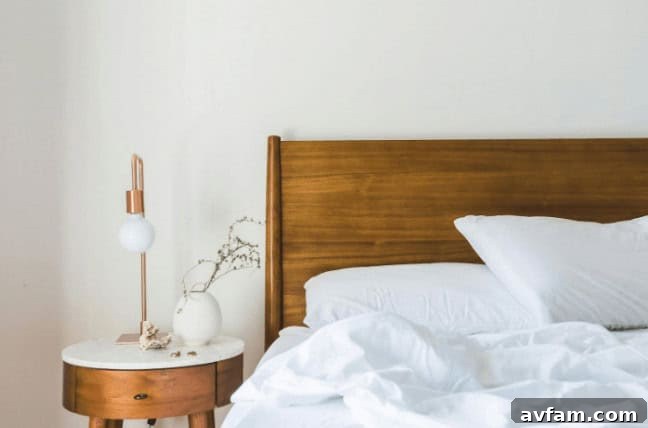
Decorating a small bedroom presents a unique set of challenges and opportunities. When every square foot counts, the goal is to create a space that feels comfortable, organized, and stylish without becoming cramped or overwhelming. Unlike larger rooms that offer vast flexibility, compact bedrooms demand meticulous planning and clever design choices to maximize their potential.
The good news is that even the most modest bedroom can be transformed into a functional and aesthetically pleasing sanctuary. By strategically employing smart furniture solutions, optimized lighting techniques, and innovative storage options, you can craft a personal retreat that feels both expansive and inviting. This comprehensive guide will explore practical and stylish small bedroom ideas designed to help you make the absolute most of your available space, proving that size is no barrier to comfort and elegance.

Instant Impact: Quick Small Bedroom Design Ideas
For those looking for immediate improvements, these actionable tips can quickly enhance the feeling of space and order in a small bedroom:
- Utilize light and neutral wall colors to foster a sense of openness and airiness.
- Invest in a bed frame equipped with built-in drawers or storage compartments to save floor space.
- Install floating shelves or wall-mounted units to free up valuable floor area.
- Opt for wall-mounted lighting fixtures, such as sconces or recessed lights, instead of bulky table lamps.
- Minimize visible surfaces and clutter to create a clean, unobstructed visual flow.
Practical Small Bedroom Ideas That Master Space Efficiency
Transforming a small bedroom requires thoughtful design decisions focused on functionality, aesthetics, and spatial perception. These detailed strategies go beyond quick fixes to fundamentally enhance your compact living area.
Embrace Light and Neutral Color Palettes
While dark, dramatic hues can create a cozy atmosphere in larger rooms, they often make small spaces feel enclosed and smaller. For a truly expansive feel, gravitate towards light and neutral colors for your walls. Shades like soft whites, pale grays, soothing blues, and warm beige tones are excellent choices because they reflect natural and artificial light, amplifying brightness and making the room appear larger and more open.
These calming tones also contribute to a serene and tranquil environment, essential for a bedroom. If you adore deeper colors, consider integrating them strategically through smaller accents like throw pillows, a statement piece of artwork, or luxurious bedding. This approach allows you to infuse personality without sacrificing the airy feel that light walls provide. Moreover, a monochromatic scheme using varying textures within a neutral palette can add depth and sophistication without overwhelming the space.
Select Furniture Scaled for the Room
The cardinal rule for small bedrooms is to choose furniture that perfectly fits the room’s dimensions. Oversized pieces will quickly consume precious space, making the room feel cramped and awkward. Instead, prioritize pieces that offer utility and comfort without dominating the footprint.
Multi-functional furniture is a game-changer for small spaces. For example, a bed with integrated storage drawers underneath is an invaluable asset for stowing away linens, seasonal clothing, or extra bedding. Ottoman benches at the foot of the bed can serve as seating, extra storage, and even a temporary desk. Slim dressers, narrow nightstands, and compact desks are designed to fit snugly against walls, keeping walkways clear and maintaining an organized aesthetic. Before purchasing, measure your space carefully and visualize how each piece will fit to ensure optimal flow and functionality.
Maximize Vertical Space with Smart Storage
When floor space is at a premium, thinking vertically becomes paramount. Utilizing the full height of your walls can unlock a wealth of storage and display opportunities without encroaching on the room’s footprint.
Wall-mounted shelves are ideal for books, decorative items, or small plants, keeping surfaces clear and drawing the eye upward. Consider floor-to-ceiling bookcases or custom built-in units that seamlessly blend with your wall, offering extensive storage for various items. Floating desks or wall-mounted vanity tables can provide functional workspaces or grooming areas without requiring dedicated floor space. Even your headboard can be a storage solution, with designs that incorporate shelving or compartments. Hanging artwork higher on the walls or installing tall, narrow mirrors can also visually elevate the ceiling, making the room feel taller and more spacious. This strategic use of vertical real estate not only organizes your belongings but also creates a sense of balance and openness.
Optimize Lighting: Simple, Practical, and Illuminating
Effective lighting is crucial for both functionality and mood in any bedroom, but especially in a small one where traditional fixtures can be cumbersome. Bulky bedside table lamps or floor lamps occupy valuable surface and floor space, contributing to a cluttered feel. The solution lies in embracing sleek, space-saving lighting options.
Consider installing bedside wall sconces or swing-arm lamps that mount directly to the wall, providing focused task lighting for reading without cluttering your nightstands. Recessed ceiling lights offer general ambient illumination that is virtually invisible, maintaining a clean aesthetic. Dimmers are also an excellent addition, allowing you to adjust the light intensity to create different moods, from bright and energizing to soft and relaxing. Thoughtful lighting not only serves a practical purpose but also enhances the perceived size and overall ambiance of your small bedroom.

Minimize Visual Clutter and Embrace Simplicity
Clutter is the arch-nemesis of a small space. An excess of items, even well-intentioned decor, can quickly make a room feel smaller, chaotic, and less inviting. To combat this, adopt a minimalist mindset when decorating your bedroom.
Start by decluttering mercilessly. Remove any items that don’t serve a purpose or bring you joy. Implement clever hidden storage solutions, such as under-bed containers, storage ottomans, or baskets, to tuck away essentials. On visible surfaces like nightstands or dressers, aim for a curated selection: perhaps a small plant, a decorative tray to hold essentials, and one or two meaningful photographs. The goal is to create “negative space” – clear, unobstructed areas that allow the eye to rest and contribute to a sense of calm and order. A clean, streamlined environment not only looks better but also feels more peaceful and spacious.
Incorporate Mirrors to Create Illusion
Mirrors are one of the oldest and most effective tricks for making a small room appear larger. They reflect light and create the illusion of depth, visually expanding the space. A large mirror leaning against a wall, or even a wall-mounted mirror strategically placed, can instantly transform the perception of your bedroom.
Consider placing a mirror opposite a window to reflect natural light and outdoor views, bringing more brightness and a sense of connection to the outside world into your room. Mirrored closet doors can also serve a dual purpose, offering full-length reflection while making a small space feel significantly larger. Be mindful of what the mirror reflects; ensure it bounces back appealing views rather than clutter.
Strategic Furniture Arrangement and Layout
The way you arrange your furniture can dramatically impact how spacious and functional your small bedroom feels. Often, placing the bed against the longest wall or in a corner can free up crucial floor space for movement.
Consider creating clear pathways to avoid a cramped feeling. Avoid placing furniture directly in front of windows or doors unless absolutely necessary. If your room is very narrow, consider a daybed or a pull-out sofa bed that can serve multiple functions. Think about the flow of traffic in the room and ensure there’s enough space to move around comfortably without bumping into furniture. Sometimes, even angling the bed slightly can open up a surprising amount of space and create visual interest.
Thoughtful Use of Textiles and Patterns
While light colors are key, textiles and patterns can add warmth, texture, and personality to a small bedroom without making it feel smaller. The trick is to use them wisely.
Opt for subtle patterns or textures on bedding, curtains, and rugs. Large, busy patterns can be overwhelming in a small space, so choose smaller, repetitive prints or tone-on-tone designs. Vertical stripes, even subtle ones, can help draw the eye upward, reinforcing the illusion of height. Light, flowing fabrics for curtains, like sheer linen, will allow natural light to filter through, maintaining an airy feel, rather than heavy, dark drapes that can absorb light and make the room feel closed in. Layering different textures in similar color tones can create depth and coziness without adding visual bulk.
Conclusion: Your Small Bedroom, Reimagined
A small bedroom doesn’t have to equate to cramped or cluttered living. By applying these smart design principles, you can transform even the most compact space into a highly functional, comfortable, and visually appealing retreat. Focusing on strategic choices such as light color palettes, properly scaled and multi-functional furniture, intelligent lighting solutions, and efficient vertical storage, allows you to maximize every inch.
Embracing simplicity, minimizing clutter, and understanding how to manipulate visual perception with elements like mirrors and thoughtful layouts are key to creating a serene and spacious environment. With the right adjustments and a bit of creativity, a smaller room can offer just as much comfort, style, and practicality as a larger one, becoming a true testament to the power of thoughtful design.