
A home is more than just a place to live; it’s a significant investment and a sanctuary. Yet, beneath its surface and behind its walls, numerous hidden hazards can silently erode its value and threaten your family’s safety. A seemingly minor issue, like a dripping faucet, a subtle crack in the foundation, or a faint musty smell in the basement, often serves as an early warning sign of something far more serious. Homeowners frequently overlook these initial signals, dismissing them as minor annoyances until they escalate into major, budget-breaking catastrophes.
The critical difference between a manageable $200 repair and a daunting $20,000 renovation often hinges on proactive intervention and timely detection. Hidden home hazards possess a notorious ability to compound quietly over time. Without consistent preventative maintenance, what begins as a simple, inexpensive fix can spiral into an extensive, costly repair project before the true extent of the damage is even recognized. The inherent challenge for most homeowners lies in the deceptive nature of these early warning signs – they rarely appear serious enough to warrant immediate attention, lulling residents into a false sense of security.
Understanding the subtle cues your home provides is paramount. Ignoring these signs not only risks significant financial burden but can also compromise the structural integrity of your property and create unsafe living conditions. This comprehensive guide aims to shed light on these often-overlooked home issues, detailing their potential costs, the early indicators to watch for, and the preventative measures you can take to protect your home and your wallet from unexpected, expensive surprises.

The Staggering Costs of Overlooked Home Issues
The financial impact of neglecting minor home issues can be truly staggering, turning what could have been a routine maintenance expense into a major financial setback. Understanding the potential costs associated with common home failures underscores the importance of early detection and preventative care.
Foundation repair, a critical structural component, can easily range from $4,000 to well over $10,000 once cracks spread deeply and widely enough to compromise the integrity of your home’s base. The cost varies significantly based on the severity of the damage, the type of foundation, and the repair methods required, such as piering, slab jacking, or extensive crack sealing.
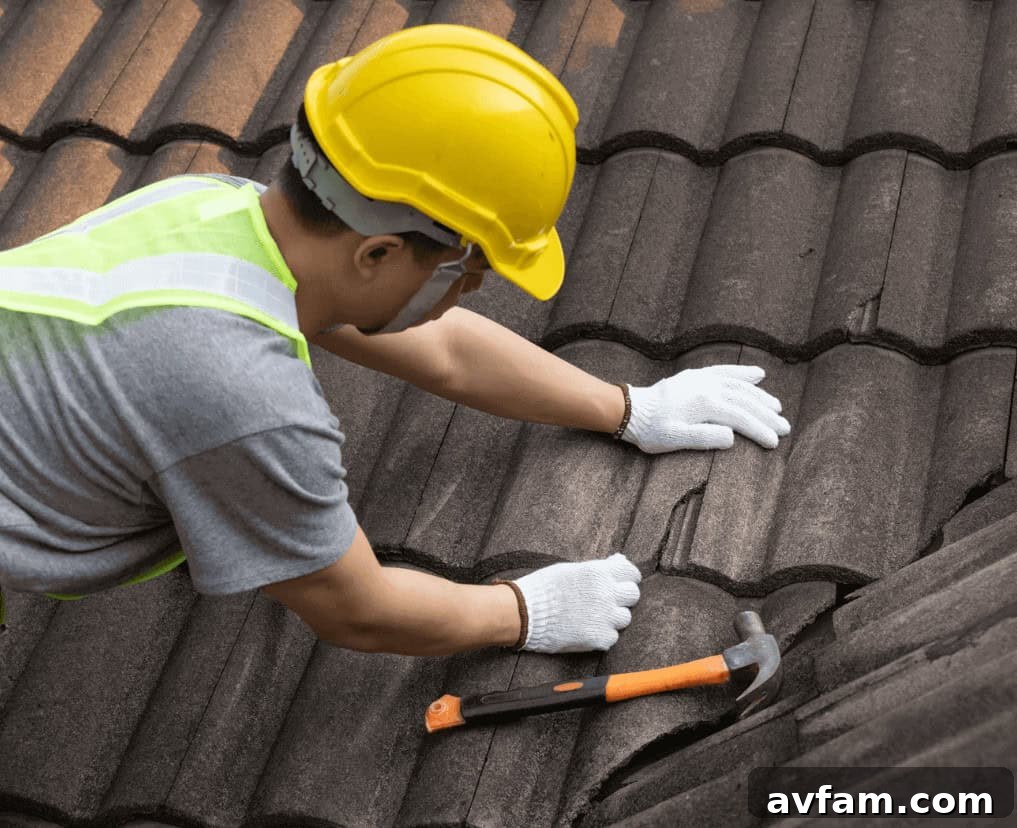
Roof repair or a complete roof replacement typically represents another substantial investment, commonly running between $5,000 and $10,000. This figure can climb much higher for larger homes, premium materials, or complex roof designs. Factors like widespread shingle damage, severe leaks, or compromised underlying decking all contribute to escalating costs.
A failed HVAC system replacement, crucial for your home’s comfort and air quality, can land somewhere between $7,000 and $10,000. This expense often includes the unit itself, installation labor, and potentially ductwork modifications. The sudden failure of a heating or cooling system can not only be costly but also highly inconvenient, especially during extreme weather.
Electrical rewiring, frequently necessitated by outdated, damaged, or insufficient electrical panels and wiring systems, can cost anywhere from $4,000 to $12,000, depending on the age and size of the home and the complexity of the existing wiring. This essential upgrade prevents fire hazards and ensures your home can safely handle modern electrical demands.
Even water damage restoration, which many homeowners initially assume will be a minor cleanup, frequently falls between $1,000 and $5,000. This range covers everything from drying out minor leaks and replacing damaged drywall to extensive mold remediation and structural repairs if the water has seeped into multiple layers of the home.
The common thread across all these major home systems is the pattern of escalation: each one begins with a small, seemingly ignorable warning sign—something easy to dismiss in the hustle of daily life. Structural damage, such as foundation settling, doesn’t just threaten the house’s integrity; it also creates tangible safety risks, leading to uneven floors and stairs. For homeowners with mobility concerns, these subtle shifts can significantly increase fall risks, necessitating consultation with a trusted stairlift dealer to ensure safety while crucial repairs are underway. Understanding precisely what these early signals look like is the critical difference between a manageable weekend fix and a repair bill that demands a complete reshaping of a household budget.
Structural Damage: The Hidden Costs That Start Underfoot
Among the most expensive repairs a homeowner might face, those involving the fundamental structure of the house almost always top the list. When the foundation shifts or the roof fails, the costs multiply rapidly because these critical systems are responsible for protecting everything else within the home, from internal finishes to personal belongings.
Foundation Cracks and Progressive Settling
Most foundation issues originate as small, often hairline cracks that appear harmless and inconsequential. The insidious problem, however, is that these cracks are dynamic; they widen and deepen seasonally, driven by temperature fluctuations, freeze-thaw cycles, and soil movement. With each cycle, moisture seeps further into the concrete, exacerbating erosion and weakening the foundation.
Early warning signs of foundation settling rarely appear on the exterior alone. Instead, they tend to manifest inside the home first. Be vigilant for doors that suddenly stick or refuse to latch properly, windows that become difficult to open or close, noticeable unevenness in floors, and gaps appearing between walls and ceilings. Cracks in drywall, especially those that radiate from door and window frames, are also strong indicators. These internal clues signal that foundation settling has already progressed beyond superficial damage and is impacting the structural integrity of your home.
Effective prevention of foundation problems begins with meticulous attention to the exterior drainage around your home. Poor drainage and improper grading allow rainwater to pool near the foundation, accelerating soil erosion, increasing hydrostatic pressure against the foundation walls, and potentially leading to significant water intrusion. Proactive measures include extending downspouts away from the house by at least five to ten feet, regrading the soil to ensure it slopes away from the structure at a minimum of six inches over ten feet, and consistently keeping gutters clear of leaves and debris. These seemingly simple tasks can significantly slow or even prevent the onset of major foundation repair needs, saving homeowners tens of thousands of dollars.
Roof Deterioration You Can’t Always See
Roof damage rarely announces itself with the drama of a sudden, catastrophic leak. More often, the initial warning signs are subtle, easily overlooked, and indicative of slow, progressive deterioration. These include missing, cracked, or curling roof shingles, which reduce the roof’s protective capabilities. Granule buildup accumulating in gutters is another key indicator, signifying that your shingles are losing their protective top layer and nearing the end of their lifespan. Faint streaks of daylight visible through the attic boards or sagging areas on the roof deck are undeniable signs of advanced structural compromise.
It’s important to recognize the interconnectedness of home systems: those same clogged gutters that threaten your foundation by directing water improperly also trap moisture along the roofline. This trapped water can lead to the accelerated rotting of fascia boards, soffits, and eventually compromise the underlying roof decking. This direct link makes diligent gutter maintenance one of the most cost-effective and essential ways to protect both the uppermost and lowermost structural components of a home.
To proactively manage roof health, an annual professional roof inspection is invaluable. These inspections can identify deterioration early, often before it becomes visible from the ground. Prompt replacement of damaged or missing shingles, along with routine clearing of debris from roof valleys and flashing areas, can significantly extend a roof’s lifespan. Addressing these minor issues swiftly keeps roof repair costs well below the threshold of a full roof replacement, translating into substantial long-term savings for homeowners.

Source
Pest Damage: The Silent Destroyer That Goes Unnoticed for Years
Pest infestations, particularly by termites, represent another significant hidden hazard that can inflict devastating and costly structural damage to a home. Termites operate with silent efficiency, often feeding on a home’s structural wood for years, even decades, before their presence is discovered. This stealthy destruction accounts for an estimated $5 billion in U.S. property damage annually, making them one of the most destructive pests. While the average termite repair typically runs around $3,000, cases involving extensive structural compromise can easily push costs far higher, often into the tens of thousands.
The warning signs of a termite infestation are notoriously subtle and easy to miss without a deliberate and informed inspection. Homeowners should be vigilant for specific indicators: thin, pencil-sized mud tubes running along foundation walls, which subterranean termites use for shelter and transportation. Wood that sounds hollow when tapped, particularly floorboards or baseboards, can indicate internal tunneling. Small piles of discarded wings, often resembling tiny fish scales, found near windowsills, doors, or light fixtures, signal a recent swarm, where reproductive termites have left the nest to establish new colonies. These clues, if spotted, necessitate immediate action.
What makes pest damage, especially from termites, particularly costly is the significant insurance gap. The vast majority of standard homeowner’s insurance policies explicitly exclude coverage for termite damage, classifying it as a maintenance issue rather than a sudden, unforeseen event. This places the full financial burden of inspection, treatment, and structural repairs squarely on the homeowner, highlighting the critical importance of preventative measures.
Annual professional pest inspections remain the most reliable and effective prevention tool against termites and other wood-destroying organisms. Homeowners residing in termite-prone regions, especially those with warmer climates or higher humidity, should regularly engage a certified exterminator. These professionals possess the expertise and tools to thoroughly assess the home’s perimeter, crawl spaces, attic, and all wooden structures for signs of activity. Their trained eyes can spot the subtle indicators that DIY checks often miss, providing peace of mind and protecting your investment. Catching termite activity early ensures that repair costs remain well below the catastrophic threshold where extensive structural replacement becomes necessary, transforming a potential nightmare into a manageable problem.
Water and Plumbing Failures: A Constant Threat to Home Integrity
Plumbing neglect stands as the single most common source of home damage claims, underscoring the pervasive threat water poses to residential properties. Water possesses an uncanny ability to find its way into every gap, crevice, and vulnerable point in a home’s structure. By the time water damage becomes visibly apparent—a telltale stain, a soft spot in drywall, or a pooling puddle—the repair costs have often already compounded exponentially due to extensive hidden damage.
Slow Leaks Behind Walls and Under Floors
One of the most insidious plumbing issues involves slow leaks occurring behind walls, under floors, or above ceilings. These leaks can persist for months, or even years, completely unnoticed, operating in stealth mode. By the time tell-tale water stains begin to appear on drywall, a persistent musty odor develops throughout the home, or an unexplained spike in the water bill occurs, the damage has typically spread far beyond the original leak point. This prolonged exposure to moisture creates the ideal environment for secondary issues.
Crucially, hidden moisture provides the perfect breeding ground for mold growth. Mold removal, or remediation, is a specialized and often expensive process, typically costing anywhere from $1,000 to $4,000, though larger infestations can be significantly more. This expense frequently catches homeowners off guard, especially since the initial leak itself might have seemed minor or went entirely unnoticed. Beyond the financial cost, mold poses serious health risks, particularly for individuals with allergies or respiratory conditions. Proactive measures, such as regularly checking under sinks and around toilets for small drips, monitoring water pressure for sudden, inexplicable drops, and diligently watching for any discoloration or softening on walls, ceilings, or floors, can help catch water damage before it compounds into a severe structural or health concern.
Water Heater and Sump Pump Neglect: Out of Sight, Not Out of Mind
Water heaters and sump pumps share a common vulnerability: they are often relegated to basements, utility closets, or crawl spaces, quietly performing their essential functions until they fail catastrophically. Water heater maintenance, while straightforward, is an alarmingly frequent casualty of homeowner neglect.
Flushing the water heater tank annually is a simple yet vital task that removes sediment buildup. This sediment not only reduces the unit’s efficiency, leading to higher energy bills, but also shortens its overall lifespan and can eventually cause tank failure, leaks, or even a complete flood. Beyond flushing, inspecting the anode rod every few years and replacing it when necessary can significantly extend the life of the tank by preventing corrosion.
Sump pumps carry similar, significant risks, particularly for homes in flood-prone areas or those with basements. Testing them seasonally, especially before periods of heavy rain or snowmelt, takes only a few minutes but can prevent thousands of dollars in water damage. Simply pour a bucket of water into the sump pit to ensure the pump activates, drains the water, and then shuts off. A sump pump that fails during a heavy storm can leave an entire basement inundated with water, leading to extensive property damage, mold growth, and costly restoration efforts. Installing a battery backup system for your sump pump is also a wise investment, ensuring protection during power outages.
Septic systems also fall squarely into this category of out-of-sight neglect. For homes not connected to municipal sewer systems, a well-maintained septic system is crucial. Septic system repair costs can escalate quickly and dramatically when routine pumping, recommended every three to five years depending on household size and usage, is postponed. Blockages, backups into the home, and full drain field replacements—which can cost upwards of $10,000 to $20,000—are far more expensive and disruptive than the scheduled maintenance that prevents them. Proper use, avoiding flushing non-biodegradable items, and limiting harsh chemicals are also vital for septic system longevity.
Electrical and Fire Risks Hiding in Plain Sight
The electrical system of a home is its nervous system, powering daily life. Yet, outdated or compromised wiring is one of the most insidious and overlooked electrical fire hazards, particularly in older homes. Houses constructed before the 1970s may still rely on antiquated electrical systems, such as aluminum wiring or knob-and-tube wiring. Both types carry a significantly higher fire risk compared to modern copper wiring systems due to their tendency to degrade, overheat, or develop loose connections over time.
The warning signs of an overloaded or faulty electrical system are often subtle but consistent, and should never be ignored. Flickering lights, especially when appliances turn on; outlets or switch plates that feel warm to the touch; the smell of burning plastic or insulation; and circuit breakers that trip frequently all suggest the electrical system is struggling to handle the current demand. Ignoring these signals allows the risk of an electrical fire to grow quietly, often behind walls where it’s unseen until it’s too late.
Electrical rewiring, while a significant investment typically costing between $4,000 and $12,000 depending on the home’s size and complexity, is a critical safety upgrade. This cost, however, pales in comparison to the devastating financial and emotional toll of a house fire, which can result in complete property loss, displacement, and a long, arduous recovery process. Upgrading your electrical system is an investment in safety and peace of mind.
Fire risk does not stop at the wiring panel; other common household items also pose significant threats. Clogged dryer vents, for example, are a leading cause of preventable house fires. According to the U.S. Fire Administration, an estimated 2,900 residential fires annually originate from clothes dryers. Lint buildup within the dryer vent hose and ductwork restricts airflow, causing the dryer to overheat and eventually igniting the highly flammable lint. This simple oversight carries immense danger.
In stark contrast to the potential devastation, dryer vent cleaning is one of the cheapest, fastest, and most impactful maintenance tasks available. Yet, most homeowners entirely skip it. A quick annual cleaning—or even more frequently for larger households or those with pets—removes this preventable fire risk for minimal effort and cost. Other important fire safety measures include regularly testing smoke and carbon monoxide detectors, never overloading electrical outlets, and ensuring flammable materials are stored safely away from heat sources.
A Simple Budget Rule to Stay Ahead of Home Repairs
Knowing what to look for in terms of hidden home hazards is only half of the equation for responsible homeownership. The other, equally crucial half involves proactively setting aside financial resources before problems manifest. Unexpected repairs can derail even the most carefully planned household budgets, making a dedicated maintenance fund essential.
A widely referenced and highly effective guideline for home maintenance budgeting is the 1% budgeting rule for home maintenance. This principle suggests that homeowners should allocate approximately 1% of their home’s purchase price each year toward ongoing upkeep and potential repairs. For instance, if your home was purchased for $300,000, this rule recommends setting aside roughly $3,000 annually. This annual allocation is typically sufficient to cover routine preventative tasks such as annual HVAC servicing, professional gutter cleaning, appliance maintenance, and addressing small issues before they have the chance to grow into expensive, urgent problems.
It’s important to adjust this guideline based on your home’s age and condition. Homes older than 10 years, or those with aging systems and components, typically require a higher investment in maintenance. In such cases, bumping that figure to 2% or even 3% of the home’s value can more realistically account for the increased likelihood of component failure, worn-out materials, and the need for more frequent or extensive repairs. This proactive budgeting approach transforms potential financial shocks into manageable, expected expenses.
The underlying math behind preventative maintenance is undeniably straightforward and compelling. Tasks like cleaning refrigerator coils, replacing worn weatherstripping around doors and windows, and regularly clearing clogged gutters cost almost nothing—perhaps a few dollars for supplies or a nominal fee for professional service—compared to the thousands required for an emergency HVAC replacement, extensive water damage restoration, or a foundation repair. These small, consistent tasks are crucial; they keep major systems running efficiently, extend the functional life of expensive components, and significantly delay the need for costly replacements.
In practical terms, spending a few hundred dollars annually on routine maintenance is an incredibly wise investment. It is far cheaper, less stressful, and less disruptive than waiting for a major system to fail unexpectedly, forcing an emergency repair that demands immediate and significant financial outlay. Preventative maintenance is not an expense; it is an essential safeguard for your most valuable asset.
Small Fixes Now, or Enormous Bills Later: The Choice is Clear
Every single expensive repair discussed in this article—from extensive foundation work and roof replacements to major plumbing overhauls and electrical rewiring—began in precisely the same way: as a small, often affordable problem that, for various reasons, went unaddressed. A barely noticeable hairline crack, a seemingly insignificant slow drip, a dryer vent gradually accumulating lint. The pattern is consistent and unwavering across all types of home hazards.
The choice presented to homeowners is ultimately simple yet profound: invest a modest amount of time and money in preventative maintenance now, or face the daunting prospect of enormous, emergency bills later. Implementing seasonal inspections and establishing a modest but dedicated preventative maintenance budget remain the most reliable and effective protections against the five-figure surprises that can devastate a household’s financial stability and peace of mind.
Even tackling just one item from this comprehensive list—whether it’s the simple act of flushing a water heater, ensuring gutters are clear, or conducting a quick visual inspection for pest activity—can lower long-term risk more significantly than most homeowners anticipate. Each small, proactive step contributes to the overall health and longevity of your home.
It’s a common misconception that the homes costing the least to maintain are always the newest or most recently constructed. In reality, the homes that incur the fewest and least expensive repairs over their lifetime are not necessarily the newest; they are consistently the ones where small problems are identified and fixed promptly, long before they have the chance to grow into major, expensive, and often dangerous catastrophes. Embrace preventative maintenance; it’s the smartest investment you can make in your home’s future and your family’s safety.