Unlocking Automotive Design: An Inside Look at Calty’s Creative Process
As someone deeply captivated by the intricate world of automotive design, the chance to immerse myself in the creative sanctuary of Calty Design Research was an opportunity I simply couldn’t pass up. Calty, renowned as Toyota’s pioneering vehicle design division, stands as a testament to innovation and visionary aesthetics. For decades, since its inception in the 1970s, Calty has been the driving force behind many of Toyota and Lexus’s most iconic and commercially successful vehicles. From the rugged versatility of the Highlander and the adventurous spirit of the FJ Cruiser to the groundbreaking design of the all-new 2021 Toyota Sienna, Calty has consistently been entrusted with the crucial task of bringing fresh, compelling design concepts to the market, shaping the future of mobility.
Calty Design Research: A Legacy of Automotive Innovation
Calty Design Research isn’t just a design studio; it’s a crucible where ideas are forged, refined, and ultimately brought to life, transforming into the vehicles we see on roads worldwide. Their impact extends far beyond mere aesthetics, influencing ergonomics, functionality, and the overall user experience. The studio’s enduring legacy is built upon a philosophy that balances global design trends with specific market needs, ensuring each vehicle resonates deeply with its intended audience. Their portfolio is a vibrant tapestry of automotive excellence, showcasing a remarkable ability to evolve with changing consumer tastes while maintaining a distinct design identity for both Toyota and Lexus brands. Understanding their process is truly understanding the genesis of modern automotive excellence.
The Art of Vehicle Sketching: From Concept to Blueprint
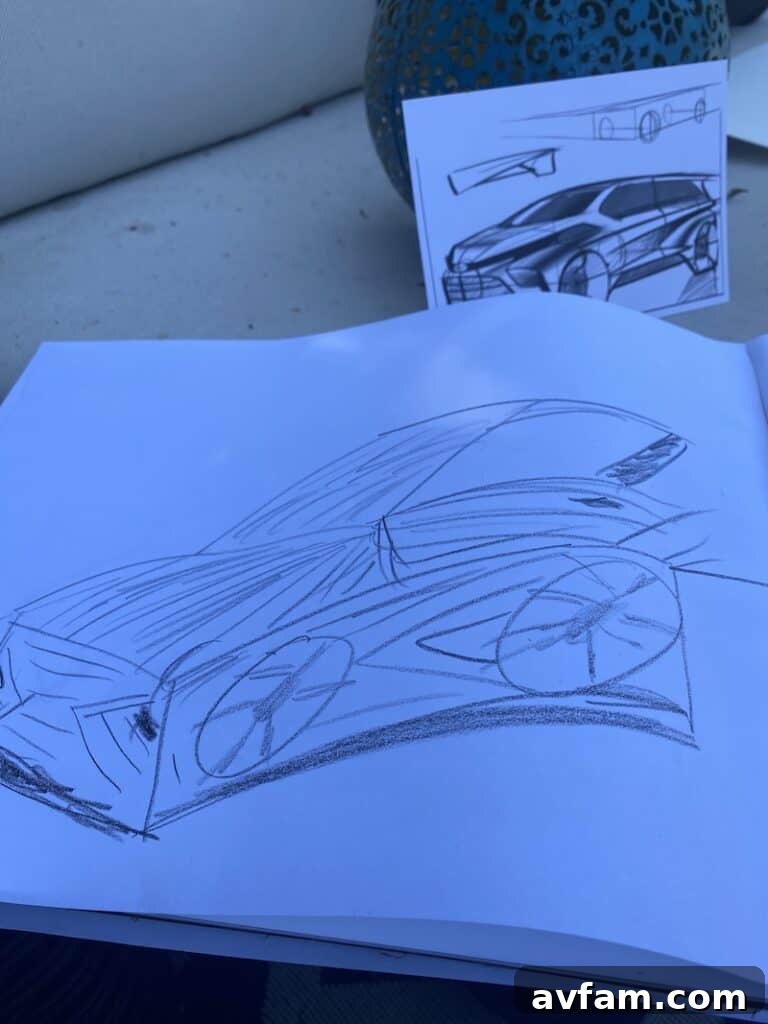
Embarking on the journey of vehicle sketching proved to be a humbling yet incredibly rewarding experience, especially for someone who doesn’t naturally identify as an artist. The initial blank page felt daunting, but the seasoned artists at Calty masterfully guided us through the intricate process. They started with fundamental principles, beginning with a basic rectangular perspective – essentially establishing the vehicle’s footprint and main volumetric mass on paper. From this foundational shape, we meticulously added wheels, refined contours, and progressively incorporated finer details such as headlights, grilles, character lines, and panel gaps. This step-by-step approach demystified what initially seemed like an insurmountable artistic challenge, breaking it down into manageable and understandable segments.
Iterative Design: Finding Inspiration in the Familiar
Our specific assignment was to draw inspiration from the distinctive design language of the Toyota Sienna. This approach allowed us to work within a defined framework, channeling our creativity while still exploring new possibilities for minivan aesthetics. The designers at Calty shared a crucial insight: there’s no single “wrong” way to sketch. Every line, every idea, no matter how unconventional it may seem initially, holds the potential to contribute to the final vision. This philosophy fosters an environment of fearless experimentation, where iteration and refinement are key. Each preliminary sketch acts as a stepping stone, building upon previous ideas until a cohesive and compelling design emerges.
The culmination of this sketching phase is the creation of a final, detailed drawing. This isn’t just a pretty picture; it serves as the precise blueprint for the subsequent stage: clay modeling. The accuracy and clarity of this final sketch are paramount, as it directly dictates the proportions, curves, and features of the physical model. In a real-world design scenario, this process would be far more comprehensive. A dedicated team of artists would meticulously render every angle of the vehicle’s exterior, including front, side, rear, and aerial views, along with an equally detailed exploration of the interior cabin. For our workshop, focusing on a single exterior angle provided a concentrated yet profound learning experience into the fundamentals of automotive form and perspective.
The Tactile World of Clay Modeling: Shaping Dreams into Reality
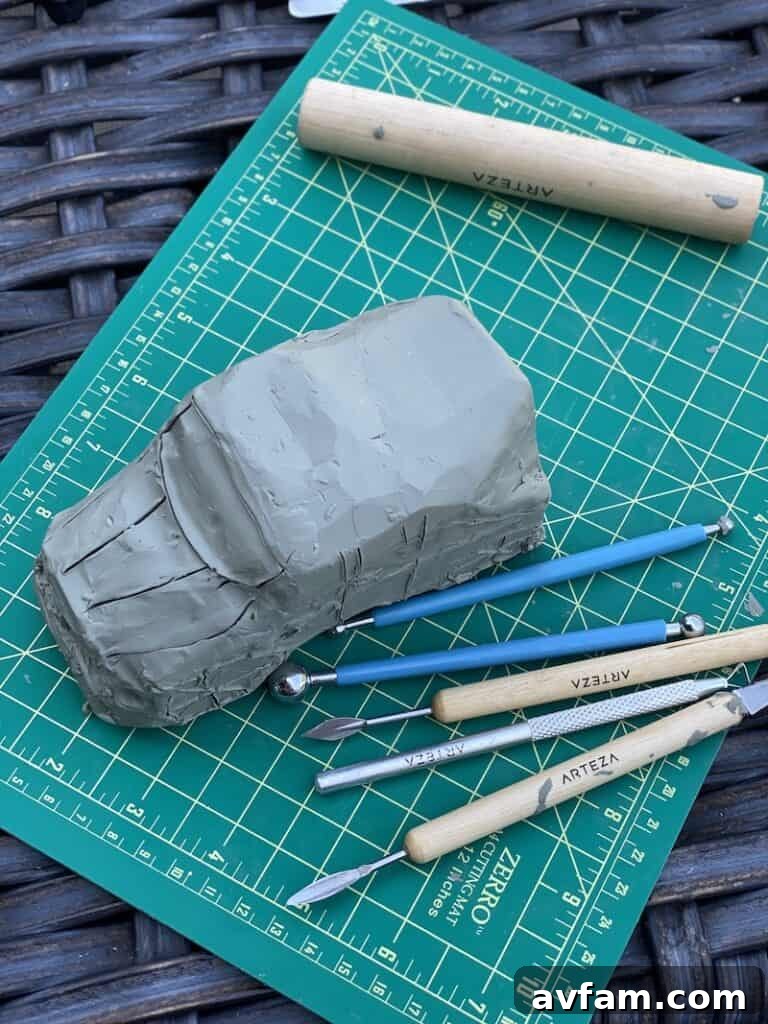
Once we achieved a sketch that satisfied our creative aspirations, the journey transitioned from the two-dimensional world of paper to the three-dimensional realm of clay. This tangible phase is where conceptual drawings begin to take on physical form, allowing designers to experience the vehicle’s proportions and contours in a truly immersive way. The experience immediately brought back nostalgic memories of playing with Play-Doh during childhood. Tapping into that innate tactile intuition of molding, carving, and shaping pliable material proved incredibly beneficial as we embarked on this sophisticated task of automotive sculpture. However, the specialized clay used in professional design studios is a far cry from the soft, vibrant Play-Doh of our youth.
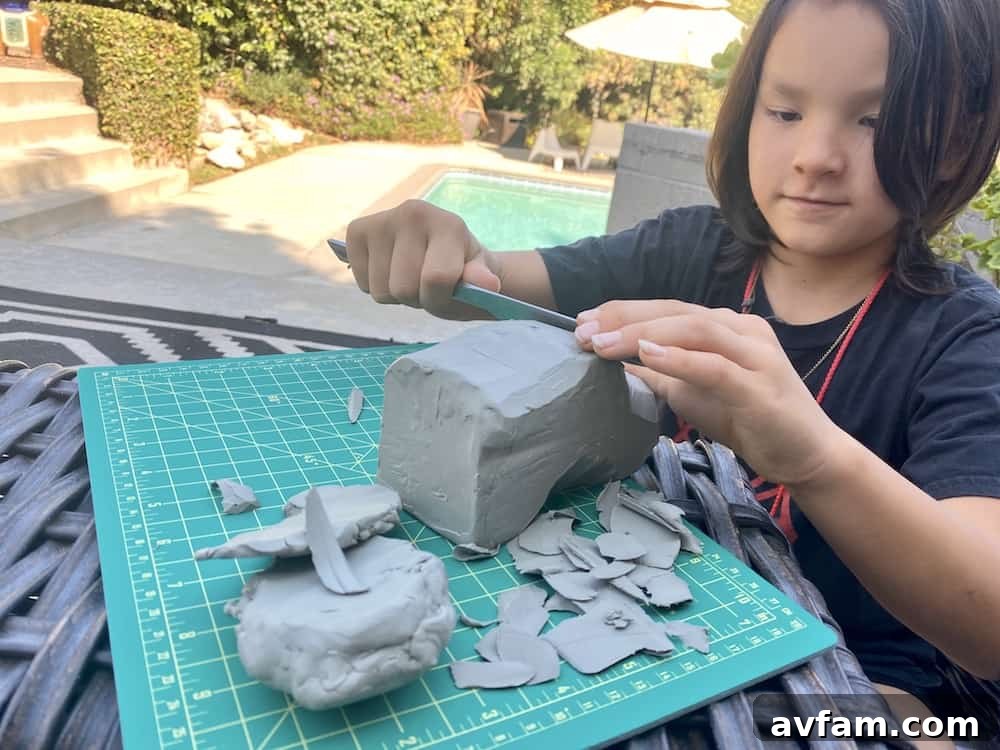
Initially, the automotive design clay we worked with was cold and remarkably rigid, making it quite challenging to manipulate. It required a significant amount of effort and persistence to begin shaping. However, as we continued to work with it, the friction and warmth from our hands gradually softened the material, transforming it into a more pliable medium that responded beautifully to our creative intentions. This initial struggle and subsequent reward mirrored the real-world challenges and satisfactions inherent in the industrial design process.
A Family Affair and the Living Art of Clay
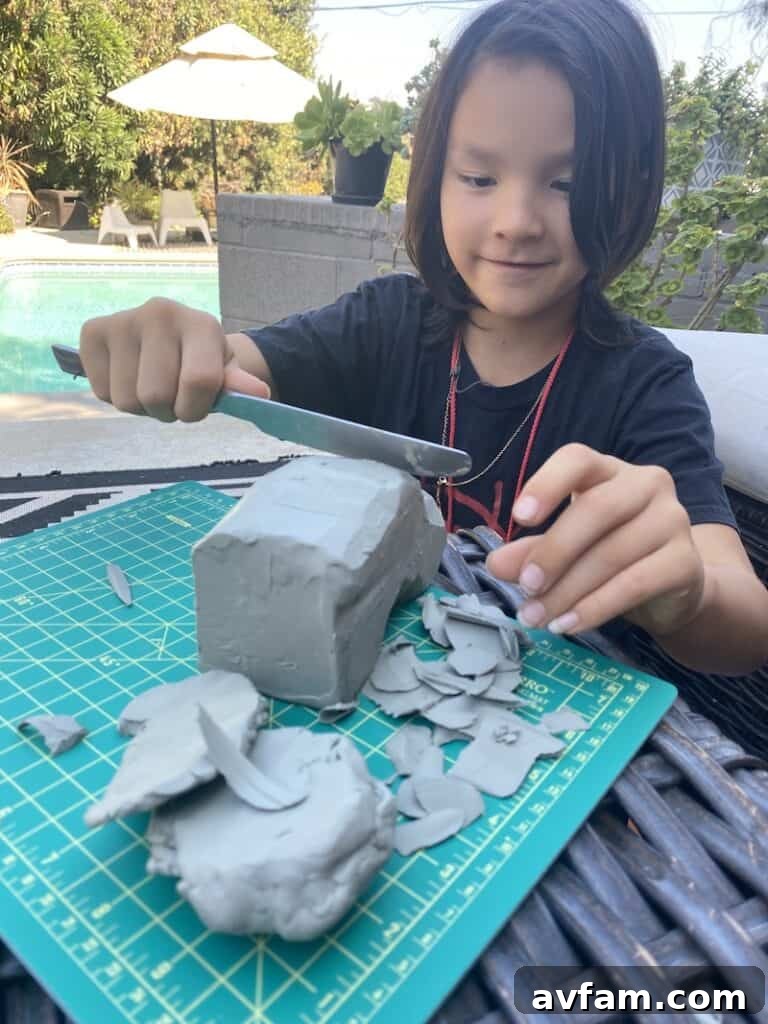
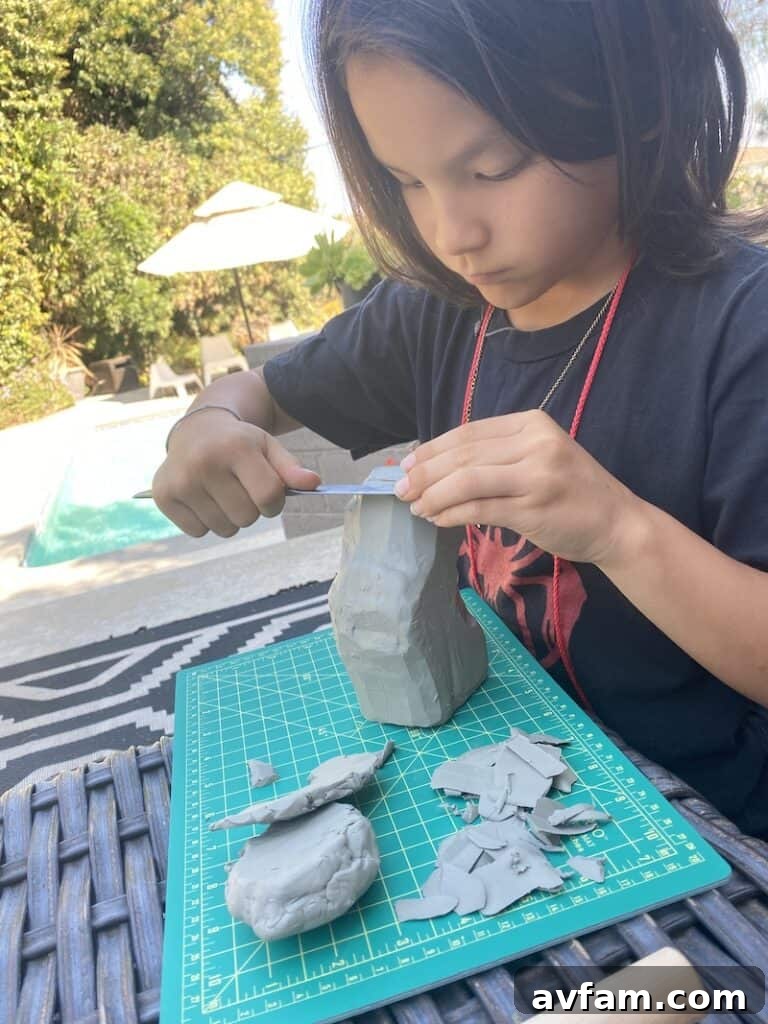
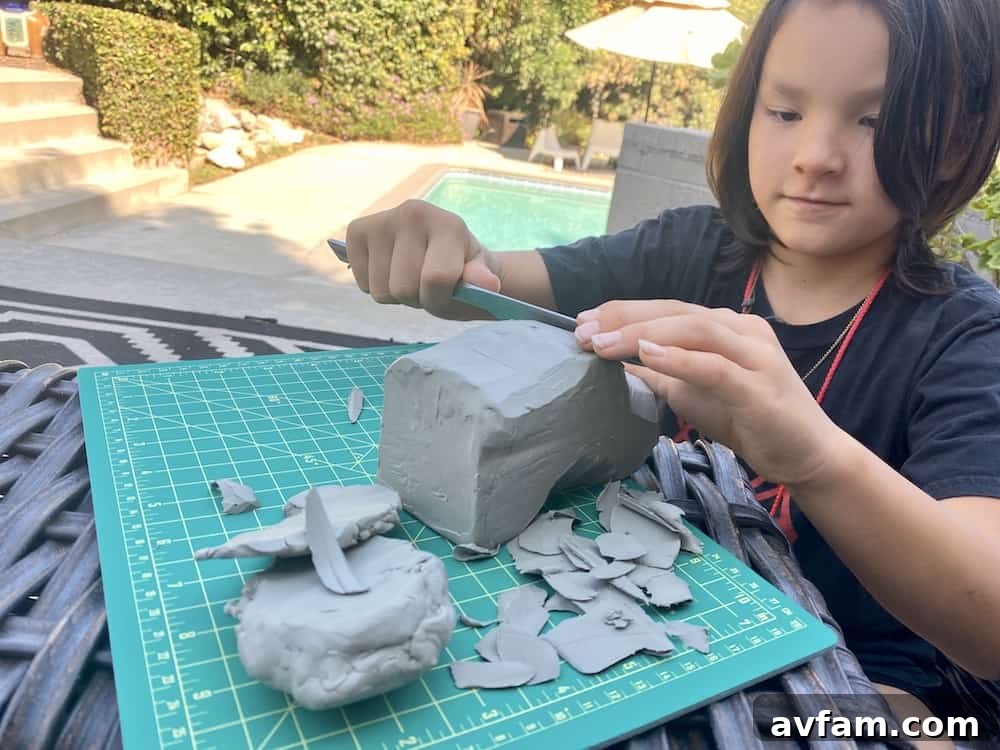
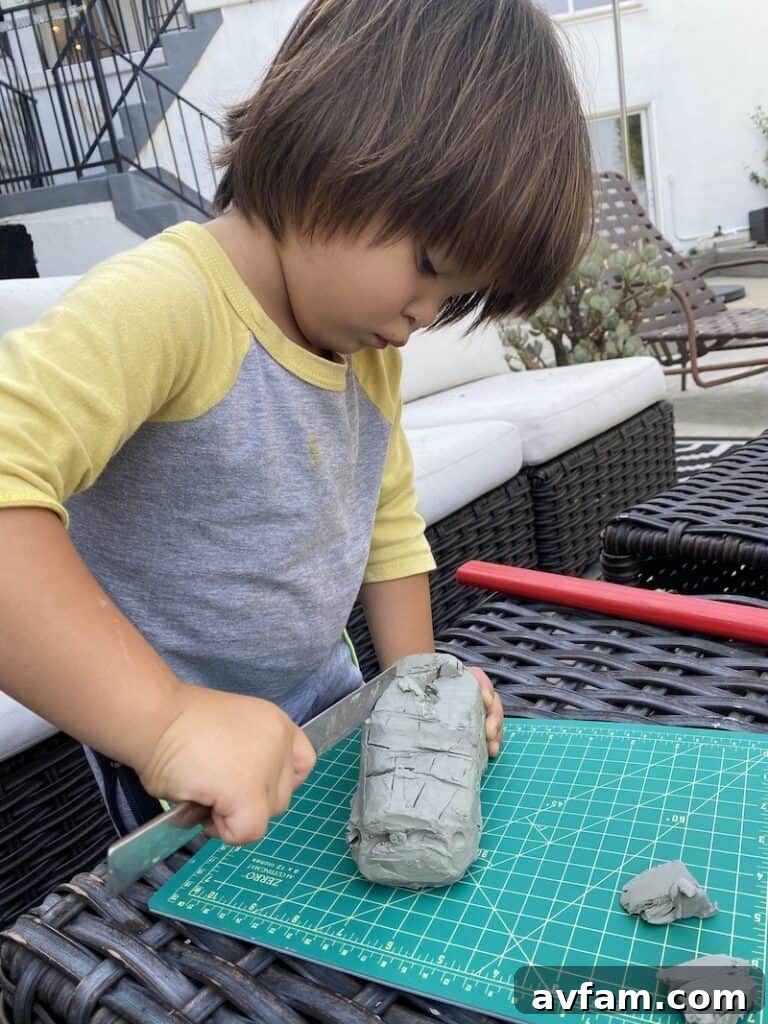
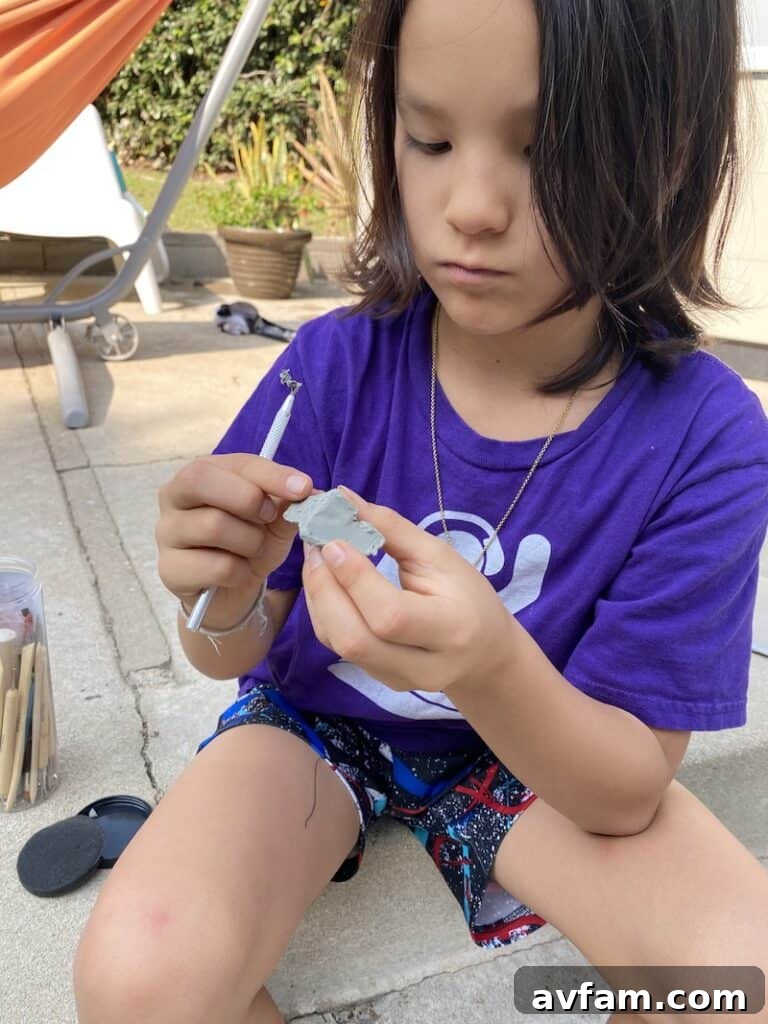
Midway through the clay modeling session, an unexpected and delightful interruption occurred. Both of my boys, their curiosity piqued by the intriguing substance I was diligently shaping, decided to join in. Their uninhibited creativity and natural inclination to mold and construct took over, and I was genuinely thrilled to witness their imaginative minds at work. It was a wonderful reminder that the essence of design, at its core, is a playful exploration of form and function, a sentiment that transcends age and professional boundaries.
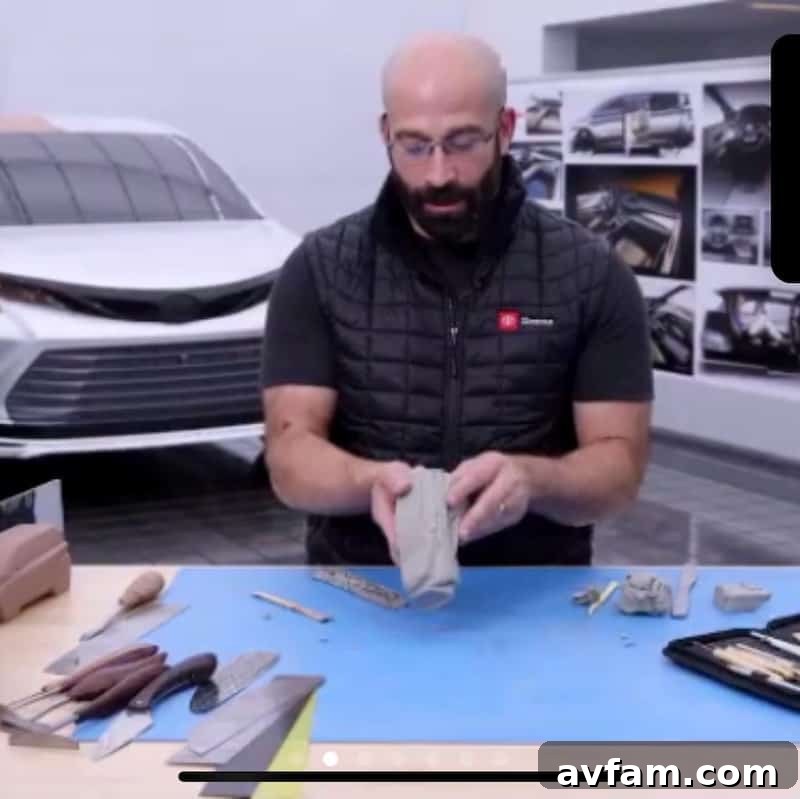
The designers at Calty shed light on the unique nature of clay modeling within the automotive industry. They emphasized that it is not a skill typically taught in traditional art schools. Instead, it is a “living art,” a highly specialized craft passed down through generations of masters who have honed their techniques over decades. This knowledge transfer involves not just tools and materials, but an intuitive understanding of automotive surfaces, reflections, and the subtle interplay of light and shadow on complex forms. It’s a skill that combines artistic sensibility with an engineer’s precision, refined through countless hours of hands-on experience and mentorship.
Beyond the Automotive World: Unexpected Sources of Inspiration
Perhaps one of the most surprising revelations from the Calty designers was their approach to inspiration. Rather than primarily looking at existing vehicle designs, they consciously seek influences from broader domains, most notably architecture and elements found in nature. This deliberate choice allows them to avoid conventional thinking and foster genuine originality. Imagine the sleek lines of a modern skyscraper informing the profile of a new sedan, or the organic flow of a river inspiring the contours of a car’s side panels. This multidisciplinary approach ensures that Toyota and Lexus vehicles possess a unique and timeless aesthetic, preventing them from simply blending in with current trends. It’s about creating designs that feel fresh, innovative, and deeply connected to the world around us, rather than just other cars.
A Newfound Respect for Automotive Design Excellence
This immersive experience at Calty Design Research has gifted me with a profound and newfound respect for the immense dedication, artistic talent, and technical precision required to conceptualize and bring a vehicle design to fruition. From the initial spark of an idea expressed in a humble sketch to the painstaking hours spent shaping a full-size clay model, every step of the automotive design process is a testament to human ingenuity and relentless pursuit of perfection. It’s a complex dance between creativity and engineering, vision and practicality, all culminating in the stunning vehicles we admire and depend on every day.
My sincere gratitude goes out to both Toyota and Calty Design for providing such an incredible and insightful opportunity. Witnessing firsthand the meticulous journey of design, from abstract concept to tangible form, has been truly enlightening. We are now even more eagerly anticipating the debut of the new Toyota Sienna on the streets next year, knowing the incredible artistry and craftsmanship that went into its creation. It’s more than just a car; it’s a testament to the passion and expertise of the design masters at Calty.