
This comprehensive guide on maintaining superior indoor air quality and HVAC system performance is brought to you by Trane Residential. The insights and recommendations shared are based on my personal experience and research, reflecting a commitment to a healthy home environment.
The recent surge in environmental challenges, from widespread wildfires across the West Coast to increasing urban air pollution, serves as a stark reminder of how vulnerable our surroundings can be. Witnessing the devastation caused by natural disasters, which leave behind not only physical destruction but also lingering soot and smoke, deeply affects us all. These events highlight an urgent need to protect our personal spaces and, critically, the air we breathe within our homes.
Monitoring local air quality has become an essential practice, especially for those living in or near affected areas, or with loved ones in vulnerable regions. This heightened awareness often prompts an immediate response: running existing air filtration systems at maximum capacity and, more importantly, undertaking a thorough evaluation of our home’s heating, ventilation, and air conditioning (HVAC) system. Even if you reside in an area seemingly untouched by extreme events or hazardous air quality alerts, the purity of your indoor air should always be a primary concern. For households with young children, elderly individuals, or anyone sensitive to common airborne particulates like pollen, dust, or pet dander, ensuring your HVAC system operates efficiently and effectively is not just a comfort – it’s a vital health safeguard.
Your HVAC system is the unsung hero of your home, silently working to maintain a comfortable temperature and circulate air. However, its role extends far beyond mere climate control; it is your first line of defense against a myriad of indoor air pollutants. Neglecting its maintenance can lead to decreased efficiency, higher energy bills, and, most critically, compromised indoor air quality. By implementing a few straightforward yet crucial maintenance practices, you can significantly enhance your HVAC system’s performance, ensuring it delivers clean, healthy air throughout your home. Let’s explore the most impactful HVAC maintenance tips that will maximize your system’s potential and safeguard your family’s well-being.
Prioritizing Clean Air: The Crucial Role of Air Filters
Among the simplest yet most profoundly effective actions you can take to preserve pristine indoor air quality is the regular cleaning or replacement of your HVAC air filters. This seemingly minor task, often overlooked by homeowners, directly influences the purity of the air circulating within your living spaces and significantly impacts the overall health and longevity of your HVAC unit. Depending on usage, household occupants (e.g., pets), and environmental factors, a general guideline suggests replacing or cleaning filters every 3 to 9 months, though monthly checks are highly recommended to assess their condition.
Air filters act as your home’s respiratory system, trapping a wide array of airborne contaminants before they can circulate through your ducts and into your rooms. These pollutants include dust, pollen, pet dander, mold spores, and even microscopic particles from outdoor pollution. When a filter becomes clogged with these materials, its ability to capture new particles diminishes drastically. This not only compromises your indoor air quality but also forces your HVAC system to work harder to push air through the resistance of a dirty filter. This increased effort leads to higher energy consumption, elevated utility bills, and accelerated wear and tear on your system’s components, potentially shortening its lifespan and leading to costly repairs.
The process of checking and replacing your air filter is designed to be user-friendly, and most homeowners can easily perform this task once familiarized with their system. Typically, filters are located in a designated slot either in the return air duct or within the HVAC unit itself, easily accessible for sliding out and replacing. Our trusted partners at Trane emphasize the simplicity of this procedure, offering solutions like the Trane Comfort Performance Filter, which is engineered to provide superior filtration while being easy to manage. Choosing a high-quality filter, such as those with a higher MERV (Minimum Efficiency Reporting Value) rating, can significantly enhance your system’s ability to capture smaller, more harmful particles, further improving your indoor air quality and protecting your HVAC equipment. A clean filter ensures optimal airflow, allowing your system to operate efficiently, deliver consistent temperatures, and most importantly, provide you and your family with cleaner, healthier air to breathe.
Elevating Air Purity: The Benefits of a Whole-Home Air Cleaner
While individual room air purifiers offer some localized improvement, they pale in comparison to the comprehensive protection provided by a whole-home air cleaner. For truly superior indoor air quality across every corner of your residence, integrating a whole-home solution into your existing HVAC system is an unparalleled investment. These advanced systems work in conjunction with your furnace and air conditioner to filter and purify all the air that circulates throughout your home, ensuring a consistent level of cleanliness from the basement to the attic.
Consider the Trane CleanEffects Air Cleaner, a standout in its category, which boasts an impressive ability to remove up to 99.98% of airborne particles. What makes this particularly remarkable is its efficacy against particles as minuscule as 0.1 micron. To put this into perspective, this level of filtration makes the CleanEffects up to eight times more effective than even the best HEPA room air filters and an astonishing 100 times more effective than standard 1-inch filters commonly found in HVAC systems. These tiny particles often include highly problematic allergens, bacteria, viruses, and ultra-fine dust, which can penetrate deep into the lungs and exacerbate respiratory conditions.
A significant advantage of the Trane CleanEffects is its Asthma & Allergy friendly® Certification Mark from the Asthma and Allergy Foundation of America. This certification is not merely a label; it’s a testament to the product’s proven ability to reduce exposure to allergens and irritants, creating a safer breathing environment for individuals suffering from asthma or allergies. For families with members particularly susceptible to airborne triggers, this feature offers invaluable peace of mind, knowing that potentially harmful particulates are being effectively removed before they can cause discomfort or health issues.
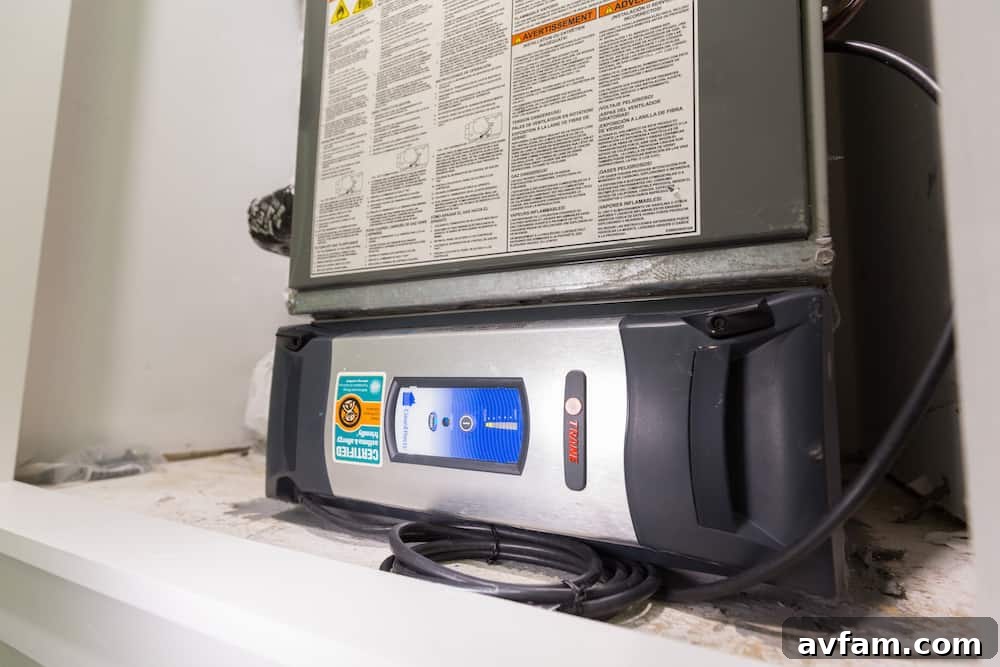
Beyond its exceptional filtration capabilities, a whole-home air cleaner is also a more energy-efficient and convenient option than relying on multiple individual room purifiers. Instead of powering several separate units, a single, integrated system handles the entire home’s air purification, leading to lower overall energy consumption. Furthermore, the maintenance for advanced systems like the CleanEffects is surprisingly simple. Its filters are designed for durability and reusability, requiring only periodic cleaning—typically every 3 to 9 months, depending on usage and air quality—with a simple vacuum or quick rinse, rather than frequent, costly replacements. This ease of maintenance, combined with superior performance and energy savings, makes a whole-home air cleaner a wise and beneficial addition to any modern household focused on achieving optimal indoor air quality and comfort.
Ensuring Optimal Air Delivery: Maintaining Your Air Duct System
The air duct system in your home is the intricate network responsible for delivering conditioned air—whether cool or warm—from your HVAC unit to every room. It acts as the circulatory system of your home’s environment, directly impacting both the comfort and health of its occupants. A well-maintained duct system is crucial for optimal performance, ensuring that the clean, filtered air produced by your HVAC system reaches you efficiently and without contamination. Conversely, damaged, dirty, or leaky ducts can undermine even the most robust air filtration efforts, introducing pollutants and significantly reducing your system’s efficiency.
Maintaining your ductwork begins with the most visible components: the air vents and registers. These entry points into your living spaces can accumulate dust, dirt, and pet dander over time. This buildup not only restricts airflow, forcing your HVAC system to work harder, but also can blow these particulates directly into your home, diminishing indoor air quality. Regularly cleaning your air vents by vacuuming around and inside them with a brush attachment or a handheld stick vacuum is a simple yet effective way to prevent blockages and keep the air entering your rooms as clean as possible. Aim to do this during your regular cleaning routine or whenever you replace your air filter.

Inspecting the main components of your duct system can be more challenging, as much of it is often concealed behind walls, ceilings, and floors. However, if you have access to areas such as an attic, crawlspace, or basement, you can visually inspect exposed sections of the ductwork for signs of damage. Look for gaps, tears, or disconnections in the ducts, as these can lead to significant air leaks. Leaks allow conditioned air to escape into unconditioned spaces, wasting energy and increasing your utility bills. More alarmingly, these breaches can draw in dust, insulation fibers, mold spores, and even pests from these less-than-pristine areas, directly contaminating your indoor air supply.
For extensive cleaning or repairs beyond what can be easily managed by a homeowner, consider consulting with a professional HVAC technician. Professional duct cleaning services can remove accumulated dust, debris, and allergens that have settled deep within the ductwork over years of use. Furthermore, technicians can meticulously seal any leaks, repair damaged sections, and ensure that your entire duct system is properly insulated, especially in unconditioned areas. This comprehensive approach to duct maintenance is vital not only for delivering clean air but also for optimizing your HVAC system’s energy efficiency, extending its lifespan, and maintaining a truly healthy home environment.
Beyond Filters and Ducts: Comprehensive HVAC Care for Optimal Living
While maintaining clean air filters and well-sealed ducts are fundamental, a truly robust approach to HVAC care extends to other critical aspects of your system and home. Embracing a holistic maintenance strategy ensures maximum efficiency, longevity, and superior indoor comfort. Investing a little time and attention now can prevent major issues and costly repairs down the line.
The Indispensable Annual Professional Tune-Up
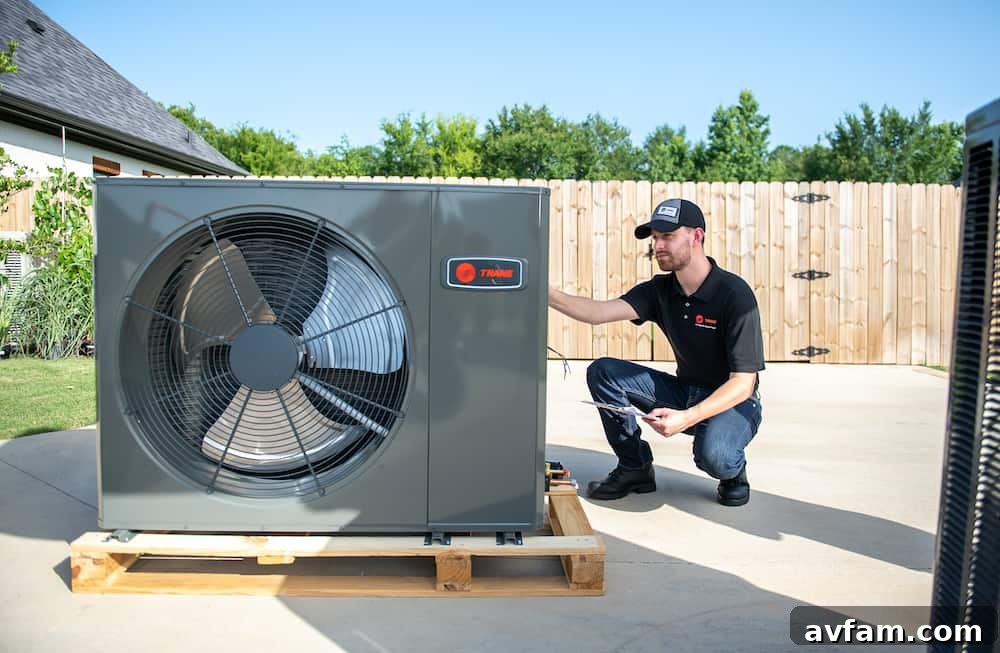
One of the most valuable investments you can make in your HVAC system is scheduling an annual professional tune-up. Just like a car, your HVAC system requires expert attention to ensure all components are functioning correctly and efficiently. Certified technicians can identify minor issues before they escalate into major breakdowns, such as checking refrigerant levels, inspecting electrical connections for safety, lubricating moving parts, cleaning condenser and evaporator coils, and calibrating your thermostat for accurate temperature control. These preventative measures significantly enhance system efficiency, extend its operational life, and often keep your warranty valid. A well-tuned system operates with less strain, translating into lower energy bills and consistent comfort.
Smart Thermostat Management for Efficiency and Comfort
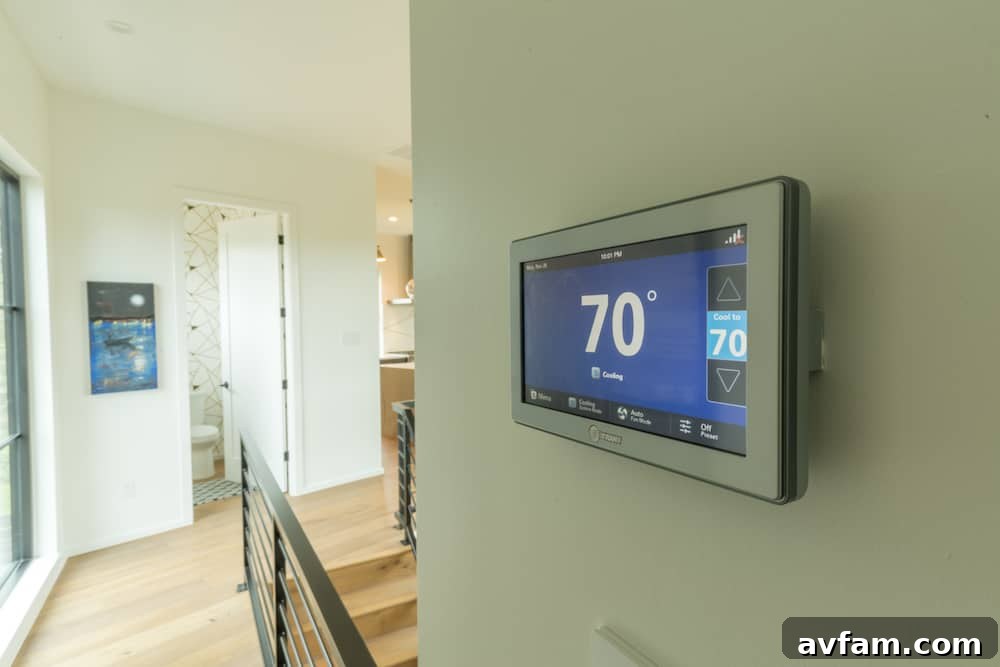
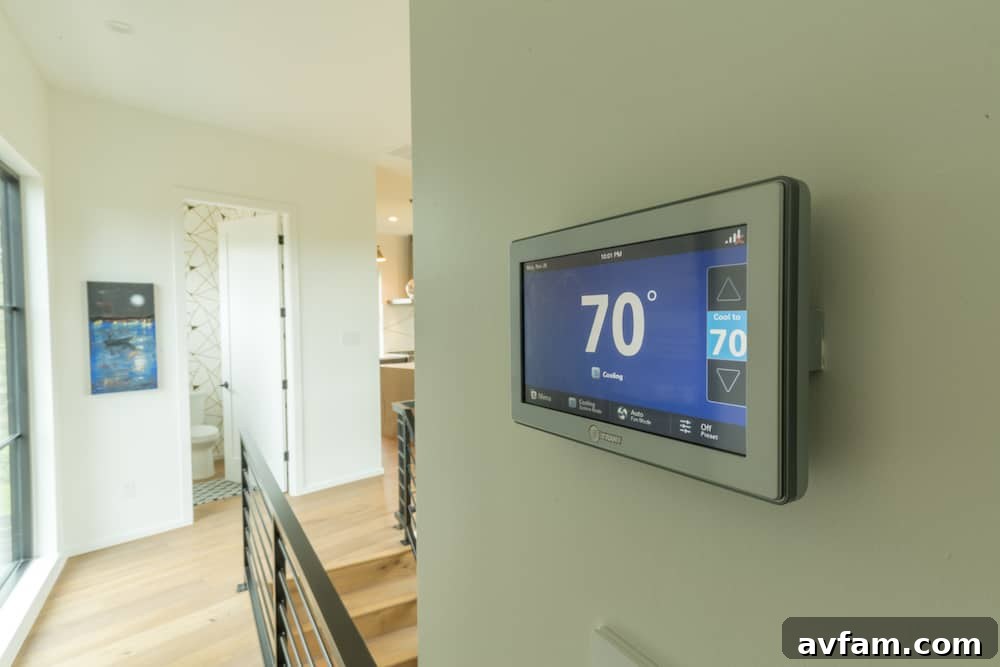
Your thermostat is the brain of your HVAC system, and how you manage it directly impacts performance and energy consumption. Upgrading to a smart thermostat offers advanced features like programmable schedules, remote access via smartphone apps, and even learning capabilities that adapt to your preferences. Strategically programming your thermostat to adjust temperatures when you’re away or asleep can lead to substantial energy savings without sacrificing comfort. Maintaining optimal temperature settings prevents your system from overworking, reducing wear and tear, and contributes to a stable indoor climate that supports better air quality and comfort.
Nurturing the Outdoor Unit: Keeping the Condenser Clear
The outdoor unit, or condenser, of your air conditioning system is vital for heat exchange. Its efficient operation depends on unobstructed airflow. Over time, leaves, grass clippings, dirt, and other debris can accumulate around and inside the unit, blocking the condenser coils and inhibiting heat dissipation. Regularly clear away any vegetation, trim shrubs at least two feet away, and gently hose down the coils to remove surface dirt. This simple act ensures your system can effectively release heat, maintaining efficiency and preventing the unit from overheating and failing prematurely.
Mastering Humidity Control for a Healthier Home
Humidity plays a significant role in indoor air quality and comfort. Levels that are too high can foster mold growth, attract dust mites, and make the air feel heavy and uncomfortable. Conversely, excessively low humidity can lead to dry skin, irritated respiratory passages, and damage to wooden furniture and floors. Integrating whole-home humidifiers or dehumidifiers with your HVAC system can help maintain optimal indoor humidity levels, typically between 30-50%. This not only enhances comfort but also actively contributes to a healthier environment by deterring allergens and protecting your home’s structure.
By adopting these comprehensive HVAC maintenance practices—from routine filter changes and duct care to professional tune-ups, smart thermostat usage, outdoor unit upkeep, and humidity control—you are making a profound investment in your home. You’re safeguarding your family’s health, ensuring unparalleled comfort, and preserving the value of your property. While external air quality alerts, such as those caused by wildfires, remind us of our vulnerability, taking proactive steps with your HVAC system empowers you to control the air within your sanctuary. Keep a vigilant eye on your local AQI (Air Quality Index) using reliable resources like AirNow.gov, and integrate calendar reminders for consistent filter checks and cleaning. This proactive stance provides not just relief, but a continuous guarantee of a healthy, comfortable, and efficient home environment.