
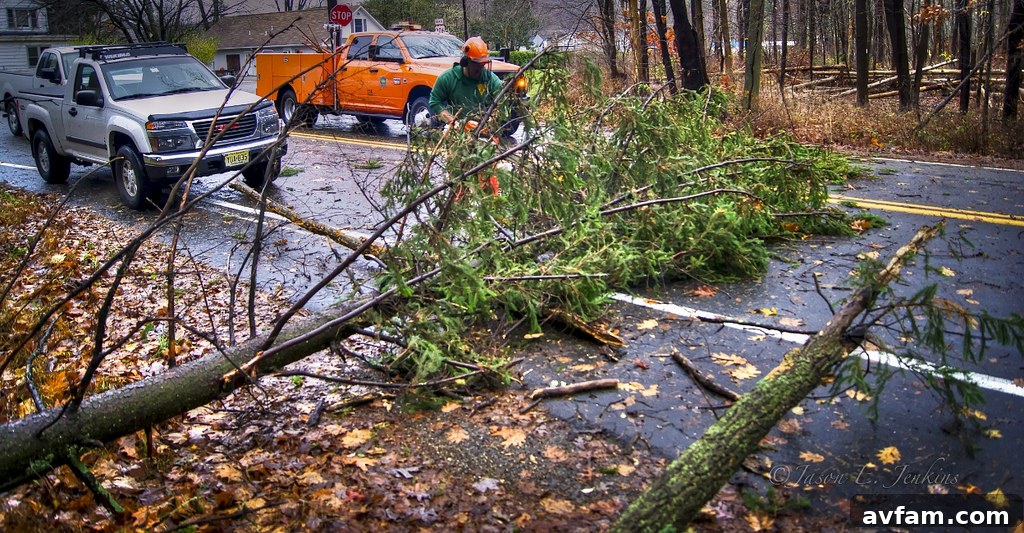
Your Comprehensive Guide to Safe and Efficient Storm Cleanup
Severe weather events, ranging from powerful hurricanes and destructive tornadoes to intense thunderstorms, can leave a devastating path of destruction. The aftermath often presents significant challenges, particularly when it comes to safely clearing debris, repairing damage, and restoring your property. While the immediate urge to jump into cleanup mode is understandable, prioritizing safety and adhering to expert guidelines is paramount. Our trusted partners at STIHL, renowned leaders in outdoor power equipment and safety, have generously shared invaluable insights to help homeowners and property managers navigate the complexities of post-storm recovery safely and effectively. This comprehensive guide provides critical information and applies to any major storm event, ensuring you’re equipped with the knowledge to protect yourself, your loved ones, and your valuable property.
During the Storm: Prioritizing Personal Safety
Don’t try to be a hero; be prepared and take shelter. Your life, and the lives of your family and loved ones, are infinitely more valuable than any material possession or property. The critical time to prepare for a storm is always *before* it arrives, not during its peak intensity. During a severe weather event, your absolute primary focus must be on personal safety and taking immediate, effective shelter.
- Seek Immediate and Appropriate Shelter: If an evacuation order is issued by local authorities, follow it without hesitation. If you are sheltering in place, stay indoors, away from windows, glass doors, and skylights. The safest place is typically an interior room on the lowest floor of your home, like a basement, storm cellar, or an interior bathroom or closet.
- Stay Continuously Informed: Monitor local weather alerts, emergency broadcasts, and official news channels for critical updates, warnings, and instructions from emergency services. Have multiple ways to receive alerts, such as a battery-powered or hand-crank radio, and fully charged mobile devices.
- Have an Emergency Kit Ready: Ensure your emergency kit is easily accessible and fully stocked with essentials. This includes at least three days’ supply of water and non-perishable food, flashlights with extra batteries, a first-aid kit, any necessary prescription medications, a whistle to signal for help, and copies of important documents.
- Avoid All Risky Behavior: Under no circumstances should you venture outside during the storm, even if there’s a temporary lull (such as during the eye of a hurricane or a break in a severe thunderstorm). Conditions can change rapidly and unpredictably, bringing renewed danger.
- Pre-Storm Home Security: Before the storm hits, take proactive steps to minimize potential damage. Secure all loose outdoor items (patio furniture, trash cans, grills), trim dead or weak tree branches, and clear gutters and downspouts to prevent water buildup.
Always remember that your primary role during a storm is to stay safe and await the official all-clear. While property damage can be repaired or replaced, lives cannot be.
Immediate Post-Storm Actions: Putting Safety First
Once the storm has definitively passed, and local authorities have declared it safe to emerge from shelter, a new set of stringent precautions comes into play. The post-storm environment is often fraught with hidden and visible dangers, making a cautious, methodical, and safety-first approach absolutely essential for your well-being and the safety of others.
Assess Your Surroundings for Immediate Dangers
- Be on High Alert: The landscape after a severe storm can be drastically altered and incredibly treacherous. Stay vigilant and constantly scan your surroundings. Be especially wary of downed utility lines, which may still be live and incredibly dangerous. Treat every single downed wire as if it is energized and capable of delivering a fatal electric shock.
- Watch Out for “Widow-Makers”: A common and insidious hazard in storm-damaged trees is what loggers grimly refer to as “widow-makers.” These are broken limbs or large branches that are still precariously lodged in trees, often hanging loosely or caught by other branches. They can fall unexpectedly and without warning at any moment, posing a severe and often fatal threat to anyone beneath. Always look up and meticulously scan the entire tree canopy before walking or working under damaged trees.
- Extreme Utility Line Hazards: Exercise extreme caution around any trees leaning against or touching downed phone lines or, even more critically, power lines. A tree in direct contact with an energized power line, and the ground at its base, can become fully electrified, turning the entire area into an invisible yet deadly trap. Even a small amount of moisture can conduct electricity across a wide area.
- Hidden Debris, Gas Leaks, and Structural Damage: Floodwaters can conceal sharp objects, hazardous chemicals, or displaced, heavy debris. Furthermore, buildings may have sustained severe structural damage, potentially leading to gas leaks, compromised foundations, or collapsed roofs. Do not, under any circumstances, enter damaged structures until they have been thoroughly inspected and deemed safe by qualified professionals.
- When in doubt, always call a professional arborist or your local utility company. This is not the time for guesswork or heroics. Never, ever attempt to move or tamper with downed utility lines yourself. Your safety and indeed, your life, are simply not worth the immense risk.
Gear Up Properly: The Right Attire and Protective Equipment for Storm Cleanup
If you possess the necessary skills, experience, and confidence to undertake some of the storm cleanup tasks yourself, it is an absolute and non-negotiable requirement to suit up properly. The alarming images often seen in newscasts of people attempting storm cleanup in shorts, t-shirts, and flip-flops serve as a stark and dangerous reminder of what *not* to do. This type of work, especially involving tree debris and power tools, demands robust, specialized protection to prevent serious injury.
- Head Protection: A sturdy, impact-resistant hard hat is unequivocally essential. It will protect your head from falling debris, accidental impacts from branches, or inadvertent contact with tools.
- Eye and Face Protection: Safety glasses or goggles, specifically designed to meet safety standards, are non-negotiable. They shield your eyes from flying wood chips, sawdust, dust, and other projectiles. A full face shield offers additional, crucial protection for your entire face, especially when operating chainsaws or other high-speed power equipment.
- Hearing Protection: Chainsaws, chippers, and other outdoor power equipment generate extremely high levels of noise. Prolonged exposure can cause permanent and irreversible hearing damage. Always wear high-quality earplugs or earmuffs to protect your hearing.
- Hand Protection: Heavy-duty work gloves, preferably with reinforced palms and fingers, are vital. They provide a secure grip on tools, protect your hands from splinters, cuts, abrasions, and can help reduce vibration from power tools, preventing hand fatigue and injury.
- Body Protection: Wear long sleeves and long pants made of durable, heavy-duty material like denim, canvas, or specialized cut-resistant fabric. This will protect your skin from scratches, cuts, insect bites, and exposure to harmful elements. Avoid any loose-fitting clothing that could snag on branches or get caught in machinery.
- Foot Protection: Steel-toed boots with non-slip, puncture-resistant soles are absolutely crucial. They will protect your feet from falling objects, punctures from sharp debris, and provide stable footing on uneven, slippery, or debris-strewn terrain.
- Power Equipment Safety Protocols: Always meticulously follow all guidelines and safety instructions provided in your equipment’s instruction manual. Before use, ensure all equipment is in excellent working order, properly fueled (using correct fuel mixtures if applicable), and has all safety guards in place. Operate power tools only when you are rested, focused, and free from distractions. Be mindful of fatigue, and take frequent breaks to maintain concentration and prevent accidents. Always use the right tool for the job.
Assessing Tree Damage: When to Repair, When to Remove
After ensuring your immediate safety and that of your family, the next crucial step often involves carefully evaluating any damaged trees on your property. Not every damaged tree necessarily needs to be removed. Many otherwise healthy trees can recover remarkably well with proper care and strategic pruning, while others may pose an ongoing, unacceptable hazard. It’s important to make informed decisions. Evaluate your trees carefully by asking the following key questions:
- Overall Pre-Storm Health: Beyond the visible storm damage, was the tree fundamentally healthy before the storm hit? Look for pre-existing signs of significant disease, extensive internal decay, or severe insect infestation. A tree that was already compromised is far less likely to successfully recover from storm trauma.
- Structural Integrity of Major Limbs: Are the tree’s major structural limbs and/or its main leader branch (the central, upright stem extending to the top of the tree) still largely intact? If the tree’s primary structural components are severely fractured, split, or compromised, its long-term viability and stability are highly questionable.
- Retention of the Tree Crown: Is at least 50 percent of the tree’s crown (the entire leafy structure) still intact? A tree requires a substantial portion of its crown to perform photosynthesis effectively, which is essential for its recovery and long-term health. If less than 50% of the crown remains, the prognosis for successful recovery is generally poor.
- Potential for Future Growth: Are there sufficient remaining branches that can reasonably form a new, balanced, and structurally sound branch structure? Look for viable, undamaged branches that can be trained or pruned to develop into a strong, healthy canopy over time.
If you can answer “yes” to the majority of these questions, there is a strong possibility that the tree can be saved and will thrive again with appropriate professional care. However, when in doubt, or if the tree is large, located near structures, or presents any perceived risk to people or property, always consult a certified arborist. Their specialized expertise and trained eye are invaluable in making informed, safe, and effective decisions regarding tree preservation or removal.
Taking Steps to Repair Minor Tree Damage & Debris
For trees that successfully pass the initial damage assessment and exhibit only minor, manageable issues, careful and strategic pruning can significantly aid in their recovery and promote future health.
- Remove Broken Branches and Stubs: Methodically remove any broken branches, stubs, or hanging limbs that are still attached to the tree. These dead or damaged parts are not only unsightly but can also become easy entry points for pests, diseases, and decay organisms.
- Clean Up Jagged Edges: Using sharp, clean pruning tools, carefully prune back any jagged or torn ends of limbs to create smooth, clean cuts. This crucial step minimizes the exposed surface area for decay agents (such as fungi and bacteria) to enter the wound and significantly promotes faster, healthier healing for the tree. Always make cuts just outside the branch collar, which is the slightly swollen area at the base of the branch where it joins a larger limb or the main trunk.
- Proper Pruning of Smaller Branches: Smaller branches should be pruned precisely at the point where they join larger ones, or at a healthy lateral branch junction. Always follow proper arboricultural pruning techniques to encourage strong, healthy new growth and maintain the tree’s natural form.
- Resist the Urge to Over-Prune: While the desire to make a tree look aesthetically perfect immediately after a storm is strong, resist the urge to over-prune. Removing too much healthy foliage can severely stress the tree, hinder its ability to recover, and even make it more susceptible to sun scald or other environmental damage. Focus strictly on removing only the damaged, dead, or genuinely hazardous parts. The tree’s appearance will naturally improve over time as it regrows and fills out.
- Effective Debris Management: Once branches and debris are safely on the ground, cut them into manageable sizes for easy handling and disposal. Consider eco-friendly options such as mulching smaller branches for garden use, or stacking larger, sound limbs for firewood, if appropriate and safe. Always check your local municipal regulations for specific guidelines on yard waste and debris disposal.
DIY vs. Professional Help: Knowing Your Limits is Key to Safety
While a prepared and skilled homeowner can certainly handle some minor storm cleanup tasks, understanding and respecting your limitations is absolutely crucial. Certain tasks present extreme, life-threatening dangers that demand the specialized skills, extensive training, and heavy-duty equipment of certified professionals. Never underestimate the immense power of a damaged tree or the inherent, unpredictable risks involved in post-storm cleanup. When faced with significant storm damage, the cost of hiring a reputable professional arborist is not merely an expense; it is a wise and critical investment in your personal safety, the safety of those around you, and the long-term health and stability of your property.
- Large Limbs and Extensive Overhead Work: Any task involving large, heavy, or unstable limbs, or any work that requires you to operate a chainsaw or other power tools above shoulder height, should unequivocally be left to experienced and certified arborists. Working at heights with powerful, dangerous tools introduces an extremely high risk of falls, severe lacerations, and being struck by unpredictably falling debris. Professionals utilize specialized equipment such as bucket trucks, cranes, and advanced rigging techniques to manage these risks safely and effectively, minimizing hazards to themselves and the surrounding property.
- Uprooted or Downed Trees – The Perilous “Spring Pole” Hazard: One of the single most dangerous scenarios in storm cleanup involves uprooted or partially downed trees, or large branches that are under immense, unpredictable tension. When a tree or substantial limb falls, it can land in a way that creates an unnatural pattern of extreme pressure and tension points within the wood. An attempt to cut a tensioned limb or trunk – a phenomenon often referred to by experienced loggers as a “spring pole” – can result in an extraordinarily violent, catapult-like reaction. The wood can snap back or spring forward with tremendous, uncontrolled force, causing severe, disabling injury, or even death. Identifying and safely relieving this dangerous tension requires highly specialized knowledge, extensive experience, and precise techniques that only trained professionals possess. If a tree is uprooted, partially downed, or appears to be under tension, consider it an absolute job for a professional arborist.
- Branches Near or Touching Utility Lines: This cannot be stressed enough: if branches are too close to, entangled with, or directly touching utility lines (power lines, phone lines, cable lines), you must **immediately report it to your local utility company.** **NEVER, under any circumstances, attempt to move, cut, or otherwise tamper with downed or compromised utility lines yourself.** The risk of electrocution is extraordinarily high and frequently fatal. Even if you believe the power is out, lines can be re-energized without warning, or they may be carrying an unexpected current from another source. Keep a significant distance and wait for trained utility personnel.
- Any Task Beyond Your Training, Experience, or Comfort Level: If you have not been properly trained or lack sufficient experience to handle a specific cleanup task, or if you feel uncomfortable, uncertain, or apprehensive about any aspect of the cleanup process, step back and do not proceed. Your intuition is a powerful, life-saving safety tool. There is absolutely no shame in acknowledging that a task is beyond your current skill set. Professional arborists are not only highly trained and experienced but are also fully insured and equipped to handle complex and hazardous tree removal and trimming operations safely and efficiently.
When choosing a professional, it is vital to select a reputable and qualified arborist. Look for individuals or companies that are certified by recognized industry bodies (like the International Society of Arboriculture), fully insured (for liability and worker’s compensation), and can provide verifiable references. Always obtain a detailed, written estimate that clearly outlines the scope of work, timelines, and costs before allowing anyone to begin work on your property.
Considering Wildlife During Cleanup Operations
Storms are powerful natural events that can displace not only human populations but also local wildlife. Birds, bees, squirrels, raccoons, and other small animals may have sought temporary shelter in damaged trees, fallen logs, or piles of storm debris. Always proceed with heightened caution and awareness during cleanup operations. Before making a cut, moving a large log, or clearing a significant pile of branches, take a moment to scan for nests, beehives, disturbed animal burrows, or any other signs of animal presence. If you encounter wildlife, especially if they appear distressed, injured, or aggressive, immediately pause your work and observe from a safe, respectful distance. If you find injured animals or potentially dangerous nests (like a wasp or hornet nest), contact local animal control, a wildlife rescue organization, or a professional pest control service for safe removal. Respecting and being mindful of wildlife during the challenging recovery process is an important aspect of ecological responsibility and ensures the safety of both humans and animals.
Stay Educated and Prepared for the Future
Learning and preparation should not cease once the immediate storm cleanup is completed. Continuous education on tree safety, the safe operation of power equipment, and comprehensive storm preparedness is an invaluable investment. The more informed and prepared you are, the better equipped you’ll be to handle future weather challenges, minimize risks, and ensure ongoing safety for yourself, your family, and your community.
Here are some excellent resources to deepen your knowledge and enhance your preparedness:
- TreesAreGood.org: An authoritative resource from the International Society of Arboriculture (ISA) providing extensive information on the benefits of trees, proper tree care practices, and how to locate a qualified, ISA-certified arborist in your area.
- TreeCareTips.org: Offers practical, easy-to-understand advice and tips for various aspects of tree care and maintenance, helping homeowners keep their trees healthy and resilient.
- Treebuzz.com: An active online community and comprehensive resource platform primarily for tree care professionals and enthusiasts, offering insights into industry best practices, safety, and innovation.
- STIHL Storm Safety Tips: Provides further valuable tips and guidelines on safe storm cleanup procedures, including specific advice on chainsaw safety and operation in hazardous conditions.
- Your local extension office or emergency management agency: These organizations are invaluable local resources, often providing region-specific guidance, workshops, and comprehensive resources for storm preparedness, immediate response, and long-term recovery efforts tailored to your area.
By diligently adhering to these crucial safety guidelines, understanding precisely when to call a professional, and proactively investing in continuous education and preparedness, you can navigate the inherently challenging process of post-storm cleanup with significantly increased confidence, minimizing potential risks and facilitating a smoother, more effective recovery for your property, your loved ones, and your wider community. Ultimately, safety is not merely a priority; it is the fundamental foundation for effective, responsible, and sustainable storm recovery.