
As summer temperatures steadily climb across the globe, homeowners are increasingly feeling the pinch – both from the oppressive heat and the soaring energy bills. The quest for a cool, comfortable living space often leads to the assumption that expensive, high-tech air conditioning systems are the only viable solution. While modern climate control certainly offers immediate relief, a wealth of traditional, cost-effective strategies remain surprisingly potent in creating a comfortable indoor environment without breaking the bank. This comprehensive guide explores practical, budget-friendly methods that empower homeowners to combat the heat, reduce their carbon footprint, and enjoy a more sustainable approach to summer comfort.
Embrace the Breeze: The Power of Ceiling Fans
In the hierarchy of affordable cooling solutions, few tools rival the efficiency and versatility of modern ceiling fans with lights. Often underestimated in an era dominated by smart home gadgets, these fixtures are far more than just decorative elements. They play a crucial role in enhancing air circulation, creating a noticeable difference in perceived temperature – making rooms feel up to 10 degrees cooler without actually lowering the ambient temperature. Unlike energy-intensive air conditioners, ceiling fans consume minimal electricity, positioning them as an indispensable choice for homeowners committed to significantly reducing their energy expenditure during the hottest months of the year.
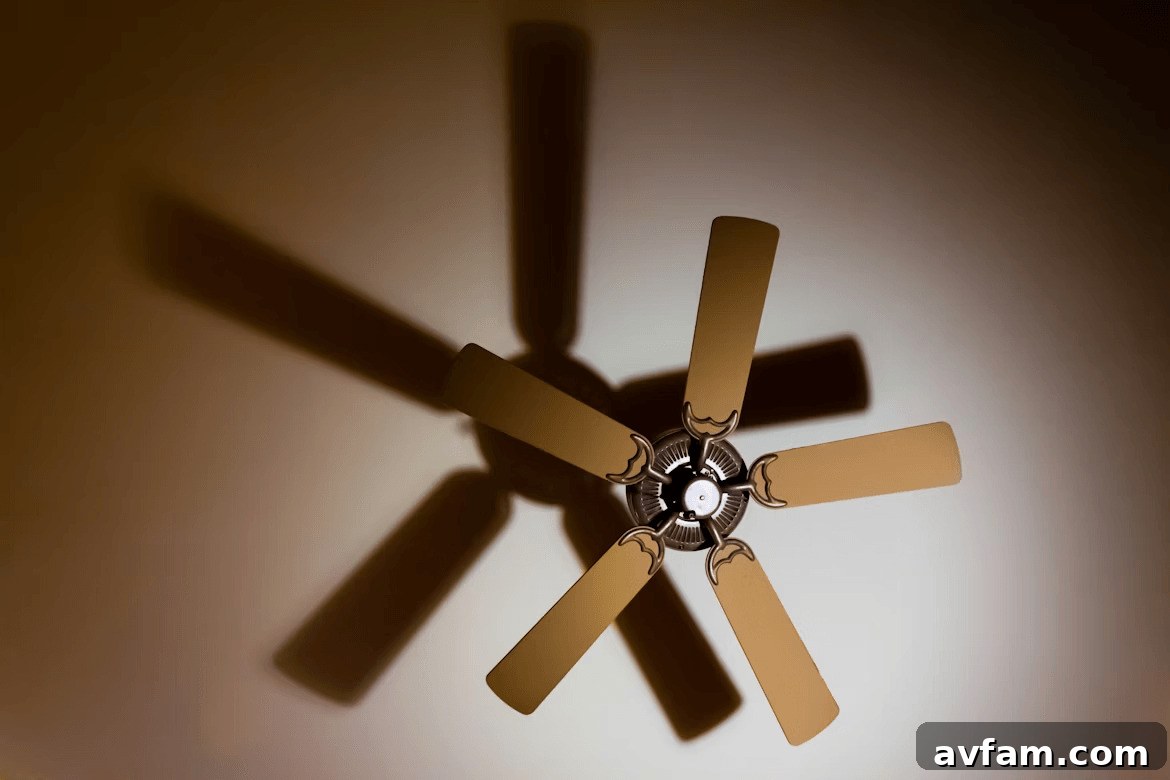
To maximize their cooling potential, proper usage of ceiling fans is key. During summer, fans should be set to rotate counterclockwise, which pushes cool air downward. This action creates a “wind-chill effect” on the skin of occupants, helping them feel cooler and more comfortable even if the thermostat remains unchanged. This clever trick allows you to raise your thermostat setting by a few degrees without sacrificing comfort, leading to substantial energy savings. Furthermore, integrating ceiling fans with natural ventilation strategies can amplify their effectiveness. Opening windows during the cooler parts of the day—typically early morning or late evening—while running ceiling fans can facilitate cross-ventilation, drawing fresh, cool air into the home and expelling stagnant, warm air. For spaces that are used intermittently or less frequently, consider pairing ceiling fans with portable fans. This allows for targeted airflow where it’s most needed, ensuring energy isn’t wasted cooling empty rooms and maximizing comfort in occupied areas. Regular cleaning of fan blades and ensuring proper installation can also contribute to optimal performance and longevity.
Fortify Your Home: Strategic Shading and Insulation
Beyond active cooling methods like fans, homeowners can strategically leverage passive techniques through advanced shading and robust insulation to cultivate a naturally cooler indoor environment. Protecting your home from the sun’s relentless assault is paramount. Planting deciduous trees strategically around the south and west-facing sides of your property can provide invaluable shade during the summer, blocking direct sunlight from heating walls and windows, and consequently reducing interior temperatures. In winter, these trees lose their leaves, allowing warming sunlight to penetrate and contribute to passive heating. For more immediate or flexible shading solutions, exterior devices such as retractable awnings, stylish pergolas, sun-blocking screens, or even advanced reflective window films offer highly effective barriers against solar heat gain. These options can yield similar results to a new air conditioning unit but at a fraction of the installation and operational cost, while also adding aesthetic value to your home’s exterior.

Equally critical to maintaining indoor comfort is robust home insulation and effective air sealing. Heat naturally seeks to move from warmer areas to cooler areas. During summer, this means heat from the scorching outdoors is constantly trying to infiltrate your cooler interior. Simple yet impactful upgrades, such as diligently sealing gaps and cracks around windows and doors with caulk, applying weather stripping, and reinforcing or upgrading attic insulation, create a formidable barrier against heat infiltration. The attic, in particular, is often a major culprit for heat gain, as heat rises and accumulates there before radiating down into living spaces. Experts consistently highlight that a significant percentage of cooled air (up to 30% or more) can be lost from homes due to inadequate insulation and air leaks. Addressing these vulnerabilities provides immediate relief by preventing warm air from seeping indoors and cool air from escaping, directly translating into noticeably lower monthly utility bills and a more consistent indoor temperature throughout your home. Consider insulating walls and floors too, especially if you have older construction, to create a truly thermal envelope.
Optimize Airflow: The Crucial Role of Ventilation
Proper ventilation stands as another often-underestimated, yet incredibly powerful component of a cost-effective summer cooling strategy. A well-designed ventilation system actively works to purge superheated air from your home, preventing it from negatively impacting your comfort levels. Attic vents, ridge vents, and soffit vents are not merely aesthetic features; they are integral to a system that allows hot, trapped air to escape the highest points of your home. As hot air naturally rises, these vents facilitate its expulsion, preventing heat from radiating downward into your living areas and placing less strain on any existing cooling systems. When combined with the strategic use of ceiling fans and open windows during the cooler parts of the day, proper whole-house ventilation can drastically reduce the reliance on energy-intensive air conditioning, all while simultaneously improving overall indoor air quality by exchanging stale, humid air with fresh outdoor air.
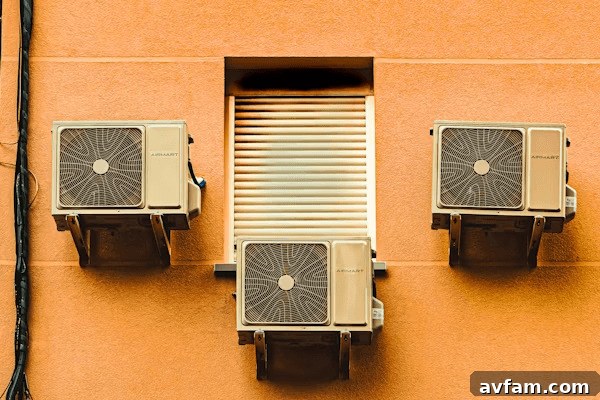
Beyond passive and integrated ventilation systems, portable options offer flexible enhancements to airflow. Window-mounted fans or freestanding box fans, when strategically positioned, can create powerful cross-breezes that flush hot air out and draw cooler air in. For instance, placing an exhaust fan in an upstairs window facing outwards and an intake fan in a downstairs window facing inwards can create a rapid airflow path, effectively cooling an entire floor or even a small home during evening hours. These devices are exceptionally energy-efficient compared to central air conditioning and can make indoor temperatures significantly more tolerable without a corresponding surge in energy consumption. For areas like kitchens and bathrooms, ensure exhaust fans are used effectively to remove heat and humidity generated from cooking and showering, which can otherwise contribute to a warmer, muggier home environment. Investing in a whole-house fan, if your climate allows, can also be a game-changer for rapidly cooling your home in the evenings by drawing cool air from outside and expelling hot indoor air through the attic.
Harmonizing Smart Technology with Traditional Wisdom
While the core focus of this guide revolves around time-tested, traditional solutions, the judicious integration of modern smart technology can undeniably amplify their effectiveness and convenience. Smart thermostats, for example, transcend the capabilities of basic programmable models. They offer sophisticated features like geofencing, which detects when you’re away from home and adjusts temperatures accordingly, and learning capabilities, which adapt to your preferred schedule over time. This intelligent management allows homeowners to fine-tune cooling schedules, ensuring air conditioning (if used) only operates when necessary, preventing wasteful energy consumption in empty rooms. When paired with the consistent airflow from ceiling fans and the protective barrier of proper insulation and air sealing, such smart enhancements create a truly optimized cooling strategy, keeping households comfortably cool while meticulously managing energy costs.
The impact of smart technology extends beyond thermostats. Simple yet effective measures include transitioning to energy-efficient LED light bulbs, which not only consume less electricity but also generate significantly less heat than traditional incandescent bulbs, contributing to a cooler overall home environment. Smart plugs can be used to control portable fans or lamps, allowing for remote scheduling and control. Even smart blinds or shades can automatically adjust throughout the day to block solar gain when the sun is most intense. Every minor adjustment and smart integration contributes to a powerful cumulative effect that can drastically improve indoor comfort and energy efficiency without necessitating costly, large-scale overhauls. The beauty lies in leveraging technology to make traditional methods even more effortless and effective, creating a synergy that benefits both your wallet and the planet.
Maximizing Return: Small Investments, Significant Savings
Perhaps the most compelling argument for embracing these traditional and intelligently integrated solutions lies in their exceptional return on investment (ROI). While any home improvement project requires an initial outlay, the upfront costs for a quality ceiling fan, strategic landscaping, improved insulation, or comprehensive air sealing are remarkably modest when weighed against the substantial, long-term savings on electricity bills. Many homeowners discover that by diligently combining multiple low-cost strategies – from utilizing efficient fans and optimizing exterior shading to enhancing insulation and ensuring proper ventilation – they can dramatically reduce their reliance on central air conditioning. This integrated approach can often lead to a reduction in AC usage by 20% to 40% or even more, offering not only profound financial relief but also fostering a more sustainable and environmentally conscious approach to home cooling. The initial investment quickly pays for itself through reduced utility expenses, transforming these improvements from mere costs into shrewd financial decisions.
Beyond direct energy savings, these improvements contribute to a more comfortable and healthier living environment, reducing strain on your HVAC system and potentially extending its lifespan. Furthermore, a well-insulated and efficiently cooled home can see an increase in its market value, making these investments attractive from a property enhancement perspective as well. Consider conducting a home energy audit to identify specific areas where your home is losing energy. This personalized assessment can pinpoint the most impactful and cost-effective upgrades tailored to your property, ensuring every dollar spent contributes maximally to your cooling goals and long-term savings.
Conclusion: Timeless Strategies for Sustainable Summer Comfort
As utility bills continue their upward trajectory and summer heatwaves intensify in frequency and severity, homeowners are more than ever seeking practical, enduring solutions to maintain indoor comfort. While sophisticated, high-tech cooling systems undoubtedly have their place, the enduring effectiveness and budget-friendliness of traditional methods remain undeniable. Strategies such as harnessing the efficient airflow of ceiling fans, employing strategic exterior and interior shading, fortifying home insulation, and ensuring optimal ventilation offer powerful alternatives or complements to conventional air conditioning. By thoughtfully combining these proven approaches, households can unlock a cooler, significantly more comfortable living environment without placing undue strain on their finances or the environment.
This holistic approach empowers homeowners to take control of their indoor climate, demonstrating that sometimes, the most reliable and sustainable solutions are those that have gracefully stood the test of time. These timeless strategies prove that “old-school” methods, when applied with modern understanding and perhaps a touch of smart technology, continue to deliver substantial results, offering a pathway to sustainable comfort for every summer to come. Embrace these practical steps, and transform your home into a sanctuary against the summer heat, proving that smart living doesn’t always require the newest gadget, but often the wisest application of fundamental principles.