
Full-Size vs. Mid-Size Trucks for Overlanding: Choosing Your Adventure Companion
Embarking on an overlanding adventure demands meticulous preparation, and at the heart of that preparation lies the choice of your vehicle. Among the most crucial decisions for aspiring and seasoned overlanders alike is whether to opt for a full-size truck or a mid-size truck. Both categories offer distinct advantages and disadvantages, making it essential to thoroughly understand your specific overlanding needs and preferences before committing to a choice that will shape your journey.
Understanding Overlanding: More Than Just a Trip
Before delving into the specific attributes of full-size and mid-size trucks, let’s establish a clear understanding of what overlanding truly entails. Overlanding is an immersive form of self-reliant adventure travel, typically spanning long distances to remote destinations. It goes beyond conventional tourism, emphasizing the journey itself, often involving off-road exploration, self-sufficient camping, and a deep connection with nature, far from established infrastructure. It’s about preparedness, exploration, and resilience.
For many, overlanding transforms from a mere hobby into a profound way of life, offering a unique escape from urban monotony. It’s an opportunity to traverse diverse landscapes—from challenging rocky mountain trails and expansive deserts to dense, winding forests. This pursuit fosters self-reliance, problem-solving skills, and an unparalleled sense of accomplishment, creating unforgettable experiences and memories that last a lifetime.
The Essence of Overlanding Adventure
At its core, overlanding demands a highly capable vehicle, purpose-built to navigate rugged terrain while securely carrying all essential gear and supplies. The objective isn’t merely reaching a destination, but embracing the entire journey, including unexpected detours and prolonged stays in the wilderness. Overlanders deliberately seek out less-traveled paths, immersing themselves fully in the raw beauty and tranquility of the outdoors.
To successfully embark on an overlanding expedition, your vehicle must be robust enough to withstand the most demanding conditions. This means having a reliable 4×4 or AWD system for superior traction, substantial ground clearance to overcome obstacles, and a heavy-duty suspension system designed to absorb the impacts of uneven, punishing terrains. These features collectively ensure your vehicle can conquer steep inclines, deep mud, loose sand, and rocky paths with confidence and minimal risk of damage.
Beyond the vehicle’s inherent capabilities, self-sufficiency is paramount. Overlanders must carry comprehensive provisions, including robust camping equipment, efficient cooking systems, adequate food and water reserves, and a full suite of emergency supplies. Therefore, sufficient storage capacity—both interior and exterior—is not just a convenience, but a critical component of a safe and successful overlanding experience. Every item must have its place, ensuring easy access and secure transport throughout the journey.
Essential Features for Optimal Overlanding Vehicles
When selecting your ideal overlanding truck, several key features should be prioritized to maximize both capability and enjoyment. These include unparalleled off-road prowess, inherent durability, unwavering reliability, generous storage capacity, and reasonable fuel efficiency. Complementary accessories, such as robust roof racks, protective skid plates, and recovery winches, further enhance your vehicle’s preparedness and overall overlanding experience.
Off-Road Capability: This is arguably the most critical attribute. Your overlanding vehicle must possess a highly capable suspension system with ample articulation, robust all-terrain (A/T) or mud-terrain (M/T) tires for maximum grip, and a powerful drivetrain capable of navigating diverse and challenging landscapes. Whether you’re crossing expansive sandy dunes, traversing treacherous rocky trails, or pushing through deep muddy tracks, your truck needs to perform flawlessly and predictably.
Durability and Reliability: Overlanding frequently takes you to remote, often harsh environments where vehicle breakdowns can quickly escalate into serious predicaments. Choosing a truck renowned for its build quality, robust components, and proven reliability offers invaluable peace of mind. Investing in a vehicle with a solid track record for enduring tough conditions can prevent costly and dangerous mishaps far from civilization.
Storage Capacity: An overlanding vehicle needs substantial space to accommodate all your essential gear, provisions, and equipment without compromising passenger comfort or safety. Prioritize trucks that offer generous cargo beds, versatile roof rack mounting options, and smartly designed interior storage compartments to organize and secure everything you need for extended trips.
Fuel Efficiency: While often overlooked, fuel efficiency becomes a significant factor, especially during long-distance overlanding expeditions. Many remote areas have limited or no fuel stations, making a vehicle with a good range and economical fuel consumption a distinct advantage. This not only reduces operational costs but also extends your exploration radius without constant concern about refueling.
In essence, overlanding offers a thrilling and immensely rewarding avenue to explore the natural world. It challenges individuals, fosters a deep connection with nature, and creates indelible memories. By diligently selecting a vehicle equipped with these essential features, whether you are a seasoned explorer or a newcomer, you are poised to elevate your adventures and transform your overlanding dreams into tangible realities.
Full-Size Trucks for Overlanding: The Powerhouse Choice
As their name implies, full-size trucks command a larger footprint, offering superior interior passenger space, significantly higher towing capacities, and robust payload capabilities compared to their mid-size counterparts. These formidable vehicles are generally the preferred choice for overlanders who require substantial cargo volume, need to tow heavy trailers or equipment, or plan to travel with a larger group of passengers.
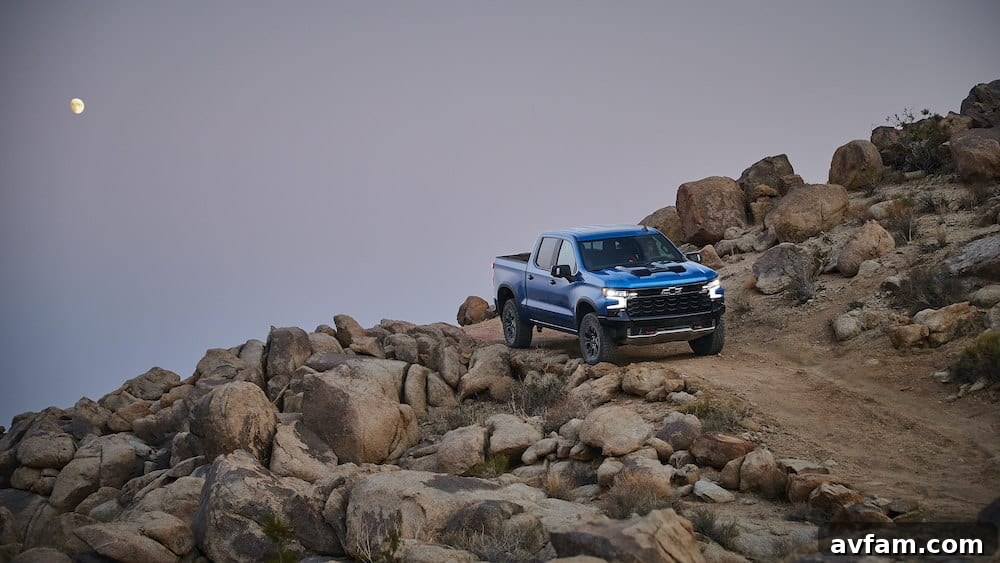
When faced with the demands of an extended overlanding adventure, having a supremely capable and reliable vehicle is paramount. Full-size trucks provide an exceptional foundation for conquering the most rugged terrains and venturing deep into truly remote regions. With their inherently robust construction, powerful engine options, and often more sophisticated off-road systems, these trucks are engineered to confront virtually any challenge that arises on the trail.
Pros and Cons of Full-Size Trucks for Overlanding
One of the most compelling advantages of full-size trucks is their unmatched towing capacity. They are expertly engineered to handle substantial loads, making them indispensable for overlanders who intend to bring along heavy campers, large equipment trailers, or other adventure vehicles. Whether your journey involves hauling a fully equipped expedition trailer, a boat, or a utility trailer brimming with gear, a full-size truck executes the task with authority and confidence.
Furthermore, full-size trucks typically offer a more spacious and comfortable cabin experience, featuring larger seating areas and a wider array of amenities. Long hauls to distant, remote destinations can be grueling, but with expansive interiors, often equipped with premium features like heated and ventilated seats, advanced climate control, state-of-the-art sound systems, and sophisticated infotainment interfaces, full-size trucks transform the journey into a luxurious and enjoyable experience for all occupants.
On the flip side, the sheer size of full-size trucks can present challenges when navigating extremely tight trails, dense forest paths, or congested urban environments. Their larger dimensions and extended wheelbases necessitate more space for turning, parking, and negotiating obstacles. However, modern full-size trucks frequently mitigate these challenges with advanced technologies such as 360-degree camera systems, blind-spot monitoring, forward-facing trail cameras, and parking assist features, significantly simplifying navigation in complex situations.
Another factor to consider is fuel efficiency. Full-size trucks, by virtue of their larger engines and greater weight, generally exhibit higher fuel consumption compared to their mid-size counterparts. This becomes a significant consideration for prolonged overlanding journeys where fuel stops might be few and far between, impacting both budget and range. Nevertheless, ongoing advancements in engine technology, including the availability of highly efficient turbocharged V6 engines, hybrid powertrains, and robust diesel options, are continuously improving fuel economy across the full-size truck segment.
Top Full-Size Trucks Recommended for Overlanding
When evaluating full-size trucks for overlanding, several formidable options consistently rise to the top. Popular choices that blend raw power, impressive off-road capabilities, and commendable comfort include the Ford F-150, the Chevrolet Silverado, and the Ram 1500. Each model offers a unique proposition tailored to various overlanding styles.
The Ford F-150: Renowned for its exceptional durability, innovative engineering, and remarkable versatility, the Ford F-150 is a perennial favorite among overlanding enthusiasts. Its high-strength, military-grade aluminum alloy body contributes to a lighter yet incredibly robust structure. Coupled with powerful EcoBoost and V8 engine options, and advanced off-road packages like the FX4 Off-Road Package or the dedicated Raptor variant, the F-150 is meticulously engineered to conquer virtually any type of terrain with unwavering confidence.
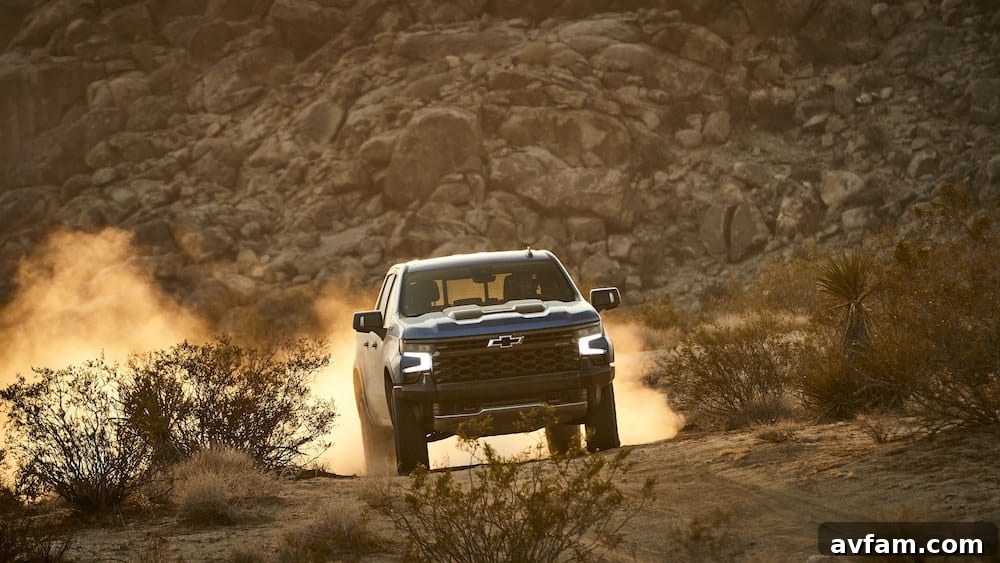
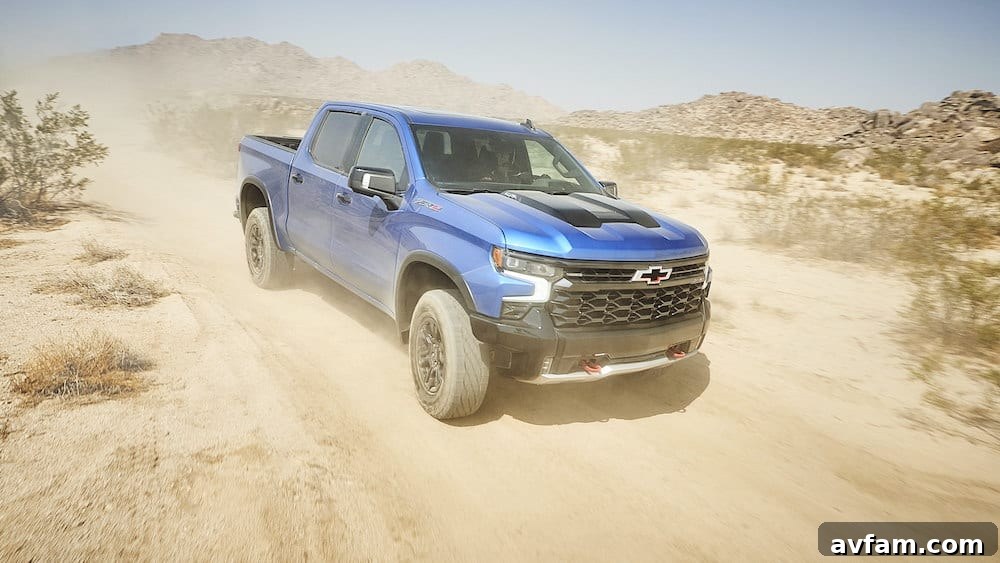
The Chevrolet Silverado: With its muscular design, robust build, and outstanding towing and payload capacities, the Chevrolet Silverado stands as another superb contender for demanding overlanding adventures. When equipped with features such as the Z71 Off-Road Package (including specialized suspension, skid plates, and all-terrain tires) and potentially a potent 6.2-liter V8 engine, the Silverado is purpose-built to navigate challenging off-road conditions with remarkable ease and reliability.
The Ram 1500: Often praised for its luxuriously appointed interiors, exceptionally smooth ride quality (especially with the available air suspension), and cutting-edge technology, the Ram 1500 delivers a comfortable yet highly capable overlanding experience. With options like off-road specific tire packages, robust skid plates, and an intuitive Uconnect infotainment system, the Ram 1500 masterfully blends premium comfort with serious off-road prowess, creating a versatile and enjoyable platform.
Ultimately, the selection of the ideal full-size truck for your overlanding aspirations hinges on your specific needs, priorities, and personal preferences. Whether your primary focus is unparalleled towing capability, extreme off-road dominance, or supreme interior comfort for extended journeys, there is undoubtedly a full-size truck within this class that will not only meet but exceed your requirements, paving the way for countless unforgettable adventures.
Mid-Size Trucks for Overlanding: Agile and Efficient
Mid-size trucks, by contrast, occupy a slightly smaller footprint than their full-size brethren, striking an excellent balance between formidable off-road capability and superior maneuverability. They represent an ideal choice for overlanders who desire a highly capable adventure vehicle without the added bulk and often greater complexity associated with a full-size truck, offering a more nimble and often more accessible entry point into the world of overlanding.
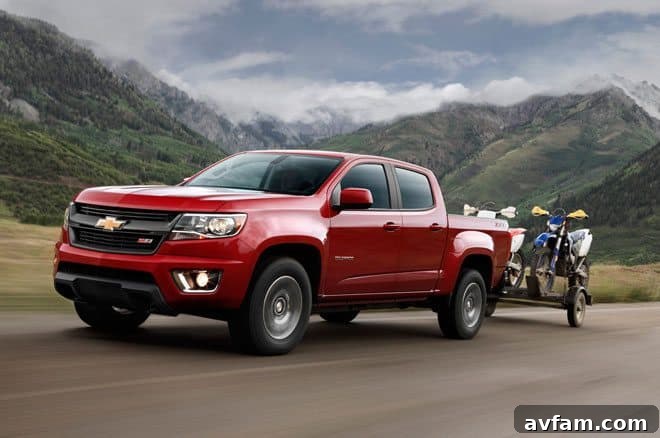
Advantages and Disadvantages of Mid-Size Trucks for Overlanding
One of the most significant advantages of mid-size trucks is their inherent maneuverability. Their more compact dimensions and shorter wheelbases make them far easier to navigate through narrow forest trails, tight rocky passages, and congested city streets. This agility also translates to a more comfortable and manageable daily driving experience. Furthermore, mid-size trucks typically offer better fuel efficiency, which can be a considerable advantage for long-distance overland travel, reducing both operational costs and the frequency of fuel stops.
However, mid-size trucks do come with certain limitations, particularly regarding their towing and payload capacities. If your overlanding plans involve consistently carrying a substantial amount of heavy gear, multiple passengers, or towing a large expedition trailer, a mid-size truck might reach its limits more quickly than a full-size option. While capable, they are designed for more moderate loads, and exceeding these can compromise performance, safety, and vehicle longevity.
Best Mid-Size Trucks for Overlanding
For overlanding enthusiasts gravitating towards the mid-size segment, a few models consistently stand out for their exceptional off-road capabilities, legendary reliability, and widespread aftermarket support. The Toyota Tacoma and the Chevrolet Colorado are two immensely popular choices, lauded for their robust construction, proven performance on demanding trails, and excellent balance of size, capability, and fuel efficiency.
Toyota Tacoma: The Tacoma has achieved near-iconic status in the overlanding community, particularly its TRD Off-Road and TRD Pro variants. Known for its bulletproof reliability, strong resale value, and extensive aftermarket parts availability, the Tacoma is a favorite for those seeking a highly customizable and dependable trail machine. Its compact size makes it perfect for navigating tight tracks where larger trucks struggle.
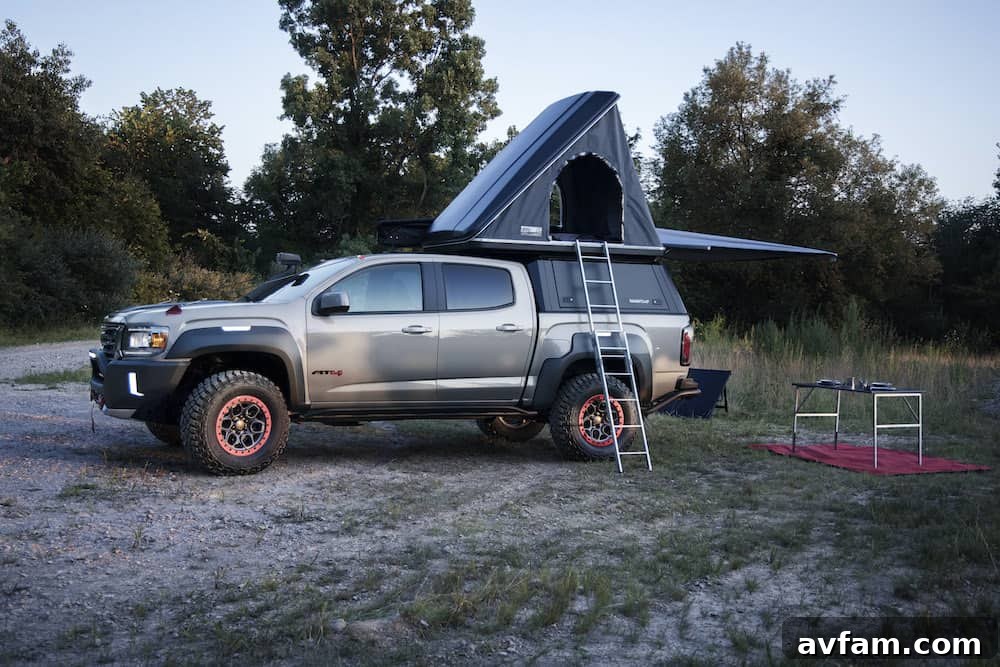
Chevrolet Colorado: Especially in its ZR2 trim, the Chevrolet Colorado offers serious off-road credentials right off the showroom floor. Featuring advanced Multimatic DSSV™ dampers, factory lift, and robust skid plates, the Colorado ZR2 is engineered to tackle extreme terrain. It provides a compelling blend of daily drivability, respectable towing capacity for its class, and genuine off-road performance, making it a versatile overlanding platform.
Other notable mid-size contenders include the Jeep Gladiator, offering unique open-air capabilities and solid axles, and the Ford Ranger, which brings a strong turbocharged engine and solid towing figures to the table. Each offers distinct advantages, allowing overlanders to choose a truck that aligns perfectly with their adventure style.
Comparing Full-Size and Mid-Size Trucks: A Detailed Analysis
Having explored the individual characteristics of both full-size and mid-size trucks, let’s now conduct a comprehensive side-by-side comparison. This detailed analysis will illuminate their key differences across various critical metrics, empowering you to make the most informed decision for your unique overlanding requirements.
Performance and Capability Comparison
In terms of raw performance and capability, full-size trucks generally offer superior power output, higher torque figures, and significantly greater towing and payload capacities. Their robust V8 or high-output V6 engines are better suited for heavy-duty tasks, such as hauling substantial campers or navigating challenging uphill climbs with a full load. They also often come with heavier-duty axles, larger brakes, and more robust frame structures designed to withstand extreme stresses. Mid-size trucks, while still capable, are generally more nimble and agile on tighter trails, owing to their smaller dimensions and often tighter turning radii. Their typically smaller engines also contribute to better fuel efficiency, making them a more economical choice for long-distance travel where sheer power isn’t the absolute priority.
Cost of Ownership Comparison
When it comes to initial acquisition cost, full-size trucks tend to carry a higher price tag than their mid-size counterparts. This reflects their larger size, more extensive features, and enhanced capabilities. However, the cost comparison extends beyond the purchase price. Full-size trucks generally incur higher ongoing expenses due to greater fuel consumption, potentially higher insurance premiums, and more expensive parts and labor for maintenance and repairs. Mid-size trucks, conversely, offer a more budget-friendly entry point and typically lower running costs, making them an attractive option for overlanders who need capability without breaking the bank. Factor in modifications, and the gap can widen further.
Durability and Maintenance Comparison
Both full-size and mid-size trucks are engineered for durability, especially in their off-road oriented trims. However, full-size trucks often possess a fundamental advantage in robustness due to their larger, heavier-duty components. This includes stronger frames, larger suspension components, and more substantial drivetrain parts designed to handle greater stress and weight. This inherent ruggedness can translate to greater longevity under extreme conditions. However, this strength often comes with a trade-off: larger, more complex components can be more expensive to replace or repair, and maintenance tasks might require specialized tools or increased labor. Mid-size trucks, while still durable, might feature less heavy-duty components, which can sometimes result in lower maintenance and repair costs, especially for common wear-and-tear items. Availability of parts in remote areas is also a consideration, with popular mid-size models like the Tacoma having a vast parts network.
Maneuverability and Trail Access
This is where mid-size trucks truly shine. Their narrower stance and shorter wheelbase allow them to navigate extremely tight, technical trails, weave through dense tree lines, and execute sharper turns that would be impassable or highly challenging for a full-size truck. This advantage is crucial in areas like forested tracks, deeply rutted paths, or congested backcountry campsites. Full-size trucks, while capable of tackling large obstacles, require wider paths and more careful planning for turns, limiting access to certain remote areas. For explorers who prioritize reaching the most secluded and challenging spots, a mid-size truck often provides superior trail access.
Cargo and Comfort for Long Hauls
Full-size trucks offer undeniable benefits in terms of interior passenger space and overall cargo volume. This translates to more comfortable long-distance travel for multiple occupants and the ability to pack substantially more gear inside the cab, protected from the elements. Their larger beds also accommodate bigger camping setups, such as larger roof-top tents, slide-in campers, or more extensive recovery equipment. Mid-size trucks, while offering sufficient space for solo adventurers or couples, can feel cramped with more than two people and a significant amount of gear, potentially requiring more strategic packing or external storage solutions like bed racks and roof racks to compensate.
Making the Right Choice for Your Overlanding Needs
The ultimate decision between a full-size and a mid-size truck for overlanding is deeply personal, hinging entirely on your specific adventure goals, lifestyle, and practical considerations. There is no universally “best” option; rather, it’s about finding the perfect fit for your unique journey.
Assessing Your Overlanding Goals and Style
Take ample time to introspectively evaluate your primary overlanding goals and the specific types of off-road adventures you envision. If your plans frequently involve towing heavy expedition trailers, carrying a large family or group of friends, or necessitating a vast amount of specialized gear, the robust capabilities and generous space of a full-size truck will likely prove indispensable. Conversely, if your priority is navigating extremely tight, technical trails, exploring dense backcountry where agility is key, or enjoying more economical daily driving, a mid-size truck might be the more suitable and enjoyable companion.
Evaluating Your Budget and Long-Term Costs
Beyond the initial purchase price, carefully consider your overall budget, encompassing not only the vehicle itself but also anticipated long-term ownership costs. Full-size trucks generally demand a higher upfront investment, along with increased expenses for fuel, insurance, and maintenance. Mid-size trucks typically present a more accessible entry point into overlanding, offering a more affordable ownership experience without significantly compromising on essential off-road capability, making them a wise choice for budget-conscious adventurers.
Considering Your Comfort, Convenience, and Lifestyle Integration
Reflect on the level of comfort and convenience you desire during prolonged overlanding trips and how the vehicle integrates into your daily life. If a spacious, often more luxurious interior with an abundance of advanced features is a non-negotiable for enhancing long-haul enjoyment, a full-size truck will likely deliver. However, if you prioritize a more compact, nimble vehicle that is effortless to park and maneuver in both urban and wilderness settings, and perhaps serves as a primary daily driver, a mid-size truck could be a far more practical and satisfying fit for your lifestyle.
Ultimately, the full-size versus mid-size truck debate for overlanding does not yield a definitive, one-size-fits-all answer. It is deeply personal, guided by your individual preferences, financial parameters, and the specific demands of your planned adventures. By diligently considering these pivotal factors and thoroughly understanding the unique strengths and limitations of each truck category, you will be well-equipped to make an informed decision and confidently select the truck that is perfectly aligned to transform your overlanding aspirations into exhilarating, unforgettable realities.