
Metal roofing is not a single product but a category that includes several distinct panel styles with meaningful differences in appearance, installation, and long-term performance.
Two of the most commonly encountered options in residential and light-commercial roofing are standing seam and corrugated metal panels. Homeowners and contractors often compare these styles when getting quotes, and assuming they are interchangeable can lead to a mismatch between expectations and what actually gets installed. Understanding the differences helps you select the right roof for appearance, budget, and performance needs.
What Sets Standing Seam Apart
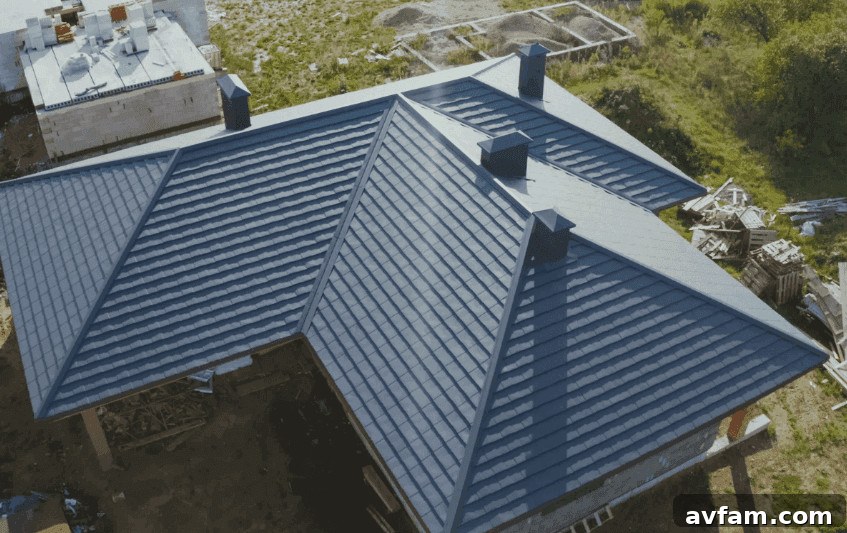
Standing seam panels are characterized by raised, interlocking vertical seams that run the length of each panel, with the fasteners concealed beneath the seam rather than exposed on the surface. This hidden-fastener design is the primary functional advantage: because there are no exposed screw heads embedded in the weather, there are fewer intentional roof penetrations where sealant can fail and create leak paths.
Visually, standing seam delivers a clean, contemporary appearance: smooth, flat panel faces interrupted only by the raised seams. That refined aesthetic makes standing seam popular on modern homes and on projects where a sleek, finished look is important. The seam system also allows for some thermal movement and expansion control, which can help in larger roof areas.
What Sets Corrugated Panels Apart
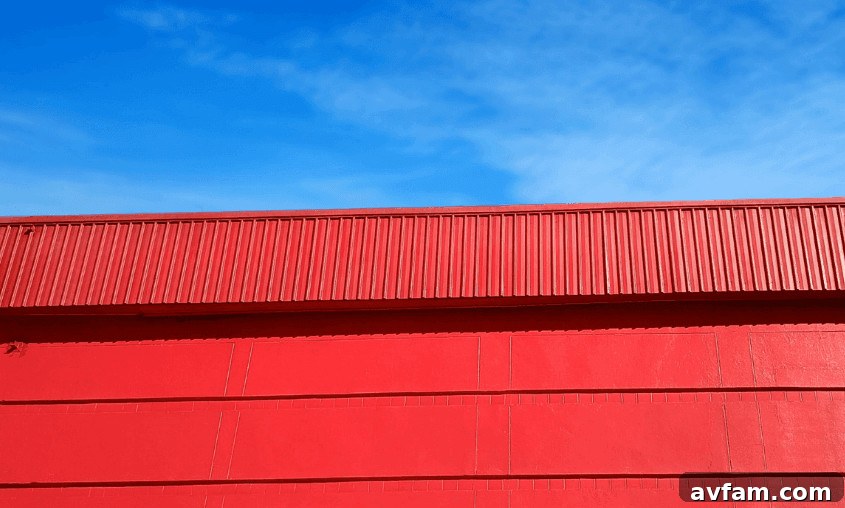
Corrugated metal panels feature a wavy, ridged profile across the entire panel surface rather than flat panels with raised seams. This is the classic metal roofing profile many people associate with barns, agricultural buildings, and simple utility structures. Corrugated panels remain a common and practical roof choice for sheds, workshops, agricultural buildings, and economical residential projects where a rustic or utilitarian look is acceptable or preferred.
Corrugated panels are typically installed with exposed fasteners, meaning screws go directly through the panel into the roof structure, with a rubber washer providing the weather seal at each fastening point. This fastening method simplifies and speeds installation compared with the interlocking seam system of standing seam, which is a major reason corrugated panels generally cost less in both materials and labor.
The Real Trade-Offs Between the Two
Cost: Corrugated panels are generally the more budget-friendly option. Lower material cost and simpler, faster installation make corrugated attractive for projects with tight budgets or where speed is a priority.
Maintenance: Standing seam systems reduce the number of exposed fasteners and therefore the number of seal points that require periodic inspection and replacement. Corrugated panels rely on exposed washers that can degrade over time and will need attention to prevent leaks at those points.
Longevity: Both panel types can last for decades when properly installed and maintained, but standing seam systems commonly deliver a longer practical lifespan because they have fewer potential leak points and often use heavier gauge materials and factory-formed seams.
Appearance: Style preference and the building’s architecture play a major role. Standing seam provides a refined, modern appearance; corrugated reads as utilitarian or rustic. Choosing the right look depends on whether the roof should blend into a rural setting, complement contemporary architecture, or prioritize cost savings.
Snow and Wind Performance: Standing seam’s smooth surface tends to shed snow more readily than corrugated’s ridged profile, which can matter in cold climates where snow load management is important. Both systems can perform well in high winds when properly engineered and installed, though the continuous seam design of standing seam can offer slightly better wind-uplift resistance in many installations.
Which One Fits Your Project
No single panel style is objectively best for every situation. Corrugated panels often make sense for workshops, agricultural buildings, and budget-conscious utility projects where cost and a straightforward appearance are key. Standing seam is frequently the better choice for primary residences, commercial buildings, and architectural projects where a refined look, longer maintenance intervals, and enhanced weather resistance justify the higher initial investment.
Getting the Right Panel Style for Your Building
The ideal choice depends on budget, how the building will be used, the desired aesthetic, and local climate conditions. Discuss both options with an experienced metal roofing installer or contractor who can evaluate your roof geometry, exposure, and performance priorities. A knowledgeable installer will help you weigh upfront cost against long-term durability and maintenance to select the panel style that best matches your project goals.