

If you enjoy working with your hands, a career in residential construction can be a natural fit. It’s honest work without office walls: wood, concrete, and visible progress. But beneath the obvious appeal are realities many newcomers don’t see at first. Construction isn’t just assembling materials; it’s learning on-site, adapting when plans change, and developing skills that only experience can teach.
Before you commit, consider these seven essentials that will shape your success on the job.
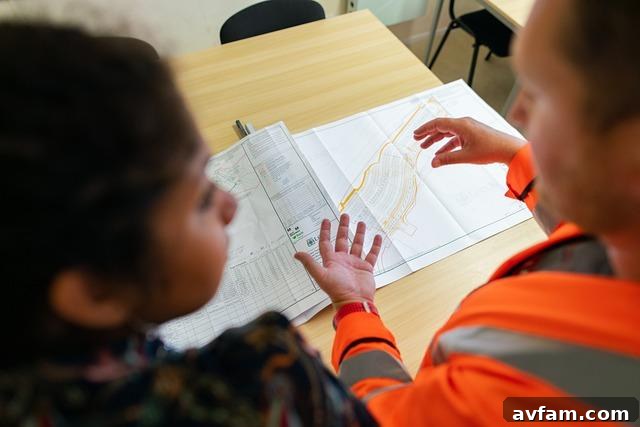
- You Learn the Fastest on Job Sites
Construction is a hands-on trade. Reading and videos are useful, but nothing replaces real experience. On-site work forces you to measure, cut, fit, and problem-solve in real time. That direct practice builds practical skills—tool handling, trade-specific techniques, and situational awareness—that classrooms can’t fully replicate.
If you want to grow, get on a site as soon as possible. Start with general labor or helper roles to immerse yourself in the trade. Those early days, with dust on your boots, shape your understanding far more than theory ever will.
2. Safety Always Comes First
Construction sites are unforgiving; a single mistake can cause serious injury. That’s why safety training is central to every job. It covers the right personal protective equipment, proper procedures, and how to move safely around equipment and coworkers.
Beyond helmets and gloves, awareness is the most important safety tool. Learn to watch for moving equipment, shifting materials, and other hazards. That vigilance becomes instinctive and keeps you and your team working without incident.
3. Problem-Solving Matters More Than Strength
People often assume construction is mainly about physical strength, but success depends on thinking as much as lifting. Plans change, materials arrive incorrectly, and measurements sometimes don’t line up. Being resourceful and adaptable matters more than raw power.
Small adjustments—shimming a frame, re-sequencing work, or rethinking a layout—keep projects moving. Strength moves objects; problem-solving keeps the project on schedule and prevents small issues from becoming costly delays.
4. Communication Prevents Mistakes
Many site issues start when someone assumes rather than asks. Silence can lead to misaligned fixtures, misplaced cabinets, or mistakes that ripple through a project. Clear, early communication prevents misunderstandings and rework.
This is particularly true in renovation jobs where multiple trades work in close quarters. A quick check-in about a dimension or layout can save hours of corrective work. Speak up when something looks off and confirm key details before things are set in place.

5. Cleaning Is Part of the Job
Work isn’t finished when the last nail is driven; cleanup is integral. A tidy site improves safety, speeds subsequent tasks, and makes issues easier to spot. Professionals regard cleanup as part of the daily routine rather than an afterthought.
Maintain your tools and clear debris at the end of each day. Clean tools last longer and a well-organized site reduces mistakes and improves efficiency for the next shift.
6. Licensing Opens Career Paths
Experience will eventually lead some workers to seek more responsibility—supervising crews, managing projects, or handling compliance. Licensing can be the gateway to those roles. Depending on your area and the scope of work, specific licenses or certifications may be required to take on supervisory or specialized responsibilities.
Preparing for and obtaining the right license expands the kinds of projects you can manage and shifts your role from hands-on labor to leadership and oversight.
7. Good Work Gets You Rehired
Reputation matters in construction. Supervisors and contractors remember who shows up reliable, works cleanly, and gets the job done. Consistent quality leads to repeat work and referrals. Over time, you’ll find that jobs come to you rather than the other way around.
Conclusion
Residential construction is demanding and unpredictable, with safety and attention to detail always required. But it’s also rewarding for those who commit: you learn quickly on-site, sharpen your problem-solving, and build a reputation that earns better opportunities. Communicate clearly, keep your workspace organized, invest in the right training and licensing when the time comes, and you’ll move from new hire to trusted professional. Stay patient and persistent, and the work will reward your effort with steady growth and more interesting projects.