
Mulching is a fundamental gardening practice that often goes underestimated, yet it holds the key to a healthier, more vibrant, and more sustainable garden. Far from being just an aesthetic finishing touch, a well-applied layer of mulch serves as a multi-functional guardian for your soil and plants. It’s an indispensable technique that can dramatically reduce maintenance, conserve precious resources, and foster a thriving ecosystem beneath the surface. From retaining vital moisture during dry spells to battling stubborn weeds, enriching the soil, and even insulating delicate root systems, the benefits of incorporating mulch into your landscape routine are truly extensive. By understanding what mulch is, its diverse advantages, and how to choose and apply it correctly, you can unlock its full potential and transform your gardening experience into one of greater ease and success.
Understanding Mulch: Your Garden’s Protective Layer
At its core, mulch is any material applied to the surface of the soil to cover it. This protective layer can be broadly categorized into two main types: organic and inorganic. Each type offers distinct advantages and serves different purposes in the garden, making the choice dependent on your specific gardening goals and the needs of your plants.
Organic mulches are derived from natural, living sources and are typically biodegradable. These include materials like shredded bark, wood chips, leaves, straw, pine needles, grass clippings, and compost. The defining characteristic of organic mulches is their ability to break down over time. As they decompose, they release valuable nutrients back into the soil, enriching its fertility and improving its structure. This natural process encourages beneficial microbial activity, which is crucial for a healthy soil ecosystem. Organic mulches are generally preferred by gardeners looking to improve long-term soil health and support sustainable practices.
Inorganic mulches, on the other hand, are synthetic or mineral-based materials that do not decompose. Common examples include plastic sheeting, landscape fabric, rubber mulch, gravel, and decorative stones. While they don’t contribute nutrients to the soil, inorganic mulches are highly effective at suppressing weeds, retaining moisture, and preventing erosion. They are often chosen for their durability, longevity, and aesthetic appeal, especially in landscapes where soil enrichment is less of a priority or where a more permanent solution is desired, such as around trees, in pathways, or in rock gardens.
Both types of mulch play a vital role in garden management, but understanding their differences is key to making an informed decision that best suits your garden’s unique requirements.
The Multifaceted Benefits of Mulching Your Garden
Integrating mulch into your gardening routine offers a spectrum of advantages that contribute to the overall health, beauty, and resilience of your landscape. These benefits extend beyond simple aesthetics, impacting everything from water consumption to soil vitality and pest management.
1. Superior Moisture Retention
One of the most critical functions of mulch, especially in arid climates or during dry spells, is its remarkable ability to conserve soil moisture. By creating a protective barrier over the soil surface, mulch significantly reduces water evaporation caused by sun and wind. This means that less water escapes into the atmosphere, allowing more to penetrate the soil and become available to plant roots. As a result, gardeners can reduce their watering frequency and volume, leading to substantial water savings and less stress on plants during hot weather. Keeping the soil consistently moist also promotes deeper root growth, making plants more resilient to drought.
2. Effective Weed Suppression
Weeds are notorious competitors, vying with your cultivated plants for essential water, nutrients, and sunlight. A well-applied layer of mulch acts as a physical barrier that smothers existing weeds and prevents new weed seeds from germinating by blocking access to light. This significantly reduces the time and effort spent on manual weeding, allowing you more time to enjoy your garden rather than working in it. Over time, consistent mulching can deplete the weed seed bank in your soil, leading to a much cleaner and more manageable garden bed.
3. Regulates Soil Temperature
Mulch acts as a natural insulator, moderating soil temperatures throughout the year. In summer, it shields the soil from intense sun, keeping it cooler and preventing the rapid temperature fluctuations that can stress plant roots. In winter, mulch provides an insulating blanket, protecting roots from freezing temperatures and heaving caused by freeze-thaw cycles. This consistent, stable soil temperature creates an optimal environment for root development and overall plant health, ensuring a better growing season regardless of external weather conditions.
4. Enriches Soil Fertility
When you use organic mulches, you’re not just covering the soil; you’re actively feeding it. As organic materials like wood chips, compost, and leaves slowly decompose, they release a steady supply of essential nutrients into the soil. This natural process acts as a slow-release fertilizer, constantly replenishing the soil’s nutrient profile and promoting vigorous plant growth. Additionally, the breakdown of organic matter enhances the soil’s capacity to hold nutrients, making them more available for uptake by plant roots, fostering a richer and more productive growing medium.
5. Prevents Soil Erosion
Exposed soil is vulnerable to the erosive forces of wind and rain, which can wash away valuable topsoil and nutrients, especially on sloped landscapes. A layer of mulch provides a crucial protective covering that minimizes the direct impact of raindrops and shields the soil from strong winds. This stabilizes the soil structure, preventing the loss of vital organic matter and topsoil, and ensuring that your garden’s foundation remains intact and fertile.
6. Mitigates Soil Compaction
Repeated foot traffic, the weight of garden equipment, or even heavy rainfall can lead to soil compaction, where soil particles are pressed together tightly. This reduces pore space, making it difficult for air, water, and plant roots to penetrate. Mulch acts as a cushioning layer, distributing pressure and protecting the soil from direct impact, thereby preventing compaction. This preserves the loose, airy structure of the soil, which is essential for healthy root development, nutrient exchange, and proper drainage.
7. Enhances Soil Structure
Beyond preventing compaction, organic mulches actively improve soil structure over time. As they decompose, they contribute to the formation of humus, a stable organic material that acts like glue, binding soil particles together into aggregates. This creates a crumbly, well-aerated soil texture that is easier to work with, promotes better drainage, and improves the soil’s ability to retain both water and nutrients. A healthy soil structure is fundamental to supporting robust plant growth and a thriving microbial community.
8. Protects Plants from Frost Damage
For sensitive perennials, shrubs, and even trees, harsh winter temperatures can be detrimental, leading to root damage and plant death. A thick layer of mulch applied in late fall provides an essential insulating barrier that traps latent soil heat and protects plant roots from extreme cold and damaging freeze-thaw cycles. This protective blanket ensures that dormant plants remain safe and emerge healthy and vigorous in the spring, ready for another growing season.
9. Boosts Aesthetic Appeal
Beyond its practical benefits, mulch significantly enhances the visual appeal of any garden or landscape. A uniform layer of mulch creates a neat, finished, and professional look, tying together different elements of your garden design. Available in a wide variety of textures, colors, and materials – from rich dark browns of shredded bark to the vibrant red of cedar chips or the clean lines of decorative gravel – mulch allows you to complement your plants and hardscaping, adding depth, contrast, and definition to your outdoor space.
10. Long-Term Cost Savings
While there’s an initial investment in purchasing and applying mulch, the long-term savings are considerable. By significantly reducing the need for frequent watering, chemical herbicides for weed control, and synthetic fertilizers to enrich the soil, mulch effectively lowers your overall gardening expenses. Moreover, by promoting healthier, more resilient plants, it can also reduce losses from disease or pests, translating into fewer replacements and a more economical approach to garden maintenance.
Choosing the Right Mulch for Your Garden
Selecting the appropriate mulch is crucial for maximizing its benefits in your specific garden environment. With a wide array of options available, consider factors like your climate, soil type, plant needs, aesthetic preferences, and budget.
Popular Organic Mulches:
- Wood Chips and Bark Mulch: These are among the most popular organic choices, derived from shredded tree bark or whole branches. They offer excellent longevity, breaking down slowly over several years. Wood chips are ideal for pathways, perennial beds, and around trees and shrubs, where their slower decomposition rate is an advantage. They come in various sizes and colors, including natural, dark brown, and even dyed options like red or black, offering significant aesthetic versatility. Shredded bark tends to interlock, making it less prone to blowing away on windy days.
- Straw: Commonly bales of dried grain stalks (not hay, which contains weed seeds), straw is an inexpensive and readily available option. It’s particularly well-suited for vegetable gardens and annual beds, as it breaks down relatively quickly, adding organic matter. Straw is excellent for retaining moisture, suppressing weeds, and insulating tender plants. However, its light weight means it can be susceptible to being blown away in strong winds, and it may sometimes introduce its own weed seeds if not sourced carefully.
- Compost: Often referred to as “black gold,” compost is a nutrient-rich organic material derived from decomposed organic matter. It’s an exceptional choice for improving soil health, structure, and fertility, making it ideal for vegetable gardens, flower beds, and enriching poor soils. As a mulch, it continues to feed the soil as it slowly breaks down, supporting a robust microbial community. While excellent for soil, compost as a standalone mulch may not offer the same level of weed suppression as coarser materials and typically needs more frequent replenishment.
- Shredded Leaves: A free and abundant resource for many homeowners, shredded leaves make an excellent mulch. When shredded (to prevent matting), they conserve moisture, suppress weeds, and slowly decompose, adding vital organic matter and nutrients to the soil. They are particularly beneficial for perennial beds and under trees and shrubs, mimicking natural forest floor conditions.
- Pine Needles: Also known as pine straw, these provide a unique aesthetic and are especially beneficial for acid-loving plants like azaleas, rhododendrons, and blueberries, as they impart a slight acidity to the soil as they decompose. Pine needles interlock well, making them resistant to wind and erosion, and they break down slowly over time.
- Grass Clippings: If allowed to dry slightly and applied in thin layers (no more than 1-2 inches), grass clippings can be a convenient and free source of nitrogen-rich mulch. However, applying them too thickly can lead to matting, anaerobic decomposition, and an unpleasant odor. Ensure clippings are free of herbicides or pesticides if used in edible gardens.
Inorganic Mulches:
- Rubber Mulch: Made from recycled tires, rubber mulch is extremely durable and long-lasting, often used in playgrounds and around trees. It offers excellent weed suppression and does not decompose. However, it doesn’t contribute to soil health, can sometimes have a rubbery odor, and in some regions, concerns about flammability or chemical leaching exist.
- Plastic Sheeting/Landscape Fabric: These materials are highly effective at suppressing weeds and retaining soil moisture. Plastic sheeting also warms the soil, which can be beneficial for heat-loving crops. However, they prevent the soil from breathing naturally, can hinder water penetration over time, and do not contribute to soil health. Landscape fabric allows some air and water exchange but can still become clogged with debris. Neither material is aesthetically pleasing on its own and is often covered with a layer of organic or inorganic decorative mulch.
- Rocks and Gravel: These inorganic options are chosen primarily for their aesthetic appeal, durability, and excellent drainage. They are perfect for xeriscaping, rock gardens, and areas where heat retention is desired (beneficial for certain succulents and arid plants). However, they don’t improve soil fertility and can absorb and radiate heat, which might be detrimental to plants that prefer cooler root zones.
When making your selection, consider the specific needs of your plants, the desired look, and the maintenance level you’re prepared for. Organic mulches are generally preferred for their soil-building properties, while inorganic options offer longevity and specific functional benefits.
Effective Mulch Application: A Step-by-Step Guide
Applying mulch is a relatively simple process, but doing it correctly is crucial to reap its full benefits and avoid common pitfalls. Proper application ensures your plants thrive and your garden looks its best.
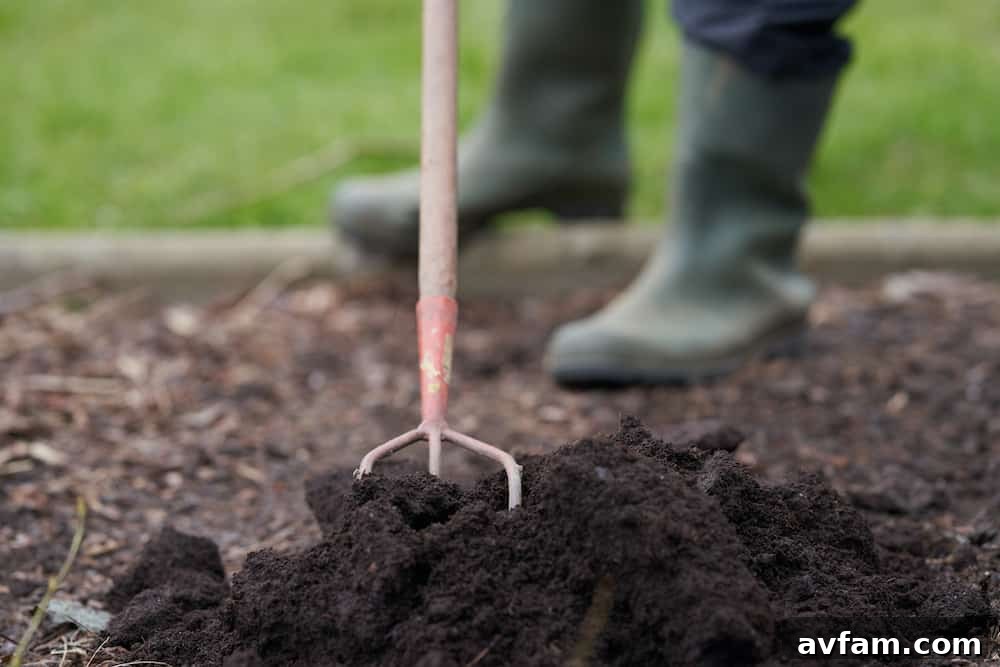
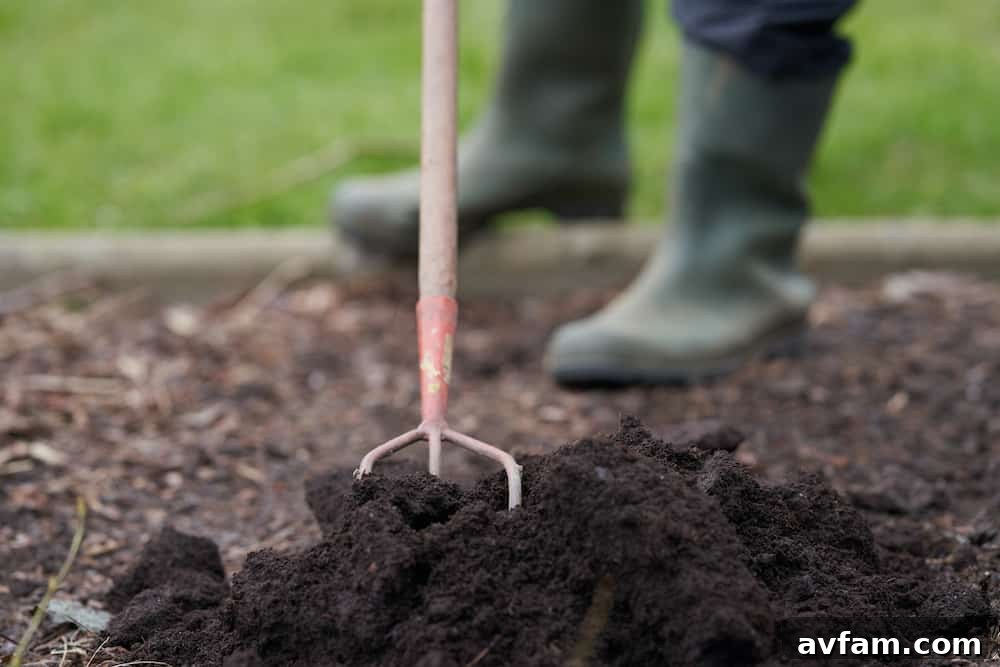
- Prepare the Area Thoroughly: Before you even begin spreading mulch, it’s essential to prepare the garden bed. Start by removing any existing weeds, either by hand-pulling, hoeing, or using a garden fork to loosen them. This step is critical because mulch can suppress new weeds, but it won’t kill established ones. Once weeds are gone, ensure the soil is moist by watering the area thoroughly. Mulch is excellent at retaining moisture, but it can also prevent water from reaching dry soil underneath if applied improperly. If your soil is particularly compacted, consider aerating it slightly before mulching. Define crisp edges for your garden beds to give a professional look and help contain the mulch.
- Spread an Even Layer: Begin spreading the mulch around the base of your plants, distributing it evenly across the soil surface. Use a rake or your hands to create a consistent layer. The goal is to cover all exposed soil within the plant beds. While aiming for an even depth, be particularly cautious not to pile mulch directly against the stems or trunks of plants. This common mistake, often called a “mulch volcano,” can trap moisture against the bark, leading to rot, fungal diseases, and creating a perfect hiding spot for pests like rodents, which can girdle and damage the plant. Leave a small ring, typically 2-3 inches, of clear space around the base of trees, shrubs, and plant stems.
- Maintain the Ideal Depth: The recommended depth for mulch application typically ranges from 2 to 4 inches for most organic mulches. This depth is sufficient to suppress weeds, retain moisture, and regulate soil temperature without suffocating the soil or plant roots. For coarser mulches like large wood chips, you might go slightly deeper (up to 4 inches), while finer mulches like shredded leaves or compost might be effective at 2-3 inches. Avoid going deeper than 4 inches, especially with fine mulches, as this can impede air and water penetration, potentially leading to anaerobic conditions and hindering root growth.
- Monitor and Reapply as Needed: Organic mulches naturally decompose over time, enriching the soil but also diminishing their depth and effectiveness. Keep an eye on your mulch layer throughout the year. As it thins, you’ll notice more weeds appearing or the soil drying out faster. Generally, organic mulches will need to be topped up annually or bi-annually, usually in spring or fall, to maintain the desired 2-4 inch depth. Simply add fresh mulch over the existing layer, following the same guidelines for evenness and avoiding plant stems. For inorganic mulches like gravel or rubber, reapplication is rarely needed, but occasional raking to redistribute and clean can be beneficial.
By following these straightforward steps, you can ensure that your mulching efforts yield the greatest benefits for your garden, promoting healthier plants, conserving resources, and creating a more beautiful and manageable outdoor space.
Cultivating a Thriving Garden with Mulch
Mulching is more than just a chore; it’s an investment in the long-term health and beauty of your garden. By understanding the diverse types of mulch available and applying them thoughtfully, you empower your landscape to flourish with minimal intervention. From its remarkable capacity to conserve precious water and suppress relentless weeds to its profound ability to enhance soil fertility, regulate temperatures, and protect delicate root systems, mulch truly acts as a silent partner in successful gardening. It beautifies your beds, reduces your workload, and fosters an environment where plants can truly thrive. Embrace this simple yet incredibly effective practice, and watch as your garden transforms into a more vibrant, resilient, and effortlessly beautiful haven.