
Elevate Your Bathroom Experience: The Ultimate Guide to Heated Towel Racks
Imagine stepping out of a steamy shower or a relaxing bath, not to a cold, damp towel, but to one that’s wonderfully warm, fluffy, and ready to embrace you. This isn’t just a fleeting moment of luxury; it’s an everyday reality made effortlessly possible by the installation of a heated towel rack. More than a simple indulgence, these innovative fixtures blend comfort, enhanced hygiene, and practical convenience, fundamentally transforming your daily bathroom routine.
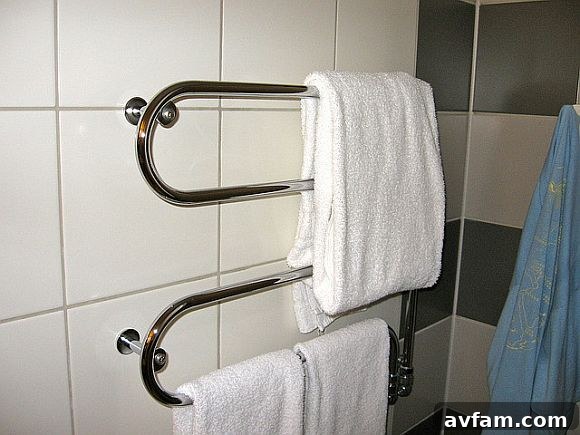
While the immediate allure is undoubtedly the sheer comfort of a pre-warmed towel, the advantages of installing a heated towel rack extend far beyond this singular pleasure. Let’s delve deeper into why this stylish bathroom accessory is quickly becoming a highly sought-after addition for discerning homeowners.
Beyond Indulgence: The Multifaceted Benefits of Heated Towel Racks
A heated towel rack offers a treasure trove of advantages for any bathroom, proving itself to be a wise investment in comfort, cleanliness, and the longevity of your cherished linens. These devices don’t just warm your towels; they elevate the entire bathroom environment.
1. Superior Hygiene and Effective Mildew Prevention
One of the most significant practical benefits is the rapid drying capability of heated towel racks. Unlike traditional towel bars or hooks, which often leave towels damp for extended periods, creating an ideal breeding ground for bacteria, mold, and mildew, a heated rack actively combats this. By continuously circulating warmth, it ensures your towels are thoroughly dry between uses, dramatically reducing mildew growth. This not only keeps your bathroom smelling fresh and clean but also contributes to a healthier living space, preventing the unpleasant odors and potential allergens associated with damp textiles.
2. Extended Towel Lifespan and Fabric Care
The constant dampness that can degrade towel fibers over time is effectively mitigated by a heated towel rack. By preventing mildew and the need for frequent, harsh washing cycles to remove odors, these racks help preserve the softness, vibrant colors, and structural integrity of your expensive bath linens. This thoughtful care means you’ll replace your towels less frequently, offering a subtle yet tangible long-term saving on household expenses.
3. Unmatched Versatility for Small, Damp Items
Heated towel racks are remarkably versatile, extending their utility beyond just bath towels. They provide an excellent solution for quickly drying other small, damp items that often clutter radiators or clotheslines. Consider wet gloves and mittens after a snowy adventure, soggy socks, delicate hand-washed garments, or even swimwear. These items can be efficiently and hygienically dried on your heated rack, keeping them in prime condition and ready for their next use without fuss.
4. Gentle Ambient Warmth for Your Bathroom
Beyond their primary function, many heated towel racks contribute a gentle, comfortable ambient warmth to your bathroom, particularly in smaller or cooler spaces. This can be an incredibly welcome feature on chilly mornings, making your bathroom feel more inviting and cozy. It offers a subtle heating solution without the need to excessively crank up your main home heating system, potentially leading to minor energy savings.
5. Elevated Bathroom Aesthetics and Increased Home Value
Beyond their functional prowess, a thoughtfully chosen heated towel rack can significantly enhance the aesthetic appeal of your bathroom. Available in a vast array of styles, finishes (such as polished chrome, brushed nickel, or matte black), and sizes, they can serve as a sophisticated focal point, adding a touch of modern luxury or classic elegance. Furthermore, high-quality, desirable bathroom fixtures like a heated towel rack are often viewed as a premium amenity, potentially increasing the perceived value and attractiveness of your home to prospective buyers.
Choosing Your Perfect Heated Towel Rack: Types and Key Considerations
Heated towel racks come in several distinct configurations, each with specific installation requirements and operational benefits. Understanding these differences is paramount to selecting the ideal model that perfectly suits your home, lifestyle, and existing infrastructure.
1. Electric Heated Towel Racks
Electric towel racks are generally the most prevalent and often the simplest to install, making them a popular choice for both new constructions and bathroom renovations.
- Plug-in Models: These units are incredibly straightforward to install and operate. You simply mount the rack securely to your wall near a Ground Fault Circuit Interrupter (GFCI) protected electrical outlet, plug it in, and immediately begin to enjoy warm towels. They are ideal for DIY enthusiasts, renters (if permitted), or anyone seeking a quick, hassle-free upgrade without complex electrical work. Plug-in models offer excellent flexibility in placement within the bathroom.
- Hardwired Models: For homeowners desiring a seamlessly integrated and aesthetically cleaner look, hardwired electric towel racks are the preferred choice. These models connect directly into your home’s electrical system, concealing all wiring within the wall for an uncluttered appearance. Due to the involvement of direct electrical connections, professional installation by a qualified electrician is typically required to ensure safety and strict compliance with local electrical codes. Many hardwired models come equipped with sophisticated features like built-in timers or thermostats, offering superior control over heating schedules and optimized energy consumption.
2. Hydronic Heated Towel Warmers
Hydronic towel warmers operate by utilizing your home’s existing hot water heating system (such as a boiler or central heating radiator system) to circulate warmth through the rack and, subsequently, your towels. These are often considered a more energy-efficient option, especially if your central heating system is already active.
- Central Heating Connected: These warmers integrate directly into your home’s existing hot water supply and return lines, essentially functioning as an additional radiator within your bathroom. Hot water is flushed through the rack’s internal pipes to generate heat. Installation is considerably more complex, demanding specialized plumbing expertise, and is generally best suited for new construction projects or major bathroom renovations where pipes can be easily accessed and integrated into the existing system.
- Electric Liquid-Filled (Self-Contained): While less common, this hybrid option presents a viable alternative. These units are electrically powered but contain a specialized heat-transfer fluid inside, similar to a traditional hydronic system. The fluid is heated by an internal electric element. They offer the consistent, gentle heat distribution characteristic of a hydronic system without the need to tap into your home’s central heating plumbing.
Key Factors to Thoughtfully Consider Before Purchasing:
- Size and Design Aesthetics: Ensure the rack’s dimensions are appropriate for your available wall space and that its design harmonizes with your existing bathroom decor. Consider the number of towels you realistically need to warm simultaneously.
- Material and Finish Durability: Popular materials include polished chrome, brushed nickel, oil-rubbed bronze, and high-quality stainless steel. Stainless steel is particularly durable and offers superior resistance to rust and corrosion, making it a long-lasting choice.
- Heat Output (BTUs/Watts): Assess your heating needs. If your primary goal is simply warming towels, a lower heat output will suffice. If you also wish for the rack to contribute noticeable ambient warmth to the room, opt for models with higher BTU (British Thermal Unit) or wattage ratings.
- Control Features: Decide on your desired level of control. Do you prefer a basic on/off switch, an integrated programmable timer for scheduled operation, or a thermostat for precise temperature control?
- Energy Efficiency and Running Costs: Look for models equipped with timers or those with lower wattage ratings to help manage electricity consumption. Hydronic models can be highly energy-efficient, especially when your central heating system is already running regularly.
- Safety Certifications: Always ensure the product you choose meets relevant safety standards and includes essential features such as overheating protection and compliance with electrical codes.
Detailed Installation Guide: From DIY Simplicity to Professional Plumbing
The intricacy of installation varies significantly based on the chosen type of heated towel rack. Regardless of your choice, always prioritize safety and do not hesitate to consult or hire qualified professionals when necessary.
General Pre-Installation Planning:
- Optimal Location: Carefully plan the exact mounting spot. Consider its proximity to showers, baths, and vanity areas for convenience. For electric models, evaluate proximity to appropriate electrical outlets. For hydronic models, assess accessibility to existing plumbing lines. Ensure adequate clearance around the rack for both function and aesthetics.
- Precise Measurements: Double-check the dimensions of the towel rack against your chosen wall space to ensure a perfect fit.
- Tools and Materials: Before commencing, gather all necessary tools and any supplementary mounting hardware, anchors, or specific plumbing components as recommended by the manufacturer.
Installing a Plug-in Electric Heated Towel Rack (DIY Friendly):
This method offers the most straightforward installation process, often achievable for a confident DIY enthusiast.
- Select Location with GFCI: Choose a suitable wall space that is conveniently located near a GFCI (Ground Fault Circuit Interrupter) protected electrical outlet. GFCI outlets are absolutely critical in bathrooms for preventing electrical shocks in potentially wet environments.
- Mark Mounting Points: Hold the towel rack against the wall at your desired height and use a pencil to precisely mark the locations where the mounting hardware will be attached. Utilize a level to ensure these marks are perfectly horizontal.
- Attach Mounting Hardware: Drill pilot holes at the marked points. If you are drilling into drywall, it is essential to use appropriate wall anchors (e.g., toggle bolts or self-drilling anchors) to ensure a secure and stable fastening. Attach the mounting brackets firmly to the wall.
- Secure the Rack: Carefully and securely affix the heated towel rack to the pre-installed mounting brackets, following the manufacturer’s specific instructions.
- Plug In and Test: Once the rack is firmly mounted, plug its cord into the GFCI protected electrical outlet. Activate the unit and confirm that it heats up properly.
Installing a Hardwired Electric Heated Towel Rack (Professional Recommended):
Given the direct involvement of your home’s electrical wiring, this type of installation should, for safety and compliance, be performed by a licensed and qualified electrician.
- Crucial Power Disconnection: Before any work begins, the electrician will crucially turn off the power to the relevant circuit at your main electrical panel. They will then verify that the power is off using a voltage tester.
- Wiring Installation: The electrician will expertly run new electrical wiring from an accessible power source within the wall cavity to the precise designated mounting location for the towel rack, ensuring all connections are hidden.
- Mount and Connect: The rack will be securely mounted to the wall, and all necessary electrical connections will be made directly within the wall plate or junction box provided with the unit, ensuring a clean and safe installation.
- Restore Power and Test: Once all connections are made and the rack is mounted, the power can be safely restored at the electrical panel, and the unit thoroughly tested for proper operation.
Installing a Hydronic Towel Warmer (Expert Plumbing Required):
This represents the most complex installation method, almost always necessitating the expertise of a professional plumber, particularly if it involves integrating with an existing central heating radiator system. This process requires working directly with your home’s central heating infrastructure.
If your home’s heating is supplied by a radiator system and you have accessible hot water supply and return lines in your bathroom, a hydronic towel warmer can be seamlessly integrated. This sophisticated method heats towels by circulating hot water directly from your central heating system through the towel rack’s internal pipes, essentially functioning as a stylish, miniature radiator.
- Critical Water Supply Shut-off and System Drain: As the first and most critical safety step, you must completely turn off the main water supply to your home and thoroughly drain the hot water from the entire radiator system before commencing any work.
- Access Existing Plumbing Lines: You will need to gain access to the existing hot water supply and return lines of your radiator system. This often involves carefully removing subfloor panels or cutting into walls, which means you should be prepared for potential re-installation of flooring or wall repairs after the plumbing work is complete.
- Precise Marking and Route Planning: Carefully mark the exact desired position of the towel warmer on your bathroom wall using a pencil, ensuring it is perfectly level and aesthetically pleasing within the space. Meticulously plan the most efficient and practical routing for the new copper piping that will connect to the existing supply and return lines.
- Install New Copper Piping: Attach new copper piping and appropriate fittings, extending them from the existing supply and return lines to the designated connection points on the towel warmer. This stage often requires precise measurements, careful pipe bending, and advanced plumbing techniques.
- Secure Soldering of Connections: All copper pipe connections must be expertly soldered to create watertight and robust seals. Always wear appropriate personal protective equipment, including heavy-duty gloves and eye protection, and ensure the work area is extremely well-ventilated when soldering.
- Attach Threaded Adapters: Connect specialized threaded copper adapters to the ends of the hot water lines where they will ultimately meet the towel warmer’s inlets and outlets.
- Reinstall Covering Materials: Once the plumbing work is completed and (ideally) tested for leaks, carefully reinstall any flooring or wall panels that were removed for access.
- Mount the Towel Warmer: Securely mount the hydronic towel warmer to the wall using the manufacturer-provided screws and robust mounting accessories. Confirm it is perfectly level and firmly attached to the structural elements of the wall.
- Connect and Thoroughly Test: Connect the shut-off valves to the towel warmer. Slowly and carefully refill your heating system. Gradually run water through the newly installed hydronic towel warmer, meticulously checking for any signs of leaks at all connection points. This thorough initial test is absolutely crucial to ensure proper installation, leak-free operation, and full functionality. For model-specific details, always refer to specialized installation guides provided by the manufacturer.
Maintenance and Care for Enduring Performance
Maintaining your heated towel rack is a straightforward process that helps ensure its longevity, continued aesthetic appeal, and optimal performance for years to come.
- Regular Surface Cleaning: Wipe down the surface of the rack regularly with a soft, damp cloth and a mild, non-abrasive cleaning solution. Avoid using harsh chemical cleaners, abrasive sponges, or scouring pads, as these can damage the finish and potentially void warranties.
- Periodic Connection Checks: Periodically inspect electrical cords and plugs for any signs of wear, fraying, or damage (for electric models). For hydronic models, visually inspect all plumbing connections for any signs of corrosion or subtle leaks.
- Avoid Overloading: While robust, it’s important not to overload the rack with an excessive number of towels or unusually heavy items. Overloading can impede proper air circulation, reduce heating efficiency, and potentially place undue stress on the mounting hardware.
Is a Heated Towel Rack the Right Upgrade for Your Home?
Whether you’re seeking an easy-to-install, plug-and-play addition or a more integrated, expertly installed system, there is undoubtedly a heated towel rack designed to meet your specific needs and significantly enhance your daily living experience. The compelling combination of luxurious comfort, improved bathroom hygiene, and practical convenience makes a heated towel rack a highly worthwhile consideration for any modern bathroom renovation or upgrade. It represents an investment that offers immediate, tangible benefits every single day you step into your bathroom.
Ready to transform your bathroom into a more luxurious, spa-like sanctuary? A heated towel rack might just be the perfect, functional addition you’ve been looking for.
Photo credit: Flickr.com/photos/garylerude/3556494258/