
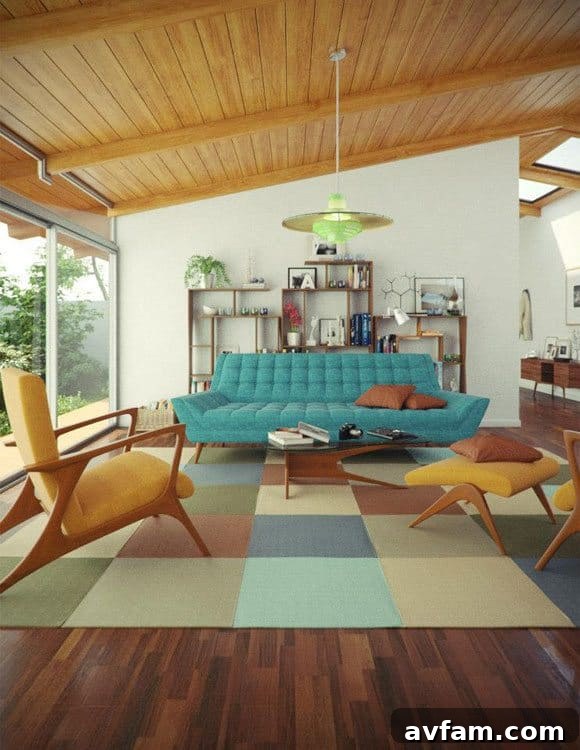
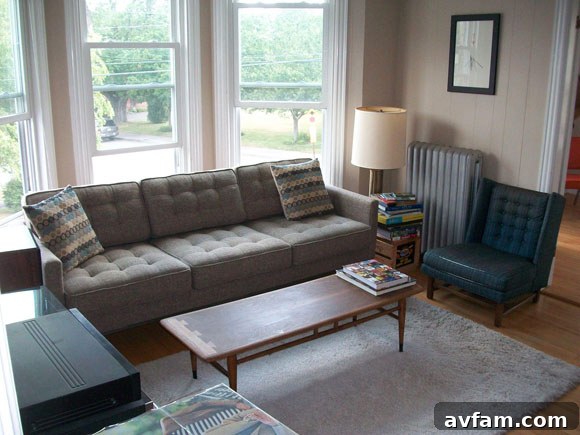
Mid-Century Modern (MCM) design has undeniably cemented its place as a powerhouse in contemporary interior aesthetics. Originating from the period roughly between the 1930s and 1960s, this iconic style continues to captivate designers and homeowners alike with its timeless appeal, functional elegance, and distinctive silhouettes. Last week, we briefly touched upon essential tips for shopping for furniture online, with a specific focus on the burgeoning world of MCM pieces. Today, we delve deeper into why this design era remains so universally adored and, more importantly, how its inherent versatility allows it to seamlessly integrate into virtually any home, transcending rigid stylistic boundaries.
The allure of Mid-Century Modern lies in its commitment to functionality, simplicity, and an optimistic vision for the future. Designers of the era, such as Charles and Ray Eames, Eero Saarinen, George Nelson, and Arne Jacobsen, prioritized innovative materials, organic forms, and ergonomic considerations. The result? Furniture characterized by clean lines, natural wood finishes (like teak and walnut), rich upholstery in solid colors or subtle patterns, and often a clever blend of materials like metal, plastic, and glass. These enduring characteristics are precisely what make MCM pieces incredibly adaptable, offering a refreshing contrast or a harmonious complement to diverse interior themes.
Mixing Furniture Styles: The Art of Eclectic Design with Mid-Century Modern
One of the most frequently asked questions in interior design revolves around combining different furniture styles without creating a chaotic environment. Can Mid-Century Modern furniture truly work in any home, and how does one master the art of mixing room styles effectively? The answer, unequivocally, is yes, and MCM pieces are often the secret ingredient to successful eclectic interiors.
 Thrive Furniture, a renowned name in contemporary furnishings, perfectly articulates this philosophy:
“Mixing styles together is what mid-century modern does best. No need to match fabric or style, this era lends itself to an eclectic mix of furniture capitalizing on the mish mosh effect.”
“The less matching the better. Mid-century modern will match well with most styles, with the exception of truly Traditional furniture.”
“Even Shabby Chic slipcovers will lend themselves to the angles and lines of an MCM piece.”
This insight underscores the extraordinary adaptability of MCM design. Unlike more ornate or overtly thematic styles, Mid-Century Modern pieces often serve as a neutral yet stylish anchor, allowing other design elements to shine. Their understated elegance means they rarely clash but rather provide a sense of balance and sophistication.
Strategies for Blending MCM with Other Aesthetics
To successfully integrate Mid-Century Modern furniture into a varied decor scheme, consider these strategies:
- Embrace Contrast and Harmony: MCM’s clean lines can beautifully contrast with the rustic textures of a farmhouse style or the ornate details of a more classic setting. At the same time, its natural wood tones and earthy color palettes often find harmony with a range of existing decor.
- The “Mish-Mosh” Effect: As Thrive Furniture suggests, the beauty lies in not matching everything. An MCM credenza can sit comfortably next to a bohemian rug and a contemporary sofa. The key is to find common ground through elements like a cohesive color palette, similar material finishes (e.g., warm woods), or a consistent scale among pieces.
- Scale and Proportion: While MCM pieces are often sleek, ensure their scale works within the room and alongside other furniture. A low-slung MCM sofa might require complementary low side tables, regardless of the other styles present.
- Texture Play: Use MCM’s minimalist forms to highlight diverse textures. A smooth leather Eames lounge chair can be paired with a chunky knit throw, a rough-hewn wooden coffee table, or industrial metal accents, creating visual interest without overwhelming the space.
- Bridging Traditional Gaps: While truly “traditional” furniture might be challenging, MCM can bridge more classic elements with contemporary ones. Imagine an MCM dining table surrounded by updated Windsor chairs or upholstered dining chairs that nod to a more formal aesthetic. The key is to avoid pieces that are overtly heavy or overly embellished, which might conflict with MCM’s simplicity.
- Eclectic Combinations:
- MCM & Industrial: The raw metals and exposed brick of industrial design find a natural partner in MCM’s streamlined forms and often metallic bases.
- MCM & Bohemian: MCM’s clean structure provides a grounding element for bohemian textiles, plants, and global artifacts.
- MCM & Scandinavian: These two styles are practically siblings, sharing a love for functionality, natural materials, and minimalist aesthetics. They blend effortlessly.
- MCM & Modern Farmhouse: MCM’s organic lines and warm woods can soften the rustic edges of modern farmhouse decor, adding a touch of sophisticated mid-century warmth.
The versatility of Mid-Century Modern furniture lies in its foundational principles of form following function and timeless design. These pieces were built to last, both physically and aesthetically, making them ideal candidates for creating dynamic, personalized, and truly eclectic living spaces.
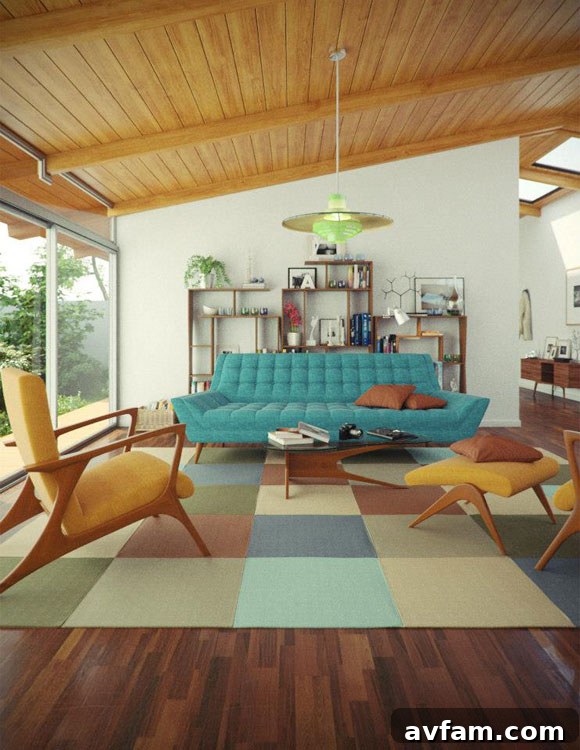
Investing in Quality: Tips for Shopping for Mid-Century Modern Furniture Online
As mentioned previously, buying furniture online offers unparalleled convenience and access to a vast array of MCM pieces, from vintage originals to high-quality reproductions. To ensure your investment is a wise one, consider these detailed tips when navigating the online marketplace:
- Research Authenticity and Reputations: If you’re seeking original vintage pieces, thoroughly research the seller’s reputation and look for verifiable provenance. For reproductions, ensure the retailer is known for quality craftsmanship and ethical sourcing.
- Scrutinize Product Descriptions: Read every detail about materials, dimensions, and condition. Don’t assume anything.
- Demand High-Quality Photos and Videos: Clear, well-lit photos from multiple angles are crucial. Even better, request a video walk-around for vintage items to spot imperfections.
- Understand Dimensions: Measure your space carefully before purchasing. MCM furniture can sometimes be lower or shallower than contemporary pieces, so pay close attention to height, width, and depth.
- Inquire About Materials: For wood furniture, ask about the specific type of wood (teak, walnut, rosewood) and its finish. For upholstery, understand the fabric composition and durability.
- Review Return Policies and Guarantees: Online purchases come with inherent risks. A robust return policy offers peace of mind. Understand who covers return shipping costs.
- Consider Shipping and Delivery: Factor in shipping costs and delivery times. For large or delicate vintage pieces, white-glove delivery might be a worthwhile investment.
- Read Reviews: Customer reviews often provide valuable insights into product quality, customer service, and overall satisfaction.
Online marketplaces for MCM furniture include specialized vintage dealers, auction sites, general e-commerce platforms with dedicated MCM sections, and direct-to-consumer brands offering contemporary interpretations or reproductions.
Furniture Care: Preserving Your Mid-Century Modern Treasures
After you’ve invested in the mid-century modern piece of your dreams, understanding how to properly care for it is paramount. Proper maintenance not only preserves its aesthetic appeal but also extends its lifespan, ensuring it remains a cherished part of your home for generations. This applies not just to MCM but to furniture of any style, emphasizing the importance of diligent care.
General Furniture Care Guidelines:
- Keep Furniture Clean and Dust-Free: Regular dusting with a soft, dry cloth prevents abrasive buildup. For upholstered pieces, a gentle vacuuming attachment can remove dust and debris.
- Avoid Direct Sunlight: Sunlight is indeed the enemy of any upholstered piece of furniture, and even wood can suffer. Prolonged exposure can lead to fading, discoloration, and material degradation. Uneven wear and sun lines can pop up if not properly managed, so rotate cushions and reposition furniture periodically if direct sunlight is unavoidable. Consider using UV-blocking window treatments.
- Control Humidity and Temperature: Extreme fluctuations in humidity and temperature can cause wood to expand, contract, crack, or warp. Maintain a stable indoor environment, ideally between 40-50% humidity.
- Fluff Cushions and Pillows: Along with the occasional meeting with a vacuum, regular fluffing of cushions and pillows helps maintain their shape and comfort, preventing permanent indentations.
- Address Spills Immediately: Blot spills rather than rubbing them to prevent spreading or pushing the liquid deeper into the material. Different materials require specific cleaning agents.
Specific Care for Mid-Century Modern Materials:
Mid-Century Modern furniture often features a distinctive array of materials, each requiring tailored care:
Wood Furniture (Teak, Walnut, Rosewood, Oak):
- Cleaning: Dust regularly with a soft cloth. For deeper cleaning, use a damp cloth with mild soap, then immediately wipe dry.
- Polishing/Oiling: Depending on the finish, wood furniture may benefit from periodic polishing or oiling. Teak, for example, often benefits from teak oil to nourish the wood and maintain its luster. Walnut and rosewood might need a furniture polish designed for their specific finishes. Always test on an inconspicuous area first.
- Protection: Use coasters under drinks and placemats under hot dishes to prevent rings and heat damage. Avoid placing furniture directly next to heat sources or in direct sunlight.
Upholstered Furniture (Wool, Tweed, Fabric Blends):
- Vacuuming: Regular vacuuming with an upholstery attachment keeps fabric free of dust and pet hair, preventing grime from settling deep into the fibers.
- Spot Cleaning: For spills, blot with a clean, white cloth. Consult the manufacturer’s cleaning code (often on a tag: W for water-based, S for solvent-based, WS for both, X for vacuum only) before attempting any spot treatment.
- Professional Cleaning: Consider professional upholstery cleaning every few years to refresh the fabric and remove deep-seated dirt.
- Sun Protection: As mentioned, keep upholstered pieces out of direct, prolonged sunlight to prevent fading.
Leather Furniture:
- Dusting/Wiping: Dust regularly with a soft, dry cloth. Wipe down with a slightly damp cloth as needed.
- Conditioning: Leather can dry out and crack over time. Apply a high-quality leather conditioner every 6-12 months to keep it supple.
- Avoid Harsh Cleaners: Use only products specifically designed for leather. Harsh chemicals can strip the natural oils and damage the finish.
- Sunlight and Heat: Keep leather furniture away from direct sunlight and heat sources (like radiators), which can accelerate drying and fading.
Metal and Chrome Elements:
- Cleaning: Wipe metal bases and accents with a soft, damp cloth. For chrome, a microfiber cloth with a diluted vinegar solution or a specialized chrome cleaner can restore its shine.
- Rust Prevention: Ensure metal components are kept dry to prevent rust. Address any signs of rust immediately with appropriate metal cleaners.
Plastic and Fiberglass Components:
- Gentle Cleaning: Wipe down with a soft cloth and mild soap and water.
- Avoid Abrasives: Do not use abrasive cleaners or scrubbers, as these can scratch the surface.
- Sunlight: While some plastics are UV resistant, prolonged direct sunlight can still cause discoloration or make plastics brittle over time.
By understanding the unique properties of these materials and applying proper care techniques, you can ensure that your cherished Mid-Century Modern pieces not only continue to enhance your home’s aesthetic but also endure as functional works of art for years to come. The enduring appeal of MCM lies not just in its design, but in its robust construction, which, with a little care, can truly last a lifetime.