
Let’s be candid: for many, myself included, summer’s relentless embrace can be more of a challenge than a cherished season. While the allure of sunny days, refreshing swims, alfresco dining, and lakeside retreats is undeniable, the oppressive grip of a prolonged heatwave, such as the one currently stifling Kansas City and vast stretches of the country, can quickly diminish the charm. The sheer intensity of these extreme temperatures often leaves us, and more visibly, our cherished landscapes, feeling utterly parched and weary.
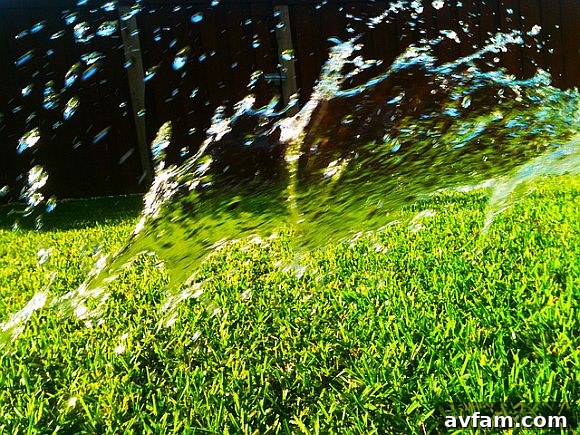
If you’re residing in an area grappling with scorching heat and relentless humidity, you’ve likely observed the tell-tale signs of distress spreading across your lawn and garden. Wilting leaves, browning grass, and stunted growth are clear indicators that your green spaces are struggling to cope with the environmental stress. The good news is that despair isn’t the only option. With a thoughtful approach and a few strategic adjustments to your routine, you can significantly mitigate the adverse effects of a heatwave, helping your thirsty lawn and plants not just survive, but truly thrive and return to their vibrant glory.
Mastering Water Management: The Key to Heatwave Survival
Water is the lifeline of any garden, and during a heatwave, its efficient and effective application becomes paramount. Simply watering isn’t enough; it’s about watering smartly.
Optimize Your Watering Schedule: Early Bird Gets the Moisture
One of the most critical adjustments you can make is to your watering schedule. The best time to water your lawn and garden is unequivocally near dawn, ideally between 4 AM and 8 AM. This early morning window is crucial because it allows the water to penetrate deep into the soil before the sun’s intensity and rising temperatures trigger rapid evaporation. Watering when the air is still cool and winds are typically calm minimizes water loss, ensuring that more moisture reaches the root zone where it’s desperately needed. You might need to brew an extra cup of coffee to embrace this dawn routine, but your verdant landscape will undoubtedly reward your efforts with sustained health and vitality. Avoid watering in the middle of the day, as most of the water will evaporate before it can be absorbed. Similarly, late evening watering, while reducing evaporation, can leave foliage wet overnight, potentially encouraging fungal diseases.
Deep Soaking: Nurturing Stronger Roots
When you do water, do so with purpose. Hasty, shallow watering sessions are largely ineffective in extreme heat, as moisture tends to evaporate quickly from the soil surface without reaching deeper roots. Instead, take your time and aim to thoroughly soak the ground to a depth of at least six inches. This profound saturation encourages your plants’ root systems to grow deeper, making them more resilient and capable of accessing subterranean moisture reserves, thus increasing their drought tolerance. To gauge the depth, you can use a simple tool like a screwdriver or a soil probe; if it penetrates easily to six inches after watering, you’ve done well. While this deep watering technique requires more time per session, it means you won’t need to water every single day, even amidst a severe heatwave. The general rule of thumb is to allow the top few inches of the ground to dry out completely before you water again, preventing overwatering which can suffocate roots and lead to other problems. Observe your specific lawn and garden, as soil types, plant varieties, and local microclimates will influence the ideal frequency.
The Mulch Miracle: Retaining Essential Moisture
Beyond strategic watering, adding a protective layer of mulch is arguably one of the most impactful steps you can take to safeguard your landscaping during a heatwave. Mulch acts as a natural insulator and moisture retainer, forming a barrier between the scorching sun and the sensitive soil beneath.
Adding Mulch: A Protective Blanket for Your Soil
To provide vital protection for your plants and soil, apply a two- to four-inch layer of organic mulch or compost around your plants and throughout your garden beds. This added material serves multiple functions: it significantly reduces water evaporation from the soil surface, keeps soil temperatures cooler and more consistent, and helps to suppress pesky weeds that compete with your plants for precious water and nutrients. Organic mulches, such as shredded bark, wood chips, straw, pine needles, or well-rotted compost, offer the added benefit of slowly breaking down over time, enriching your soil with valuable organic matter and improving its long-term structure and fertility. When applying mulch, ensure it’s not piled directly against the stems or trunks of plants, as this can trap moisture and lead to rot; leave a small gap of an inch or two around the base.
Fertilizer Finesse: Less is More During Heat Stress
While fertilizers are essential for robust plant growth under normal conditions, their application during a heatwave requires careful consideration and, often, temporary cessation.
Minimize Fertilizer Use: Avoid Unnecessary Stress
During periods of extreme heat, it is highly advisable to minimize or completely cease the use of fertilizers. Fertilizers primarily work by promoting vigorous new growth, which in turn requires a significantly higher amount of water to sustain. Introducing new growth during a drought or heatwave puts immense additional stress on your plants, making them even more susceptible to wilting, scorching, and outright damage. Lush, tender new leaves are far more prone to burning in the sun than established foliage. Furthermore, some fertilizers, particularly those high in nitrogen, can “burn” the roots of plants that are already under stress from heat and lack of water. It’s best to cut back on all fertilizing activities until the temperatures drop to more moderate and plant-friendly levels. Instead of chemical fertilizers, consider a very dilute, gentle organic feed or compost tea only if absolutely necessary, but generally, waiting it out is the safest bet for your garden’s health.
Additional Strategies for a Resilient Landscape
Adjust Your Mowing Habits: Taller Grass is Happier Grass
During a heatwave, raise your mower blade to its highest setting, typically between 3 to 4 inches for most turf grasses. Taller grass blades create more shade for the soil surface, which helps to keep the roots cooler and significantly reduces moisture evaporation. This added height also allows the grass to develop a more extensive root system, making it more resilient to drought and heat stress. Furthermore, avoid mowing during the hottest part of the day, as this can stress both you and your lawn. Mowing less frequently also helps, as it allows the grass to conserve energy and moisture.
Weed Control: Eliminate Competition
Weeds are formidable competitors, aggressively vying with your desired plants for precious water and nutrients, especially when resources are scarce during a heatwave. Regular weeding is more crucial than ever. Opt for manual removal rather than herbicides, as chemical treatments can stress plants further in extreme heat and might not be as effective. A thick layer of mulch will also go a long way in suppressing new weed growth, reducing your workload and ensuring your plants get the most water.
Consider Drought-Tolerant and Native Plant Selections
For long-term resilience, especially if heatwaves are becoming a recurring issue in your region, consider incorporating more drought-tolerant and native plant species into your garden. Native plants are inherently adapted to your local climate and soil conditions, requiring less supplemental water once established. Succulents, certain ornamental grasses, and many Mediterranean herbs are excellent choices for their ability to withstand dry, hot conditions.
Special Care for Container Plants
Potted plants are particularly vulnerable during heatwaves because their soil volume is limited and dries out much faster than garden beds. They often need watering twice a day in extreme heat. Grouping pots together can create a microclimate that reduces moisture loss. Using larger pots with good drainage and mixing water-retentive crystals into the potting mix can also help. Consider moving sensitive containers to shadier spots during the peak heat hours.
Provide Temporary Shade for Sensitive Plants
Some delicate plants or newly established seedlings may benefit from temporary shade during the most intense part of the day. You can use shade cloth, old sheets, or even strategically placed patio umbrellas to shield them from direct, scorching sunlight. This can prevent leaf scorch and reduce their water demands, giving them a much-needed reprieve.
Prioritize Soil Health for Long-Term Resilience
Ultimately, a healthy soil ecosystem is the foundation for a garden that can withstand stress. Regular incorporation of organic matter, such as compost, improves soil structure, enhances its water-holding capacity, and promotes a thriving microbial community. Healthy soil drains well, yet retains moisture, providing an ideal environment for robust root development that can better navigate periods of drought and heat.
Learn to Read Your Plants’ Signals
Your plants communicate their needs through visual cues. Wilting leaves during the hottest part of the day might simply be a temporary response to conserve moisture, and they may perk up in the evening. However, if wilting persists into the cooler parts of the day or if leaves start to turn crispy and brown, it’s a sign of severe dehydration and immediate action is needed. Regularly inspect your plants for these signs, allowing you to intervene before irreversible damage occurs.
Navigating a heatwave with your garden intact requires diligence and a proactive approach. By implementing these practical, science-backed strategies – from intelligent watering and protective mulching to thoughtful plant nutrition and soil management – you can significantly boost your landscape’s resilience. Don’t let the summer heat defeat your gardening ambitions. With a little extra care and attention, your lawn and garden can emerge from even the most intense heatwave looking healthy and vibrant. If you have any other tried-and-true tips for keeping your lawn and garden looking great in a heatwave, we’d love for you to share them and help our community thrive!
Photo: Flickr.com/AlexR.L.