
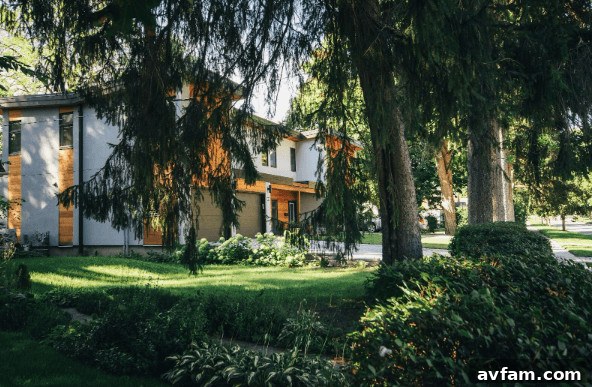
The predictability of our climate is rapidly diminishing, presenting unprecedented challenges for homeowners globally. From the increasing frequency of severe flooding and intense heatwaves to more ferocious storms and even unsettling shifts in ground stability, these environmental changes are profoundly impacting the longevity and performance of our homes. As a homeowner or property manager, passively observing these changes is no longer a viable option. Embracing proactive adaptation is paramount, not merely a choice, but a critical safeguard for your most significant investment.
The good news is that practical, effective solutions exist. By integrating strategic upgrades—ranging from reinforced roofing systems and advanced drainage solutions to intelligent design choices—we can equip our homes to withstand the evolving climate. These upgrades ensure residences remain secure, energy-efficient, and comfortable, providing peace of mind even as environmental conditions grow more uncertain. This comprehensive guide explores the essential steps property owners can take to future-proof their homes against the mounting pressures of a changing climate, ensuring resilience and sustained value.
Building Resilience: Adapting Structures for a Changing Climate
Protecting your property from the escalating impacts of climate change requires a multi-faceted approach, beginning with structural integrity. For properties situated in flood-prone regions, implementing elevated foundations is a highly effective strategy. This can involve raising the entire structure on stilts, piers, or a raised crawl space, significantly reducing the risk of water damage and preserving the structural integrity of the home during inundation events. Simultaneously, fortifying the protective envelope of your home, particularly the roof, is crucial. Investing in reinforced roofing materials, such as impact-resistant shingles, metal roofing, or well-anchored tile systems, dramatically enhances a home’s ability to resist heavy rainfall, hail, and high winds, which are becoming more common and intense.
Beyond initial upgrades, ongoing, vigilant maintenance forms the bedrock of climate resilience. A home’s long-term performance is inextricably linked to consistent care. Regular inspections of critical components, especially the roof, are non-negotiable. Proactive roof check-ups, like those offered by KY-KO Roofing in Phoenix, are essential for identifying and addressing minor issues before they escalate into costly structural problems. This preventative approach extends to gutters, downspouts, foundations, and exterior siding, all of which play vital roles in protecting your home from water intrusion and elemental damage. Timely repairs and seasonal cleanings ensure that your home’s defenses remain robust year after year.
For homeowners seeking a more comprehensive approach, deeper upgrades offer enhanced protection. In areas susceptible to wildfires, incorporating fire-retardant building materials like fiber cement siding, stucco, or treated lumber, combined with meticulously planned landscaping (creating defensible space around the home), can significantly mitigate wildfire risks. Beyond fire, design features such as strategically placed wind barriers (e.g., dense hedges, solid fences, or specially engineered architectural elements) can deflect damaging winds, protecting the building envelope. Green roofs, covered with vegetation, provide excellent insulation, reduce urban heat island effects, manage stormwater runoff, and extend the lifespan of roofing materials, all contributing to a more resilient and sustainable home.
Investing in energy-efficient improvements is another smart strategy that offers dual benefits: protecting your home and reducing long-term costs. Upgrading insulation in walls, attics, and floors with high-performance materials prevents heat transfer, keeping homes cooler in summer and warmer in winter. Energy-saving windows, such as double or triple-pane units with low-emissivity coatings, further enhance thermal performance and block harmful UV rays. Utilizing durable building materials, such as composite decking or resilient siding, minimizes the need for frequent repairs and replacements, contributing to the home’s overall longevity and resistance to extreme weather. These upgrades not only make the home more comfortable but also significantly lower utility bills and reduce its environmental footprint.
A truly resilient home integrates harmoniously with its surrounding environment. Thoughtful design that considers local climate patterns, topography, and natural features can dramatically improve both comfort and durability. For instance, orienting a home to optimize natural wind flow for cross-ventilation can substantially reduce reliance on air conditioning during warmer months, thereby lowering cooling costs. Similarly, designing overhangs and shading elements to block harsh summer sun while allowing winter sun to penetrate can naturally regulate indoor temperatures. Such strategic placement and design choices lessen the stress on the building structure and its mechanical systems, promoting a more sustainable and low-maintenance lifestyle.
The success of any home adaptation strategy hinges on tailoring upgrades to specific local climate conditions. Homes located in colder, snowy regions will benefit most from superior insulation, advanced temperature control systems, and robust snow load-resistant roofing. Conversely, properties in arid or semi-arid areas should prioritize water-saving systems like rainwater harvesting and drought-resistant landscaping, known as xeriscaping. Coastal homes, facing hurricane risks and rising sea levels, require elevated structures, impact-resistant windows, and corrosion-resistant materials. Matching upgrades precisely to regional environmental challenges ensures maximum effectiveness, enabling homes to perform optimally and endure over time, regardless of their geographical location.
Preparation is the final, indispensable layer of defense for homeowners and property managers. Developing clear, actionable emergency plans is critical for mitigating damage and ensuring safety during severe weather events. These plans should include designated evacuation routes, assembly points, contact lists for emergencies, and steps for securing the property before a storm. Regularly conducting drills, creating comprehensive emergency kits, and maintaining simple checklists for pre-storm preparations can make an immense difference. Being thoroughly prepared not only reduces potential damage to your property but, more importantly, keeps occupants safe and provides invaluable peace of mind when facing nature’s unpredictable forces.
Fostering Collective Action: Collaboration for Climate-Resilient Communities
Building truly climate-resilient communities extends beyond individual property owners; it demands an intricate web of collaboration across all sectors. Governments, private organizations, and local communities must coalesce their efforts, aligning incentives, updating zoning laws, and directing infrastructure investments towards shared sustainability and economic resilience goals. This includes policies that encourage green building practices, offer tax breaks for climate-friendly upgrades, and ensure that new developments are sited and constructed to withstand future climate impacts. Collaborative planning can lead to the creation of robust community-wide resilience strategies, from enhanced stormwater management systems to protected green spaces that double as flood barriers, fostering a collective approach to safeguard entire neighborhoods.
International cooperation stands as an equally vital pillar in this global endeavor. The exchange of technologies, research findings, and best practices across national borders accelerates the development and adoption of climate-resilient building solutions. Nations that have successfully adapted to specific environmental challenges, such as the Netherlands’ innovative water management techniques or Japan’s advanced seismic building standards, offer invaluable lessons. By actively sharing proven solutions and collaborating on research and development, the global community can collectively enhance building performance, significantly reduce the impact of extreme weather events, and contribute to a more sustainable future for all.
Education plays a transformative role in dismantling complacency and fostering proactive engagement. Raising widespread awareness about practical adaptation measures, both at the local community level and within policy-making spheres, is crucial for galvanizing industry-wide and citizen action. This involves demystifying complex climate science and translating it into tangible, achievable goals for homeowners and builders. When individuals and organizations recognize the feasibility and long-term benefits of climate-resilient practices—be it through public awareness campaigns, educational workshops, or accessible guides—they are far more likely to embrace and implement these essential changes. Informed communities are empowered communities, capable of driving meaningful and lasting change.
Leveraging Innovation: Harnessing Technological Aids for Resilient Homes
In the quest for climate resilience, advanced technology offers powerful tools to enhance property oversight and inform smarter decisions. Remote sensing, utilizing satellite imagery and drone technology, coupled with geographical information systems (GIS), provides invaluable predictive data concerning soil stability, fluctuating water tables, and evolving weather patterns. These sophisticated tools can map flood risks with greater precision, identify areas prone to erosion or subsidence, and even detect subtle changes in local microclimates. Armed with this granular data, homeowners, architects, and builders can make highly informed choices regarding property siting, optimal building materials, and design strategies, moving from reactive responses to proactive, data-driven resilience planning.
Furthermore, passive solar designs exemplify how integrating nature’s principles with modern engineering can optimize building sustainability and comfort. By meticulously orienting a structure to maximize natural sunlight in winter and minimize heat gain in summer, alongside superior insulation and strategic glazing (e.g., low-emissivity windows), properties can harness solar energy for heating while maintaining a naturally cool interior during extreme summer temperatures. These design features drastically reduce reliance on conventional heating and cooling systems, leading to substantial energy savings and a more harmonious interaction between the building and its environment, showcasing intelligent design over energy-intensive solutions.
Embracing smart home technology provides properties with a significant advantage, translating real-time data into enhanced efficiency and proactive protection. Advanced smart thermostats learn household routines and adjust temperatures optimally, minimizing energy waste. Leak detection sensors can instantly alert property managers to plumbing issues, preventing extensive water damage and mold growth. Energy use trackers offer invaluable insights into resource consumption, empowering homeowners to identify inefficiencies and make informed adjustments. These interconnected systems enable the development of environmentally conscious plans that not only reduce waste and utility costs but also significantly mitigate potential damages from everyday issues and unforeseen climate events, securing a home’s future through intelligent automation.

Embracing Biophilic Design: Nature’s Own Playbook for Resilience
Often, the most effective blueprints for resilience are found within nature itself. Biomimicry, the imitation of models, systems, and elements of nature for the purpose of solving complex human problems, offers profound insights. Mimicking natural ecosystems, such as planting native flora, acts as an organic, multi-functional barrier. Dense, strategically placed native trees and shrubs can serve as natural windbreaks, reducing energy consumption and protecting the building envelope from storm damage. Similarly, well-designed rain gardens and native plantings act as natural flood mitigators, absorbing excess stormwater runoff and preventing soil erosion. Plants with extensive, deep root systems are particularly effective at fortifying soil structure, enhancing its stability, and significantly improving water absorption capabilities, thereby safeguarding against landslides and erosion during heavy rains.
Sustainability in landscaping extends far beyond mere flora. Integrating comprehensive water conservation systems is crucial for responsible resource management. Rainwater harvesting, which involves collecting and storing precipitation from rooftops, can provide a sustainable source of water for irrigation, toilet flushing, and even non-potable indoor uses, drastically reducing reliance on municipal supplies. Greywater recycling systems, which treat and reuse wastewater from sinks, showers, and laundry, offer another layer of water efficiency, particularly beneficial for landscape irrigation. In challenging environments like sandy coastal regions, cultivating salt-tolerant species is vital to defend against soil degradation and stabilize dunes. Furthermore, innovative uses of waste products, such as incorporating seafood-shell waste into soil, can enrich nutrient content, improve drainage, and enhance overall soil health, fostering a more robust and resilient landscape.
Natural elements can also be seamlessly and beautifully integrated into the architectural design of a property, enhancing both aesthetic appeal and functional resilience. Vertical gardens, also known as living walls, not only infuse vibrant greenery into urban spaces but also provide excellent thermal insulation for buildings, reducing energy demands. They act as natural sound barriers, mitigating urban noise pollution, and contribute to improved air quality. Incorporating water features, such as small ponds, permeable paving, or naturalized bioswales, creates a calming connection to nature. These features can also serve practical purposes, aiding in stormwater management, attracting local wildlife, and contributing to evaporative cooling during hot periods, thereby enhancing both the ecological value and the comfort of the living environment.
Charting the Path Forward: The Inevitable Conclusion for Resilient Living
The escalating unpredictability of global climate conditions is no longer a distant threat but a present reality, profoundly influencing every aspect of how our homes are conceived, constructed, maintained, and ultimately improved. The narrative of adaptation is not one of overwhelming burden, but rather one brimming with practical, accessible solutions. It underscores that even seemingly minor upgrades, when combined with consistent maintenance and intelligent design choices, can collectively yield monumental differences in a home’s resilience and longevity over time. This proactive stance transforms vulnerability into strength, preparing our built environments for a future that demands foresight and adaptability.
Homeowners and property managers who courageously embrace a proactive approach to climate adaptation are not merely protecting their investments; they are safeguarding their future comfort, security, and peace of mind. By thoughtfully integrating the strategies outlined—from fortifying structural elements and leveraging cutting-edge technology to embracing nature-inspired designs and fostering community collaboration—a home can transcend its basic function. It can evolve into a robust, energy-efficient, and perpetually comfortable sanctuary, capable of weathering whatever environmental shifts lie ahead. The journey toward a resilient home is an investment in stability, a testament to preparedness, and a blueprint for sustainable living in an ever-changing world.