
In an increasingly complex world, ensuring the safety and security of our homes has become a top priority for every homeowner. While the idea of a comprehensive home security system might sound daunting or expensive, advancements in technology and the proliferation of accessible, do-it-yourself (DIY) solutions have empowered individuals to take control of their property protection without breaking the bank. This comprehensive guide delves into the essential aspects of DIY home security, offering actionable insights and practical tips to help you effectively safeguard your living space and achieve invaluable peace of mind.
Understanding the Foundation of Home Security
Home security extends far beyond merely deterring burglars; it’s about cultivating a secure and serene environment for you and your loved ones. By strategically implementing effective security measures, you not only ward off potential threats but also foster a sense of tranquility that allows you to live more freely, unburdened by constant worries about property intrusion.
The Indispensable Value of Robust Home Security
For any homeowner, robust home security should stand as a paramount concern. Its importance transcends the mere protection of physical assets and valuable possessions; it fundamentally safeguards your family from potential harm, ensuring their well-being and psychological comfort. A truly secure home acts as a sanctuary, providing a foundation of peace and stability. This allows you to channel your energy and attention towards personal growth, family activities, and professional endeavors, rather than being perpetually preoccupied with security vulnerabilities. Investing in proactive security measures is, therefore, an investment in your family’s future and your daily quality of life.
Core Components of a Resilient Security System
A truly resilient home security system is constructed upon several integrated and mutually reinforcing components. These essential elements encompass not only robust physical barriers but also the smart integration of modern technology, alongside a steadfast commitment to regular maintenance and proactive updates, ensuring continuous, optimal functionality.
At the heart of physical security are the fundamental access points: doors and windows. It is paramount to equip these with fortifications that can withstand attempted forced entry. This includes utilizing solid core or metal exterior doors, reinforcing door frames with longer screws into the wall studs, and installing high-quality deadbolt locks that extend at least one inch into the frame. For windows, consider options like shatterproof or laminated glass, security film, and sturdy locks that are regularly checked and properly engaged. Sliding glass doors, often overlooked, can be secured with additional locks or a simple security bar placed in the track.
Beyond physical barriers, technology serves as a powerful enhancer to your overall home security posture. The installation of a reliable alarm system, strategically placed surveillance cameras, and motion-activated lighting systems can act as formidable deterrents. These systems not only discourage potential intruders but also provide invaluable evidence in the unfortunate event of a security breach, aiding in identification and prosecution.
Moreover, the ongoing efficacy of your home security system hinges on consistent maintenance and timely updates. This proactive approach includes routine checks and replacement of batteries in smoke detectors, carbon monoxide detectors, and all security devices. Furthermore, it involves keeping your security system’s software and firmware up to date, ensuring it benefits from the latest security patches, feature enhancements, and protection against emerging vulnerabilities. Neglecting these maintenance tasks can significantly compromise even the most sophisticated security setup.
By thoroughly understanding and diligently implementing these interconnected components, you can profoundly enhance the security profile of your property. Remember, home security is not a one-time installation but an ongoing commitment that demands sustained attention and dedication. Staying vigilant, proactive, and continuously adapting your security measures are key to protecting your home and, most importantly, your loved ones.
Strategic Planning for Your DIY Home Security System
Before embarking on the implementation of any security measures, a meticulous and thoughtful planning phase for your DIY home security system is absolutely crucial. This preliminary planning is indispensable for accurately identifying potential vulnerabilities, systematically prioritizing your specific security needs, and ensuring the most efficient and impactful deployment of your resources, both in terms of time and budget.
Pinpointing Vulnerable Entry Points and Areas
Begin your planning process by conducting a comprehensive, methodical assessment of your entire property to precisely identify any and all vulnerable areas. This systematic audit should scrutinize every potential entry point, including all doors (front, back, side, garage), windows (ground floor, upper floor, basement), and any other accessible openings. Beyond direct entry points, observe environmental factors such as poorly lit zones around the house, overgrown vegetation that could provide concealment for intruders, or any other structural features that might inadvertently offer hiding spots. For example, a large, dense shrub near a low window can offer both cover and leverage for a would-be intruder.
During this assessment, pay close attention to unique architectural elements that might require specialized security considerations. For instance, if your home features a significant number of windows with decorative grilles or ironwork, you might need to explore options for reinforcing not only the glass itself but also ensuring the grilles are securely fastened and cannot be easily removed or pried open. Similarly, an accessible flat roof or a low-hanging tree branch near an upper-story window could present an unexpected point of entry.
By gaining a thorough understanding of your home’s specific vulnerabilities, you can then strategically address these weaknesses with targeted and effective security enhancements. For example, if your basement has small, easily accessible windows, installing sturdy window bars, security film, or even motion-activated lighting directly outside those windows can significantly reinforce them against intrusion attempts.
Prioritizing Your Security Needs and Investment
Once you have exhaustively identified the vulnerable areas across your property, the next critical step is to methodically prioritize your security needs. This involves determining which areas demand immediate attention and subsequently focusing your initial efforts and resources on implementing measures that directly address those high-priority vulnerabilities first. A phased approach based on priority can make the entire process more manageable and cost-effective.
To aid in prioritization, consider several key factors: the frequency of use for different entry points (e.g., your frequently used front door vs. a seldom-used basement window), the level of visibility each area has from neighboring properties or public view, and the value of assets located behind specific entry points. For example, a side entrance that is rarely used and largely obscured from public view might rank lower on your immediate priority list compared to your main front door or easily accessible ground-floor windows, especially if valuable items are stored nearby.
It is also highly advisable to consider the specific security landscape and crime trends within your immediate neighborhood. If there have been recent reports of specific types of break-ins, package thefts, or suspicious activities, it would be prudent to prioritize security measures that directly mitigate those particular concerns. For instance, an increase in package theft might necessitate a video doorbell camera, while a surge in home invasions might call for stronger door and window reinforcements.
By judiciously prioritizing your security needs, you can allocate your budget and time resources with optimal efficiency, thereby making your DIY home security endeavors significantly more effective and impactful. A meticulously planned and executed security system not only provides a profound sense of personal peace but also serves as a powerful and visible deterrent, actively discouraging potential intruders from targeting your home.
Implementing Robust Physical Security Measures
Physical security measures are the frontline defense against unauthorized entry and play an exceptionally crucial role in deterring potential intruders. By fortifying your home’s fundamental physical barriers, you can substantially elevate its security level and make it considerably more challenging for criminals to gain illicit access. This section will delve into practical steps to enhance both the interior and exterior physical security of your residence.
Advanced Door and Window Security Enhancements
Doors and windows represent the most common and often weakest points of entry for burglars. Consequently, bolstering these access points must be a paramount priority within your overarching home security strategy.
For your exterior doors, consider installing solid core or metal doors, which are inherently more resistant to kicking in compared to hollow core alternatives. Reinforce door frames by replacing short screws in the strike plate and hinges with longer, 3-inch screws that penetrate deep into the wall studs. This dramatically increases resistance to forced entry. A high-quality single-cylinder deadbolt lock with a hardened steel bolt, installed at least six inches above the door handle, is essential. For enhanced security and visitor screening, adding a wide-angle peephole or a smart video doorbell can provide a clear view of anyone at your entrance without opening the door.
Regarding windows, beyond robust locks, consider applying shatter-resistant window film, which holds glass together even if broken, making entry more difficult and noisy. For particularly vulnerable ground-floor or basement windows, installing aesthetically pleasing window bars or grilles can be a highly effective deterrent. Furthermore, integrate window sensors into your security system. These sensors are designed to detect any attempts to open or break the window, immediately triggering an alarm and alerting you, your family, or your security monitoring provider.
Crucially, do not overlook the security of secondary access points such as garage doors and side doors. Garage doors should be equipped with a strong locking mechanism, and if it’s an automatic opener, ensure the code is regularly changed and not easily guessable. Manual garage door locks or security bars can provide an additional layer of protection. Side doors, often less visible, should receive the same level of attention as your front door, including solid construction, strong frames, and high-quality deadbolts. Installing security cameras to monitor these less-frequented access points is also highly recommended.
Comprehensive Outdoor Security Considerations
Outdoor security measures are equally vital as indoor ones, forming the initial layer of defense that can often deter intruders before they even reach your home’s entry points. A well-designed and consistently maintained exterior environment significantly reduces opportunities for concealment and increases the risk of detection for potential burglars.
Effective outdoor lighting is a cornerstone of this strategy. Beyond simple motion-sensor lights, consider installing strategic, dusk-to-dawn lighting around your property’s perimeter, especially near all entry points, dark corners, and vulnerable areas. Brighter lights, such as floodlights, can be motion-activated to startle and expose intruders. The goal is to eliminate any shadows or dark spots where an individual might hide or operate undetected.
Integrating security cameras around your property is a powerful enhancement. Position these cameras to cover key areas like driveways, main entrances, backyard gates, and any sheds or detached garages. Modern outdoor cameras often come with features such as high-definition resolution, night vision, two-way audio, and intelligent motion detection that can differentiate between people, animals, and vehicles, reducing false alarms. The mere visible presence of cameras can act as a strong psychological deterrent.
Landscaping plays a significant, yet often underestimated, role in outdoor security. While an attractive yard enhances curb appeal, it’s paramount to ensure that no overgrown bushes, dense shrubs, or tall hedges provide concealment for potential intruders. Regularly trim all vegetation, especially those near windows and doors, to maintain clear lines of sight from inside your home and from neighboring properties. Consider planting thorny bushes or prickly plants directly beneath ground-floor windows; these can create an uncomfortable and noisy barrier for anyone attempting to approach. Additionally, gravel paths can be useful, as the crunching sound alerts residents to approaching footsteps.
Fences and gates, when properly maintained and secured, create a physical boundary that must be breached. Ensure fences are of adequate height (typically 6-8 feet for privacy and security) and that gates are robust, securely latched, and equipped with strong locks. Don’t forget to secure sheds, workshops, and other outbuildings with sturdy padlocks, as these often contain valuable tools that could be used to break into your main residence.
Remember, a meticulously maintained and well-lit outdoor space not only significantly enhances your property’s security but also elevates its overall curb appeal and creates a more welcoming atmosphere. By systematically implementing these comprehensive outdoor security measures, you establish a multi-layered defense, creating a safer environment for your family and deterring potential threats long before they reach your home’s interior.
Leveraging Technology for Advanced Home Security
The rapid and continuous advancement of technology has revolutionized home security, presenting an expansive array of sophisticated yet accessible options for homeowners to significantly enhance their DIY home security systems. By intelligently integrating these cutting-edge technological solutions into your existing security framework, you can introduce an additional, robust layer of protection, while simultaneously boosting convenience and smart management capabilities.
Selecting the Optimal Security Cameras for Your Home
Security cameras have evolved into an indispensable component of any modern home security system, offering both compelling visual evidence and acting as a powerful deterrent against potential intruders. Their strategic placement can dramatically increase the likelihood of identifying perpetrators and provide critical insights into security events.
When in the market for security cameras, a careful consideration of several key factors is essential. Evaluate the camera’s resolution (e.g., 1080p, 2K, 4K) to ensure clear image quality, particularly for facial recognition. The field of view (FOV) is also crucial; wider FOVs cover more area, potentially reducing the number of cameras needed. Night vision capabilities are paramount for round-the-clock surveillance, with options ranging from infrared (IR) black and white to color night vision. Furthermore, assess remote access options, which allow you to view live feeds and recordings from your smartphone or computer, regardless of your location. Consider features like two-way audio for communication, intelligent motion detection (to minimize false alarms from pets or branches), and options for cloud storage or local storage (SD card, NVR/DVR) for video footage.
Strategic placement is key: position cameras to cover vulnerable areas such as main entryways, driveways, backyards, and areas with valuable items. With the widespread availability of wireless and integrated smart home security camera systems, the installation and ongoing management of these devices have become remarkably more straightforward and accessible for the average homeowner, often requiring minimal tools and technical expertise.
Deciphering Alarm Systems and Sensor Technologies
An alarm system remains a foundational element of virtually any effective DIY home security setup. Contemporary alarm systems are equipped with a diverse range of sensors capable of detecting not only unauthorized entry but also environmental hazards such as smoke, carbon monoxide, and even water leaks or flooding, offering a holistic safety approach.
When selecting an alarm system, it’s vital to choose one that aligns with your specific security needs, property layout, and budgetary constraints. Common sensor types include door/window contact sensors (which detect when an opening is breached), motion sensors (passive infrared or microwave, detecting movement in a room), and glass break sensors (acoustic sensors that listen for the specific sound of breaking glass). Consider integrating environmental sensors as well for added safety.
Strategically place these sensors in critical areas. Entry point sensors should be on all accessible doors and windows. Motion sensors are effective in hallways, living rooms, and other high-traffic interior zones. Glass break sensors are ideal for large windows or glass doors that might be bypassed by contact sensors. The goal is to create an “alarm perimeter” that provides an early warning in the event of any security breach.
Crucially, decide whether to connect your alarm system to a professional monitoring service. While self-monitoring via smartphone apps is an option, a professional service ensures that a central station is alerted in case of an incident and can dispatch emergency responders (police, fire, medical) if you are unreachable or unable to respond yourself. This added layer of professional oversight significantly enhances response times and overall security effectiveness.
Smart Locks and Access Control
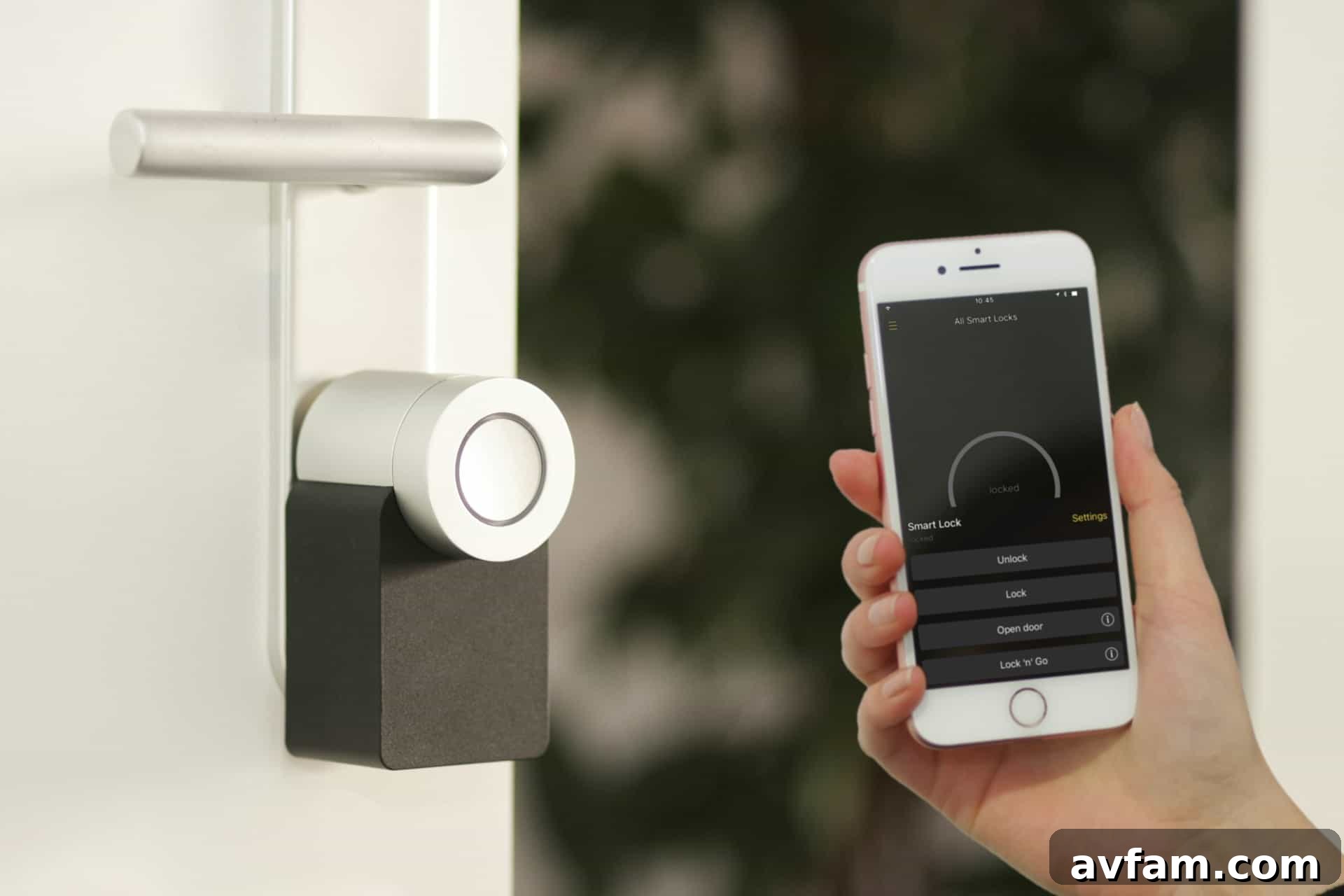
Smart locks represent a significant leap forward in door security and access management. These devices replace traditional locks with electronic versions that can be controlled remotely via smartphone apps, keypads, or even biometric scanners. They offer features like keyless entry, which eliminates the need for physical keys, and the ability to generate temporary access codes for guests, cleaners, or delivery services. Some smart locks can be integrated with your overall smart home system, allowing for automated actions like locking doors when you leave the house or integrating with security cameras for visual verification of who is entering.
Comprehensive Smart Home Integration
The true power of modern DIY home security often lies in its ability to integrate seamlessly with a broader smart home ecosystem. This allows various devices to communicate and work in concert, creating a more responsive and intelligent security network. For example, a motion sensor detecting activity outdoors could not only trigger an alarm but also automatically turn on interior lights to give the impression someone is home, or switch on exterior floodlights. A smart video doorbell can integrate with your smart lock, allowing you to see who’s at the door and unlock it remotely. Voice assistants can also be used to arm or disarm your system, check camera feeds, or control smart lighting. This level of integration enhances both security and convenience, providing a truly intelligent home protection experience.
Sustaining Your DIY Home Security System
A DIY home security system is not a set-it-and-forget-it solution; it necessitates diligent and regular maintenance to guarantee its sustained effectiveness and optimal performance. By consistently conducting routine checks, performing necessary updates, and addressing potential issues promptly, you ensure that your security measures remain fully operational and reliable at all times, providing continuous protection for your home and family.
Routine System Checks and Essential Updates
Make it a habit to regularly inspect all components of your security system, including security cameras, alarm sensors, smart locks, and any other connected devices. Check for any visible signs of wear and tear, such as frayed wiring, physical damage, or corrosion on battery terminals. Test all sensors periodically (e.g., once a month) to confirm they are still functioning correctly and communicating with your main control panel or app. For cameras, ensure lenses are clean and free from obstructions, and periodically check their field of view to ensure no new blind spots have emerged.
It is equally crucial to keep your security system’s software and firmware consistently up to date. Manufacturers frequently release updates that patch newly discovered security vulnerabilities, improve system performance, and introduce new features. Ensure your control panel, cameras, and smart devices are configured for automatic updates where possible, or make a conscious effort to manually check for and install updates provided by the manufacturer. Neglecting these updates can leave your system susceptible to exploitation and reduce its overall effectiveness.
Effectively Troubleshooting Common Security System Issues
Despite meticulous planning and diligent maintenance, security systems may occasionally encounter minor issues. Familiarize yourself with common problems that can arise and develop a methodical approach to troubleshooting them promptly. Quick resolution prevents any lapse in your home’s security.
For instance, false alarms are a frequent concern and can be caused by various factors, such as improperly configured motion sensors (e.g., set too sensitively, picking up pets), low battery levels in wireless sensors, or even environmental factors like strong drafts. When a false alarm occurs, identify the specific sensor that triggered it and investigate the potential cause. Replacing batteries proactively (often recommended annually for wireless sensors) can prevent many false alarms. Connectivity issues, especially with wireless devices, can often be resolved by checking your Wi-Fi network, ensuring adequate signal strength, or rebooting your router and security hub. Always consult your system’s user manual or the manufacturer’s support resources for specific troubleshooting guidance.
Establishing Comprehensive Security Best Practices
Beyond the technical aspects, fostering a culture of security within your household is paramount. Regularly change default passwords on all smart devices and use strong, unique passwords. Educate all family members on how to properly arm and disarm the system, what to do in case of an alarm, and how to use any emergency features. Conduct periodic drills to ensure everyone knows escape routes and meeting points in case of a fire or other emergency. Be wary of social engineering tactics (e.g., individuals posing as service technicians) that could compromise your security. Finally, review your home insurance policy periodically; some insurers offer discounts for homes equipped with security systems, and understanding your coverage is crucial in the event of an incident.
In conclusion, taking a DIY approach to home security is an incredibly empowering and cost-effective way to protect your property and, more importantly, your loved ones, while affording you priceless peace of mind. A comprehensive strategy that encompasses a deep understanding of home security fundamentals, meticulous planning of your system, the strategic implementation of robust physical security measures, the smart utilization of advanced technology, and unwavering commitment to ongoing maintenance are all crucial steps. By diligently integrating these elements, you create an unyielding and secure home environment.
By proactively investing your time and effort in continuously enhancing your home’s security, you not only establish a safer and more tranquil living space but also erect formidable barriers that actively deter potential intruders, thereby ensuring the enduring well-being of your family and the lasting safety of your most cherished valuables. Your home is your sanctuary; safeguard it with purpose and precision.