
Navigating ACL Recovery: Essential Tips for a Smooth Home Healing Journey
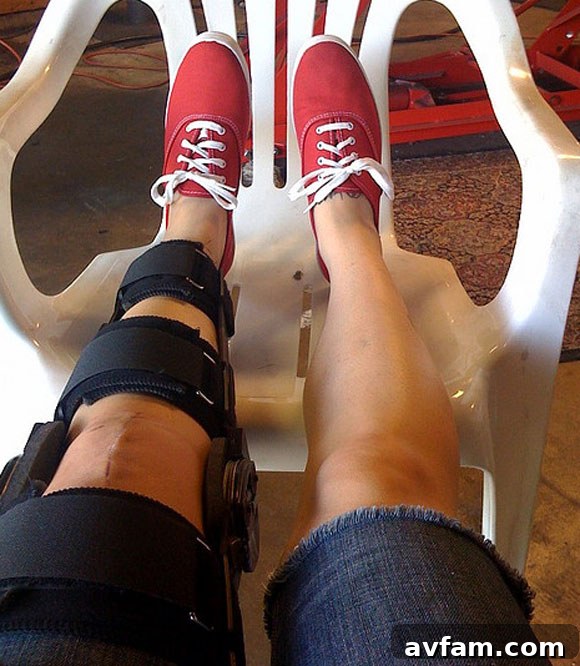
Anterior Cruciate Ligament (ACL) reconstruction surgery marks the beginning of a challenging yet ultimately rewarding recovery journey. Whether you’re an athlete eager to return to your sport or simply hoping to regain full mobility for everyday life, the initial days and weeks at home post-surgery are critical. From managing pain and swelling to navigating your living space with limited mobility, preparing your environment and mindset can significantly impact the ease and success of your rehabilitation. This comprehensive guide, informed by personal experience, offers invaluable insights and practical tips to ensure a smoother transition back home after ACL surgery.
My Dual ACL Recovery Journey: A Tale of Two Experiences
My first encounter with an ACL tear occurred 18 years ago, a consequence of playing football. The injury to my right knee necessitated surgery at the University of Arizona. Fortunately, my recovery environment was as supportive as it could be. Living at my parents’ single-story home meant I had all the medical, physical, and emotional support I needed without the added challenge of stairs. My focus could solely be on healing and attending physical therapy, an experience that, in retrospect, felt relatively straightforward.
Four years ago, fate dealt another blow, this time to my left knee, during a casual pickup lacrosse game in Hawaii. After returning home to New York, initial tests proved inconclusive, prompting my doctor to schedule an exploratory surgery. The plan was to scope the knee and, if necessary, reconstruct the ACL. Waking up to his words, “Your ACL was shredded, so I had to fix it,” brought a wave of déjà vu, but this time, the recovery setting would be vastly different.
New York City, for all its vibrant energy, is far from ideal when recovering from a significant leg injury. Leaving the hospital required a precarious scoot into a taxi, followed by the daunting task of navigating the stoop up to our front door. Beyond that lay a flight of stairs to our apartment – steps I’d never given a second thought to with two healthy legs. As many who’ve faced similar challenges can attest, tackling stairs on crutches is an exercise in frustration and extreme caution. While my wife, Laura, provided incredible care, we were also fortunate to have additional family support that first week. These contrasting experiences profoundly shaped my understanding of what truly facilitates a successful and less stressful home recovery. Here are my observations and essential tips to make your transition easier for everyone involved, especially yourself.
Pre-Surgery Preparation: Laying the Foundation for Recovery
The journey to recovery truly begins before you even step into the operating room. Proactive planning can dramatically reduce stress and enhance your comfort in the days following surgery.
1. Designate a Primary Recovery Zone
Identify the area where you’ll spend most of your time recovering – likely a bedroom or living room. Ensure this space is equipped with everything you might need within easy reach. This includes a comfortable chair or bed, a sturdy side table, a phone charger, remote controls, books or entertainment, and a bell or way to signal for help if needed. Having essentials at arm’s length will minimize unnecessary movement and potential risks.
2. Meal Planning and Food Stock-Up
Cooking will likely be challenging or impossible in the immediate aftermath of surgery. Prepare and freeze a variety of easy-to-reheat meals, or stock your pantry with simple, nutritious, and one-handed snack options. Think protein bars, yogurt, fruit, and pre-cut vegetables. Having plenty of non-perishable staples means fewer trips to the grocery store for your support system, and ensures you have access to nourishing food that aids in healing.
3. Essential Supplies Gathering
Before surgery, procure all necessary recovery supplies. This typically includes pain medication (ensure prescriptions are filled), anti-inflammatory drugs, bandages, gauze, medical tape, an ice pack or cryotherapy unit (if recommended by your surgeon), a waterproof cast/wound protector for showering, and loose-fitting clothing that is easy to put on and take off without bending your knee excessively.
4. Communicate and Delegate
Discuss your post-surgery needs with family and friends who have offered to help. Assign specific tasks, such as grocery shopping, meal preparation, pet care, or driving to physical therapy appointments. Clearly defining roles will prevent misunderstandings and ensure all your needs are met efficiently, allowing you to focus purely on recovery.
Essential Home Recovery Tips: Navigating Your Environment
Once you’re back home, adapting your living space becomes paramount to ensuring safety, comfort, and effective rehabilitation. These practical tips can make a world of difference.
1. Embrace and Accept Support Without Guilt
For many of us, especially those accustomed to independence, asking for help can feel incredibly difficult. Yet, recovering from a major surgery like an ACL reconstruction is not the time to be a lone wolf. Your body is undergoing significant trauma, and your mobility will be severely limited. Friends, family, and even neighbors often genuinely want to assist, and accepting their offers can significantly ease your burden. This isn’t about exploiting a situation; it’s about acknowledging a temporary vulnerability and allowing others to show their care. Whether it’s picking up groceries, preparing meals, driving you to physical therapy, or simply providing company and distraction, every bit of support can make a profound difference. Clearly communicate your needs, and don’t feel guilty about relying on your support network during this crucial healing period. Remember, when you’re comfortable and less stressed, your body can focus more effectively on recovery.
2. Declutter Your Pathways: Clear the Room for Safe Mobility
Navigating your home on crutches or with a walker drastically alters your spatial requirements. It’s astonishing how many everyday items can become dangerous obstacles when your mobility is compromised. Before your surgery, walk through your home, particularly the routes you’ll frequently use (to the bathroom, kitchen, and your recovery zone), and remove any unnecessary clutter. This includes loose electrical cords, small throw rugs (more on this later), decorative items on the floor, boxes, and small pieces of furniture. Remember, you take up a wider footprint with crutches, and your balance will not be optimal. A clear, unobstructed path is crucial to prevent trips and falls, which could lead to re-injury or further complications.
3. Beware of Slippery Hazards: Watch Out for Rugs
While often aesthetically pleasing, area rugs and runners pose a significant fall risk during crutch-assisted mobility. The single, concentrated point of a crutch tip can easily snag, bunch, or cause a rug to slide, leading to a sudden loss of balance. A fall in the early stages of ACL recovery can be devastating, potentially re-injuring the newly repaired ligament or causing other injuries. It is strongly advisable to temporarily remove all loose rugs from your home, especially in high-traffic areas. If you have wall-to-wall carpeting, ensure it is firmly secured and not bunched anywhere. Prioritize safety over decor during this critical healing phase; a bare floor, though less cozy, is a much safer option.
4. Keep Essentials Handy: Easy Access to Medications and Supplies
Pain management is a cornerstone of comfortable ACL recovery, and consistent medication intake is vital. Ensure all your prescribed pain relievers, anti-inflammatory drugs, and any other necessary medications are stored within easy reach of your primary recovery spot. This means on a bedside table, a sturdy nightstand, or a small trolley next to your couch. Keep a bottle of water nearby, as most medications are best taken with liquid, and staying hydrated is crucial for overall healing. Similarly, have your ice packs, wraps, brace (if prescribed), and any wound care supplies readily accessible. You do not want to be fumbling, reaching, or struggling to locate these important items, especially when you’re in pain or feeling groggy.
5. Fuel Your Recovery: Stock Up on Food and Liquids
Proper nutrition and hydration play a pivotal role in the healing process. Stock your refrigerator and pantry with a variety of nutrient-rich foods that are easy to prepare and consume, ideally with one hand if necessary. High-protein foods, fresh fruits, vegetables, and whole grains will provide the necessary building blocks for tissue repair. Don’t forget your comfort foods, too; a little indulgence can boost morale. Critically, ensure you have an abundance of liquids. Water is paramount for staying hydrated, aiding digestion, and helping your body’s cellular functions. Keep water bottles, sports drinks with electrolytes, and juices within arm’s reach of your recovery station. Dehydration can lead to fatigue, dizziness, and hinder your recovery progress.
Beyond the Basics: Further Considerations for a Comfortable Recovery
6. Master Personal Hygiene with Care
Showering can be a daunting task with limited mobility. Consider investing in a shower chair or bench to allow you to sit safely while washing. A long-handled brush can help you reach areas without excessive bending. Install temporary grab bars in the shower if possible, and always use a non-slip mat. A waterproof cast protector is essential to keep your incision dry and prevent infection. Alternatively, sponge baths might be the safest option for the first few days.
7. Dress for Success: Comfort and Ease
Choose loose-fitting, comfortable clothing that is easy to put on and take off. Pants with wide legs or shorts are ideal, as they can be pulled over your brace and swollen knee without difficulty. Avoid tight clothing or anything with complicated fasteners. Simple t-shirts and oversized sweatshirts will be your best friends during this period, prioritizing comfort and ease over fashion.
8. Prioritize Mental Well-being
ACL recovery is not just a physical challenge; it can take a significant toll on your mental health. Boredom, frustration, pain, and the feeling of dependency can lead to feelings of isolation or depression. Combat this by scheduling regular video calls with friends, engaging in hobbies that don’t require mobility (reading, puzzles, gaming), or watching movies. Celebrate small victories in your physical therapy. If you find yourself struggling significantly, don’t hesitate to reach out to a mental health professional or your doctor for support.
9. Adherence to Physical Therapy (PT)
Your physical therapist is your guide on this recovery journey. Adhering strictly to their prescribed exercises and attending all scheduled sessions is non-negotiable for optimal outcomes. These exercises are meticulously designed to restore range of motion, strength, and stability. While some days will be challenging, consistency is key. Communicate any pain or concerns openly with your therapist, but commit fully to the rehabilitation process.
10. Managing Transportation
Getting to physical therapy appointments or follow-up doctor visits will require careful planning. If you cannot drive, arrange for rides in advance. When entering or exiting a car, approach the vehicle with your back to the seat, sit down, and then swing both legs into the car as a unit. This minimizes twisting and strain on your knee. Ensure your passenger seat allows enough room for your extended leg, especially if you’re in a full leg brace.
11. Optimize Your Sleep Environment
Finding a comfortable sleeping position can be tricky after knee surgery. Experiment with pillows to elevate and support your leg, helping to reduce swelling and discomfort. Ensure your recovery zone is dark, quiet, and cool for optimal sleep, which is vital for healing. If pain is disrupting your sleep, discuss this with your doctor.
12. Hydration Beyond Water: The Power of Electrolytes
While water is crucial, incorporating electrolyte-rich beverages can also be beneficial, especially if you’re experiencing fluid loss or are on medications that can cause dehydration. Sports drinks (sugar-free options preferred), coconut water, or even bone broth can replenish vital minerals and contribute to your overall well-being, further supporting the healing process.
Your Path to Full Recovery
Recovering from ACL surgery is a marathon, not a sprint. It requires patience, discipline, and a well-prepared environment. By taking proactive steps before surgery and implementing these tips during your home recovery, you can significantly enhance your comfort, safety, and the effectiveness of your rehabilitation. Remember, every individual’s recovery timeline is unique, so listen to your body, follow your medical team’s advice, and celebrate each milestone along the way. Your dedication now will pave the way for a stronger, more stable knee in the future.
What other tips do you have for making your home as comfy after returning home from surgery? Share your insights!
note: above photo is not my knee.