
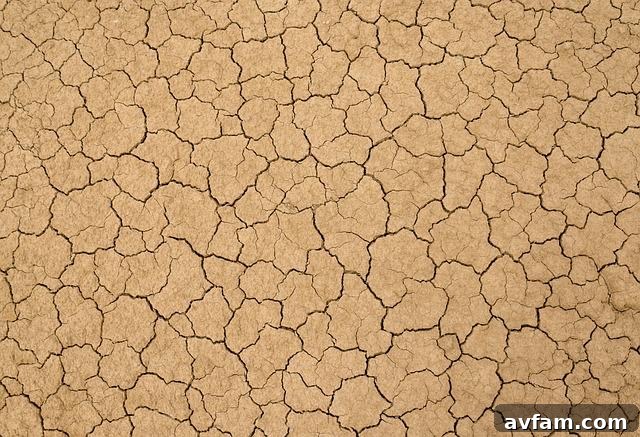
Core aeration versus liquid aeration is the first distinction homeowners should understand when caring for lawns built on clay soil. Both methods can improve soil health, but they work in very different ways. If you live in North Texas, where heavy clay soils are common, choosing the right aeration method will make a major difference in drainage, root development, and overall turf health.
If you need professional lawn aeration services in North Dallas, contact local providers for experienced, timely treatments tailored to clay soil conditions.
What Is Core Aeration and How It Works
Core aeration is a mechanical process that relieves soil compaction by removing small plugs or cores of soil from the turf. By physically extracting compacted soil, core aeration creates space for air, water, and nutrients to reach grassroots more effectively.
How it works
A powered aerator pulls out cylindrical cores, typically up to three inches deep, across the lawn. These holes allow oxygen and moisture to penetrate deeper into the root zone and improve root development. The removed soil plugs remain on the surface briefly and gradually break down, returning nutrients to the turf.
Key benefits
Core aeration provides immediate relief from compaction, improves drainage, promotes thicker root systems, and increases the effectiveness of fertilizers and soil amendments.
What Is Liquid Aeration and How It Works
Liquid aeration relies on applied solutions—often formulated with surfactants or organic compounds—to alter the structure of compacted soil. Instead of removing soil, the product helps create pathways and reduces surface tension so air and water can move more freely through the soil profile.
How it works
A liquid solution is sprayed over the lawn and works gradually to reorganize soil particles, forming microscopic channels that improve water infiltration and root access to oxygen. Results are progressive rather than immediate, and multiple applications may be needed to notice significant change.
Key benefits
Liquid aeration is easy to apply, causes minimal disruption to the turf surface, and leaves no visible holes. It’s convenient for homeowners seeking low-impact maintenance or those who cannot tolerate the appearance of core plugs on the lawn.
Core Aeration vs. Liquid Aeration: Direct Comparison for Clay Soil
Choosing between core and liquid aeration depends on the severity of compaction, budget, and desired speed of results. Below are the primary differences to consider for clay soils.
Speed
Core aeration delivers noticeable improvements almost immediately by creating physical holes. Liquid aeration works more slowly; improvements may appear over several weeks as the soil structure changes.
Effectiveness
For heavily compacted clay, core aeration is generally more effective because it removes dense soil and opens direct pathways to the root zone. Liquid aeration can be effective on mildly compacted turf or as a maintenance treatment but usually cannot match the immediate impact of core aeration in severe cases.
Popularity
Both methods are popular and useful in different contexts. Homeowners facing serious compaction should opt for core aeration, while liquid aeration suits routine maintenance or situations where minimal surface disruption is preferred.
What Actually Works Best for North Dallas Clay Soil
North Dallas clay poses specific challenges: hot, dry spells and dense, compacted layers that limit water infiltration and root growth. Given these conditions, core aeration is typically the better option for restoring lawn health quickly and effectively.
Winner: core aeration
Core aeration breaks up dense clay layers immediately, improving oxygen flow, drainage, and nutrient delivery to roots. For many Texas lawns, it’s the most reliable method to relieve compaction and promote long-term resilience.
Alternative: liquid aeration
Liquid aeration is useful as a supplementary treatment for lighter compaction or to enhance water penetration between core aeration appointments. It is not a full substitute when severe compaction or hardpan layers are present.
Best Timing and Frequency for Aeration in North Dallas
Timing and frequency influence results. Aim to aerate at least once a year; heavily compacted lawns may benefit from aeration twice annually. The best windows for aeration are spring and early fall:
- Spring — Prepares turf for the upcoming hot season by improving root access to nutrients and moisture.
- Early fall — Supports recovery after summer stress and helps fertilizers reach the root zone as cooler growing conditions return.
Signs Your Lawn Needs Aeration in North Dallas
Watch for these indicators that aeration is needed. When problems are pronounced, professional aeration services often deliver better results than DIY attempts.
Serious drainage problems
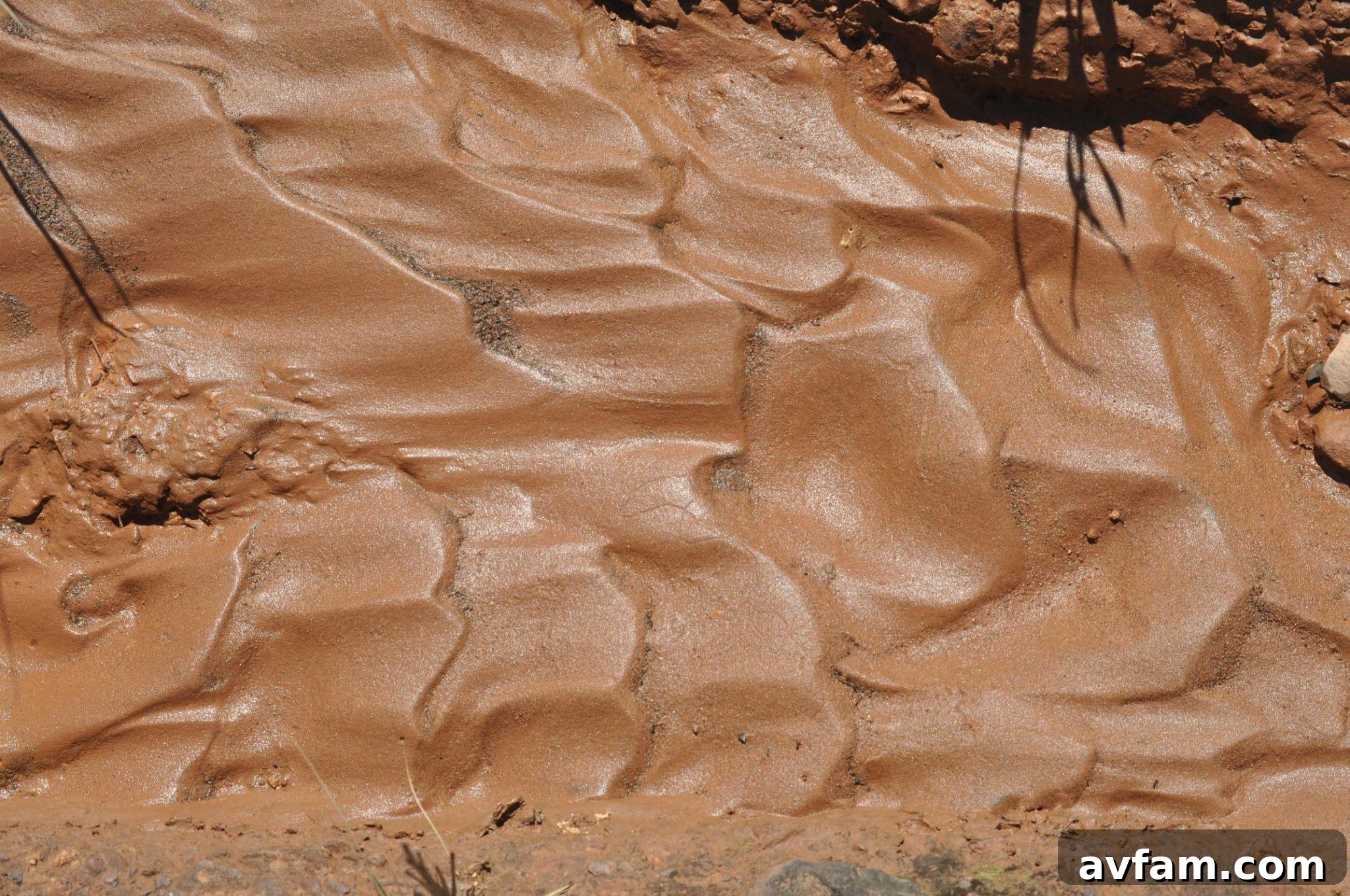
Puddling or standing water after rain that doesn’t drain into the soil signals poor infiltration and compaction.
Yellowing grass
Patchy yellow turf can indicate restricted root development and nutrient uptake; a professional assessment helps identify underlying causes and solutions.
Heavy foot traffic
Areas with constant traffic often compact more rapidly. Restricting use temporarily and aerating can speed recovery.
In conclusion
For North Dallas clay soils, core aeration is generally the most effective way to relieve compaction and restore a healthy lawn. Liquid aeration offers a low-impact alternative for light maintenance or supplementary care, but it should not replace core aeration when compaction is severe. If you’re unsure which approach fits your yard, consult a local lawn care professional for an assessment and tailored recommendation.