
Most homeowners expect construction projects to face delays from weather, material shortages, or scheduling conflicts. One often-overlooked cause of delay is the payment process. Renovations and new builds rely on a steady flow of payments among homeowners, contractors, subcontractors, and suppliers. When that flow slows, the whole project can suffer setbacks.
Recognizing where payment bottlenecks occur helps homeowners ask better questions, set realistic expectations, and reduce avoidable delays. While homeowners typically pay only their contractor according to the contract, understanding the payment chain offers useful insight into how construction stays on track and how problems can be prevented.

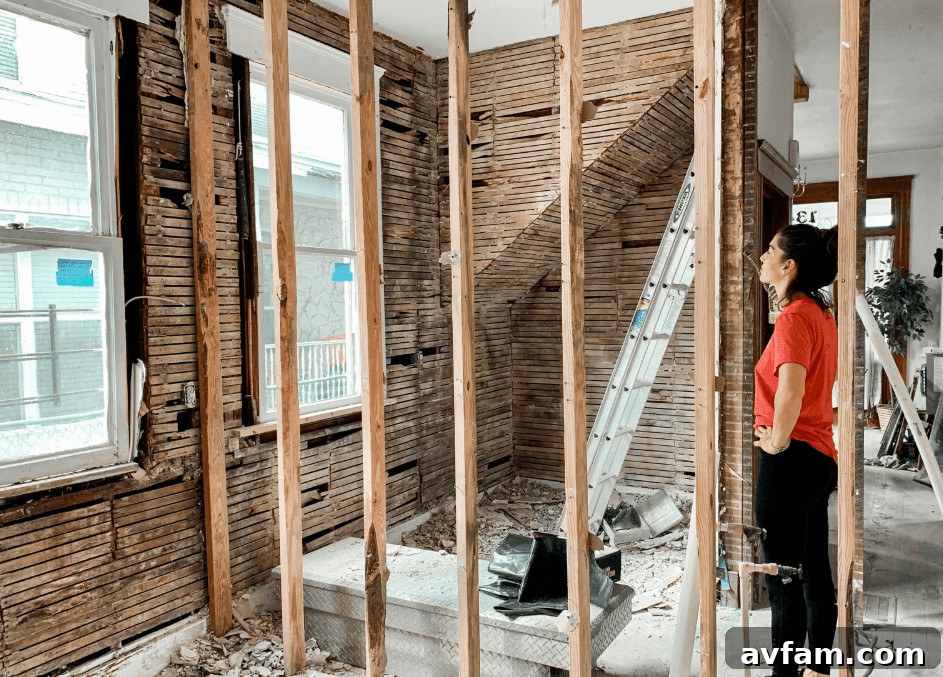
(photo credit: Microsoft Stock Images)
Step 1: The Contract Sets the Foundation
Payment timelines are established before work begins. Most construction contracts specify when payments are due, how progress will be measured, and what milestones trigger each disbursement. Typical schedules include an initial deposit, progress payments tied to completed phases, and a final payment after inspection or substantial completion.
Carefully reading the contract is essential. Homeowners should know exactly what each payment covers, whether materials are included, and what documentation will be provided before funds are released. A clear agreement reduces misunderstandings and provides a reference for resolving disputes later on.
Step 2: Materials Must Be Purchased Early
Contractors often order materials weeks before they are needed. Items like cabinets, flooring, windows, roofing products, and specialty fixtures can have long lead times, so early purchasing is critical. If payments are delayed, contractors might postpone ordering until funds are available, and even short delays at this stage can ripple through the schedule.
Homeowners can help keep projects moving by making scheduled payments on time and responding quickly when product selections or approvals are requested. Timely communication also gives contractors a chance to alert homeowners to price changes or availability problems before they escalate into larger delays.
Step 3: Subcontractors Depend on Timely Payments
Most residential projects involve multiple trades: electricians, plumbers, painters, drywall crews, flooring installers, and HVAC technicians, among others. These trades work in sequence or in carefully coordinated parallel schedules. Payments often follow completed inspections or approvals, and any hold-up in the payment chain can complicate scheduling for the next trade.
Delays do not always stop work instantly, but they can create gaps that are difficult to recover from. Experienced contractors coordinate these moving parts, but reliable payment timelines make that coordination far easier and more predictable for everyone involved.
Step 4: Inspections and Change Orders Can Slow Progress
Projects rarely go exactly as planned. Hidden issues such as water damage, outdated wiring, or structural repairs, along with homeowner-requested changes, frequently require additional work. These situations typically generate change orders that alter the project scope and the payment schedule.
Approving change orders promptly helps prevent uncertainty and keeps the project moving. Delaying decisions by days or weeks can stall inspections, material orders, and subsequent trades. Municipal inspections can also affect payment timing; some contracts link progress payments to inspection approvals, so the next phase may not begin until the permit or inspection requirement is satisfied.
Step 5: Final Payments Close the Project
Near the end of a project, contractors usually complete punch-list items, tidy the site, and correct any outstanding issues before requesting final payment. Homeowners should perform a thorough walkthrough before releasing the final funds. Confirm that contracted work has been finished, that permits have been closed where required, and that operating instructions and warranty information have been handed over.
Communication Prevents Many Payment Delays
Many payment problems start as communication issues rather than pure financial constraints. Questions about invoices, confusion over project milestones, or uncertainty about the quality or completion of work can often be resolved through regular, clear conversations.
Short weekly progress meetings allow homeowners and contractors to review completed work, discuss upcoming phases, confirm payment expectations, and address concerns before they grow. Keeping written records of approvals, change orders, and payment confirmations helps everyone stay organized and provides a paper trail if questions arise.
Financial Organization Benefits Everyone
Construction involves more than labor: material suppliers, equipment rentals, permit fees, waste removal, and subcontractor invoices all contribute to the budget. Professional contractors typically have accounting processes that manage these responsibilities, helping to prevent cash-flow problems that can stall a job.
While serious disputes in larger commercial projects can lead to formal collection actions, most residential situations are avoided through clear contracts, adherence to agreed payment schedules, and open communication throughout the project.
How Homeowners Can Keep Projects Moving
Homeowners play a significant role in preventing payment bottlenecks. Before work begins, review the payment schedule and ask for clarification on anything unclear. Knowing when payments are expected makes budgeting easier and reduces surprises.
Keep decisions moving by promptly selecting finishes, approving change orders, and responding to contractor questions. Delays in decision-making can slow progress as much as delayed payments.
Maintain organized records during the project: save contracts, invoices, receipts, permits, inspection reports, and written communications in one place. Easy access to these documents makes resolving questions faster and smoother.
Finally, treat construction as a partnership. Regular communication, realistic expectations, and prompt responses create an environment where contractors can focus on delivering quality work instead of resolving avoidable administrative issues.
A smooth payment process keeps suppliers, subcontractors, inspections, and scheduling aligned. Before your next project begins, review the payment schedule with your contractor so everyone shares the same expectations. Infographic: