
The Ultimate Guide to Regular Vehicle Maintenance: Safeguarding Your Investment and Enhancing Performance
Your vehicle is more than just a mode of transport; it’s a significant investment, a tool for daily life, and a key to personal freedom. To protect this investment, ensure your safety, and maximize its lifespan, regular vehicle maintenance is absolutely crucial. Proactive care and timely attention to minor issues can prevent costly repairs, improve fuel efficiency, and keep your car running like new for years to come. Neglecting maintenance can lead to unexpected breakdowns, compromise safety, and significantly reduce your vehicle’s value.
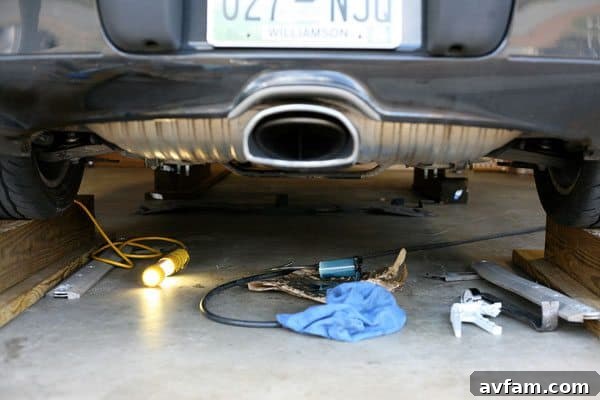
This comprehensive guide will delve into the profound importance of vehicle maintenance, detailing essential DIY tasks you can perform, explaining when professional intervention is indispensable, and offering seasonal tips to keep your car in peak condition year-round. By understanding and implementing these maintenance practices, you’ll not only enhance your vehicle’s performance and longevity but also enjoy a safer, more reliable, and more economical driving experience.
Understanding the Paramount Importance of Regular Vehicle Maintenance
Many drivers view car maintenance as an inconvenient expense, but it’s fundamentally an investment that yields substantial returns in safety, reliability, and financial savings. A well-maintained vehicle is a dependable vehicle, less prone to sudden failures and better equipped to handle the rigors of daily use. Let’s explore the multifaceted benefits that underscore the critical role of consistent vehicle care.
The Indispensable Role of Maintenance in Vehicle Longevity
Just like a human body needs regular check-ups and proper nutrition to thrive, your vehicle requires ongoing attention to extend its operational life. Every component, from the engine to the smallest sensor, is subject to wear and tear. Regular maintenance, such as timely oil changes, filter replacements, and fluid checks, acts as a protective shield, mitigating friction, heat, and corrosion that can prematurely age your engine and other critical systems. These routine tasks ensure that internal components operate within their optimal parameters, preventing excessive stress and degradation. For instance, fresh engine oil lubricates moving parts, reduces heat, and cleans by carrying away contaminants. Neglecting this simple step can lead to sludge buildup, increased friction, and eventually, catastrophic engine failure, dramatically shortening your car’s lifespan. Similarly, maintaining belts, hoses, and spark plugs prevents minor issues from escalating into major problems that could sideline your vehicle indefinitely and result in exorbitant repair bills.
Consider your car as a complex ecosystem where every part works in delicate harmony. When one element is compromised, it can have a cascading effect, impacting the efficiency and health of the entire system. By meticulously tending to each component, you’re not just fixing problems; you’re actively preserving the integrity of the entire machine, allowing it to perform reliably for hundreds of thousands of miles. This proactive approach transforms your vehicle from a depreciating asset into a long-term companion, delivering consistent performance and reliability over many years.
How Regular Maintenance Elevates Vehicle Performance and Efficiency
A car that receives consistent maintenance isn’t just reliable; it’s a joy to drive. Optimal performance is a direct byproduct of well-maintained systems. Regular tune-ups, which include inspecting spark plugs, fuel filters, and ignition systems, ensure that your engine fires efficiently, delivering maximum power with minimal fuel consumption. When these components are dirty or worn, the engine struggles, leading to noticeable reductions in acceleration, responsiveness, and overall power. The result is a sluggish ride and, more importantly, a significant drain on your wallet at the fuel pump.
Beyond engine performance, well-maintained tires are fundamental for superior handling, traction, and braking efficiency. Correct tire pressure and regular rotations ensure even wear, maximizing grip and responsiveness on various road surfaces, which is critical for safety. Furthermore, properly aligned wheels reduce steering effort and prevent uneven tire wear, contributing to a smoother ride and better fuel economy. Think of maintenance as tuning an instrument; a finely tuned car responds precisely to your commands, handles corners with confidence, and cruises effortlessly, making every journey more enjoyable and less fatiguing. It’s the secret sauce that transforms an ordinary drive into an exceptional one, delivering a consistently smooth, powerful, and efficient experience.
Proactive Measures Against Unexpected Breakdowns and Enhancing Safety
One of the most anxiety-inducing scenarios for any driver is an unexpected breakdown, leaving you stranded on the side of the road, potentially in an unsafe location or during inclement weather. Regular vehicle maintenance serves as your primary defense against such stressful and dangerous situations. By adhering to a comprehensive maintenance schedule, technicians (or you, for simpler tasks) can identify potential issues long before they escalate into critical failures.
For example, checking your battery’s charge and terminals can prevent a dead battery on a cold morning. Inspecting brake pads and fluid ensures your stopping power is always reliable, a paramount safety feature. Maintaining your cooling system, including radiator fluid and hoses, prevents overheating, especially in heavy traffic or hot climates, which can lead to severe engine damage. These preventive checks provide peace of mind, allowing you to embark on journeys knowing your vehicle is in optimal condition and unlikely to surprise you with a sudden malfunction. It’s about taking control of your vehicle’s reliability, ensuring that every drive is not just efficient but, most importantly, safe for you and your passengers. Prevention is not just better than cure; in the context of vehicle safety, it can be life-saving.
Basic Maintenance Tasks You Can Confidently Do Yourself
While some specialized tasks require the expertise and tools of a professional mechanic, many fundamental maintenance checks are surprisingly simple and can be performed by any car owner with minimal effort and cost. Embracing these DIY tasks not only saves you money on labor but also fosters a deeper understanding of your vehicle, empowering you to better monitor its health and address minor issues before they become expensive problems. Developing a habit of regular self-inspection can significantly contribute to your car’s overall longevity and reliability.
Checking and Changing Your Engine Oil: The Lifeblood of Your Car
Engine oil is arguably the most vital fluid in your vehicle. It performs several critical functions: lubricating moving parts to reduce friction, dissipating heat generated by combustion, and cleaning the engine by carrying away dirt and metallic particles. Over time, engine oil breaks down, losing its viscosity and ability to protect your engine effectively. This is why regular oil changes are non-negotiable for engine health.
How to Check Your Oil:
1. Park your car on a level surface and ensure the engine is off and cool (or warm, as per your owner’s manual).
2. Locate the dipstick, usually marked with a bright handle.
3. Pull out the dipstick, wipe it clean, and reinsert it fully.
4. Pull it out again and check the oil level against the “full” and “add” marks.
5. Observe the oil’s color and consistency. Clean oil is amber; dark, sludgy oil indicates it’s time for a change.
When to Change Your Oil: Your vehicle’s owner’s manual provides the most accurate interval, typically every 5,000 to 7,500 miles or every 6 months, though some modern vehicles with synthetic oil can go longer. Regular oil and oil filter changes are critical for preventing premature engine wear and maintaining optimal performance and fuel efficiency.
Changing Your Engine Air Filter: Breathing Easy
Your engine needs a constant supply of clean air for combustion. The air filter acts as your engine’s lungs, preventing dust, dirt, pollen, and other debris from entering the engine and causing damage. A clogged air filter restricts airflow, forcing your engine to work harder, which can lead to reduced fuel efficiency, decreased horsepower, and increased emissions.
When to Change Your Air Filter: Typically, air filters should be replaced every 15,000 to 30,000 miles, but this can vary based on your driving environment (e.g., dusty roads require more frequent changes). Checking it regularly is simple: just open the air filter housing (consult your manual) and inspect the filter element. If it appears dirty, grey, or clogged with debris, it’s time for a replacement.
If you have an aftermarket performance air filter like a K&N filter, you might save money on disposable filters as many are washable and reusable. However, these still require periodic cleaning and re-oiling, and you must ensure they are properly seated and free of blockages to maintain their efficiency and protect your engine.
Maintaining Proper Tire Pressure: Safety and Efficiency on the Road
Your tires are the only contact points between your vehicle and the road, making their condition paramount for safety, handling, and fuel efficiency. Proper tire pressure is crucial for several reasons:
- Safety: Incorrectly inflated tires can lead to uneven wear, reduced traction, poor braking performance, and a higher risk of a blowout, especially at high speeds.
- Fuel Efficiency: Under-inflated tires increase rolling resistance, forcing your engine to use more fuel. Correct pressure can save you significant money on gas over time.
- Tire Longevity: Properly inflated tires wear evenly, extending their lifespan and delaying the need for costly replacements.
- Handling: Correct pressure ensures optimal contact with the road, improving steering responsiveness and overall vehicle stability.
How to Check Tire Pressure:
1. Locate the recommended tire pressure for your vehicle (usually on a sticker inside the driver’s door jamb or in the owner’s manual). Do not use the maximum pressure listed on the tire itself.
2. Check tire pressure when tires are cold (before driving or after being parked for a few hours) using a reliable tire pressure gauge.
3. Add or release air as needed to match the recommended PSI. Don’t forget the spare tire!
Make it a habit to check your tire pressure at least once a month and before any long road trips. This simple act can make a significant difference in your driving experience and safety.
Replacing Windshield Wipers: Clear Visibility for Safe Driving
Clear visibility is non-negotiable for safe driving, especially during adverse weather conditions like rain, snow, or fog. Worn-out or damaged windshield wipers can drastically reduce your ability to see the road, creating dangerous blind spots and obscuring obstacles. Over time, wiper blades can degrade due to exposure to UV light, extreme temperatures, and debris, leading to streaking, chattering, or ineffective clearing of the windshield.
When to Replace Wipers: It’s generally recommended to replace your windshield wipers at least once a year, or immediately if you notice any signs of wear, such as:
- Streaking or smearing across the windshield.
- Chattering or skipping across the glass.
- Rubber blades that appear cracked, torn, or hardened.
- Inability to clear rain or snow effectively.
Replacing wipers is a straightforward DIY task that takes only a few minutes and significantly enhances your safety. Always use wipers appropriate for your vehicle’s make and model, and consider premium or beam-style wipers for better performance and durability.
Checking Other Essential Fluid Levels
Beyond engine oil, several other fluids are vital for your vehicle’s operation and longevity. Regularly checking these levels can prevent critical system failures and ensure smooth performance:
- Coolant/Antifreeze: Keeps your engine from overheating in summer and freezing in winter. Check the reservoir level and ensure it’s between the “min” and “max” marks when the engine is cool.
- Brake Fluid: Essential for your braking system. Low fluid can indicate worn brake pads or a leak. Never let this level drop significantly.
- Power Steering Fluid: If your vehicle has hydraulic power steering, this fluid makes turning easier. Low levels can lead to stiff steering and pump damage.
- Transmission Fluid: Lubricates and cools your transmission. Checking it can be tricky for some modern sealed transmissions, but for dipstick versions, consult your manual for the correct procedure (often checked with the engine warm and running in neutral/park).
- Windshield Washer Fluid: While not critical for mechanical operation, keeping this topped up ensures clear visibility when you need it most.
Familiarize yourself with your vehicle’s fluid reservoirs and make checking them a part of your routine. Always use the specific type of fluid recommended by your manufacturer.
When to Seek Professional Help for Vehicle Maintenance and Repairs
While DIY maintenance empowers you to handle many basic tasks, certain inspections, diagnostics, and repairs demand specialized tools, advanced knowledge, and professional expertise. Attempting complex repairs without the proper training or equipment can lead to further damage, compromise your vehicle’s safety, and void warranties. Recognizing the warning signs that necessitate professional intervention is crucial for preventing minor issues from escalating into major, costly problems. A qualified mechanic can accurately diagnose issues, perform intricate repairs, and ensure your vehicle adheres to safety and performance standards.
Understanding the Signs of Engine Trouble
The engine is the heart of your vehicle, and any anomaly should be taken seriously. If you encounter any of these warning signs, it’s imperative to seek professional diagnosis immediately:
- Check Engine Light: This universal warning light signals a problem in your engine’s control system, ranging from a loose gas cap to a serious engine malfunction. Never ignore it.
- Unusual Noises: Knocking, ticking, grinding, or hissing sounds from the engine bay are indicators of internal issues that require immediate attention.
- Excessive Smoke: Smoke from the exhaust that is blue (burning oil), white (burning coolant), or black (rich fuel mixture) signifies significant engine problems.
- Decrease in Performance: Noticeable loss of power, poor acceleration, rough idling, or stalling are all signs that your engine isn’t running optimally.
- Fluid Leaks: Puddles under your car, especially if they are not clear water, can indicate leaks of oil, coolant, or other vital fluids that can lead to engine damage.
Ignoring these symptoms can lead to severe engine damage, requiring expensive rebuilds or complete engine replacement. A professional mechanic can use diagnostic tools to pinpoint the exact issue and recommend the appropriate repair.
Brake Maintenance: Your Ultimate Safety System
Your vehicle’s braking system is its most critical safety feature. Any compromise in its performance puts you and others at extreme risk. Warning signs of brake issues should never be delayed:
- Squealing or Grinding Noises: Squealing often indicates worn brake pads, while grinding can mean metal-on-metal contact, signifying severely worn pads and potential rotor damage.
- Reduced Stopping Power: If your car takes longer to stop or requires more pedal pressure, your brakes are failing.
- Vibrating or Pulsating Brake Pedal: This usually points to warped brake rotors.
- Soft or Spongy Brake Pedal: Could indicate air in the brake lines, low brake fluid, or a leak.
- Pulling to One Side When Braking: This can be a sign of uneven brake wear, a seized caliper, or an issue with the brake line.
Brake systems are complex, involving hydraulics, mechanical components, and sometimes electronic systems (ABS). Professional inspection and service are essential to ensure your brakes are in perfect working order, guaranteeing your ability to stop safely and effectively.
Dealing with Transmission Issues: The Complexity of Gear Shifting
The transmission is responsible for transferring power from the engine to the wheels, allowing your vehicle to change gears and move efficiently. Transmission problems are often complex and can lead to extremely costly repairs if neglected. If you experience any of these symptoms, consult a professional immediately:
- Slipping Gears: The engine revs, but the car doesn’t accelerate as it should, or the transmission slips out of gear while driving.
- Delayed Shifting: There’s a noticeable lag or hesitation when shifting into drive or reverse, or between gears while driving.
- Harsh or Jerky Shifts: Gears engage with a noticeable jolt or thud.
- Unusual Noises: Whining, clunking, or humming sounds coming from the transmission area.
- Transmission Fluid Leaks: Red or brown fluid puddles under your car.
- Burning Smell: A burnt smell, often described as burnt toast, can indicate overheated transmission fluid.
Transmission issues are rarely minor. Prompt professional diagnosis and repair are crucial to prevent further damage and avoid the much higher cost of a complete transmission overhaul or replacement.
Seasonal Vehicle Maintenance Tips: Preparing for Changing Conditions
Just as you adjust your wardrobe for different seasons, your vehicle also benefits from specific maintenance tailored to varying weather conditions. Seasonal checks help your car adapt to temperature extremes, ensuring optimal performance, safety, and reliability throughout the year. Being proactive with seasonal maintenance can prevent common problems that arise with drastic weather changes.
Preparing Your Vehicle for Winter: Conquering the Cold
Winter brings unique challenges, from freezing temperatures to icy roads, making thorough vehicle preparation essential for safe and reliable driving. Ignoring winter specific maintenance can lead to breakdowns, reduced visibility, and compromised traction.
- Battery Check: Cold weather significantly reduces battery power. Have your battery tested by a professional to ensure it can withstand the drop in temperature. Clean corroded terminals to maintain good electrical contact.
- Antifreeze/Coolant: Ensure your coolant system has the correct mixture of antifreeze and water (typically 50/50) to prevent freezing and overheating. Check the level and condition of hoses and the radiator.
- Tires: Consider installing winter tires if you live in an area with heavy snow and ice. These tires offer superior grip in cold temperatures. Regardless, check your tire pressure more frequently, as it drops with falling temperatures.
- Wipers and Washer Fluid: Replace worn wipers for clear visibility. Use winter-specific washer fluid that resists freezing.
- Lights: Ensure all headlights, taillights, brake lights, and turn signals are clean and fully operational for maximum visibility in shorter daylight hours and adverse weather.
- Emergency Kit: Pack an emergency kit including blankets, a flashlight, jumper cables, a first-aid kit, a shovel, and sand/cat litter for traction.
Summer Maintenance Checklist: Beating the Heat
Summer heat can be just as demanding on your vehicle as winter cold, potentially leading to overheating and component strain. A little summer prep can prevent breakdowns during your road trips and daily commutes.
- Cooling System Inspection: The cooling system works overtime in summer. Have your radiator, hoses, and water pump inspected. Ensure coolant levels are correct and flush the system if needed, according to your manual.
- Air Conditioning Check: Verify your A/C system is blowing cold air effectively. If not, it might need a refrigerant recharge or a professional inspection for leaks or component failures.
- Tires: Hot pavement can increase tire pressure, so check it regularly and ensure it’s at the recommended PSI when the tires are cold. Inspect for any bulges, cracks, or excessive wear.
- Belts and Hoses: High temperatures can accelerate the degradation of rubber components. Inspect all belts for cracks and fraying and all hoses for swelling or leaks.
- Oil and Fluids: Ensure all fluid levels (engine oil, transmission fluid, brake fluid, power steering fluid) are at appropriate levels and that fluids are clean. Higher temperatures can strain fluids more.
- Battery: Heat can be a silent killer of batteries, accelerating internal corrosion. Have your battery tested to ensure it’s robust enough to handle the summer heat, especially if it’s over three years old.
- Exterior Protection: Regularly wash and wax your vehicle to protect the paint from damaging UV rays and prevent fading and clear coat damage.
By diligently following these seasonal maintenance tips, you ensure your vehicle is always ready to tackle whatever Mother Nature throws its way, providing you with consistent performance and peace of mind.
Embracing Proactive Vehicle Care for a Stress-Free Driving Future
Ultimately, regular vehicle maintenance is far more than a chore; it’s a fundamental aspect of responsible car ownership that profoundly impacts your safety, financial well-being, and overall driving experience. From the simplest DIY checks like monitoring tire pressure and oil levels to understanding when to consult certified professionals for complex engine or transmission issues, a proactive approach to vehicle care yields immeasurable benefits. It extends your car’s lifespan, enhances its performance, optimizes fuel efficiency, and, most importantly, significantly reduces the risk of unexpected breakdowns and dangerous situations on the road.
By integrating a consistent maintenance schedule into your routine and understanding the seasonal demands placed on your vehicle, you transform potential liabilities into reliable assets. Remember, your vehicle is a complex machine designed to transport you safely and efficiently. Giving it the regular attention it deserves is not an expense but an investment in its longevity and your peace of mind. Start your journey towards comprehensive vehicle care today, and enjoy the confidence and freedom that comes with a well-maintained, dependable vehicle.