
The automotive industry is undergoing a transformative shift, with electric vehicles (EVs) at the forefront of this revolution. These innovative vehicles are rapidly gaining popularity as a compelling alternative to traditional gasoline-powered cars, offering a host of benefits ranging from environmental stewardship to significant cost savings. However, the term “electric vehicle” encompasses a diverse range of technologies, and understanding the nuances between them is crucial for any prospective buyer. Not all EVs are designed with the same power architecture or operational capabilities, making an informed decision paramount for maximizing their potential benefits.

Generally, electric vehicles can be categorized into three primary types: Battery Electric Vehicles (BEVs), Hybrid Electric Vehicles (HEVs), and Plug-in Hybrid Electric Vehicles (PHEVs). Each of these categories represents a distinct approach to leveraging electric power, bringing its own unique set of advantages and disadvantages. From zero-emission driving to enhanced fuel efficiency, the choice among these options largely depends on individual driving habits, access to charging infrastructure, budget considerations, and environmental priorities. This comprehensive guide aims to illuminate these differences, helping consumers navigate the evolving landscape of sustainable transportation and make the best choice for their lifestyle.
Battery Electric Vehicles (BEVs)
Battery Electric Vehicles, often referred to as all-electric vehicles, represent the purest form of electric mobility. These innovative machines are powered exclusively by electricity, which is stored in a large, rechargeable battery pack. Unlike traditional cars or even hybrid models, BEVs possess no internal combustion engine (ICE) and therefore produce zero tailpipe emissions. Their propulsion comes entirely from one or more electric motors, making them a cornerstone of sustainable transportation. Popular examples of these groundbreaking vehicles include the Tesla Model 3, known for its performance and extensive charging network, the efficient Nissan Leaf, the versatile Chevrolet Bolt, and the modern Toyota bZ4X, showcasing a growing diversity in the BEV market.
Advantages of BEVs are numerous and highly appealing to environmentally conscious drivers and those seeking long-term savings:
- Zero Emissions While Driving: This is arguably the most significant advantage. BEVs produce no harmful exhaust gases, contributing to cleaner urban air quality and a substantial reduction in your carbon footprint. This directly combats local air pollution and plays a vital role in mitigating climate change by reducing greenhouse gas emissions.
- Lower Operating Costs: Powering a BEV with electricity is typically much cheaper than fueling a gasoline car, especially when charging at home during off-peak hours. Furthermore, BEVs have fewer moving parts than internal combustion engines, leading to lower maintenance requirements and reduced service costs over the vehicle’s lifespan.
- Quiet and Smooth Driving Experience: Electric motors deliver instant torque, providing swift and responsive acceleration without the noise or vibration associated with gasoline engines. This results in an exceptionally quiet, smooth, and refined driving experience, making commutes more relaxing and enjoyable.
- Eligibility for Government Incentives and Tax Credits: To encourage adoption, many governments offer various incentives, such as federal tax credits, state rebates, and local perks like HOV lane access. These financial benefits can significantly offset the initial purchase price of a BEV, making them more accessible to a wider range of consumers.
- Advanced Technology and Innovation: BEVs often come equipped with cutting-edge technology, including advanced driver-assistance systems, sophisticated infotainment, and over-the-air software updates that continuously improve vehicle performance and features, keeping them modern and functional for longer.
Despite their compelling benefits, BEVs do present certain challenges that potential owners should consider:
- Limited Driving Range Before Recharging: While ranges are steadily increasing, BEVs still have a finite limit before needing to be recharged. This can lead to “range anxiety” on longer trips, though the growing network of public charging stations is mitigating this concern. Planning routes with charging stops is often necessary.
- Longer Charging Time Compared to Filling Up: Recharging a BEV takes considerably longer than a quick stop at a gas station. While Level 2 home chargers can refill a battery overnight, DC fast chargers can add hundreds of miles in under an hour, but this is still a longer process than a five-minute gasoline refuel.
- Limited Charging Infrastructure in Some Areas: Although rapidly expanding, the availability of public charging stations, especially fast chargers, can be sparse in certain rural regions or less developed areas. This necessitates careful planning for long-distance travel and emphasizes the importance of home charging.
- Higher Upfront Cost Compared to Traditional Vehicles: The initial purchase price of a BEV can be higher than a comparable gasoline-powered car. While government incentives and lower operating costs often lead to a lower total cost of ownership over time, the initial investment can be a barrier for some buyers.
- Battery Production and Disposal Concerns: The manufacturing of large EV batteries requires significant resources, and their eventual disposal or recycling presents environmental challenges. While strides are being made in sustainable battery production and recycling technologies, it remains an area of ongoing development and concern.
Hybrid Electric Vehicles (HEVs)
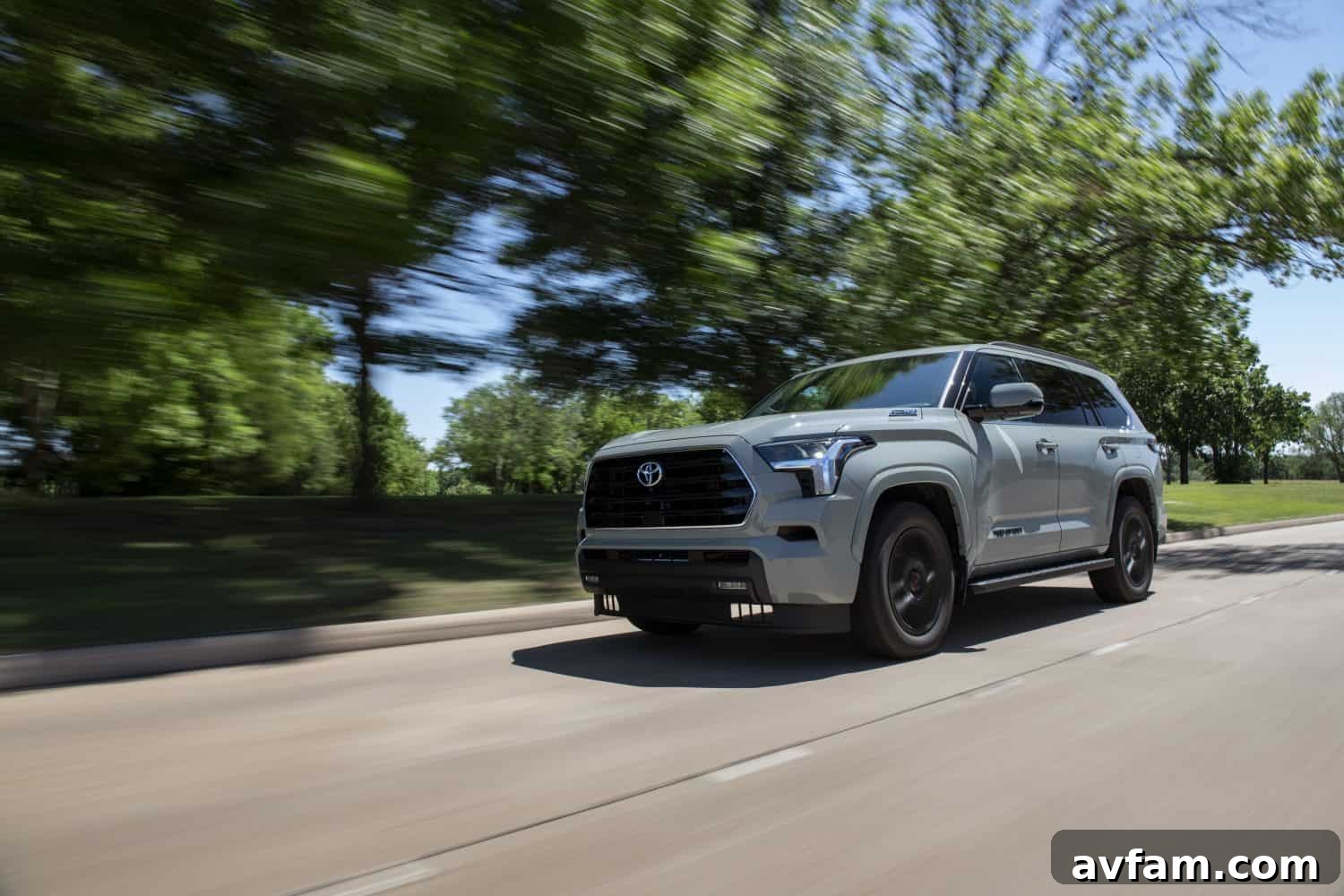
Hybrid Electric Vehicles, commonly known as hybrid cars, offer a bridging technology that combines the efficiency of an electric motor with the familiarity and range of a gasoline engine. Unlike BEVs, HEVs cannot be plugged in to charge; their electric battery is instead recharged through a process called regenerative braking (capturing energy normally lost during deceleration) and by the gasoline engine itself. The vehicle’s intelligent system seamlessly switches between electric power, gasoline power, or a combination of both, depending on driving conditions and the battery’s state of charge. This blend allows HEVs to achieve significantly improved fuel efficiency compared to conventional gasoline-only vehicles, particularly in stop-and-go city traffic where the electric motor can operate more frequently. Noteworthy HEV models include the iconic Toyota Prius, the family-friendly Hyundai Santa Fe Hybrid, the practical Ford Escape Hybrid, and the robust Toyota Tundra Hybrid, demonstrating hybrid technology across various vehicle segments.
The advantages of Hybrid Electric Vehicles make them an excellent choice for many drivers:
- Improved Fuel Efficiency Compared to Traditional Vehicles: HEVs excel in fuel economy, especially in urban environments. The electric motor assists the gasoline engine, allows the engine to shut off at low speeds or while idling, and recovers energy through regenerative braking, all contributing to fewer trips to the gas station and lower fuel bills.
- No Need to Plug In to Charge: This is a major convenience for drivers who may not have access to home charging or prefer not to deal with public charging infrastructure. The battery is continuously recharged by the car’s own systems, eliminating any range anxiety associated with external charging and making the transition from gasoline vehicles effortless.
- Reduced Emissions (Compared to ICE Cars): While not zero-emission like BEVs, HEVs still produce fewer tailpipe emissions than their purely gasoline-powered counterparts. This contributes to better air quality and a reduced environmental impact, representing a step towards greener transportation without a complete shift in refueling habits.
- Familiar Driving Experience and Unlimited Range: HEVs drive very much like traditional gasoline cars, making them easy to adapt to for most drivers. With a gasoline tank for refueling, range anxiety is practically non-existent, as you can simply fill up at any gas station for long journeys.
However, Hybrid Electric Vehicles also come with certain limitations:
- Limited All-Electric Driving Range: HEVs typically have a very small battery and can only drive on electric power for very short distances, often just a few miles, and at low speeds. They are not designed for extended electric-only commuting, primarily using electric power to assist the gasoline engine and improve efficiency.
- Higher Upfront Cost Compared to Traditional Vehicles: The integration of both an electric motor and a gasoline engine, along with a battery pack, makes HEVs generally more expensive to purchase than a comparable gasoline-only model. While fuel savings can offset this over time, the initial investment is higher.
- Still Uses Gasoline: Despite their improved efficiency, HEVs still rely on gasoline as their primary fuel source. This means they are not a zero-emission solution and are still subject to fuel price fluctuations and the environmental impact associated with fossil fuels, unlike BEVs.
- More Complex Powertrain: Combining two distinct power systems (electric and gasoline) can lead to a more complex mechanical setup compared to a pure gasoline or pure electric vehicle. While modern hybrids are generally reliable, the added complexity could theoretically lead to higher maintenance costs down the line, although this is often mitigated by the systems’ synergistic design.
Plug-in Hybrid Electric Vehicles (PHEVs)
Plug-in Hybrid Electric Vehicles, or plug-in hybrids, bridge the gap between HEVs and BEVs, offering a versatile “best of both worlds” solution. Like conventional hybrids, PHEVs combine a gasoline engine with an electric motor, but they feature a significantly larger battery pack. This larger battery can be recharged by plugging into an external electrical outlet, either a standard home socket, a dedicated 240V home charger, or a fast home charger. This capability allows PHEVs to operate solely on electric power for a more substantial range—typically 20 to 50 miles—before the gasoline engine kicks in. Once the battery is depleted, the vehicle functions as a traditional hybrid, seamlessly switching to gasoline power for extended range. Examples of popular PHEVs include the rugged Subaru Crosstrek Hybrid, the powerful Toyota RAV4 Prime, the efficient Kia Niro PHEV, and the off-road capable Jeep Wrangler 4XE, illustrating their adaptability across different vehicle types.
PHEVs present a compelling array of advantages for drivers seeking flexibility and efficiency:
- Extended All-Electric Driving Range: The standout feature of PHEVs is their ability to travel significant distances purely on electric power. For many commuters, the electric range of a PHEV is sufficient to cover their daily round trip without using any gasoline, effectively enabling zero-emission commuting for typical daily driving.
- Fuel Flexibility and Elimination of Range Anxiety: PHEVs offer the ultimate flexibility. You can drive emission-free on electricity for daily tasks, but if the battery runs out or you embark on a long road trip, the gasoline engine takes over, providing unlimited range without needing to find charging stations. This eliminates range anxiety, a common concern with BEVs.
- Improved Fuel Efficiency Compared to Traditional Vehicles: Even when operating as a hybrid, PHEVs are highly fuel-efficient. Their ability to frequently use electric power, combined with regenerative braking and the engine’s assistance, significantly reduces overall gasoline consumption and operating costs, especially for those who regularly plug in.
- Reduced Environmental Impact: By maximizing electric-only driving, PHEVs can drastically reduce local emissions and contribute to a lower carbon footprint, particularly if charged using renewable energy. For drivers committed to reducing their environmental impact without fully committing to a BEV, PHEVs offer a practical and effective solution.
- Eligibility for Government Incentives: Similar to BEVs, PHEVs often qualify for various government incentives, including federal tax credits, state rebates, and other perks designed to encourage the adoption of more environmentally friendly vehicles. These incentives can help offset the typically higher upfront cost.
Despite their versatility, PHEVs also have certain considerations to weigh:
- Limited All-Electric Driving Range Compared to BEVs: While offering a better electric range than HEVs, PHEVs still cannot match the hundreds of miles of electric-only travel that most BEVs provide. For very long all-electric journeys, a BEV would still be the preferred choice.
- Higher Upfront Cost Compared to Traditional Vehicles or HEVs: The technology required to combine a larger battery, electric motor, and gasoline engine means PHEVs generally have a higher purchase price than conventional gasoline vehicles and often even standard hybrids. While incentives and fuel savings help, the initial investment is notable.
- Requires Regular Charging to Maximize Benefits: To fully realize the fuel savings and environmental advantages of a PHEV, it needs to be plugged in regularly. If a PHEV is rarely charged, it essentially operates as a less efficient hybrid (due to carrying the extra weight of the larger, unused battery), diminishing its core benefits.
- Carries Two Power Systems: Because PHEVs integrate both a large battery pack/electric motor and a gasoline engine/fuel tank, they are typically heavier and more complex than either pure BEVs or conventional gasoline cars. This added complexity can sometimes impact cargo space or overall vehicle weight, and potentially lead to more components that could require maintenance.
In summary, the landscape of electric vehicles offers a powerful and increasingly popular pathway toward more environmentally friendly and cost-effective transportation. Each category—Battery Electric Vehicles (BEVs), Hybrid Electric Vehicles (HEVs), and Plug-in Hybrid Electric Vehicles (PHEVs)—presents a distinct set of capabilities, advantages, and disadvantages. Understanding these differences is paramount for consumers looking to transition to electric mobility. While BEVs offer the ultimate zero-emission experience with impressive long-term savings, they require a commitment to charging infrastructure. HEVs provide a seamless blend of efficiency and traditional fueling convenience, ideal for those seeking better mileage without lifestyle changes. PHEVs strike a balance, offering significant electric-only range for daily commutes coupled with the reassurance of a gasoline engine for extended travel. Ultimately, the best electric vehicle choice hinges on your specific needs, daily driving habits, access to charging, and personal priorities regarding cost, environmental impact, and convenience. With a rapidly expanding variety of automotive brands and innovative models continuously entering the market, finding an EV that perfectly aligns with your lifestyle and budget has never been easier or more promising.