
As the mercury rises and the days stretch longer, maintaining a vibrant and healthy landscape becomes a top priority for many homeowners. Beyond the aesthetic appeal, a well-hydrated yard contributes to cooler microclimates and supports local ecosystems. However, traditional watering methods can be time-consuming, inefficient, and often inadequate, especially with today’s busy lifestyles and increasing environmental consciousness. This is where modern irrigation solutions step in, transforming the way we care for our outdoor spaces. Whether you’re planning a summer getaway or simply aiming for a lush lawn without the constant manual effort, understanding the power of automated watering systems like sprinkler systems and drip irrigation can revolutionize your approach to garden maintenance.
The beauty of an automated irrigation system lies in its ability to deliver precise amounts of water at optimal times, ensuring your plants receive consistent hydration without wasteful runoff or evaporation. This not only conserves precious resources but also promotes stronger, healthier plant growth and significantly reduces the labor involved in daily watering. For those who frequently travel, an automatic watering source provides invaluable peace of mind, knowing your beloved plants and meticulously curated landscaping are thriving in your absence. This comprehensive guide will delve into the nuances of both sprinkler and drip irrigation systems, helping you determine the best fit for your home, enhance water efficiency, and cultivate the garden of your dreams.
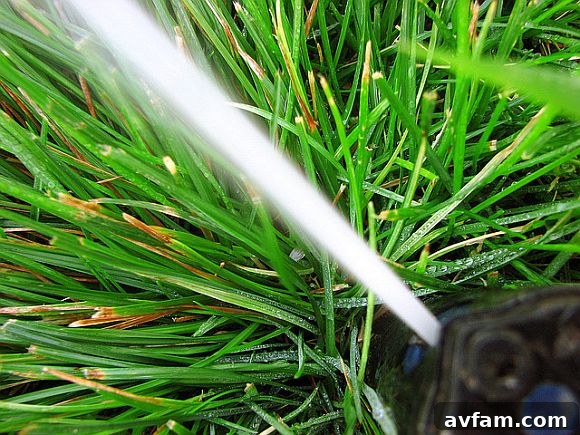
Embracing the Convenience of Automatic Sprinkler Systems
Automatic sprinkler systems are the quintessential solution for homeowners seeking a uniform and hassle-free way to water larger areas, primarily lawns, but also suitable for certain garden beds. These systems are designed to distribute water evenly across expansive landscapes, mimicking natural rainfall. They consist of a network of underground pipes, pop-up sprinkler heads, and a central controller that manages watering schedules and zones.
How Automatic Sprinkler Systems Work
At its core, an automatic sprinkler system operates on a simple principle: pressurized water is delivered through a network of pipes to strategically placed sprinkler heads, which then spray water over a designated area. The magic, however, lies in the controller. This programmable device allows you to set specific watering times, durations, and even different schedules for various zones within your yard. Modern controllers, often referred to as “smart controllers,” can integrate with local weather forecasts, soil moisture sensors, and even smartphone apps, adjusting watering schedules automatically to prevent overwatering or underwatering, truly maximizing efficiency.
Key Benefits of Installing a Sprinkler System
- Unmatched Convenience: Say goodbye to dragging hoses and manual watering. Once installed and programmed, your sprinkler system takes care of watering automatically, freeing up your time for other activities or allowing you to travel without worry.
- Consistent Hydration: Automatic systems ensure your lawn and plants receive a consistent amount of water at optimal times, preventing the stress caused by erratic watering. This leads to healthier, more resilient turf and plants.
- Water Efficiency (with proper setup): While often perceived as water-intensive, a properly designed and maintained sprinkler system can be incredibly efficient. Zoning allows you to tailor water delivery to specific areas, and smart controllers can significantly reduce water waste by only watering when necessary.
- Enhanced Property Value: A well-maintained, lush lawn and vibrant landscaping contribute significantly to curb appeal and can increase the overall value of your home.
- Nutrient Delivery: Sprinkler systems can be configured to deliver liquid fertilizers or pest control treatments directly to your lawn, further simplifying yard maintenance.
DIY vs. Professional Installation for In-Ground Systems
When it comes to installing a complete, in-ground sprinkler system, the decision between DIY and professional installation is crucial. While the allure of saving money through a DIY project is strong, the complexity of these systems often warrants professional expertise. A complete in-ground system requires:
- Precise Design: Determining optimal sprinkler head placement, pipe sizing, and zoning to ensure even coverage and adequate water pressure.
- Trenching: Digging trenches across your yard to bury pipes, which can be labor-intensive and potentially damage existing landscaping or underground utilities.
- Plumbing and Electrical Work: Connecting to your home’s main water line and potentially wiring the controller, which requires specific skills and adherence to local codes.
- System Calibration: Adjusting sprinkler heads for proper spray patterns, pressure, and overlap to prevent dry spots or overwatering.
Attempting a complex installation without the necessary knowledge can lead to costly mistakes, inefficient watering, frequent repairs, and even damage to your home’s plumbing. Therefore, for a truly integrated, durable, and optimally functioning in-ground sprinkler system, it is generally recommended to call in the professionals. The initial investment in expert installation is a worthwhile expenditure that ensures your system is properly designed, installed, and meets all your specific landscaping needs, providing long-term reliability and peace of mind.
The Precision and Efficiency of Drip Irrigation Systems
While automatic sprinkler systems excel at covering large areas, drip irrigation systems offer a targeted and remarkably efficient alternative, particularly for garden beds, shrubs, trees, and potted plants. Drip irrigation, as its name suggests, delivers water slowly and directly to the plant’s root zone, minimizing evaporation, runoff, and waste.
Understanding Drip Irrigation
A drip irrigation system typically consists of a network of narrow tubing, often laid on the soil surface or slightly buried, with small emitters positioned near the base of each plant. Water slowly drips or trickles out of these emitters, soaking directly into the soil where it’s needed most. This localized delivery method ensures that water penetrates deep into the root zone, promoting stronger root development and healthier plants. Drip irrigation can be connected to a main water source like an outdoor spigot, or it can be integrated into an existing sprinkler system’s main line, significantly boosting its water-saving capabilities.
Why Drip Irrigation is a Game-Changer
- Exceptional Water Conservation: Drip irrigation is praised as one of the most effective and efficient watering systems available. By delivering water directly to the root zone, it drastically eliminates wasted water due to evaporation, wind drift, or runoff. This makes it ideal if you live in an area prone to droughts or are simply committed to reducing your water footprint.
- Healthier Plants: Direct root watering reduces foliage wetting, which in turn minimizes the risk of fungal diseases and mildew that often plague plants watered by overhead sprinklers. Plants also experience less stress from inconsistent watering, leading to more vigorous growth and higher yields for edibles.
- Weed Control: Since water is only applied where plants are growing, the spaces between plants remain drier, inhibiting weed germination and growth. This means less weeding for you!
- Versatility and Flexibility: Drip systems are highly customizable. They can be adapted for oddly shaped garden beds, raised planters, container gardens, vegetable patches, and even individual trees and shrubs. Components can be easily moved or added as your landscaping evolves.
- Nutrient Efficiency: When applying liquid fertilizers, drip systems ensure that nutrients are delivered precisely where the plant needs them, reducing nutrient runoff and improving absorption.
Setting Up Your Own Drip Irrigation System (DIY-Friendly)
Unlike complex in-ground sprinkler systems, installing a drip irrigation system is often a manageable DIY project for many homeowners. You don’t necessarily need a full sprinkler system installed to set up drip irrigation; you simply need an available water source that will feed into the tubing, such as an outdoor spigot. For a complete run-down on drip irrigation, check out this tutorial from DripIrrigation.com.
Here’s a simplified overview of the components and steps involved:
- Connect to Water Source: Start by connecting your drip system to a water source. This typically involves attaching a backflow preventer (to prevent contaminated water from re-entering your home’s supply) and a pressure regulator (to reduce water pressure to a level suitable for drip components) to your spigot or sprinkler main line. A filter is also recommended to prevent clogging of emitters.
- Main Distribution Tubing: Lay out the larger main distribution tubing (typically 1/2″ or 3/4″ in diameter) around the perimeter of your garden beds or along the rows of plants you wish to water. Secure it with landscape staples.
- Branch Lines and Emitters: From the main tubing, run smaller feeder lines (1/4″ tubing) to individual plants. Attach emitters, which are small devices that control the flow rate of water, directly into the 1/4″ tubing or punch holes into the main tubing and insert emitters. Alternatively, use drip line tubing which has emitters built-in at regular intervals.
- Connectors and Fittings: Use various connectors (tees, elbows, couplings) to navigate corners, split lines, and extend your system. End caps are essential to seal off the ends of your tubing.
- Test and Adjust: Turn on your water source and check for leaks. Observe how each emitter is watering and make adjustments as needed. You may need to add or remove emitters to achieve optimal coverage for each plant.
Drip irrigation involves installing tubing around your plants, attaching that tubing to a connector and emitter, and then attaching the tubing to your sprinkler system’s main line or directly to a garden hose spigot. This modular approach makes it highly adaptable and a favorite for custom garden designs.
Choosing the Right Irrigation System for Your Landscape
Deciding between a sprinkler system, a drip irrigation system, or a combination of both depends on several factors specific to your landscape, plant types, budget, and personal preferences.
Sprinkler Systems are Ideal For:
- Expansive Lawns: For large areas of turf grass, sprinklers offer the most practical and efficient way to ensure even coverage.
- High-Water-Demand Plants: Some plants, particularly turf, require a greater volume of water over a larger area, which sprinklers can deliver effectively.
- Automation and Convenience: If hands-off operation and maximum convenience are your top priorities for wide areas, sprinklers are an excellent choice.
Drip Irrigation Systems are Perfect For:
- Garden Beds and Raised Planters: Directly waters individual plants without wasting water on pathways or surrounding soil.
- Vegetable Gardens and Fruit Trees: Provides consistent, deep watering that promotes healthy growth and fruit production.
- Container Gardens: Ensures potted plants receive adequate moisture without constant manual watering.
- Drought-Prone Areas: Maximizes water efficiency where conservation is critical.
- Sloped Landscapes: Reduces runoff and erosion often associated with overhead watering on inclines.
Combining Systems for Optimal Results
Many homeowners find the most efficient and versatile solution lies in a hybrid approach. Using a sprinkler system for your lawn and integrating a separate drip irrigation system for your garden beds, shrubs, and trees allows you to tailor water delivery precisely to the needs of different plant types. This maximizes water conservation while ensuring every part of your landscape thrives. For instance, you can tap into the main line of your existing sprinkler system to feed a drip irrigation zone, allowing both systems to be controlled by a single smart controller, streamlining your watering schedule.
Maximizing Water Efficiency and Smart Irrigation Practices
Beyond choosing the right system, implementing smart irrigation practices is key to a truly efficient and sustainable watering strategy. Modern technology offers incredible tools to help you save water and maintain a healthier landscape.
- Smart Controllers: These advanced irrigation controllers connect to Wi-Fi and use local weather data, evapotranspiration rates, and historical data to adjust watering schedules automatically. They can skip watering if rain is expected, or increase it during a heatwave, ensuring optimal hydration without waste.
- Rain Sensors: An inexpensive add-on, a rain sensor prevents your system from running during or after rainfall, saving water and preventing overwatering.
- Soil Moisture Sensors: These sensors are buried in the ground and communicate with your controller, telling it exactly how much moisture is present in the soil. The system only waters when the soil moisture drops below a predetermined threshold.
- Proper Zoning: Design your system with separate zones for different plant types (lawn, shrubs, flowers) and sun exposure. This allows you to apply water according to the specific needs of each area.
- Regular Maintenance: Periodically check your sprinkler heads for damage or misalignment, clean drip emitters to prevent clogging, and inspect lines for leaks. A well-maintained system operates far more efficiently.
- Watering Schedules: Even without smart technology, understanding your plants’ water needs and establishing consistent watering schedules (e.g., deep and infrequent watering) can lead to significant water savings and stronger root systems. Watering in the early morning minimizes evaporation.
Conclusion: Cultivating a Greener, Smarter Yard
Investing in an efficient irrigation system, whether it’s a robust automatic sprinkler setup, a precise drip irrigation network, or a combination of both, is a smart decision for any homeowner. It’s an investment in the health and beauty of your landscape, the conservation of precious water resources, and your own peace of mind. By leveraging modern technology and adopting smart watering practices, you can create a vibrant, resilient garden that thrives with minimal effort and maximum efficiency. Say goodbye to the inefficiencies of manual watering and embrace the future of smart landscape management. Your plants, your wallet, and the environment will thank you.
Do you have an at-home sprinkler system? Or drip irrigation? We’d love to hear any additional tips you might have for installation, maintenance, or water saving strategies! Share your insights and help our community cultivate greener, smarter yards.
Photo: Flickr.com/pleeker