
Transform Your Home with Cutting-Edge Energy-Efficient Marvin Windows
For far too long, many homeowners viewed windows as mere openings – a simple barrier against the elements. The common approach involved drawing shades when it was too warm or ensuring they were tightly shut when cold, hoping to maintain a comfortable indoor environment. However, this perspective dramatically underestimates the profound impact modern window technology can have on your home’s thermal performance and, crucially, your energy bills. Today’s windows are sophisticated systems, incorporating advanced glass types, innovative coatings, and precision engineering that can fundamentally alter the temperature dynamics within your living space. This evolution represents a significant opportunity for homeowners to achieve unparalleled comfort and substantial energy savings.
Have you ever considered performing a comprehensive window audit for your property? It’s an invaluable exercise to accurately assess how efficiently your home is managing its energy consumption. Such an audit can reveal hidden inefficiencies and highlight areas where upgrading your windows could lead to significant returns on investment. Understanding the current state of your home’s thermal envelope is the first step towards a more energy-efficient future.
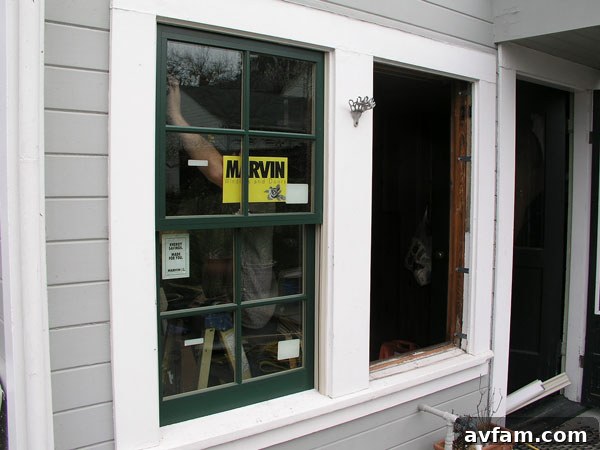
Our recent tour of the renowned Marvin Windows factory offered an illuminating glimpse into the meticulous craftsmanship behind each product. We witnessed firsthand how every Marvin window is custom-made to order, a process that includes selecting the precise type of glass and specialized coatings for optimal performance. This bespoke approach allows Marvin to offer an astonishing array of over 150,000 energy-efficient window and door options, ensuring a tailored solution for virtually any architectural style or climate requirement. It’s this commitment to customization and advanced technology that positions Marvin as a leader in the energy-efficient window market.
The Science Behind Energy-Efficient Window Technology
Marvin understands that windows and doors are not merely aesthetic elements; they are fundamental components governing your home’s comfort and energy efficiency. The advancements in window technology over the last decade have been remarkable, making modern, energy-efficient windows and doors vastly superior to their predecessors. According to data from the U.S. Department of Energy, investing in contemporary energy-efficient windows and doors can lead to impressive savings, reducing your monthly heating and cooling expenditures by an estimated 15 to 25 percent. This isn’t just a marginal improvement; it’s a significant financial benefit that contributes to a more sustainable lifestyle.
The days of single-pane glass being the standard are long gone. Today’s cutting-edge window technology incorporates multiple layers of glass, creating insulated glass units (IGUs) that dramatically enhance thermal performance. Beyond the physical panes, specialized coatings applied to the glass play a crucial role, reflecting unwanted sunlight and harmful ultraviolet (UV) rays without compromising your view. The spaces between these glass panes are often filled with inert gases, which provide superior insulation compared to ordinary air. Furthermore, innovative design principles and advanced framing materials contribute to overall efficiency, minimizing thermal bridging and ensuring airtight seals. Each of these elements works in concert to create a sophisticated barrier against energy loss and gain.
Understanding Performance Metrics: U-Factor and SHGC
The effectiveness of an energy-efficient window is quantifiable through specific performance metrics. Understanding these measurements is key to selecting the right windows for your home, especially when considering your local climate.
U-Factor: Measuring Thermal Resistance
The U-Factor is a critical indicator of a window’s insulating capability. It measures the rate at which heat is transferred through a window assembly, including the glass, frame, and any spacers. A lower U-Factor signifies less heat loss, making it a primary consideration for homes in colder climates. In regions where keeping warmth indoors is paramount, windows with excellent U-Factors prevent valuable heat generated by your furnace from escaping, thereby reducing the workload on your heating system and lowering energy bills. Think of it as the inverse of R-value, where a higher R-value indicates better insulation; for U-Factor, a lower number is better.
Solar Heat Gain Coefficient (SHGC): Managing Solar Energy
The Solar Heat Gain Coefficient (SHGC) measures the fraction of solar radiation that passes through a window and becomes heat inside your home. This metric is crucial for balancing passive solar heating benefits with cooling demands. A higher SHGC means a window allows more solar heat to penetrate, which can be advantageous in colder climates to supplement heating. Conversely, a lower SHGC indicates that a window effectively blocks solar heat, a desirable trait in warmer climates to reduce air conditioning loads. Balancing these factors according to your specific climate is vital for optimizing energy performance and comfort.
Tailoring Window Solutions to Your Climate
Where you reside profoundly influences the ideal specifications for your windows and doors. Different climates demand different performance priorities. Marvin recognizes this diversity and engineers solutions that are perfectly aligned with regional energy demands.
Northern Climates: Retaining Heat and Harnessing Solar Gain
For homeowners in regions characterized by harsh, cold winters, the primary function of a window is to keep heat firmly indoors. This necessitates windows with exceptionally low U-Factors to minimize heat transfer out of the home. However, northern climates can also benefit immensely from strategic solar heat gain. Choosing windows with a higher SHGC can allow the sun’s natural warmth to enter your home, providing “free” heat that reduces the strain on your furnace or other heating systems. This smart utilization of passive solar energy contributes significantly to lower energy consumption during the coldest months. Marvin’s solutions for northern climates are designed to maximize both insulation and beneficial solar gain.
Southern Climates and Intense Sun: Blocking Heat and UV Rays
In warmer geographical areas, particularly those with year-round mild temperatures or intense, prolonged sun exposure, the role of your windows shifts dramatically. Here, the goal is to prevent unwanted heat from entering your home. This means prioritizing windows that excel at reflecting solar radiation, minimizing solar heat gain. A lower Solar Heat Gain Coefficient (SHGC) becomes crucial in these regions, as it directly translates to reduced reliance on air conditioning. Less heat infiltration means lower cooling costs, a smaller carbon footprint, and a more comfortable interior. Beyond heat, windows in sunny climates also need to protect interiors from damaging UV rays, preventing fading of furniture and flooring. Marvin offers specialized glass coatings and configurations to meet these demanding requirements, ensuring optimal performance where cooling is a constant concern.
Marvin’s Comprehensive Energy-Efficient Window Options
Marvin empowers you to create a truly customized window and door solution, perfectly matched to your home’s unique architectural style, aesthetic preferences, and energy performance requirements. Their extensive catalog includes thousands of dual-pane and triple-pane (Tripane) products, which can be combined with a vast array of glazing and gas options to achieve unparalleled energy efficiency. This bespoke approach ensures that every Marvin window is an optimal investment for your specific needs.
A testament to their commitment to energy performance, Marvin offers an extensive lineup of products and options that rigorously meet or exceed ENERGY STAR standards. It’s important to note that ENERGY STAR standards for windows and doors vary by climate zone. Marvin excels in this regard, providing compliant and high-performing ENERGY STAR options for every single climate zone, guaranteeing that you can find a certified energy-efficient solution no matter where you live.
Dual-Pane and Tripane: The Foundation of Insulation
Marvin’s core offering includes thousands of window and door options featuring either two or three panes of glass. Dual-pane products, when paired with appropriate glazing technologies, offer a versatile, beautiful, and highly energy-efficient solution suitable for a wide range of applications. For those seeking the pinnacle of thermal performance, especially in extreme climates or for maximum noise reduction, Marvin’s Tripane (triple-pane) products provide an additional layer of insulation, further reducing heat transfer and enhancing comfort. The air or gas spaces between these panes are crucial to their insulating power.
Insulating Glass Coatings: The Magic of Low-Emissivity (LoE)
At the heart of modern energy-efficient glass are incredibly thin, microscopic coatings of special metallic material. These Low-Emissivity (LoE or Low-E) glazings are applied to glass panes and are pivotal in boosting their thermal performance. By coating glass surfaces and the gaps between panes with LoE material, a significant amount of heat transfer can be blocked. This dramatically reduces your home’s reliance on energy-intensive heating and cooling systems, translating directly into lower energy bills.
Crucially, Low-E coatings are transparent to visible light, meaning they don’t compromise the clarity or brightness of your view. However, different types of LoE coatings are engineered with specific properties to manage solar gain:
- LoE-180: Maximize Solar Heat Gain for Cold Climates. This coating is an exceptional insulator (boasting a very low U-Factor) while simultaneously allowing the sun’s warming rays to pass through efficiently (high SHGC). Featuring a single metallic layer, LoE-180 actively blocks heat loss to the outside during winter and reflects radiant heat back into a room, making surfaces warmer to the touch. This type of coating is unequivocally ideal for applications where maximizing passive solar heat gain is desired, such as in northern climates where free heat from the sun is a welcome bonus.
- LoE2-272: Balanced Performance for Diverse Climates. Designed with a double metallic coating on the inside glass surface, LoE2-272 offers a balanced approach to energy management. In winter, it reflects heat back into the room to prevent loss, while in summer, it effectively rejects the sun’s warmth, significantly reducing the impact of damaging UV rays. This coating option provides superior protection against heat loss compared to LoE-180 and offers excellent solar gain control. It is a highly versatile choice, suitable for a broad spectrum of climates, making it a popular all-rounder, though specific performance in the Southern ENERGY STAR zone might lean towards more aggressive heat-blocking options.
- LoE3-366: Ultimate Heat Blocking for Hot Climates. The pinnacle of solar control, LoE3-366 features three metallic layers of silver. This advanced coating delivers the lowest U-Factor and, critically, the lowest Solar Heat Gain Coefficient. Its primary function is to block the maximum amount of solar heat, making it the go-to choice for regions where cooling costs are high and intense, prolonged exposure to the sun is a significant issue. Often specified in the Southern ENERGY STAR zone, LoE3-366 not only keeps your home cooler but also provides superior protection against fading of interior furnishings due to UV radiation.
Insulating Gases: Enhancing Thermal Barriers
Beyond multiple panes and specialized coatings, the spaces between the glass panes are often filled with inert gases. These gases are significantly denser than air and have lower thermal conductivity, meaning they slow the transfer of heat much more effectively, dramatically increasing the insulating power of a window or door.
- Argon Gas: The Standard for Enhanced Efficiency. Marvin’s standard windows come with argon gas injected between the panes. Argon is an affordable, non-toxic, and colorless gas that provides a significant boost to energy efficiency by reducing heat transfer through convection and conduction within the insulated glass unit. It’s a proven method for improving a window’s U-Factor.
- Krypton Blend: Maximizing Insulation in Compact Spaces. For customers aiming to achieve the absolute maximum in energy savings and thermal performance, particularly in triple-pane products with narrower airspaces, Marvin offers a specialized blend of krypton, argon, and air. Krypton is an even denser gas than argon, offering superior insulating power in smaller gaps. This premium option further increases the insulating capacity of Marvin’s Tripane products, providing unparalleled thermal resistance.
Further Enhancements and Performance Advantages
Marvin continually innovates, offering additional enhancements that further elevate the energy efficiency and functionality of their windows:
- Energy Panel: Supplemental Insulation for Classic Windows. Often mistakenly equated with traditional storm windows, an Energy Panel is a distinct glazing option consisting of a removable exterior glass panel. Finished with a discreet surround, these panels cover the exposed glass surface of each sash. They offer a highly effective method for adding an extra layer of energy efficiency, particularly beneficial for wood windows that might otherwise feature single glazing. The Energy Panel acts as a secondary barrier, significantly reducing heat transfer and improving the overall U-Factor without requiring a full window replacement.
- Storm and Screen Combos: Versatility and Protection. Marvin’s combination units are ingeniously designed, comprising two movable glass panels and one movable screen panel. This versatile configuration allows for multiple operational modes, offering protection from the elements, natural ventilation, and insect deterrence. The individual panels are designed for easy removal from the interior, simplifying cleaning and maintenance. Marvin also provides customized commercial screen solutions for specific project requirements.
Other Critical Performance Notes
The excellence of Marvin windows extends beyond just glass and gas. Their commitment to superior engineering is evident in every detail:
- Low Air Infiltration: Sealing Against Drafts. All Marvin window and door products are meticulously engineered to meet or exceed the stringent requirements set by the Window and Door Manufacturers Association (WDMA) for maximum air infiltration. This means their products are designed to be exceptionally airtight, preventing drafts, moisture infiltration, and the escape of conditioned air. Minimizing air leakage is paramount for maintaining consistent indoor temperatures and achieving optimal energy savings.
- XL Edge Spacer: Durability and Edge Performance. Marvin proudly incorporates the warm-edge XL Edge spacer system from Cardinal, widely regarded as the most durable spacer system available on the market today. The spacer is a crucial component that separates the glass panes in an insulated glass unit. Traditional metal spacers can conduct heat, creating a “cold edge” that can lead to condensation and energy loss. The XL Edge spacer, with its advanced design and materials, significantly reduces thermal transfer at the perimeter of the window glass, helping to prevent energy loss and enhance the overall longevity and performance of the insulated unit.
Making an Informed Decision with Marvin
Navigating the vast array of energy-efficient window options can seem daunting given the technical details and numerous choices available. However, Marvin dealers are highly trained and deeply knowledgeable about their extensive product lineup. A quick conversation with a Marvin expert can swiftly guide you through the selection process, helping you pinpoint the exact type of window, glass package, and specialized coatings that will deliver the best performance and value for your home, climate, and budget. Their expertise ensures that you make an informed decision that aligns with your specific needs.
For even more in-depth information on energy-efficiency technologies and Marvin’s commitment to sustainable building, we highly recommend exploring the comprehensive Marvin Windows & Doors website. It’s an invaluable resource that will empower you with the knowledge needed to make the smartest investment in your home’s comfort and energy future.
Investing in Marvin energy-efficient windows is more than just an upgrade; it’s a strategic decision that enhances your home’s comfort, significantly reduces your energy consumption and costs, contributes to a healthier planet, and ultimately increases your property value. Experience the difference that superior design, engineering, and craftsmanship can make.
Top photo courtesy of Old Town Glass