
This article is sponsored by Pennington Seed, a leader in lawn and garden innovation.
Revitalize Your Lawn: A Comprehensive Guide to Repairing Bare Spots and Achieving Lush Greenery with Pennington Seed
As the chill of winter finally recedes, many of us eagerly anticipate the vibrant greens of spring and summer, hoping our lawns will emerge lush and healthy. However, the reality can often be a stark contrast. The remnants of last year’s wear and tear, coupled with the unforgiving grip of winter, can leave behind a landscape marred by unsightly bare spots, dead patches, and a general lack of vitality. Instead of welcoming a verdant carpet, you might be facing a patchy, disheartening view.
The good news is that restoring your lawn to its former glory, or even surpassing it, is entirely achievable with the right knowledge and products. At Charles & Hudson, we understand the challenges homeowners face in maintaining a beautiful lawn. That’s why we’re thrilled to share insights and practical tips gleaned from our direct experience and partnership with a trusted name in lawn care.
Our Journey to a Greener Lawn with Pennington Seed
Last year, we had the invaluable opportunity to visit Pennington Seed in Portland, delving deep into the science and art of lawn care from the experts themselves. This “crash course” in turf management equipped us with remarkable strategies that we immediately applied to our own struggling lawn. The results were nothing short of impressive.
We specifically utilized Pennington’s 1-Step Complete, a revolutionary all-in-one solution designed for effortless lawn repair. Before long, those discouraging, spotty areas that once plagued our yard began to transform. In just a few weeks, our once-bare patches were replaced by a robust, full, and undeniably lush expanse of green. Our personal success story is a testament to the efficacy of Pennington products, and it fueled our desire to help others achieve similar triumphs.
This article is dedicated to empowering you with a comprehensive, step-by-step guide to repairing bare spots, drawing directly from Pennington Seed’s expertise. We’ll cover everything from proper preparation to the benefits of advanced seed technology. As an added bonus, Pennington Seed is generously offering a special Giveaway to one of our readers who shares their best lawn care tip. Keep reading to uncover all the secrets to a healthier lawn and details on how to enter!
Essential Steps for Repairing Bare Spots in Your Lawn
Repairing bare spots isn’t just about throwing down some seeds; it’s about creating the optimal environment for new growth to thrive. Follow these expert tips, courtesy of Pennington Seed, to ensure your efforts result in a truly vibrant and resilient lawn.
Step-by-Step Bare Spot Repair Guide:
-
Close Mowing and Debris Removal
Begin by mowing your existing lawn closely, ideally to the lowest recommended height for your grass type without scalping. This crucial first step helps to reduce competition for light and nutrients, allowing new seedlings to get a head start. Following the mow, meticulously remove all leaves, dead grass, weeds, and any other debris from the bare areas. This debris can smother new seeds, impede soil contact, and harbor pests or diseases. A clean slate is essential for successful germination and establishment.
-
Preparing the Seedbed: Raking and Aeration
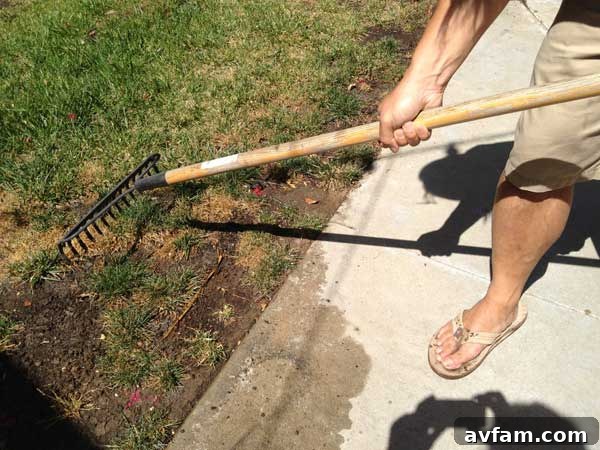
Once the area is clean, it’s time to prepare the seedbed. Lightly rake the bare spots to loosen the top layer of soil. This action creates a more hospitable environment for seeds to settle and establish root contact. For particularly compacted areas, consider aerating. Aeration involves creating small holes in the soil, which improves air circulation, water penetration, and nutrient absorption. This dramatically enhances the chances of successful seed germination and robust root development, leading to a healthier, more resilient lawn.
-
The Importance of Soil Testing
Before proceeding with seeding, conducting a soil test is highly recommended. This vital step provides invaluable insights into your soil’s current nutrient levels and pH balance. An imbalance can significantly hinder grass growth, regardless of how high-quality your seed is. You can purchase DIY soil test kits or send a sample to your local agricultural extension office for a more detailed analysis. Understanding your soil’s composition will inform the next step, ensuring you provide exactly what your new grass needs to flourish.
-
Fertilization and Soil Amendments
Based on your soil test results, you may need to fertilize and add soil amendments. If your soil lacks specific nutrients, choose a starter fertilizer formulated for new grass, which typically contains a higher phosphorus content to encourage root growth. If your pH is off, amendments like lime (to raise pH) or sulfur (to lower pH) can be incorporated. Always follow product instructions carefully to avoid over-application, which can harm new seedlings. Proper nutrition from the outset is fundamental for strong, healthy turf.
-
Precision Seed Sowing and Coverage
Now, it’s time to sow the seed. For bare spots, it’s often best to hand-sow or use a small hand spreader to ensure even coverage. Distribute the seed according to the package directions for bare spot repair, which is often denser than overseeding an existing lawn. After sowing, gently rake the seed into the top 1/8 to 1/4 inch of soil. This light covering protects the seeds from birds, prevents them from washing away, and helps maintain moisture, all of which are critical for successful germination.
-
Mastering the Art of Watering for Seedling Establishment
This is arguably the most critical step. New grass seeds require consistent moisture to germinate and establish. Keep the newly seeded areas continuously moist, not waterlogged, until the seedlings are well-established – typically for 2-3 weeks after germination. This often means light watering several times a day, especially during warm, dry weather. Once the seedlings are a few inches tall and well-rooted, you can transition to a less frequent, deeper watering schedule, typically 1 inch of water per week, considering rainfall. Consistent watering is the key to transforming seeds into a thriving lawn.
Discover the Power of Pennington Smart Seed: Smarter Water Use for a Healthier Lawn
In the quest for a beautiful, resilient lawn, the choice of seed is paramount. Pennington Smart Seed stands out as a revolutionary solution, engineered to deliver exceptional results while promoting water conservation. This isn’t just ordinary seed; it’s a commitment to smarter, more sustainable lawn care.
Drought Resistance and Water Efficiency
Pennington Smart Seed is meticulously developed to remain green for up to an impressive three weeks without water once established. This incredible drought resistance is a game-changer for homeowners, significantly reducing the stress of maintaining a vibrant lawn during dry spells. Furthermore, year after year, Smart Seed requires up to 30 percent less water compared to conventional grass seeds. This substantial reduction in water usage translates not only to lower water bills but also to a crucial contribution towards environmental sustainability. By choosing Smart Seed, you’re investing in a lawn that thrives with less dependency on precious water resources, making it a truly smart choice for both your wallet and the planet.
Purity and Resilience: No Fillers, All Performance
What sets Pennington Smart Seed apart is its unwavering commitment to quality and performance. Every bag contains pure, high-quality seed, with absolutely no fillers. This purity is vital because fillers dilute the effectiveness of the seed and offer no benefit to your lawn. The pure bred, drought-resistant varieties within Smart Seed are specifically selected to establish fuller, healthier, and greener lawns. This advanced formulation inherently improves your lawn’s natural resistance to common threats like diseases, invasive insects, and extended periods of drought. The result is a more resilient, low-maintenance turf that maintains its beauty even under challenging conditions, ensuring your efforts lead to lasting success.
Simplifying Lawn Repair with Pennington 1-Step Complete
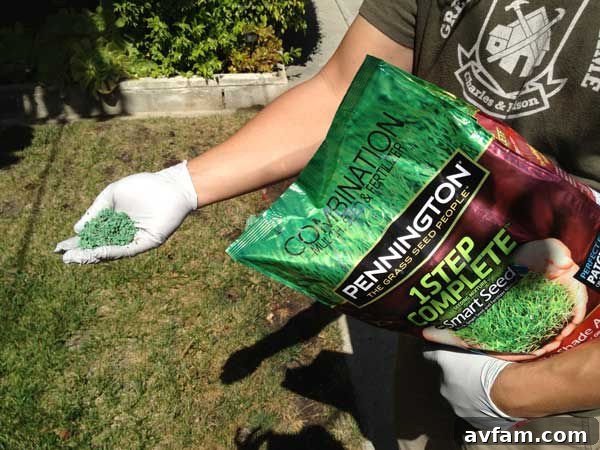
For those who value convenience without compromising on results, Pennington’s 1-Step Complete is an absolute game-changer. We are genuinely big fans of this product because it streamlines the entire bare spot repair process into one incredibly simple application. Imagine having everything you need to fill those frustrating bare patches – premium grass seed, specialized fertilizer, and protective mulch – all combined into a single, easy-to-use mixture. This innovative blend eliminates the guesswork and complexity of applying multiple products separately, making lawn repair accessible and effortless for everyone.
Our own experience with 1-Step Complete truly solidified our appreciation for its effectiveness. As mentioned earlier, those spotty areas in our lawn that once seemed insurmountable quickly transformed into lush, healthy grass. The integrated fertilizer provides essential nutrients for rapid germination and strong early growth, while the mulch component helps retain moisture and protect the delicate new seeds. It’s the perfect solution for busy homeowners, beginners, or anyone looking for a reliable and efficient way to achieve a beautifully repaired lawn. We will certainly keep you updated on the continued progress and vibrant appearance of our lawn as the 1-Step Complete continues to flourish.
Understanding Drought, Water Conservation, and Your Lawn: Crucial Facts for Every Homeowner
Responsible lawn care extends beyond aesthetics; it’s also about environmental stewardship, particularly regarding water usage. Understanding the broader context of drought and water conservation can help you make informed decisions that benefit both your yard and the planet.
-
2012 Drought Context and Impact
The year 2012 marked a significant turning point, standing as the hottest year on record for the U.S. during that time. A staggering two-thirds of the country grappled with unprecedented drought conditions. This widespread environmental challenge underscored the critical need for more resilient landscape solutions and efficient water management practices, especially in residential settings. Such extreme weather events highlight the importance of proactive measures in lawn care.
-
Time and Energy Invested in Lawn Maintenance
Americans dedicate an average of 73 hours annually to maintaining their lawns. A significant portion of this time and energy is consumed by watering. From setting up sprinklers to dragging hoses, the effort involved in keeping a lawn green can be substantial. Choosing drought-resistant seed can dramatically reduce this time commitment, freeing up hours for other activities and reducing the physical labor associated with constant irrigation.
-
The Reality of Lawn Watering Needs
To maintain its vibrant green color during the summer months, a typical lawn requires approximately 1 inch of water per week. For an average-sized lawn, this translates to an astonishing 2,500 gallons of water weekly. This figure often surprises homeowners and emphasizes the considerable volume of water necessary for traditional lawn care. It highlights why efficient watering methods and water-saving seeds are not just conveniences, but necessities.
-
Addressing Water Waste and Inefficient Practices
Alarmingly, up to 50% of the water used outdoors is wasted due to inefficient watering methods and poor maintenance practices. Factors such as evaporation from direct sun, strong winds carrying water away, runoff from overwatering, and selecting plant types unsuited to the local climate all contribute to this significant waste. This statistic alone underscores the urgent need for smarter solutions, such as drought-resistant grass seed, which can thrive on significantly less water, thereby mitigating wasteful practices and promoting genuine water conservation.
All these compelling reasons collectively underscore the immense importance of choosing a high-quality, drought-resistant lawn seed like Pennington Smart Seed. It’s not just about repairing bare spots; it’s about building a sustainable, beautiful, and low-maintenance lawn that stands resilient against environmental challenges and contributes positively to water conservation efforts.
Share Your Best Lawn Care Tip & Enter Our Exclusive Giveaway!
Now for the exciting part – our exclusive Giveaway! We believe that every homeowner has valuable insights to share when it comes to nurturing their outdoor spaces. We’re eager to hear your wisdom!
Simply share your absolute favorite lawn or garden care tip in the comments section below. Whether it’s a watering trick, a unique pest control method, a fertilizing secret, or a smart planting strategy, we want to hear it!
On Sunday, May 12th at Noon (PST), we will randomly select one lucky winner from the comments who will receive a $50 gift card to help with their next garden project. Don’t miss out on this fantastic opportunity to share your expertise and win big! Good luck to all participants!
A Note on Our Partnership
Disclosure: This article is sponsored by Pennington Seed. It is important to us that our readers understand our commitment to transparent and ethical content. Pennington Seed does not dictate what our bloggers say about their products or how it is conveyed. Our editorial integrity remains paramount. Pennington Seed’s policies are fully aligned with the WOMMA (Word of Mouth Marketing Association) Ethics Code, FTC (Federal Trade Commission) guidelines, and all best practices for social media engagement and content creation. We share our honest experiences and expert recommendations to provide you with valuable, trustworthy information.