
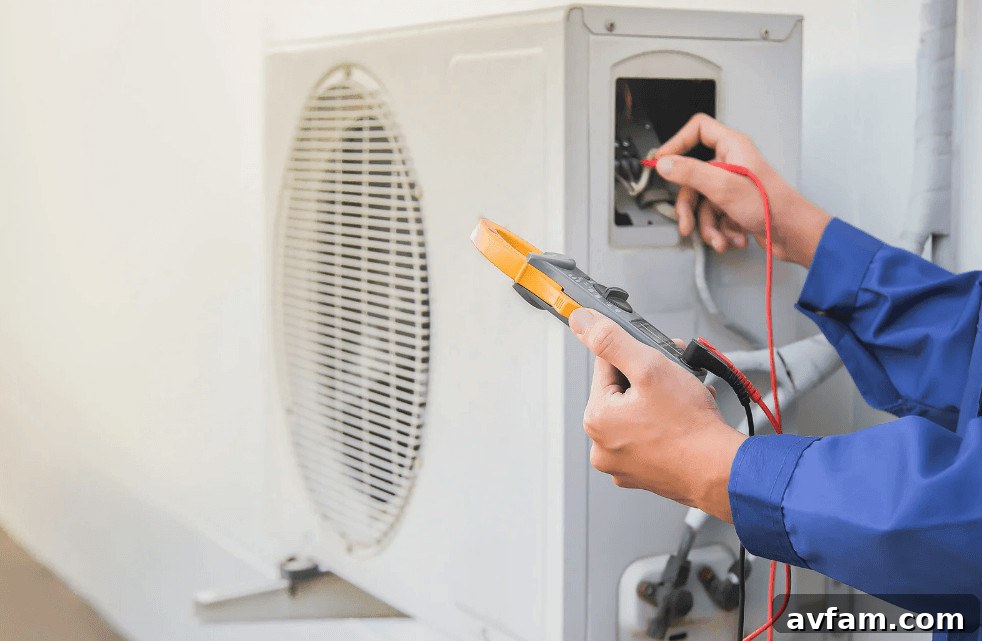
Hot summer temperatures in U.S. cities like Los Angeles and New York place heavy demands on HVAC systems. Both commercial and residential property owners should prioritize seasonal maintenance to keep systems running efficiently and to avoid costly breakdowns when cooling is needed most.
Regular upkeep helps heating and cooling systems operate more effectively while using less energy. Proper maintenance reduces the chance of sudden failures and can extend equipment life, saving time and money during peak cooling months.
If you are considering an NYC HVAC provider such as Fusion Repair HVAC, here are 10 practical items to check before summer arrives. These steps will help you identify problems early and ensure any service call is focused and productive.
Schedule HVAC Service Before May
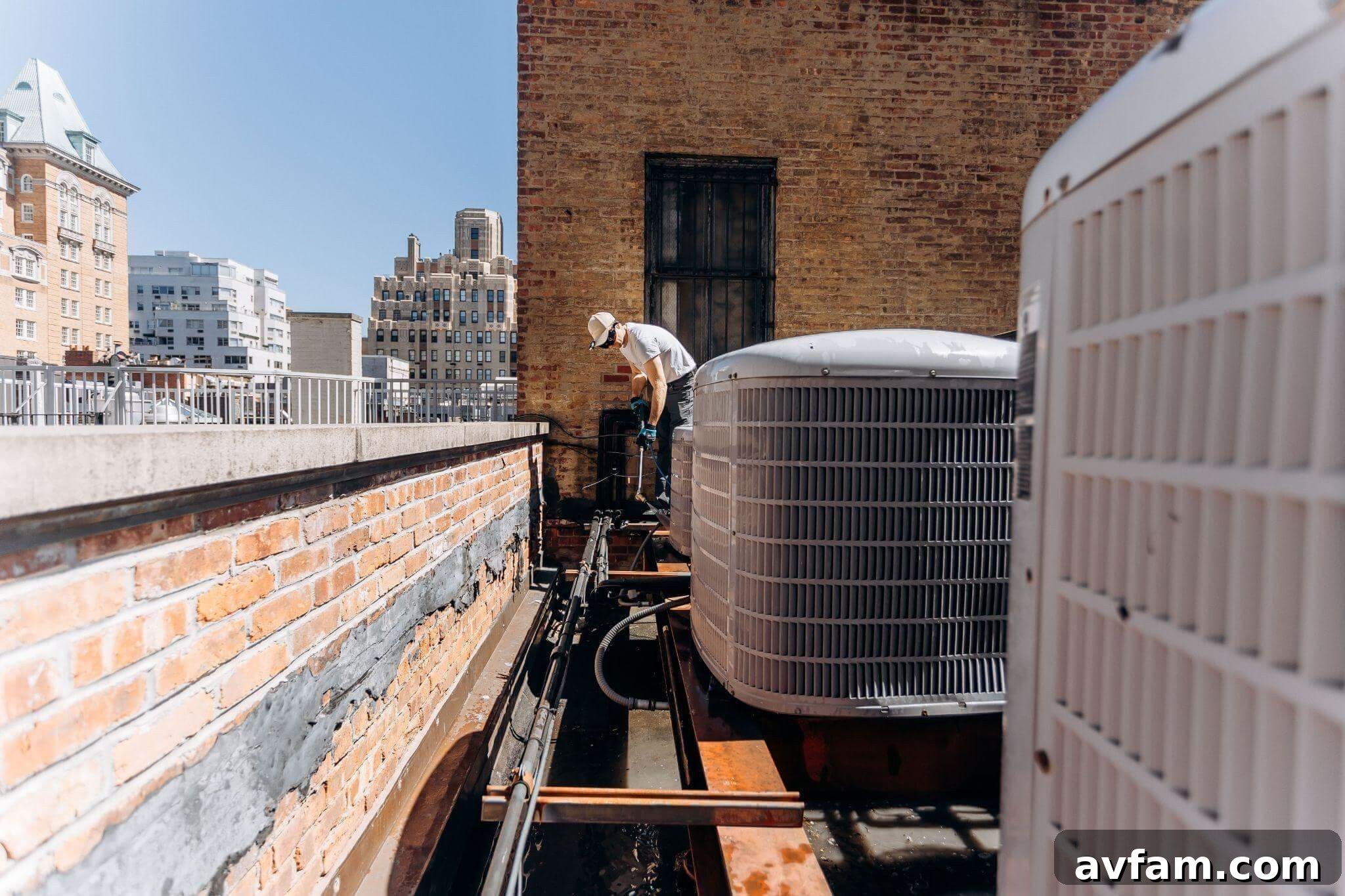
Spring is the best time to schedule a professional tune-up. Technicians are typically less busy before summer, so you can get a full-system inspection rather than a quick fix. A comprehensive check helps identify worn parts, refrigerant issues, or airflow restrictions that could become urgent once temperatures climb.
Replace Air Filters Regularly
Dirty air filters restrict airflow and force your system to work harder. Replacing filters every month or according to manufacturer recommendations is one of the simplest and most effective ways to improve HVAC efficiency and indoor air quality. When booking a service visit, ask your technician to inspect and swap filters if needed.
Inspect Window AC Brackets and Seals
Window air conditioners can suffer from loose mounting brackets, torn weather seals, and blocked drainage. These issues reduce cooling performance and can cause leaks. A pre-season check ensures units are secure, properly sealed, and draining correctly for safer, more effective operation.
Clear Vents and Registers
Blocked supply and return vents disrupt airflow and reduce comfort. Move furniture away from vents and dust or vacuum register grilles to restore circulation. Many HVAC professionals note that improving basic airflow frequently resolves temperature imbalance complaints without major repairs.
Service Commercial Refrigeration Systems
Restaurants and commercial kitchens rely on refrigeration year-round; summer heat increases load and risk of failure. Routine checks of coils, seals, refrigerant levels, and temperature controls will decrease the chance of breakdowns during busy periods. Coordinate refrigeration and HVAC maintenance so both systems perform reliably under higher thermal stress.
Test Your Building’s Emergency Cooling Plan
Prepare for the possibility of equipment failure with a clear emergency response plan. Consider and document answers to questions such as:
- Who do employees call if cooling fails?
- Are backup fans or portable cooling units available?
- Which emergency service providers are on call?
- Can sensitive equipment remain operational during an outage?
A written plan reduces confusion and speeds recovery if cooling systems stop working unexpectedly.
Review Last Summer’s Energy Bills
Comparing this year’s usage to last summer’s can reveal gradual efficiency losses. If energy use rose significantly without corresponding changes in occupancy or equipment runtime, the HVAC system may be overworking. Service providers often review past maintenance records alongside utility trends to diagnose hidden inefficiencies.
Confirm Your Contractor’s Insurance and Credentials
Many commercial properties require contractors to provide a current Certificate of Insurance (COI) before work begins. Verifying insurance, licenses, emergency availability, maintenance agreements, and system-specific experience helps prevent delays and ensures the contractor can perform required work safely and professionally.
Check Warranty and Maintenance Requirements
Before authorizing repairs, review equipment warranties. Manufacturer warranties often include maintenance clauses that specify service intervals and documentation requirements. Make sure your service provider documents maintenance visits to preserve warranty coverage and simplify future claims.
Conclusion
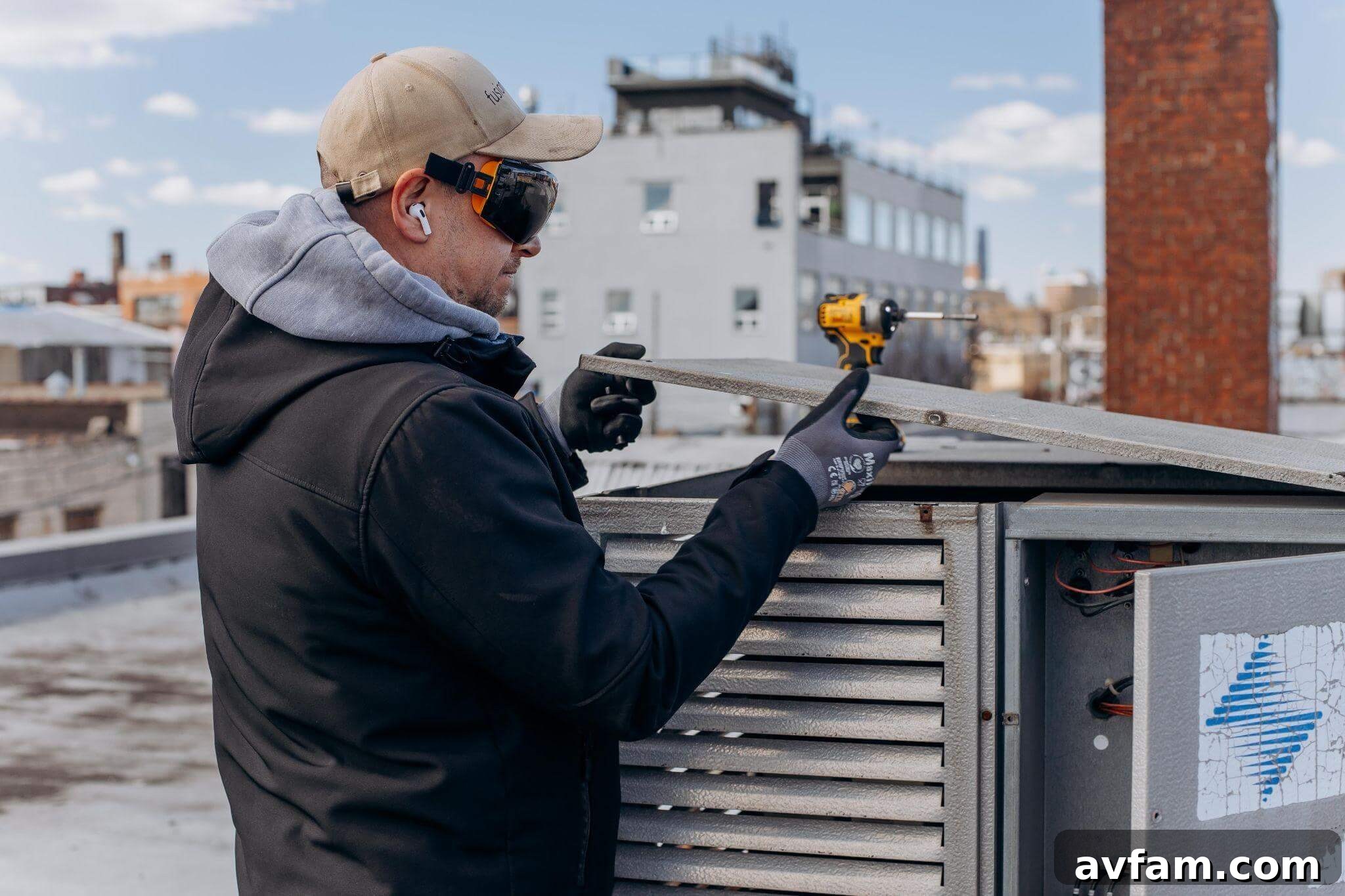
Preparing your property for summer with timely HVAC maintenance improves efficiency, reduces unexpected problems, and extends equipment life. Key actions include changing filters, inspecting window units, verifying warranties, and scheduling professional service. Whether for a home, office, or restaurant, working with an experienced HVAC provider such as Fusion Repair HVAC can help ensure reliable comfort throughout the hot season.
Have you prepared your property for summer? Share your maintenance tips or experiences in the comments below.