

A concrete patio can significantly enhance your home’s appeal by creating useful outdoor living space. Whether you want a spot for entertaining, al fresco dining, or a quiet place to relax, the longevity and performance of that area depend largely on the quality of the slab beneath it.
Most homeowners spend time choosing the right concrete mix, but the reinforcement used in the slab is just as important. Proper reinforcement helps the slab handle ground movement, reduces the likelihood of serious cracking, and gives the patio the strength it needs for everyday use and heavier items like outdoor furniture or planters.
Before mixing concrete or scheduling a delivery, take a few moments to decide which reinforcement suits your project and how to install it correctly. This guide explains the main options and offers practical tips for a durable patio.
Why Does a Concrete Patio Need Reinforcement?
Concrete is very strong in compression but much weaker in tension. As the slab cures and the ground settles, expands, or contracts with temperature and moisture changes, tensile stresses can develop. Without reinforcement to resist those forces, the slab is likely to develop cracks that may grow over time.
Reinforcement provides an internal framework that helps the slab accommodate small movements and limits the width of any cracks that form. This protection is especially useful for patios that see regular foot traffic or support heavy items such as grills, outdoor kitchens, or hot tubs.
For residential projects, using quality materials manufactured specifically for concrete reinforcement is important. Rectangular welded mesh, for example, is a common choice because it is designed to sit within the slab and provide consistent support across the area.
What Are the Different Types of Concrete Reinforcement?
Several reinforcement options are available, each suited to different applications. Understanding the differences will help you choose the best approach for your patio.
1. Reinforcement mesh
Reinforcement mesh is made from welded steel wires arranged in a grid. It is popular for residential slabs because it is straightforward to install and provides even coverage. For most standard patios, mesh offers a practical balance of strength, cost, and ease of use.
2. Steel reinforcing bars (rebar)
Rebar is used in structural elements like footings, retaining walls, and suspended slabs because it provides high tensile strength. However, rebar installation generally requires more planning, labour, and design consideration. For a typical backyard patio, rebar is often unnecessary unless the engineering design specifies it.
3. Fibre reinforcement
Some concrete mixes include synthetic or steel fibres to control shrinkage cracks during curing. While fibres help limit early cracking, they usually supplement rather than replace steel reinforcement. In many residential applications, fibres are used alongside mesh to improve crack control and durability.
Which option is best for most DIY patios?
For most homeowners pouring a standard patio, welded reinforcement mesh is the best choice. It strikes a good balance between strength, simplicity, and cost, and it can be installed with less specialised labour than rebar systems.
How Do You Choose the Right Reinforcement for Your Patio?
Every patio project is different, so select reinforcement based on the slab size, intended use, and site conditions.
Start by considering the overall area: larger slabs are more prone to movement and benefit from consistent reinforcement. Next, think about what the patio will support. Dining sets, built-in kitchens, spa equipment, and heavy barbecues place higher loads on the concrete than simple seating areas, so choose reinforcement accordingly.
Ground preparation is also critical. A well-compacted base of road base or crushed rock reduces movement under the slab and helps the reinforcement do its job. Slab thickness should match expected use—many residential patios are poured at about 100 mm thick, but heavier loads may require a thicker section.
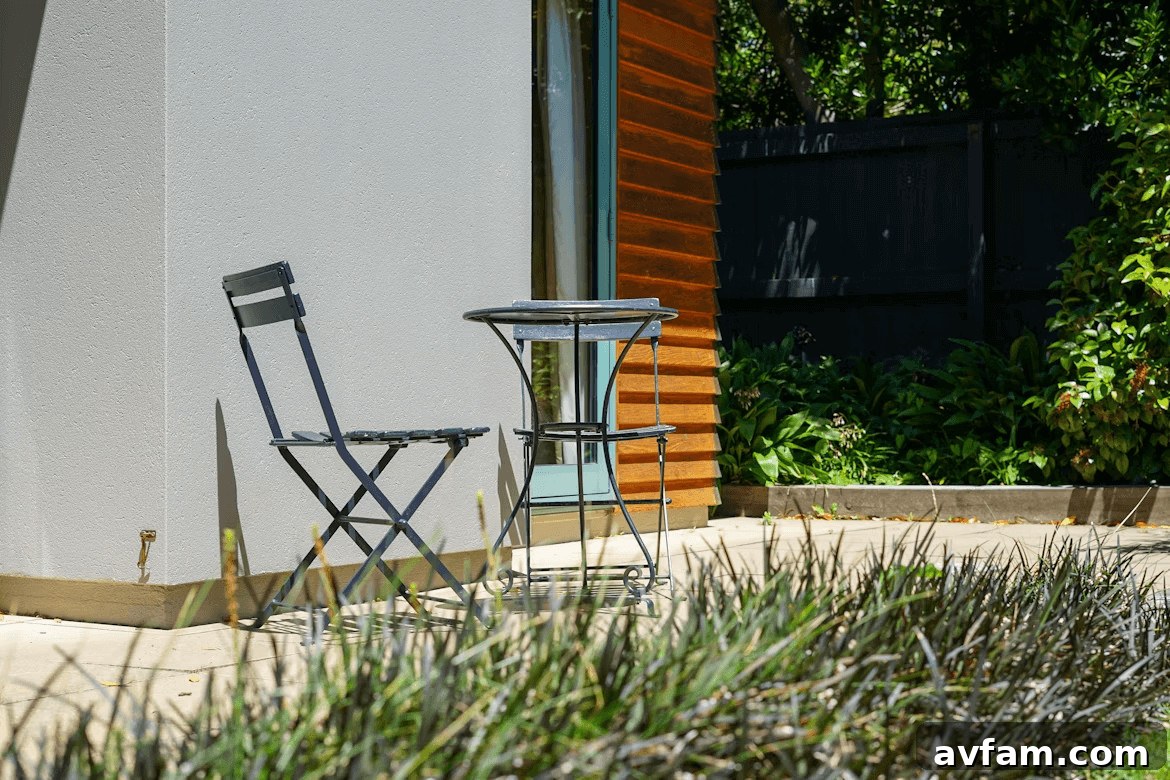
Finally, check local building regulations before starting work. Some projects require specific reinforcement details or engineering certification depending on size and location.
How Should Reinforcement Be Installed Before Pouring Concrete?
Correct installation of reinforcement is as important as choosing the right product.
Begin by preparing a stable, level sub-base using compacted road base or crushed rock. Position the reinforcement so it is embedded within the slab rather than sitting on the ground. Plastic or concrete bar chairs are used to lift mesh and rebars off the base, ensuring the reinforcement remains in the centre of the slab after the pour.
When multiple mesh sheets are needed, overlap them according to manufacturer recommendations to create continuous reinforcement. During the pour, avoid stepping on the mesh whenever possible—pushing reinforcement down onto the base prevents it from performing effectively inside the slab.
How Can You Help Your Concrete Patio Last Longer?
After the slab is poured, proper curing and maintenance are essential for longevity.

Concrete gains strength over weeks after placement, so preventing it from drying too quickly will reduce shrinkage cracks. Depending on conditions, use a curing compound or keep the surface damp for the recommended curing period. Good drainage around the patio is also vital; standing water or erosion of supporting soil can undermine the slab over time.
Consider applying a high-quality sealer to protect the surface from stains, moisture, and weathering, especially in climates with intense sun or frequent rain. Regular inspections will help you spot small cracks or early signs of movement—addressing minor issues early reduces the risk of more costly repairs later.
With the right reinforcement, careful installation, and ongoing care, your concrete patio can remain attractive and functional for many years.