
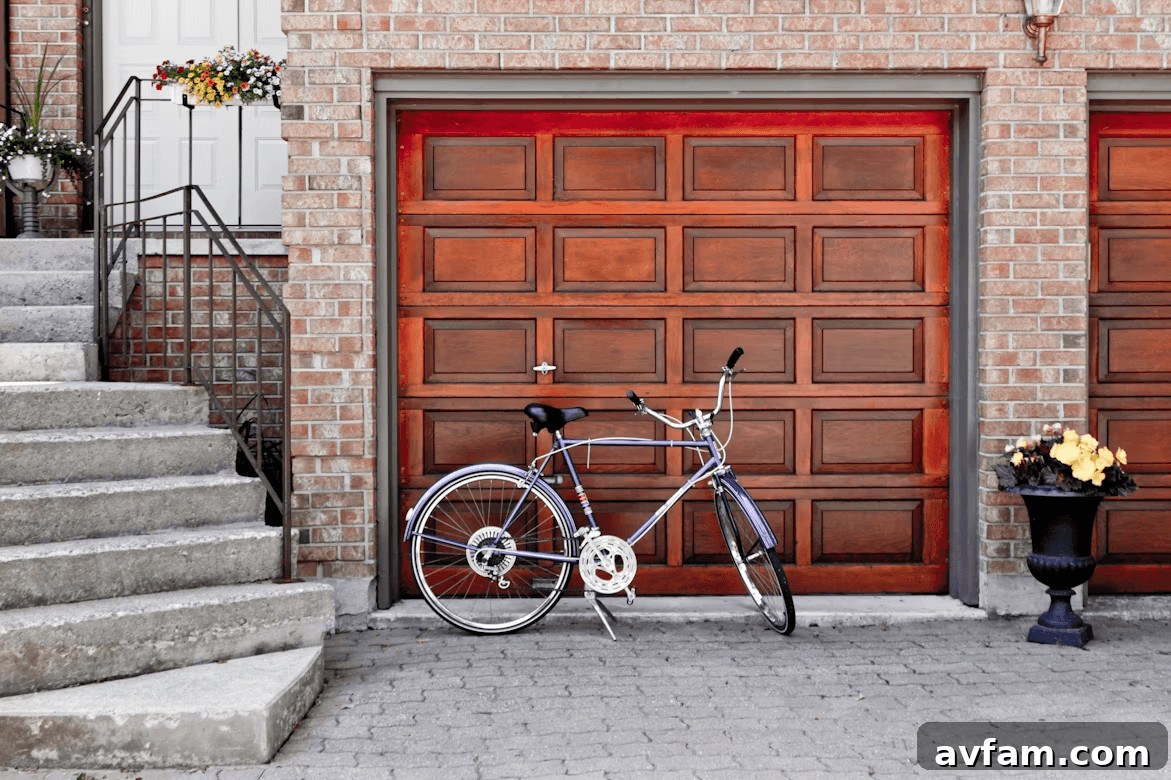
If you’ve shopped for a new garage door recently, you’ve likely noticed one style everywhere: the sectional garage door. Walk down almost any residential street and you’ll see horizontal panels stacked above one another that roll up and back along the ceiling instead of swinging outward into the driveway.
This design has become the default choice for new construction and replacements because it solves practical problems older door styles never fully addressed, while still offering plenty of design flexibility. Below are the key reasons homeowners and builders prefer sectional garage doors and a few trade-offs to consider before you buy.
It Saves Space Where You Need It Most
One-piece and swing-out doors need clear space in front of the garage to open. That clearance limits where you can park and reduces usable driveway and entry area. Sectional doors eliminate that requirement: because they travel vertically and then horizontally along the ceiling, you can park closer to the door and still open it without obstruction.
This space-saving advantage is especially valuable for homes with short driveways, attached garages, or tight lots where every square foot matters. For households that need to maximize driveway parking, add a workbench, or use the garage for storage, a sectional door preserves functionality without compromise.
It’s Built From Repairable, Replaceable Parts
Sectional doors are constructed from multiple horizontal panels joined by hinges, with rollers running in vertical and horizontal tracks. This segmented construction makes repair simpler and less expensive in many cases. If a panel is dented by a stray ball or bumped by a vehicle, a single section can often be replaced rather than the entire door assembly.
Compare that to a single-panel door: damage to any part of the surface usually requires replacing the whole unit, which can be costly over the life of the door. The modular nature of sectional doors reduces long-term repair costs and allows targeted maintenance.
It Offers Real Insulation and Noise Control
Insulation is often more important than homeowners expect, particularly when the garage is attached to living space. Sectional doors are commonly available with multiple layers of insulation bonded between steel or composite skins. These insulated sections help regulate garage temperatures, reduce heat transfer into adjacent rooms, and lower noise transmission.
If your garage sits beneath a bedroom, beside a home office, or is used for hobbies and tools, choosing an insulated sectional door can noticeably improve comfort and energy efficiency in the connected areas of your house.
It Comes in Almost Any Style You Want
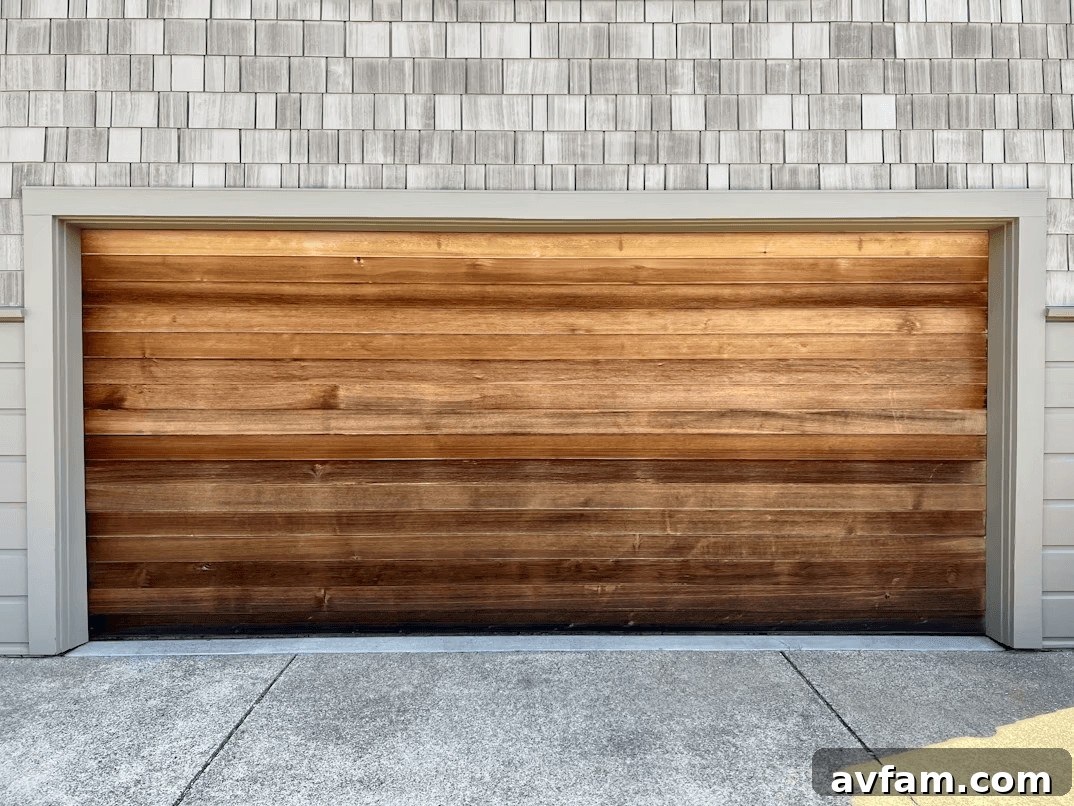
Flexibility in design is a major reason sectional doors remain popular as aesthetics evolve. They’re offered in classic raised-panel looks, carriage-house styles with decorative hardware, and contemporary full-view models featuring glass and aluminum framing. Current trends lean toward darker, more contemporary finishes—matte black, charcoal, and deep wood-grain tones paired with minimal, clean hardware.
The panel-based construction gives designers more surface area to work with, making it easier to achieve a specific look—traditional, rustic, or modern—without sacrificing the functional benefits of a sectional system.
The Trade-Offs Worth Knowing
Sectional doors have more moving parts—hinges, rollers, tracks, and springs—so they generally require a bit more routine maintenance than simpler single-panel doors. That maintenance is usually straightforward: occasional lubrication, spring and balance checks, and periodic track alignment. Sectional doors can also cost more upfront due to components and insulation options.
Ceiling clearance is another consideration. You need enough headroom to accommodate the horizontal tracks and the stacked panels. Low-clearance garages or those with obstructions like ductwork near the header may need special low-headroom hardware or alternate door styles.
Despite these trade-offs, for most homeowners the benefits—space efficiency, repairability, insulation, and style versatility—outweigh the downsides, making sectional doors the practical choice in many settings.
Getting It Right
If you’re replacing an old door or finishing new construction, consider a sectional garage door as a practical, attractive option. Installation details matter: panel gauge, spring sizing and balance, track alignment, and insulation R-value all influence how the door will perform over the next 15 to 20 years.
Working with an experienced installer who assesses ceiling height, local climate exposure, and how the garage will be used helps ensure you choose the right configuration. A professional consultation can confirm whether a sectional door fits your situation and recommend the best options for durability, energy efficiency, and curb appeal.