
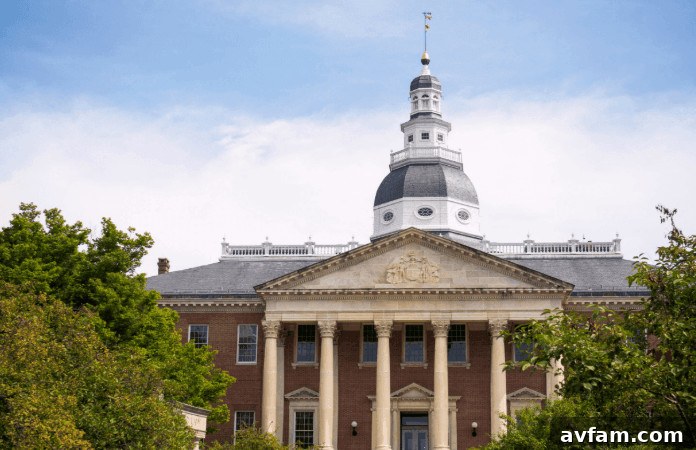
If you live in Annapolis or visit frequently, you’ve probably noticed that some parts of the city show their age. The signs are clear: older infrastructure, streets that flood after heavy rain, and waterfront areas under increasing strain from rising water.
Every storm seems to overwhelm City Dock, and several popular parking areas flood so often locals avoid them. At the same time, planning meetings recur each year about redesigning streets or redeveloping waterfront parcels. The consistent theme is the same: rising water levels and aging infrastructure are pushing change.
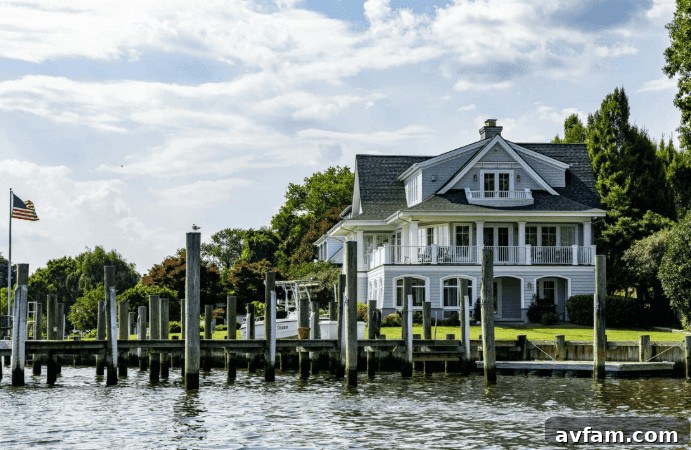
Which Parts of Annapolis Are Likely to Change (Soon)
Annapolis remains a beautiful and historic city, and much of it will continue to look familiar. Yet some neighborhoods and waterfront zones are already showing stress from flooding and wear. Over the next decade, expect targeted projects that focus on resilience and public safety while aiming to preserve the city’s character.
City Dock
City Dock is the most obvious priority. It floods easily and often, which creates real hardship for businesses and visitors. The good news is planning work is underway to improve drainage and add raised walkways to keep pedestrians above flood levels. Proposals have also included discreet flood barriers and landscaping that respect the historic setting.
These interventions should make City Dock safer and drier without stripping away its charm. Improvements will likely be phased to limit disruption to the many shops and restaurants that depend on waterfront activity.
Ego Alley
Ego Alley, famed for boat parades and crowded waterfront dining, faces strong saltwater exposure that accelerates wear on docks and walkways. Over the coming decade, substantial upgrades to marina infrastructure are likely, including reinforced decking, improved lighting, and expanded seating and viewing areas.
Modern reinforcement techniques—such as shotcrete (spray-applied concrete) for retaining walls and shoreline repairs—are commonly used for waterfront projects because they allow strengthening of hard-to-reach areas without full demolition. That approach helps protect structures from saltwater corrosion while minimizing long, disruptive construction timelines.
Eastport Waterfront
Eastport has long been known as the working-class side of town, with a gritty, authentic waterfront. Rising property values and worsening flooding are driving renovations and home elevations. More owners are investing to make buildings flood-resistant, which improves safety but can also reduce public access to the shoreline.
As private properties are fortified or redeveloped, some open waterfront areas may become less accessible. Eastport will retain its identity, but you can expect more shoreline construction and fewer wide-open public stretches in places where property owners choose to protect their investments.
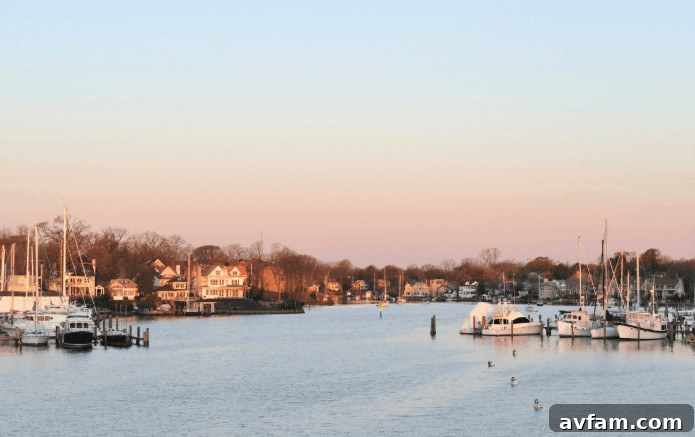
Spa Creek
Spa Creek’s shape can trap and slow water, which increases the frequency and severity of local flooding. Streets and driveways that were once dry now flood regularly after storms. Over the next ten years, expect shoreline stabilization work, improved drainage systems, and potentially raised or replaced small bridges to reduce flood impacts.
Upgrading kayak launches, bulkheads, and other shoreline features will be part of efforts to protect the community, but those projects must be managed carefully to avoid damage to nearby homes and sensitive habitats. Spa Creek’s coming decade will be a test of whether coordinated investments can halt escalation of flood damage.
Conclusion
What will Annapolis look like in ten years? The city will still be Annapolis: historic buildings, narrow streets, and waterfront charm will remain. But you’ll also see practical changes focused on safety and resilience—better drainage, higher walkways, reinforced shorelines, and more durable dock and marina infrastructure.
Overall, expect a balance of preservation and adaptation. The city’s character will be preserved even as infrastructure receives the upgrades needed to cope with rising water and aging systems. In short, Annapolis will stay recognizable and beloved, but it will be better equipped for the challenges ahead.