
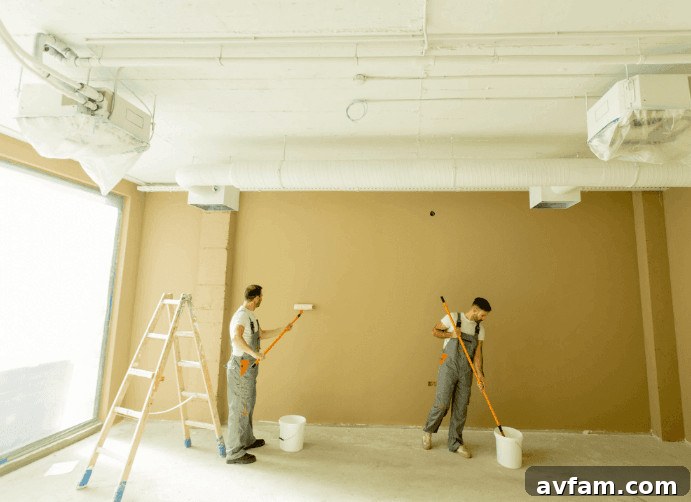
Commercial properties face challenges that residential spaces rarely do: they must preserve a professional appearance under heavy daily use while controlling renovation costs and minimizing operational disruption. Full replacement of fixtures, surfaces, and flooring is often costly, time-consuming, and unnecessary.
More facility managers and commercial property owners are choosing surface restoration as a cost-management strategy. When done professionally, restoration frequently delivers results that meet or exceed those of full replacement while dramatically lowering expense and downtime.
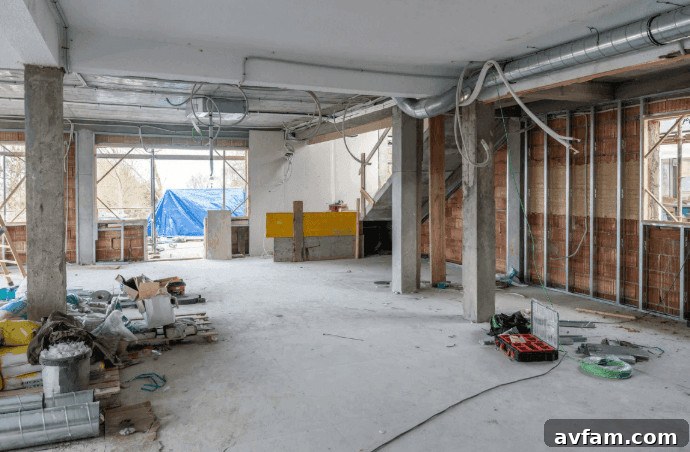
The Cost Gap Between Restoration and Replacement
The financial case for commercial surface restoration is strong. In many situations, professional refinishing costs 75–85% less than replacing the same fixture or surface. When this saving is multiplied across numerous units, rooms, or high-use surfaces in a commercial building, the cumulative effect on the budget can be substantial.
There are indirect savings as well. Replacement projects typically require demolition, disposal, procurement, and longer installation windows that put spaces out of service. By contrast, refinishing is usually completed in hours rather than days, reducing downtime for tenants, guests, and staff.
What Commercial Refinishing Covers
Commercial refinishing addresses the surfaces that suffer the most visible wear in business settings: bathtubs and shower surrounds in hotels and multifamily housing, countertops and vanities in offices and hospitality areas, tile in commercial kitchens and restrooms, and flooring in busy corridors.
Each job involves careful surface preparation, application of durable commercial-grade coating systems, and a quality-control inspection. Products used for commercial refinishing are formulated to resist cleaning chemicals, high traffic, and the maintenance demands typical of commercial environments.
Multifamily and Hospitality Applications
In multifamily housing—apartments, student housing, and extended-stay facilities—unit turnover creates a steady need for surface restoration. Refinishing tubs, countertops, and tiled areas between tenants allows owners to maintain unit quality without incurring the high per-unit costs of replacement.
Hospitality properties face similar pressures. Hotel fixtures see heavy daily use and must look impeccable for each guest. Incorporating refinishing into routine renovation cycles keeps rooms bright and clean while avoiding the capital expense and logistics of replacing fixtures.
Planning for Minimal Operational Disruption
A major advantage of refinishing is scheduling flexibility. Work can be phased—unit by unit or section by section—so operations continue with limited interruption. This phased approach makes it simpler to coordinate around business hours and peak occupancy.
Communicating schedules with facility management and notifying tenants or guests is straightforward when each space requires hours instead of days. That predictability allows refinishing to fit neatly into an existing maintenance calendar with minimal impact on operations.
Long-Term Maintenance Considerations
Refinishing delivers the best long-term value when paired with appropriate maintenance. Staff should be trained to use non-abrasive cleaners and approved products on refinished surfaces. Regular inspections will catch chips, scuffs, or wear early so touch-ups can prevent larger repairs.
Implementing a preventive maintenance schedule—rather than waiting for surfaces to deteriorate—extends the life of each refinish, spreads maintenance costs more predictably, and reduces the need for full retreatment.
Wrapping Up
Surface restoration is a practical strategy for commercial property owners who want to preserve quality without shouldering the full cost of replacement. It offers significant savings, minimal disruption, and durable results when combined with proper application and regular upkeep. For properties with aging surfaces, refinishing is a sensible, cost-effective component of a comprehensive facility management plan.
Frequently Asked Questions
Is commercial refinishing durable enough for heavy-use environments?
Yes. Commercial refinishing uses higher-grade coating systems than typical residential products and is designed to withstand the cleaning chemicals and traffic levels found in commercial settings. Durability depends on thorough surface preparation, proper application, and consistent maintenance.
How quickly can refinished surfaces be put back into use?
Most commercial refinishing systems require around 24 hours of cure time before normal use, though some fast-cure products can be ready sooner. Exact timelines vary by product and application, so confirm curing requirements with the contractor before scheduling use.