
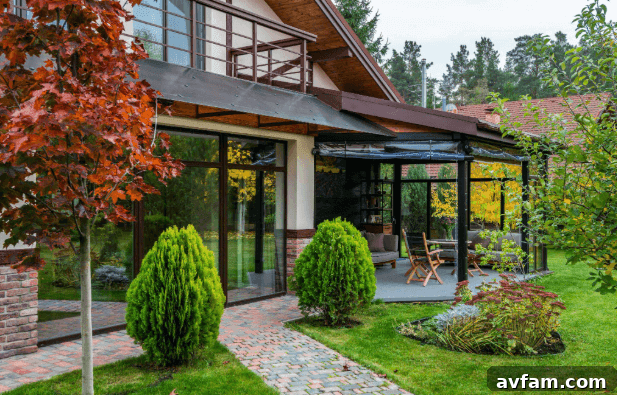
Turning your backyard into a relaxing retreat with a new patio is an exciting project from the first idea. Whether you imagine a place to host summer gatherings, a quiet spot for morning coffee, or an improvement that increases your home’s resale value, thoughtful planning makes the difference between a space you love and one that causes headaches.
Before you start tearing up the lawn, consider a few key factors so the project actually goes the way you hope. Addressing purpose, budget, site preparation, materials, permits, privacy, utilities, and contractors up front will keep the process smoother and the results lasting.
Decide Purpose and Design First
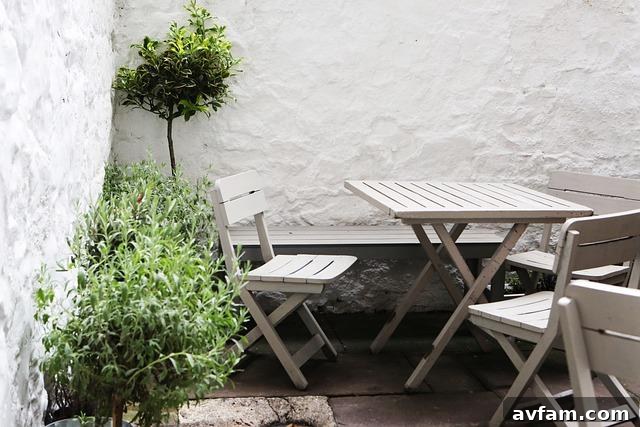
The first step is deciding how you’ll use the patio. Will it be a dining area for hosting, a lounging space, an outdoor kitchen and grill zone, or a combination? Your intended use drives the size, shape, layout, and material choices. A patio built for a dozen dinner guests needs far more space and infrastructure than a cozy corner for two.
Be realistic about your regular habits rather than designing for occasional aspirations. Honest planning prevents overspending on unused features and helps create a space that fits your lifestyle.
Set a Realistic Budget
Patio costs vary widely depending on materials, complexity, and whether you hire professionals. Establish a budget that accounts for every phase: excavation and grading, base and foundation work, surface materials, and finishing touches such as lighting, planters, furniture, or a pergola.
Include a contingency for surprises—hidden roots, unexpected drainage issues, or delivery delays—and consider which tasks you can reasonably DIY versus those that require a pro. Planning for contingencies upfront reduces stress and keeps the project on track.
Assess the Landscape and Site Preparation
Evaluate your yard before construction begins. A long-lasting patio needs a stable, level base and proper drainage to prevent settling, cracking, or puddling. What looks like a simple flat lawn may hide grading, compacting, or soil-replacement needs.
Sloped yards offer interesting design options—terraced levels, built-in steps, or an elevated platform can add character—but they also require more extensive site work. If leveling, rock removal, or major grading is necessary, consider hiring an experienced hardscaping contractor to ensure a durable foundation.
Choose Materials Carefully
Your material choice defines the patio’s appearance, durability, and maintenance needs. Common options include concrete, pavers, natural stone, and brick. Each has pros and cons:
- Natural stone: warm and organic with a timeless feel, but typically requires more upkeep.
- Concrete: cost-effective and versatile, can be finished or stamped for different looks.
- Pavers: offer design flexibility, easy repairs, and a range of styles and colors.
- Brick: classic and durable, with a distinct, cozy aesthetic.
Match the material to your design goals, climate, and maintenance tolerance to get the best long-term result.
Check Local Codes and Permits
Before breaking ground, check local building codes and permit requirements. Regulations can dictate setbacks from property lines, maximum sizes, approved materials, and whether inspections are required. A quick call to your municipality or a permit lookup can prevent fines, work stoppages, or having to redo noncompliant work.
Getting permits right at the start also keeps utility installations and structural elements up to code, which is important for safety and future resale.
Plan for Privacy and Shade
Privacy and shade are major comfort factors. If neighbors are close, plan fencing, trellises, or evergreen plantings to create screening—living barriers take time to mature but offer a softer, greener solution. For shade, consider incorporating a pergola, awning, shade sail, or mature trees into the initial design so they integrate seamlessly rather than looking like afterthoughts.
Designing privacy and shade early improves usability during sunny afternoons and makes the patio more enjoyable year-round.
Include Lighting and Utilities
Thoughtful lighting extends usable hours and enhances ambiance. Plan for functional and accent lighting—string lights, path lights, recessed stair lights, and uplighting for plants or walls all contribute to a polished look. If you plan to add a fire pit, outdoor kitchen, or water feature, plan electrical and water lines during initial construction. Running utilities during construction is far easier and less costly than retrofitting them later.
Electrical and plumbing work should meet local code and typically require licensed professionals for safety and inspection compliance.
Hire the Right People
DIY work can be rewarding, but major patio elements—drainage, heavy materials, foundations, and utility hookups—are best handled by experienced professionals. Look for contractors who specialize in patios and hardscaping and who can provide references and a clear scope of work.
Skilled contractors will guide material selection, site prep, and installation details, ensuring the patio remains structurally sound and attractive for years. The investment in experienced builders often makes the difference between a patio that lasts and one that needs repairs or replacement sooner than expected.
Thoughtful planning, realistic budgeting, appropriate materials, and the right help will turn your patio idea into an outdoor space you use and enjoy for seasons to come.