
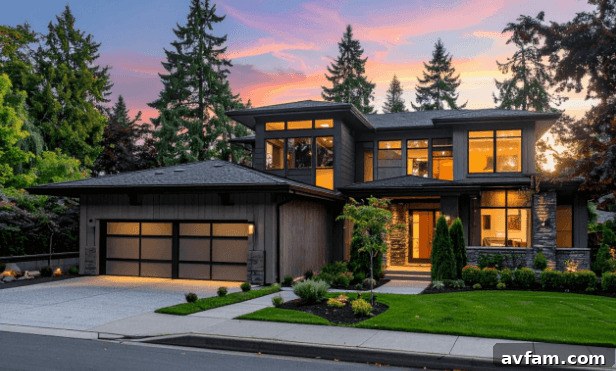
Every homeowner eventually reaches a point where their property’s exterior no longer reflects the vibrancy and appeal it once held. While the fundamental structure remains solid, the overall aesthetic can begin to appear dated, weathered, or simply tired after years of relentless exposure to the elements. It’s a common scenario: interior renovations often take precedence, yet the outside of the home silently endures the impact of sun, rain, wind, and time, slowly diminishing its curb appeal.
The encouraging news is that revitalizing your home’s exterior doesn’t always necessitate a large-scale, costly renovation. In fact, a thoughtfully executed series of targeted updates can achieve remarkable results. These improvements can restore visual balance, significantly boost curb appeal, and instill a renewed sense of purpose and care for your property, making it stand out positively from the street.
This comprehensive guide delves into the most impactful exterior elements, exploring how each component contributes to a more polished, harmonious, and inviting facade. We’ll uncover strategies to transform your home’s outward appearance, enhance its value, and create a lasting impression, whether you’re planning a full overhaul or a few strategic touch-ups.
Image Source
Starting with Impact: The Power of Small Exterior Details
Transforming a home’s exterior seldom begins with sprawling, expensive renovations. More often than not, the journey towards a refreshed facade commences with smaller, more manageable changes that dramatically improve how a house presents itself. Think about simple yet effective updates like a fresh coat of paint on the trim, the replacement of a worn-out front door, or swapping an outdated porch light for a modern, inviting fixture. These seemingly minor adjustments lay the groundwork for a more significant visual shift, offering immediate gratification and setting a positive tone for future projects.
These subtle enhancements are effective because they adeptly reset the home’s visual balance. A vibrant, clean front door color can instantly draw attention to the main entrance, creating a welcoming focal point. Upgraded exterior lighting not only illuminates pathways but also sharpens the architectural lines of your porch and entryway at night, enhancing safety and aesthetic appeal. Even the simple act of replacing faded or broken shutters can inject a renewed sense of intentional design and structural integrity into the entire building. These small touches breathe new life into the surface, correcting minor imperfections and making the property feel well-cared for.
However, the impact of small improvements, while significant, does have its limitations. They excel at freshening the superficial appearance, but if the core exterior materials – such as siding, windows, or roofing – have significantly aged or deteriorated, the house may still exude an underlying sense of wear. This is typically the juncture when homeowners begin to explore larger, more foundational elements that profoundly influence how their home is perceived from the street. Recognizing this natural progression helps homeowners prioritize and plan their exterior projects effectively, ensuring long-term satisfaction and a truly revitalized property.
The Unmatched Visual Impact of Siding Replacement
Siding is arguably the most dominant visual component of any home’s exterior, covering an expansive surface area that far surpasses other elements. This extensive coverage explains why changes to siding can so dramatically alter a home’s entire appearance. Even nuanced variations in color, texture, or material can fundamentally shift how a house settles into its landscape, influencing everything from its perceived size to its overall architectural style. It acts as the primary canvas for your home, defining its character and presenting its first impression.
Over time, older siding inevitably succumbs to the relentless assault of weather, leading to uneven fading, cracking, or warping. One side of the house might appear significantly darker due to less sun exposure, while another may exhibit pronounced wear and tear from years of direct sunlight and torrential rain. This inconsistent aging subtly but powerfully erodes the home’s crispness and uniformity, making it appear less maintained and aesthetically cohesive. Beyond aesthetics, compromised siding can also lead to issues like moisture penetration and reduced insulation, affecting both comfort and energy efficiency.
When homeowners recognize these signs of aging, they often seek consultation with a reputable siding contractor, marking the transition to more substantial exterior improvements. Modern siding materials offer exceptional durability, superior color retention, and crisper, cleaner lines along the panels, ensuring a lasting, vibrant finish. The difference new siding makes is immediately striking and profoundly noticeable from the curb. Walls appear straighter, shadows fall more uniformly, and the entire home exudes an intentional, well-defined presence. It’s an investment that pays dividends in both aesthetics and protection.
Many homeowners underestimate the transformative power of new siding until they witness the completed project. Suddenly, previously dull windows appear more sharply defined, original trim elements regain their prominence, and the surrounding landscaping seems to perfectly frame the house rather than struggle to compete with a tired facade. Beyond the visual upgrade, modern siding often offers enhanced insulation properties, leading to improved energy efficiency and lower utility bills. It’s an upgrade that not only elevates curb appeal but also contributes significantly to the home’s long-term protection and value, making it a cornerstone of any exterior revitalization plan.
Exterior Paint: The Unifying Element That Restores Vibrancy
Exterior paint is often the detail homeowners postpone addressing for the longest. Its deterioration is a gradual process, subtly fading year by year, making the change easy to overlook until the entire house begins to appear noticeably dull or washed out from the street. While the underlying siding might still be structurally sound and the trim intact, the vibrant depth of the original color diminishes, causing the whole structure to feel flatter and less inviting than it once was. This slow decline can significantly detract from the home’s overall curb appeal and perceived value, silently eroding its visual charm.
A fresh, expertly applied coat of exterior paint can quietly yet profoundly resolve this widespread problem. With new paint, colors regain their original richness and contrast, trim lines sharpen with crisp precision, and the architectural details that define your home become instantly more prominent and enjoyable to observe. Even a subtle shift in shade can dramatically alter how the house interacts with its natural surroundings, enhancing its integration with the landscape and creating a more cohesive look. It’s a relatively affordable update that yields disproportionately large aesthetic rewards.
Some homeowners prefer to simply refresh their existing color palette, preserving the familiar charm of their property. Others seize the opportunity to subtly adjust the tone, perhaps to better harmonize with newer roofing, updated landscaping, or even changing neighborhood aesthetics. Regardless of the choice, the impact of a professional exterior paint job typically surpasses initial expectations once the work is complete. The renewed vibrancy not only boosts curb appeal but also provides an essential protective layer against moisture, UV rays, and environmental wear, extending the life of your home’s underlying materials. This transformation creates a powerful sense of renewal, making the property feel carefully maintained and cherished.
Choosing the right type of paint is also crucial. High-quality exterior paints offer superior durability, better adhesion, and resistance to fading, cracking, and peeling, ensuring your home looks its best for years to come. Considerations such as sheen level – from matte to semi-gloss – can also influence how light interacts with your home’s facade, highlighting different architectural features. A well-chosen and professionally applied paint job is more than just a cosmetic upgrade; it’s a vital protective barrier and a significant contributor to your home’s lasting beauty and value.
Windows That Redefine Exterior Balance and Functionality
Windows are another critical exterior element that subtly yet significantly reshapes the overall look and feel of a home. Over time, older window frames can succumb to the effects of weather and age, often yellowing, warping slightly, or accumulating layers of old paint that obscure their original, clean lines. Beyond aesthetics, failing windows can also lead to drafts, energy loss, and compromised security, affecting the comfort and safety of your indoor environment. Recognizing these signs is crucial for both aesthetic and practical reasons.
Replacing outdated windows offers far more than just improved energy efficiency; it profoundly restores symmetry and architectural integrity to your home’s facade. New, clean frames bring a sense of order and precision back to the front of the house, especially if the old windows had started to sag, separate from the trim, or show signs of deterioration. Modern windows come in a vast array of styles and materials, allowing homeowners to select options that perfectly complement their home’s architectural style, from classic double-hung to contemporary casement windows. This ensures that the aesthetic upgrade is both functional and visually appealing.
There’s also a remarkable lighting effect that many people don’t fully appreciate until new windows are installed. Modern, high-performance windows are designed to reflect and transmit daylight differently. The cleaner glass sits perfectly within the frame, allowing more natural light to penetrate the interior while also giving the exterior a brighter, more polished appearance during the day. In the evening, this improved clarity can create a warmer, more inviting glow from within, subtly enhancing the home’s nighttime curb appeal. It’s a seemingly minor change, yet one that significantly influences how the entire structure is perceived and experienced from the street, impacting both its visual charm and perceived value. Furthermore, new windows can dramatically improve sound insulation, creating a quieter, more peaceful indoor environment.
Rooflines: The Essential Frame for Your Entire Home
While the primary function of a roof is undeniable protection from the elements, its visual role as the definitive frame for the entire house is often underestimated. A roof with visibly worn, curling, or missing shingles, or one exhibiting uneven coloration and moss growth, can instantly make the entire structure appear significantly older and more neglected than it actually is. It’s the crowning glory of your home, and its condition profoundly influences the property’s overall presentation and perceived value. Ignoring its aesthetic contribution means missing a significant opportunity for exterior enhancement.
Investing in new roofing materials often brings a dramatic restoration of the contrast between the roofline and the walls below. The choice of roofing material and color plays a pivotal role in this transformation. Darker shingles, for instance, can visually anchor the house, imparting a sense of stability and classic elegance. Conversely, lighter tones can create a softer, more expansive look that blends seamlessly with diverse landscaping styles, making the home feel larger and more integrated with its surroundings. Modern roofing also offers superior durability, energy efficiency, and a wider range of styles, from traditional asphalt shingles to sleek metal or elegant tile options.
Beyond color and material, the structural definition of the roof also becomes remarkably clearer after replacement. Ridge lines appear sharper and more pronounced, and the overall edges of the home look more structured and intentional. While roof replacement may not be the flashiest exterior project, its contribution to the building’s visual order and architectural coherence is surprisingly profound. It significantly enhances curb appeal, provides superior protection against weather, and can even contribute to improved attic ventilation and energy efficiency. A well-maintained and aesthetically pleasing roof is an investment that bolsters both the beauty and the long-term integrity of your home, securing its place as a key player in any exterior update plan.
Landscaping: The Supporting Role in Exterior Enhancement
Exterior updates extend far beyond the structural confines of the house itself. Landscaping plays a crucial, yet frequently overlooked, supporting role during renovation planning. The surrounding greenery and hardscaping elements are vital for framing the home and enhancing its curb appeal. Overgrown shrubs, for instance, can obscure beautiful architectural details, while large, unkempt trees might block valuable natural light from reaching the front of the house, creating a shadowed, uninviting facade. When these elements are strategically trimmed, pruned, or thoughtfully repositioned, the house itself becomes easier to see, appreciate, and admire.
Even simple landscaping improvements can make a significant difference. Fresh, neatly spread mulch, well-defined and tidy plant beds, and a meticulously maintained lawn work in harmony to frame the updated exterior, creating a cohesive and inviting look. The goal doesn’t always need to be a dramatic, elaborate garden design. In many cases, the primary objective is simply to grant the house adequate breathing room, allowing its architectural features to shine without being overshadowed by unruly vegetation. Thoughtful landscaping guides the eye, enhances pathways, and complements the home’s aesthetic, making the entire property feel more welcoming and integrated.
Consider integrating elements like strategically placed pathways, inviting stepping stones, or subtle low-voltage lighting to highlight key features and extend the appeal of your home into the evening hours. The right balance of softscaping (plants, trees, shrubs) and hardscaping (patios, walkways, retaining walls) can create distinct zones and add texture and interest to your outdoor spaces. Moreover, selecting native plants or low-maintenance varieties can significantly reduce the time and effort required for upkeep, ensuring your landscaping remains beautiful without becoming a burden. Ultimately, landscaping should act as an extension of your home’s design, enhancing its natural beauty and maximizing its overall impact.
Project Planning Checklist: Strategic Exterior Updates for Maximum Impact
Before embarking on any exterior home improvement project, taking a deliberate step back for intentional planning is crucial. This proactive approach helps in prioritizing updates, managing resources efficiently, and ensuring your project remains focused on delivering the most impactful results. Use this comprehensive checklist to guide your decisions and optimize your home’s transformation, ensuring every effort contributes to a cohesive and stunning outcome.
- Assess Your Property from the Street (and Beyond):
Dedicate ample time to observe your home from various angles, including across the street, from your driveway, and even from your neighbor’s perspective. Actively look for faded materials, uneven colors, peeling paint, or any features that appear distinctly outdated. Consider taking photos to get an objective view and identify areas where attention is most needed. - Identify High-Impact Areas First:
Prioritize elements that command the most visual space and attention. This typically includes the siding, exterior paint, and roofing. Changes to these major components often yield the most dramatic and noticeable results, providing a strong foundation for other updates and significantly boosting curb appeal almost immediately. - Begin with Simple, Quick Upgrades:
Before diving into large-scale renovations, tackle small, impactful updates. Items like new exterior lighting fixtures, a fresh coat of paint on window trim or the front door, or upgraded house numbers can create immediate improvements. These quick wins can build momentum and provide a sense of accomplishment while you finalize plans for larger projects. - Thoroughly Check the Condition of Core Materials:
Perform a detailed inspection for signs of wear and tear on primary materials such as siding, windows, and roofing. Look for cracks, rot, warping, leaks, or significant discoloration. If these core materials are extensively aged, damaged, or uneven, it may be more cost-effective and beneficial in the long run to consider full replacement rather than temporary surface fixes. - Ensure Cohesive Alignment of Colors and Materials:
Carefully select a palette where your paint colors, roofing materials, siding, and trim work harmoniously together. A cohesive and well-coordinated selection of colors and textures helps the entire exterior feel intentionally designed, sophisticated, and unified, avoiding a patchwork appearance. Consider your home’s architectural style and surrounding environment. - Evaluate Exterior Lighting and Overall Visibility:
Assess how your home appears during both daylight hours and after dusk. Thoughtfully designed exterior lighting can dramatically highlight architectural features, improve safety and security, and create a warm, inviting ambiance. Consider accent lighting for landscaping, pathway lights, and strategically placed spotlights. - Integrate Landscaping Refreshment into Your Plan:
Don’t overlook the vital role of landscaping. Plan to trim overgrown bushes and trees, clear out cluttered planting areas, and refresh mulch beds. The goal is for your landscaping to support and enhance the home’s structure, allowing it to remain the central focal point, rather than competing for attention. - Establish a Realistic Timeline and Budget:
Develop a comprehensive budget and timeline for your projects. If necessary, plan your updates in phases to spread out costs and manage the workload. It’s often strategic to begin with the most visible and impactful improvements, gradually working towards larger upgrades over a defined period.
The Enduring Value of a Thoughtfully Maintained Exterior
Embarking on the journey of improving your home’s exterior is best approached as a methodical, step-by-step process rather than a singular, overwhelming project. Starting with smaller, more manageable updates can generate early momentum and visible progress, instilling confidence and enthusiasm. These initial successes pave the way for more significant transformations, such as replacing siding, windows, or roofing, which fundamentally redefine the home’s structure and aesthetic over time. Each improvement, no matter how minor or major, contributes to a grander vision of your property.
Every single change, from the vibrant hue of a newly painted front door to the robust integrity of a new roof, plays a crucial role in shaping how your home is perceived and experienced from the outside. When these various exterior elements are consistently maintained, thoughtfully updated, and chosen with intentional design in mind, the entire property begins to exude an undeniable sense of cohesion, meticulous care, and timeless appeal. This collective effort not only elevates the immediate aesthetic but also communicates a strong message of pride of ownership.
Ultimately, whether your renovation journey commences with simple, impactful details or progresses into more extensive structural upgrades, a dedicated focus on your home’s exterior is among the most effective strategies you can employ. It serves not only to enhance the immediate visual appearance and curb appeal but also significantly contributes to the long-term value and marketability of your property. An attractive, well-maintained exterior is an investment that consistently pays dividends, offering a beautiful welcome to residents and visitors alike, and securing your home’s enduring place as a cherished asset.