
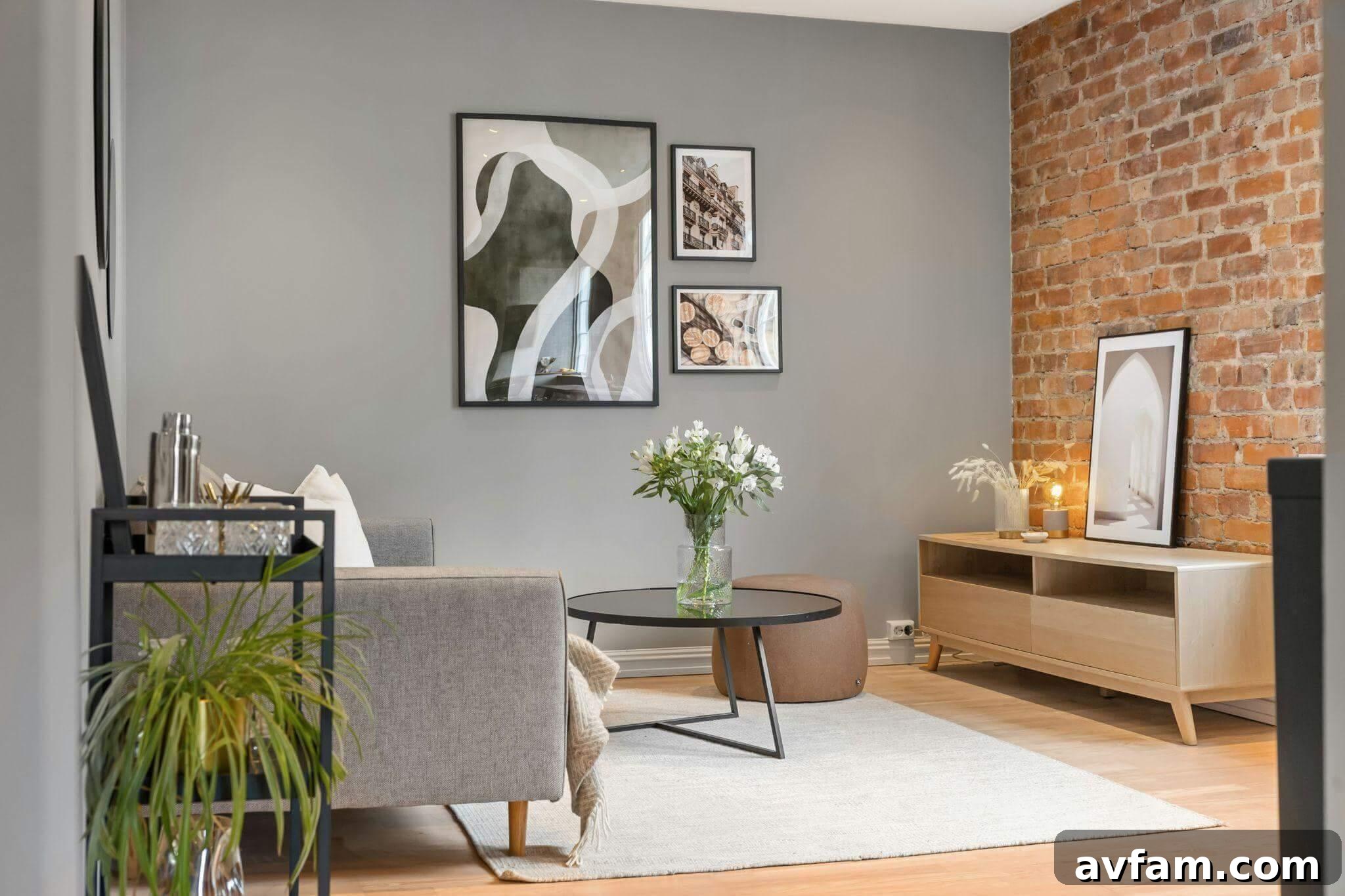
Home design has shifted significantly in recent years. With more time spent at home, expectations for interiors have evolved: aesthetics remain important, but comfort and functionality now carry equal weight. Modern homeowners expect spaces that accommodate remote work, family life, quiet relaxation, and entertaining—often all in the same room.
Furniture selection has changed accordingly. Rather than choosing pieces solely for style, people look for items that simplify everyday life, open up rooms visually, and foster a relaxed atmosphere. The focus is increasingly on longevity, versatility, and comfort rather than fleeting trends.
Multifunctional Furniture Is Everywhere
Flexible living has driven demand for multifunctional furniture—especially in smaller homes and apartments where space must serve multiple purposes. Tools such as 3D visualization help homeowners see how modular pieces, expandable dining tables, beds with integrated storage, fold-away desks, and configurable sofas will fit and function before they buy.
Remote work accelerated this trend. Without dedicated home offices, living rooms and bedrooms often double as workspaces during the day. Rather than crowding rooms with permanent extra furniture, people opt for adaptable pieces that switch between uses easily and maintain a clean, uncluttered look.
Contemporary multifunctional designs aim to combine practicality with streamlined aesthetics, avoiding bulky or purely utilitarian appearances.
Homes Are Feeling Softer and More Comfortable
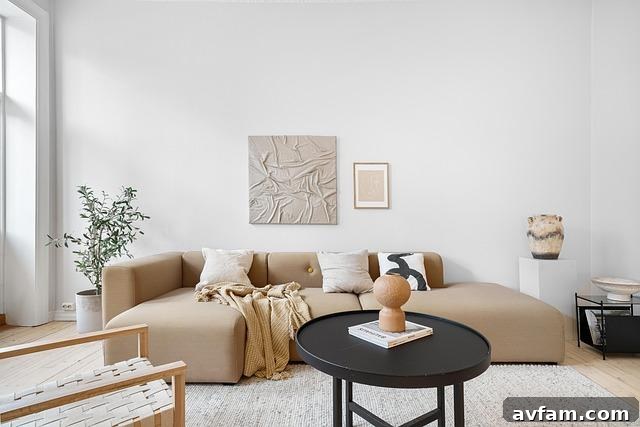
Minimalism remains influential, but its expression has softened. Where homes once felt stark and ultra-polished, many now favor warmer, more inviting interiors. Neutral palettes persist, yet they are balanced with warmer textures and natural materials—linen, wood finishes, soft lighting, and textured upholstery—to create spaces that welcome everyday life.
Curved furniture has also gained popularity. Rounded sofas, armless chairs, and circular coffee tables introduce a gentler visual flow that contributes to a calmer atmosphere. The emphasis has shifted from impressive, showroom-perfect rooms to environments that feel peaceful and lived-in.
Sustainable Design Is Becoming More Important
Sustainability has moved from niche to mainstream in furniture choices. Homeowners are increasingly interested in provenance, material quality, and durability. Reclaimed wood, recycled materials, organic textiles, and artisanal details are being chosen more frequently as people seek pieces that last and age gracefully.
Many buyers now prioritize timeless design over fast-fashion furniture, preferring items that adapt to changing tastes rather than being replaced every few years. This approach benefits the environment and yields interiors that feel more authentic and personal.
Smart Furniture Is Quietly Changing Interiors
Technology is integrated into home design with a preference for subtlety. Built-in charging ports, concealed electronics storage, adjustable lighting, and cable-management solutions are common features in contemporary furniture. These elements help keep interiors tidy and functional without drawing attention to the tech itself.
Home offices reflect this quieter tech integration through cleaner layouts and organized work areas. Planning tools and realistic renderings also play a role: many homeowners use 3D visualization services to preview scales, color palettes, and furniture arrangements, helping avoid costly mistakes before purchasing.
Personal Style Matters More Than Perfect Design
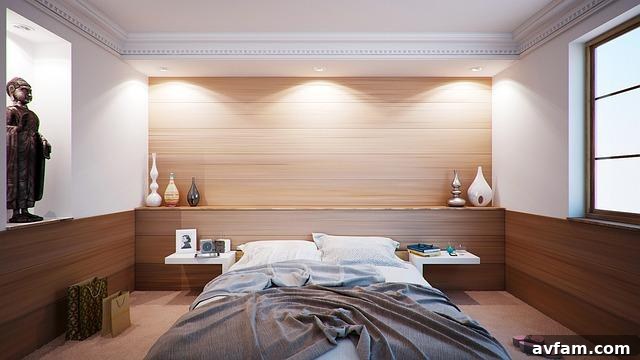
One notable change is the growing emphasis on personal expression. Flawlessly staged rooms have given way to interiors that reflect personalities and histories. Mixing contemporary pieces with vintage finds, handmade items, and meaningful objects creates spaces that feel curated over time rather than replicated from a catalog.
Comfort often outweighs strict adherence to design rules. Layered lighting, cozy fabrics, soft seating, and functional layouts are frequently prioritized to support daily life. The result is homes that feel more natural, comfortable, and inhabited.
Looking Ahead
Furniture trends will continue to evolve as lifestyles change, but current directions are clear: people want homes that are comfortable, adaptable, and personal. Instead of pursuing dramatic or short-lived trends, many homeowners are choosing thoughtful investments that improve everyday living.
Multifunctional furniture, sustainable materials, softer interiors, and subtle smart features all contribute to homes designed to support the people who live in them every day—rather than solely to impress visitors.