
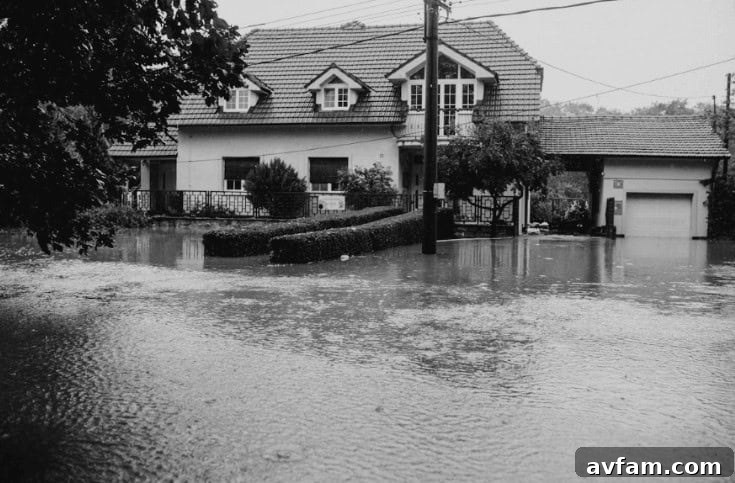
A flood can be one of the most devastating events a homeowner faces. The immediate aftermath demands an immediate and decisive response, as initial damage can rapidly escalate without the correct water damage restoration protocol in place. For any homeowner, understanding the critical steps to take after a flood is not just beneficial; it’s essential to prevent long-term, complex damage that can be significantly trickier and more costly to resolve.
The Insidious Ways Floods Can Affect Your Property
Whether water invades your home due to a sudden pipe burst or a large-scale natural disaster, it’s easy to underestimate its destructive power. Unlike a home fire, which typically inflicts instant and glaringly visible damage, flooding works more subtly. It stealthily attacks your property’s fundamental structure while simultaneously creating a breeding ground for hidden issues that will inevitably develop and worsen over time.
Structural Integrity and Foundation Damage
The very foundation of your home can be compromised by floodwaters. Water seeping into the ground around and under your foundation can cause soil expansion and contraction, leading to cracks, shifts, and even subsidence. Over time, these foundational issues can threaten the entire structural integrity of your house, manifesting as leaning walls, uneven floors, or sticking doors and windows. Such damage requires extensive and costly professional intervention.
Devastation to Floorboards and Subflooring
When floodwater infiltrates your living spaces, it quickly saturates materials like wood. Floorboards are particularly vulnerable; as wood absorbs moisture, it swells, warps, and separates, leading to uneven, unsafe, and aesthetically unpleasing flooring. If the water isn’t extracted completely and rapidly, the risk of rot setting in becomes severe. Rot weakens the wood’s fibers, compromising the floorboards’ ability to support weight and potentially leading to dangerous collapse. Beyond the visible floorboards, the subflooring beneath can also sustain extensive damage, often becoming a hidden reservoir for moisture and mold growth.
The Menace of Damp Walls and Mold Growth
Walls, especially those made of drywall or plaster, readily soak up floodwater. This persistent dampness creates an ideal environment for mold to proliferate. Beyond the unsightly patches and musty odors, mold is a significant health hazard. Mold growth can severely exacerbate respiratory conditions such as asthma and allergies, triggering symptoms like coughing, sneezing, skin irritation, and watery eyes. Moreover, certain virulent strains of mold can lead to more serious, even life-threatening conditions like aspergillosis, particularly in individuals with compromised immune systems or pre-existing lung diseases. Mold spores can spread throughout the HVAC system, contaminating indoor air quality even in seemingly unaffected areas.
Impact on Electrical Systems and Appliances
Water and electricity are a perilous combination. Floodwater can short-circuit electrical systems, leading to power outages, damage to wiring, and even significant fire hazards if not properly addressed. Appliances submerged in water are often irrevocably damaged and pose an electrocution risk if an attempt is made to restart them without professional inspection and repair. Hidden damage within conduits and junction boxes can lead to intermittent electrical problems long after the visible water has receded.
HVAC Systems and Insulation Issues
Your home’s heating, ventilation, and air conditioning (HVAC) system is highly susceptible to flood damage. Water can contaminate ductwork, filters, and internal components, leading to mold growth within the system that circulates spores throughout your home. Insulation in walls, ceilings, and attics, once saturated, loses its R-value (insulating capacity), becomes compressed, and often harbors mold, rendering it ineffective and requiring complete replacement.
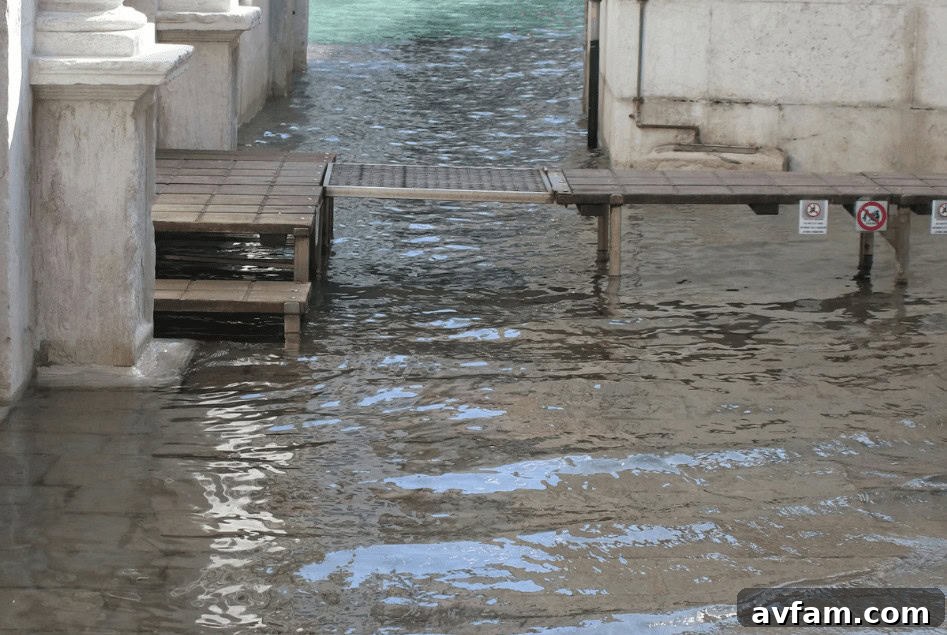
First Steps for Swift and Effective Flood Recovery
Knowing precisely what to do after a flood can dramatically alter the trajectory of your recovery, meaning the difference between a protracted, costly water damage restoration process and a speedy, efficient return to normalcy. The ultimate goal is to restore your home life as quickly and safely as possible. Here’s a comprehensive step-by-step guide to navigate the immediate aftermath.
1. Prioritize Safety Above All Else
Before even considering stepping inside your flood-affected property, ensure it is absolutely safe to do so. Floodwaters can mask severe structural damage, making floors or ceilings unstable, or creating hidden electrical hazards. Always wait for an official ‘all clear’ from professionals, such as the fire department or a structural engineer, who can conduct an initial assessment. Once authorized to enter, your immediate action should be to turn off the electricity and gas supplies at the main switches. This crucial step eliminates the risk of electrocution or gas leaks, securing the property for subsequent recovery efforts. Wear appropriate personal protective equipment, including sturdy waterproof boots, gloves, and a mask, as floodwater can be highly contaminated.
2. Document All Damage Thoroughly for Insurance Claims
The next critical step is to meticulously collect evidence of all damage for your insurance claim. This is paramount for receiving the compensation you rightfully deserve. Use a smartphone or camera to take numerous photographs and detailed video footage from various angles – wide shots to show the overall impact, and close-ups for specific damage to individual items and structural components. Document the water line, discolored materials, and any visible signs of damage. Furthermore, begin compiling an exhaustive inventory of all damaged or destroyed items in your home. For each item, note its description, approximate age, condition before the flood, and an estimated replacement cost. If possible, gather receipts or proof of purchase for high-value items, as this will significantly strengthen your claim. Contact your insurance provider as soon as possible to report the damage and understand their specific documentation requirements.
3. Expediently Remove Standing Water
At this juncture, the extent of standing water will dictate whether you can manage the initial extraction yourself or if professional assistance is indispensable. Standing water, which is the floodwater that has accumulated within your property, must be removed with utmost urgency. Allowing it to stagnate exacerbates damage by promoting microbial growth, further saturating materials, and increasing the risk of structural compromise. For very shallow amounts of standing water, you might use buckets, mops, and wet/dry vacuums. However, for significant depths of water, this method will be ineffective and incredibly time-consuming. In such cases, promptly seek out specialized water extraction experts. They possess industrial-grade pumps and vacuums capable of quickly and efficiently removing large volumes of water, significantly reducing secondary damage.
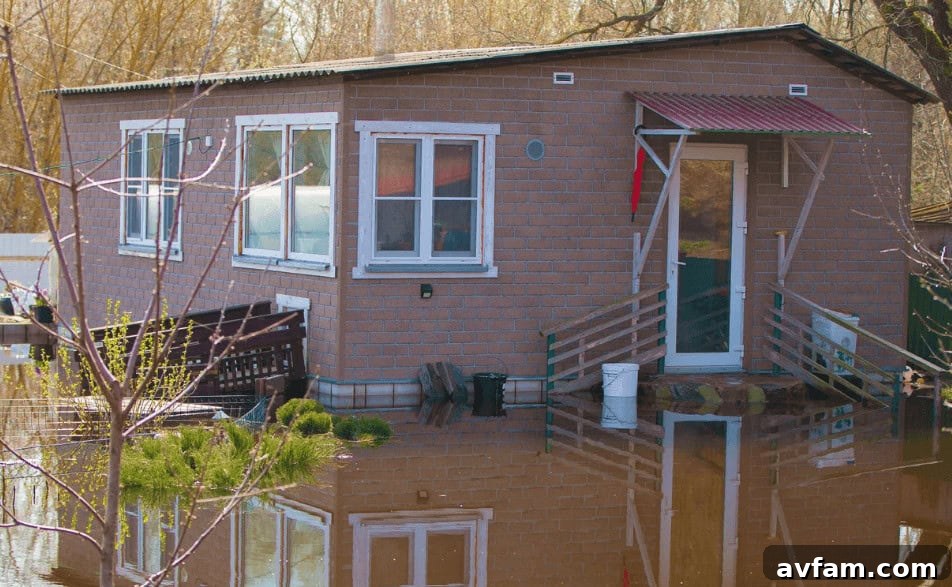
4. Implement Thorough Drying and Dehumidifying
Once all visible standing water has been extracted, your home will still harbor a considerable amount of moisture. Porous materials like wood, drywall, insulation, and textiles will have absorbed significant quantities of water. Effective drying is crucial to prevent secondary damage like warping, swelling, and, most importantly, mold growth. If weather conditions permit, open all windows and doors to facilitate cross-ventilation, allowing air to circulate freely and aid in the natural drying process. Supplement this with high-powered fans and industrial dehumidifiers. Fans, or air movers, help circulate air across damp surfaces, accelerating evaporation, while dehumidifiers actively extract moisture from the air and materials. Position equipment strategically to maximize airflow and ensure comprehensive drying. Monitor moisture levels using hygrometers to confirm the property is thoroughly dry before proceeding to the next steps.
5. Undertake Comprehensive Cleaning and Sanitizing
With your home now dry, the critical next step is to meticulously clean and sanitize all affected surfaces, including floors, walls, and any salvageable items. This process is vital for reducing the risk of mold growth and eliminating harmful pathogens. Floodwater, especially from natural sources, often carries bacteria, viruses, and other contaminants that pose severe health hazards if not properly disinfected. Use appropriate anti-microbial cleaning agents and disinfectants suitable for various surfaces. Pay particular attention to porous textiles like rugs and carpets; these can become breeding grounds for bacteria and mold spores and should ideally be professionally cleaned or, if heavily contaminated, discarded. Consider professional air duct cleaning to ensure no mold spores are recirculating through your HVAC system.
6. The Restoration Phase: Replace, Repair, and Rebuild
The final stage of water damage restoration involves assessing what can be repaired and what must be replaced. For safety and health reasons, it’s generally not advisable to retain flood-damaged porous furniture, mattresses, or textiles that cannot be thoroughly cleaned and sanitized. You may need to purchase new kitchen units, cabinets, furniture, and flooring if these have been irreparably damaged by water saturation or contamination. Walls, once completely dried, can be prepared for repainting, often benefiting from a coat of mold-resistant primer or paint. While minor cosmetic repairs and painting can often be tackled by homeowners, any structural renovation or repair to foundational elements, load-bearing walls, or complex systems (electrical, plumbing, HVAC) absolutely requires the expertise of qualified professionals. Floodwater can seep deep into foundations, internal wall cavities, and insulation, and if undetected or improperly repaired, can lead to recurring problems, diminished property value, and serious safety concerns in the future.
Knowing When Professional Expertise is Indispensable
While small leaks or very shallow flooding in a confined area might be manageable for a determined homeowner, there are definitive scenarios where calling in professional water damage restoration experts is not just advisable, but absolutely essential. If you feel overwhelmed by the sheer volume of water, have concerns about potential contamination (especially from sewage or ‘black water’), suspect structural damage, or if the water has been standing for more than 24-48 hours, it is time to immediately enlist expert help.
Professionals bring invaluable advantages to the recovery process. They possess industrial-scale water extraction equipment, powerful dehumidifiers, and specialized drying tools that far surpass typical household equipment, ensuring complete and efficient moisture removal. They have established protocols for safely handling sewage water, biohazards, and complex mold remediation. Their expertise allows them to accurately assess hidden damage that a homeowner might miss, such as moisture trapped within wall cavities or subflooring, preventing long-term issues like dry rot and persistent mold growth.
Attempting a large-scale or contaminated flood cleanup yourself, without the necessary expertise or equipment, can often cost you significantly more in the long run. Improper drying or incomplete sanitization can lead to secondary damage, extensive mold outbreaks, and structural deterioration that will require even more expensive remediation down the line. Professional restoration companies will not only extract water and thoroughly dry your property but also meticulously restore any damage caused by the floodwater. They are adept at identifying and treating the first signs of mold immediately, mitigating future health risks and preserving your home’s value and integrity. Furthermore, many professional services can assist with documentation and direct communication with your insurance company, streamlining the claims process and reducing your stress during an already difficult time.