
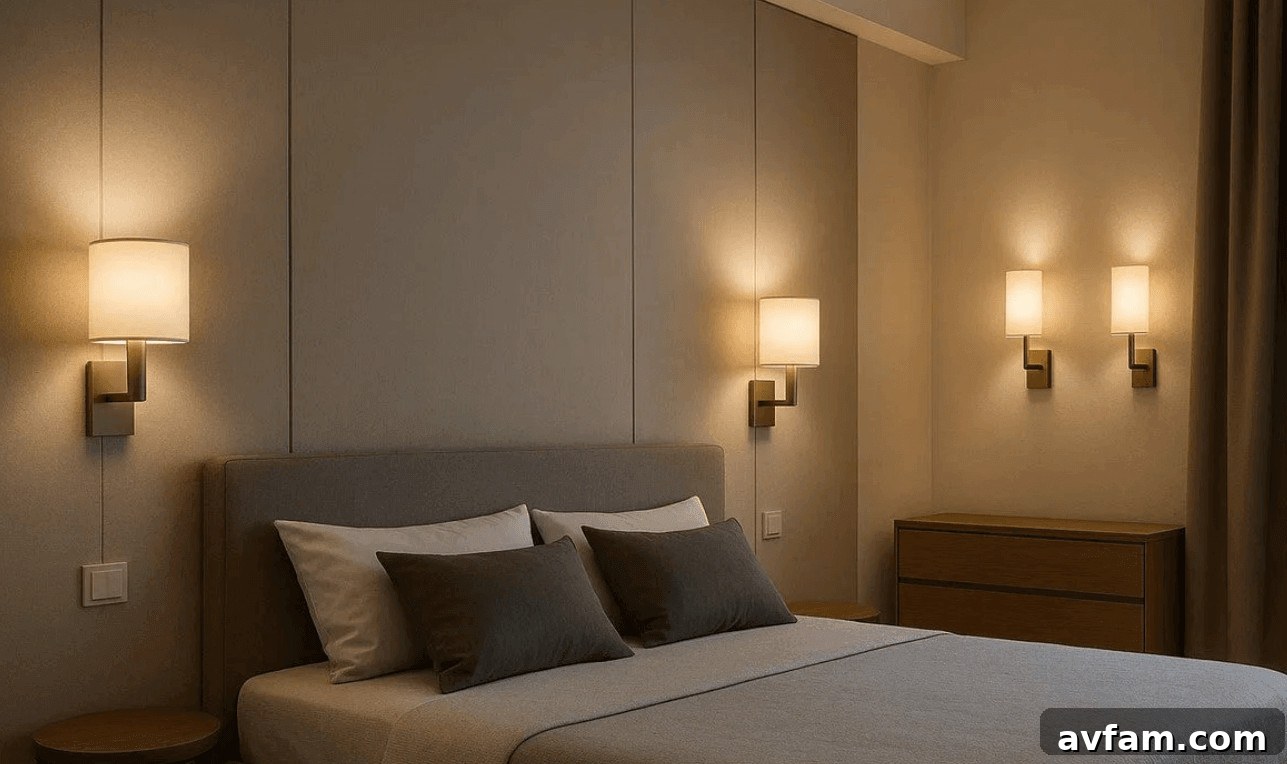
Lighting shapes how a room looks, feels, and functions. The right fixtures make a space feel warm and inviting; poor lighting can leave even the most thoughtfully decorated room feeling flat or uncomfortable. Wall lights are one of the most versatile tools for creating layered, purposeful lighting. When chosen and positioned with care, they add depth, highlight texture and architectural details, and cast a soft, flattering glow.
To upgrade any room quickly, consider adding elegant wall lights. Spot-style sconces draw attention to artwork or architectural features, while slim LED strips create a modern halo behind shelves or a headboard. Decorative wall lamps provide classic character and practical task lighting in reading nooks without taking up floor or tabletop space. Recessed wall fixtures deliver a clean, minimalist look that blends into the architecture while providing useful illumination.
Combining several types of wall lighting lets you control the mood precisely, whether you want bright, energetic light for tasks or a soft, relaxing ambience for evenings.
What’s the Purpose of Wall Lights?
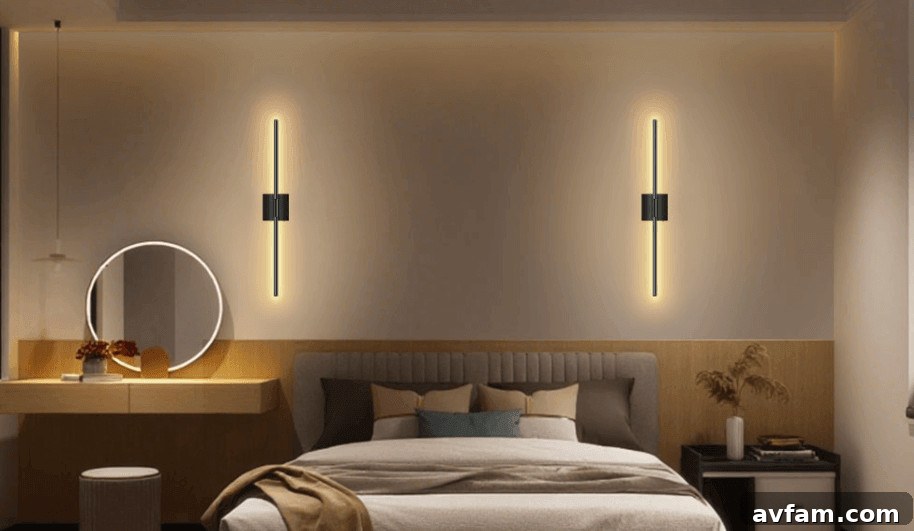
Before you choose wall lights, decide what you want them to do. Are they intended to illuminate an entire room, provide task light, or serve as accent lighting? For general illumination in a hallway or living area, choose fixtures with translucent shades that diffuse light evenly and reduce glare.
For focused tasks—chopping vegetables in the kitchen, reading by a chair—opt for fixtures that cast a directed beam. Accent lighting, used to showcase artwork or a niche, should be significantly brighter than ambient light so the highlighted feature stands out. A common guideline is accent fixtures that offer about three times the brightness of the surrounding illumination.
How Much Lighting Do You Need?
Consider how much natural light the room receives and what other light sources are already in place to avoid over- or under-lighting. A layered approach—mixing wall lights, overhead fixtures, and portable lamps—gives you flexibility to adjust the atmosphere. Installing dimmer switches is especially effective: they provide control over intensity and make it easy to shift from bright task lighting to a soft evening glow.
The Eye-Level Rule
Where should interior wall lamps be mounted? A useful baseline is to position fixtures about 1.5 m (roughly 5 ft) from the floor. Adjust that height to fit a room’s proportions and furniture layout. Because the top of the fixture will often be near eye level, select a design that looks attractive when seen straight on and won’t cause glare for people standing or walking by.
Consider Your Style and Décor
Think of a wall light as the room’s jewelry: it’s a small detail that has an outsized impact on style. Choose a fixture that complements your existing decor. An industrial kitchen benefits from robust, utilitarian sconces, while a contemporary living room might call for minimalist or sculptural wall lights. Matching the fixture’s material, finish, and shape to the room’s aesthetic creates a cohesive, considered look.
Pair Up Your Fixtures
Using fixtures in pairs or groups can increase visual impact and improve light distribution. Clustered together in the middle of a wall, multiple sconces act like a single statement piece with strong ambient output. Spread evenly along a hallway or entry, they create rhythm and ensure even visibility, welcoming guests and guiding movement through the space.
Place Them in Unusual Spots
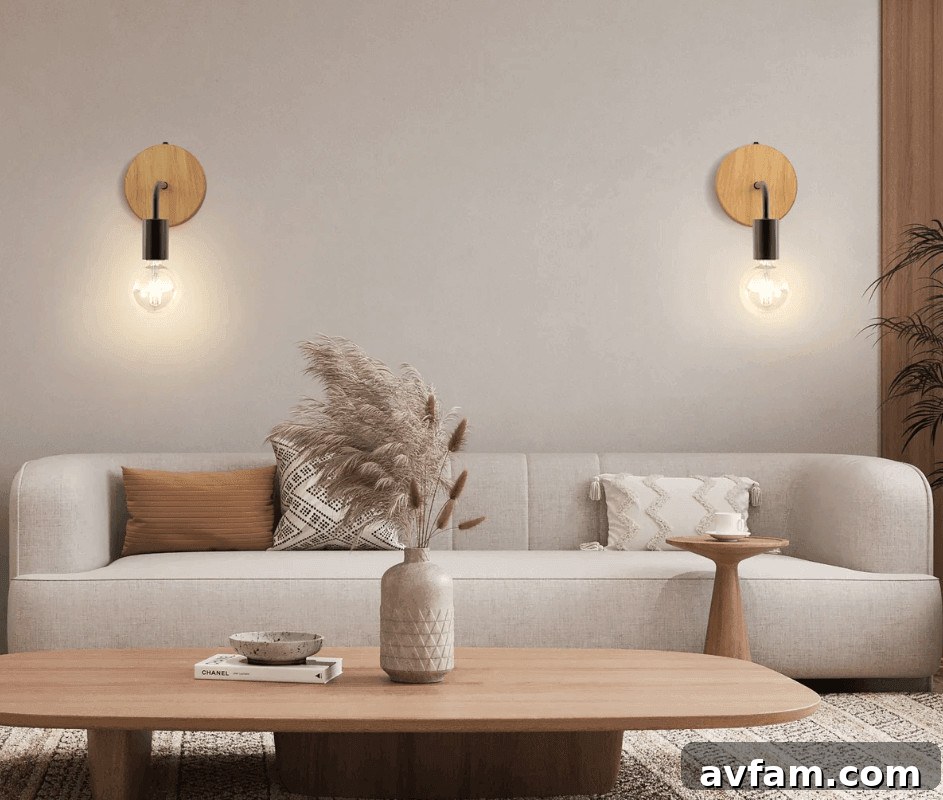
Fixtures don’t always need to be mounted high. Installing wall lights lower—near a console table or beside a reading chair—lets them function like fixed task lamps and draws attention to a vignette. Though they’re not portable, low-mounted sconces spotlight a specific area and introduce drama and focus.
Use Them as Bedside Lamps
Wall-mounted lights are a smart alternative to bulky bedside lamps. Mounting sconces beside the bed frees up nightstand space and creates a streamlined, modern look. Choose adjustable-arm or directional sconces for read-in-bed convenience without compromising style.
Add a Pop of Colour
If you prefer a minimalist palette but want a hint of personality, colored glass shades are a subtle, effective option. A hand-blown glass fixture adds color without overwhelming the room. When lit, colored glass casts a soft hue onto nearby surfaces, transforming the mood after dark while keeping the overall aesthetic clean and uncluttered.
Match Them With Pendant Fixtures
For a polished, cohesive interior, coordinate wall lights with other fixtures. Sconces that share materials, finishes, or design details with pendant lights create visual continuity and make each space feel intentional. Extend a design theme from room to room—matching hallway sconces to living room pendants, for example—to create a smooth flow through your home and a professionally curated feel.