
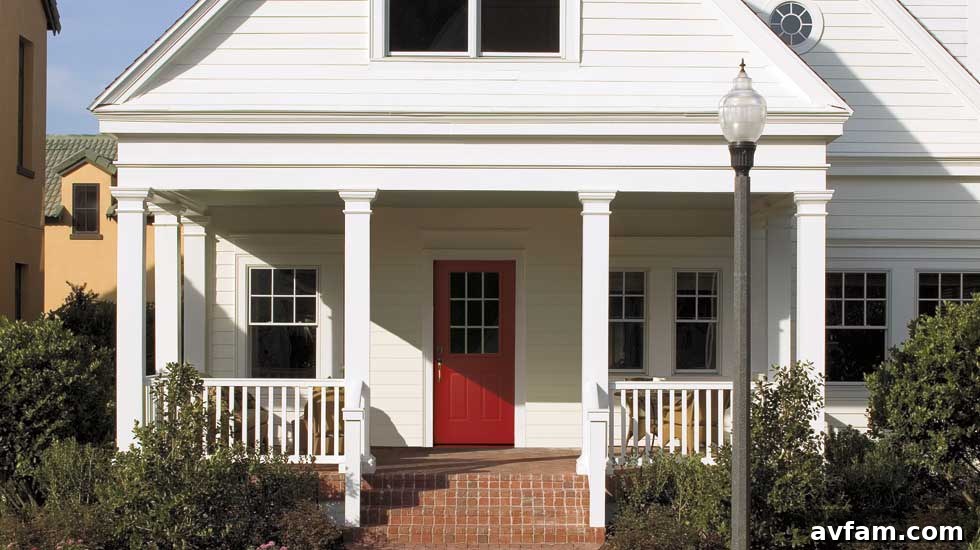
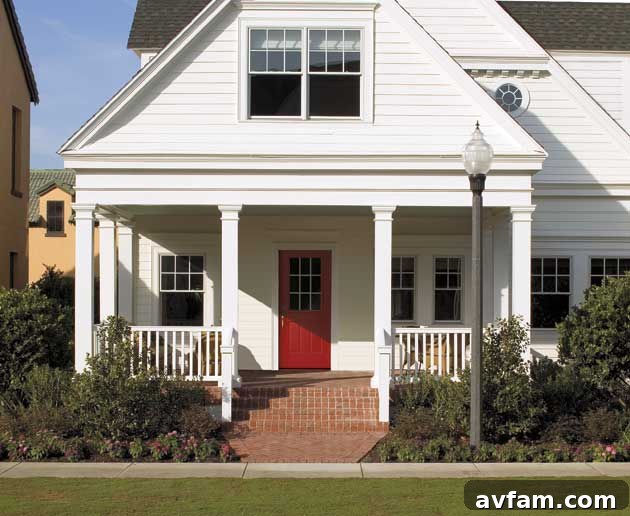
The windows and doors of your home are far more than mere entry points or sources of natural light; they are fundamental elements of its architectural character, energy efficiency, and overall comfort. Choosing the right styles can dramatically enhance curb appeal, boost interior aesthetics, and even increase your property’s value. However, navigating the vast array of options available can be overwhelming without a clear understanding of the terminology and features.
This comprehensive guide is designed to demystify the world of window and door styles, helping you make informed decisions that perfectly complement your home’s architecture and meet your performance needs. We’ll delve into the distinct characteristics, benefits, and ideal applications for various styles, drawing insights from industry leader Pella, renowned for its quality and innovation.

When selecting windows and doors, it’s crucial to consider both their external appearance and how they integrate with your interior design. A window that looks stunning from the street should also offer beautiful views and contribute to the ambiance inside your living spaces. Similarly, an entry door must not only provide security and weather protection but also serve as a welcoming statement piece that reflects your personal style.
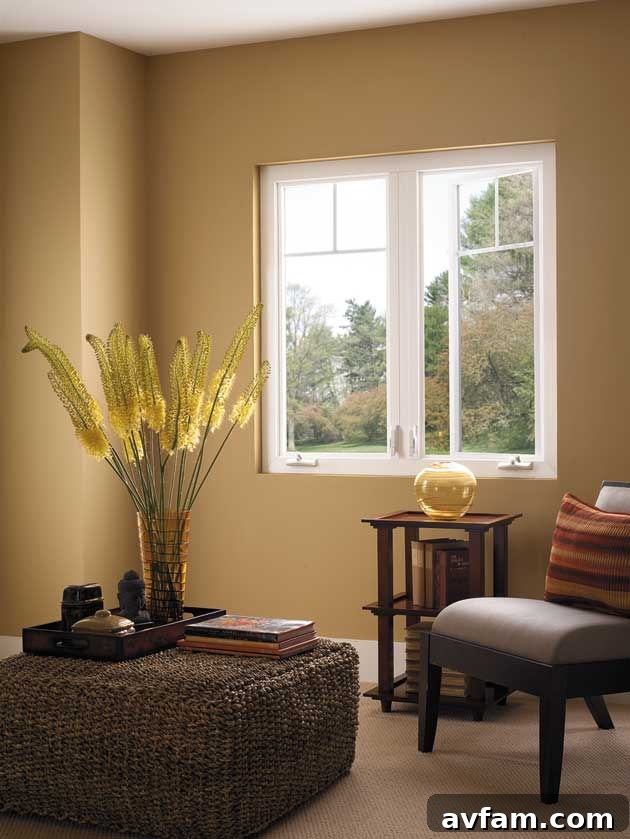
Exploring Popular Window Styles for Every Home
Windows play a pivotal role in dictating a home’s aesthetic, natural lighting, and ventilation. Understanding the unique characteristics of each style will empower you to select the perfect fit for every room.
- Awning Windows — Awning windows are distinguished by their top hinge, allowing them to open outwards from the bottom. This design creates a small canopy, which is particularly advantageous as it allows for ventilation even during light rain, shedding water away from the opening. Their sash presses tightly against the frame when closed, resulting in excellent airtightness and superior energy efficiency compared to many other window types. Awning windows are often utilized in conjunction with fixed windows or doors as transoms, or positioned higher on walls, such as in garages or bathrooms, to offer privacy while still enabling airflow. They are an ideal choice for wider-than-tall openings and can add a distinctive architectural touch to modern and contemporary homes.
- Bay and Bow Windows — These projecting window styles dramatically expand a room, creating a sense of increased space and offering panoramic views. A classic bay window typically features a large central window flanked by two smaller operating windows (often double-hung or casement) set at a 30- or 45-degree angle. Bow windows, on the other hand, consist of four or more equal-sized windows, usually casements, arranged in a gentle arc, creating a smoother, more rounded projection. Both styles not only enhance natural light and provide expansive vistas but also add significant architectural interest to the exterior. They are perfect for creating cozy window seats or displaying decorative items, becoming a focal point in living rooms, dining rooms, or master bedrooms.
- Casement Windows — A highly popular and versatile window style, casement windows feature a single sash hinged on either the left or right, opening outward with the simple turn of a crank handle. This “crank out” operation allows for maximum ventilation, often outperforming double-hung windows in airflow efficiency, as the entire sash opens to direct breezes indoors. Their design typically provides superior airtightness when closed, contributing to better energy performance. Casement windows look exceptionally elegant in contemporary and transitional homes, particularly when they are slightly taller than they are wide. However, due to their outward swing, careful consideration is needed for placement near decks, patios, or walkways to avoid obstruction.
- Double-Hung Windows — A quintessential window style, double-hung windows feature two sashes within a single frame, both of which can move vertically. The top sash can slide down, and the bottom sash can slide up, allowing for versatile ventilation options – opening from the top, bottom, or both simultaneously. This design is particularly effective for creating airflow that pulls warm air out through the top and draws cooler air in through the bottom. Double-hung windows are a hallmark of traditional architecture, frequently gracing homes with Colonial, Victorian, and Craftsman styles, and are often seen with sashes that are approximately twice as tall as they are wide, with equal-sized top and bottom units. They offer a classic aesthetic that remains timeless and highly functional.
- Single-Hung Windows — Single-hung windows share many aesthetic and functional similarities with double-hung windows, but with a key distinction: only the bottom sash is operable, sliding upward to open. The top sash remains fixed in place. This design provides a more economical option while still offering classic appeal and effective ventilation, allowing you to control the opening from a small crack to half the window’s area. They are well-suited for a variety of architectural styles, providing clean lines and ample light. Single-hung windows are often chosen for rooms where the top sash doesn’t need to open, offering a simpler operation and potentially slightly better air sealing due to fewer moving parts.
- Sliding Windows — Also known as gliders or sliders, these windows operate by sliding horizontally along a track. Their sleek, contemporary profile makes them an excellent choice for modern homes and spaces requiring unobstructed views. Sliding windows are particularly practical for hard-to-reach areas, such as above kitchen sinks or countertops, where a crank or vertical lift might be inconvenient. They are commonly found in multi-family dwellings, apartment complexes, and basements. Sliders are typically available in single-sliding configurations (where one sash moves and the other is fixed) or double-sliding units (where both sashes are operable), offering flexibility in ventilation and ease of use.
- Fixed Windows — As their name suggests, fixed windows do not open or vent. Their primary purpose is to maximize natural light and offer expansive, uninterrupted views. Often selected as architectural accents or integrated into larger window compositions, fixed windows can take on various shapes—circular, hexagonal, arched, or trapezoidal—to add unique interest to a home’s exterior or highlight a specific outdoor feature. In a window wall system, large fixed units might be flanked by operable windows and topped with smaller fixed transoms, creating a dramatic, light-filled space. Because they don’t open, fixed windows generally offer superior energy efficiency and are ideal for showcasing scenic landscapes.
- Transom Windows — Transom windows are typically smaller windows installed above a primary window or door unit. While often fixed, they can also be operable, providing additional light and ventilation, particularly in rooms with high ceilings. Historically used above doors to provide light to interior hallways, modern transoms are frequently employed to create the illusion of larger, more grandiose windows or to enhance a room’s architectural height. They are available in a multitude of shapes, including square, rectangular, half-circle, and elliptical, allowing for creative design flexibility. When combined with other window units, transoms can form striking window walls, bathing interiors in natural light.
- Window Wall Combinations — Often referred to simply as combination windows, a window wall system is a dynamic assembly of multiple window units, sometimes extending from floor to ceiling and wall to wall. This design strategy is employed to maximize natural light, ventilation, and views, making smaller rooms feel significantly more expansive and connected to the outdoors. A window wall can incorporate any combination of window sizes, shapes, and styles—fixed, casement, double-hung, or specialty shapes—to create a truly custom and impactful architectural feature. They are perfect for homes seeking to blur the lines between indoor and outdoor living, providing a stunning visual impact and an abundance of natural illumination.
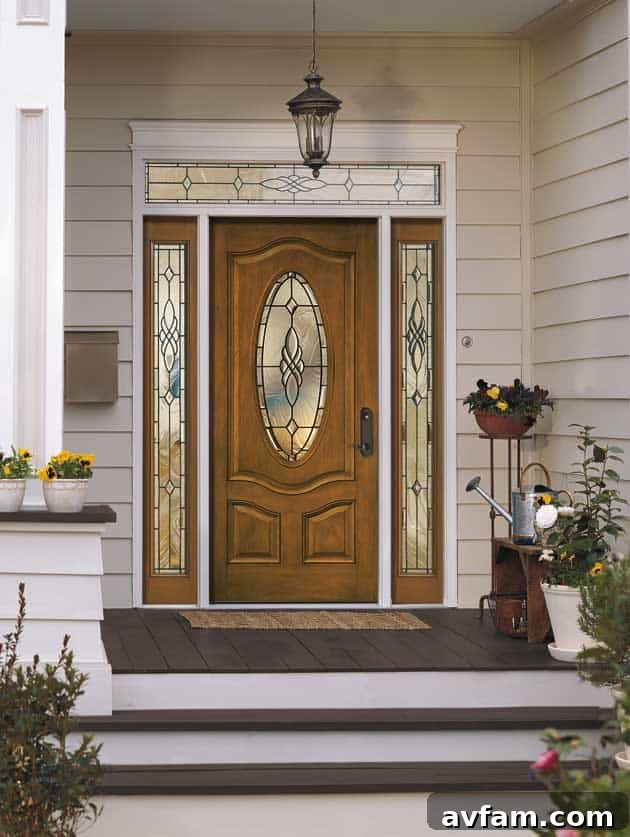
Distinguished Entry Door Styles and Features
An entry door is more than just a barrier; it’s a statement piece that welcomes guests, reflects your home’s character, and provides essential security and energy efficiency. Pella offers a myriad of options to customize your entryway.
Entry Door Glass Options
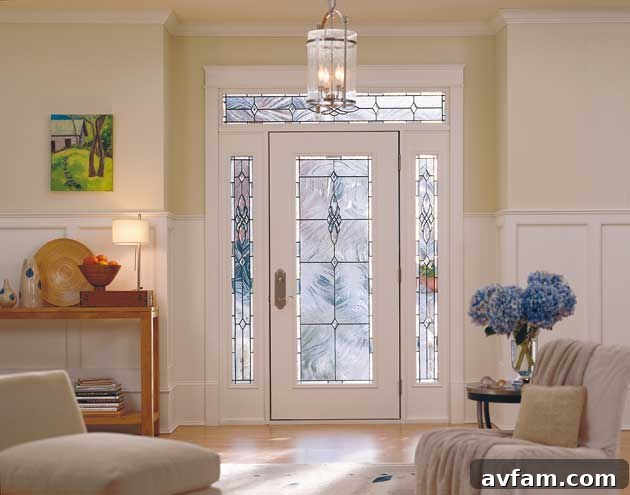
- Decorative Glass Collections: Elevate your entry with decorative glass, featuring unique combinations of glass styles, textures, and caming (the elegant metal framework that joins glass pieces). These collections allow natural light to filter through, creating stunning visual effects while maintaining privacy. They add a sophisticated touch and timeless elegance to any home style, from traditional to contemporary.
- Exclusive Insulated Decorative Glass: Pella’s exclusive decorative glass designs are artfully sandwiched inside a sealed insulating glass unit. This innovative construction not only delivers breathtaking elegance but also significantly enhances energy efficiency by reducing heat transfer and improving thermal performance. This means beauty without compromising on comfort or utility bills.
- Textured Glass for Privacy and Light: For areas where privacy is paramount but natural light is still desired, textured glass is an excellent choice. It allows ample light to pass through, brightening your entryway, while obscuring direct views into your home. Available in various patterns, textured glass can add subtle sophistication and a unique aesthetic.
- Clear and Low-E Insulating Glass: Pella offers a wide selection of entry doors, sidelights, and transoms equipped with clear insulating glass or advanced Low-E insulating glass with argon gas. Low-E coatings and argon gas fillings significantly improve thermal performance, helping to keep your home warmer in winter and cooler in summer, thus reducing energy consumption and providing year-round comfort.
Grille Styles
- Classic Divided Light Appearance: Achieve a classic, multi-pane look with a variety of permanent or removable grille options. Pella offers standard grille patterns that evoke the traditional charm of divided light, perfect for historical or classic architectural styles. For those seeking a unique touch, custom grille patterns are also available, allowing for personalized design. Grilles can be between-the-glass for easy cleaning, or on the exterior/interior for an authentic dimensional feel.
Caming Style
- Decorative Metal Detailing: Caming is the decorative metal used to connect individual pieces of glass in a design. Pella provides a diverse range of caming materials and finishes—from the rich darkness of black to the warmth of copper and the sleekness of satin nickel. These choices allow you to add intricate decorative detail to your doors, enhancing the overall aesthetic and complementing your home’s hardware and fixtures.
Transom
- Above-Door Illumination: A transom is a fixed window strategically placed above an entry door. It serves to introduce additional natural light into your entryway, brightening the space and making it feel more open. Pella offers transoms with decorative glass or grilles that are designed to perfectly match your Pella® entry doors, creating a cohesive and visually striking entryway.
Sidelight
- Enhanced Light and Grandeur: A sidelight is a fixed window elegantly positioned on one or both sides of an entry door. Sidelights flood the entryway with extra light and expand the view from inside, contributing to a more open and inviting atmosphere. Pella provides matching sidelights with decorative glass or grilles that seamlessly integrate with their entry doors, enhancing architectural symmetry and overall grandeur.
Clavos/Hinge Straps
- Old-World Charm: To infuse your entry door with an authentic Old-World or rustic style, consider decorative hardware options like clavos (ornamental nail heads) and hinge straps. These robust, historically inspired accents add texture, character, and a sense of timeless craftsmanship, perfect for Spanish Colonial, Mediterranean, or Craftsman-style homes.
Speakeasy
- Historical Flair and Functionality: A speakeasy is a charming, small “door within a door” feature that harks back to historical designs. It adds unique character and style while serving a practical purpose: allowing you to identify visitors without fully opening your main entry door, enhancing security and privacy. Available with or without grilles, the speakeasy option is a distinctive feature often found on Pella Architect Series entry doors, perfect for adding a touch of vintage intrigue.
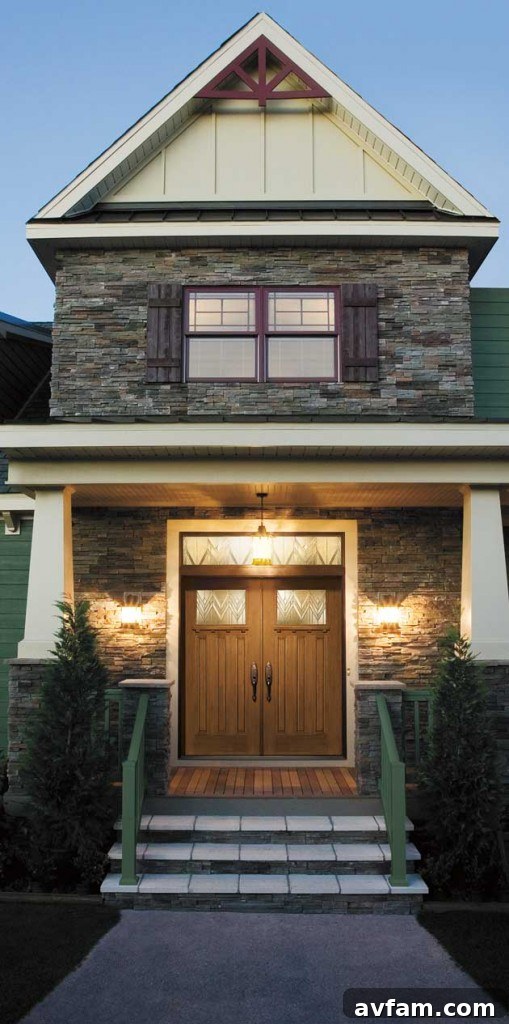
Choosing the perfect windows and doors for your home is an investment in both aesthetics and performance. By understanding the terminology, exploring the vast array of styles, and considering how each feature contributes to your home’s overall design and functionality, you can create spaces that are beautiful, comfortable, and energy-efficient. Whether you’re building new, remodeling, or simply replacing old units, Pella offers exceptional quality and diverse options to meet every vision.
Photos courtesy of Pella Windows and Doors.